Egg Recall July 2026: FDA Salmonella Recall List and What to Do

Status checked: July 25, 2026. Recall information can change. Confirm the carton against the current FDA recall notice before using or discarding the eggs.
Quick Answer
The July 2026 egg recall covers specific white shell eggs and brown cage-free shell eggs produced by Midwest Poultry Services, L.P. in Texas. The company recalled 1,589,577 dozen eggs because they may be contaminated with Salmonella Enteritidis.
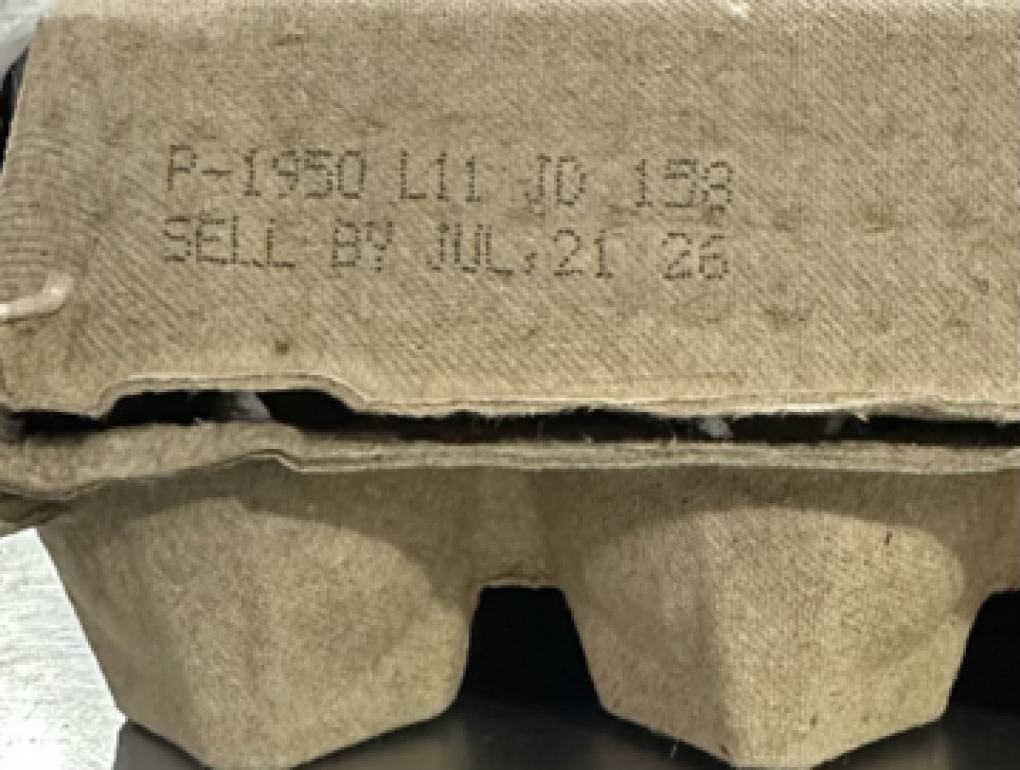
Check the carton for all three of these identifiers:
- Plant code:
P-1950or0840962 - Julian date:
157–184 - Sell-by or best-by date: July 20–August 17, 2026
The recall includes selected Kroger, Simple Truth, Brookshire’s, Country Morning, and Sunups products, plus several foodservice bulk cases.
A matching carton should not be eaten, cooked, donated, or composted. Keep the carton, isolate the product, and return it to the original place of purchase for a refund.
Key Takeaways
- FDA published the recall on July 22, 2026.
- The recall involves possible Salmonella Enteritidis contamination.
- The affected volume is 1,589,577 dozen shell eggs.
- The common carton filters are
P-1950or0840962, Julian dates157–184, and dates from July 20 through August 17, 2026. - At the time of the FDA notice, the company reported no specific illnesses linked to the products.
- Do not assume every egg is recalled; identify the product by carton code.
- Do not try to make recalled eggs acceptable by cooking them thoroughly.
- Clean hands, refrigerator shelves, utensils, and surfaces that contacted the eggs.
- Do not place recalled eggs in a backyard pile, worm bin, municipal organics cart without local approval, or a household composting device.
- Salmonella symptoms commonly begin 6 hours to 6 days after infection.
What Did the FDA Recall?
According to the FDA company announcement, the eggs were produced and distributed from Texas farms between June 6 and July 3, 2026.
They were shipped to foodservice and retail customers in Texas, Oklahoma, and Louisiana. Consumers could also find affected products at:
- Kroger stores in Texas and Louisiana
- Brookshire Grocery stores in Texas, Oklahoma, Arkansas, Louisiana, New Mexico, and Mississippi
- Other smaller retail outlets
The recall is product-specific. FDA stated that no other Midwest Poultry Services products were included in the announcement.
Retail Products Included
The plant-code and date range above applies to every row in this table.
| Brand | Recalled carton sizes | UPCs |
|---|---|---|
| Kroger | Large 12, 18, and 60; Extra Large 12; Medium 12 and 30; Jumbo 12 | 011110609038, 011110609335, 011110609144, 011110609045, 011110609021, 011110609809, 011110609052 |
| Simple Truth | Cage Free Medium Brown 12; Cage Free Large Brown 12, 18, and 24 | 011110870230, 011110797704, 011110893109, 011110150974 |
| Brookshire’s | Large 6, 12, 18, 36, and 60; Extra Large 18; Jumbo 12 | 092825095644, 092825095552, 092825095569, 092825109808, 092825095637, 092825095606, 092825095583 |
| Country Morning | Large 12 and 18; Large 2½ dozen; Extra Large 12; Medium 12; Jumbo 12 | 078566200004, 078566005036, 079307005162, 078566001021, 078566001045, 078566001014 |
| Sunups | Medium 2½ dozen | 028621304987 |
FDA’s summary uses 0840962; parts of the detailed product table display the same code without the leading zero as 840962.
Foodservice Products Included
Bulk products carrying plant code P-1950 and the same Julian-date window were also recalled:
- Grade AA Large Bulk × 30 dozen
- Grade A Large Bulk × 15 dozen
- Grade A Large Bulk — TICTAC
- Grade A Large Bulk — Brown — TICTAC
- Grade A Medium Bulk × 30 dozen
- Grade A Medium Bulk × 15 dozen
- Grade A Extra Large Bulk × 15 dozen
- Grade A Jumbo Bulk, 20 eggs
Restaurants, schools, caterers, institutions, and other foodservice operators should check outer cases and supplier records rather than relying on a consumer UPC.
How to Check Your Egg Carton
- Keep the eggs in the original carton. The carton contains the information needed to identify the product.
- Find the plant code. Look for
P-1950or0840962printed in date-coding ink on the side. - Read the Julian date. Affected cartons show a number from
157through184. - Check the sell-by or best-by date. The recalled range is July 20 through August 17, 2026.
- Match the brand, size, and UPC. A store name or shell color alone is not enough.
- When the information is unclear, stop using the eggs. Contact the retailer or Midwest Poultry Services before deciding what to do.
What to Do With Recalled Eggs
Do
- Keep the carton for identification.
- Place the carton in a clean secondary bag or container if it is leaking.
- Return the product to the original place of purchase for a full refund.
- Wash hands after handling the carton or eggs.
- Clean refrigerator shelves, containers, utensils, and counters with hot, soapy water.
- Photograph the identifying codes if you need a record.
Do Not
- Eat, taste, cook, bake with, or serve the eggs.
- Donate the eggs or give them to people or animals.
- assume a normal smell or appearance means the eggs are safe.
- Mix the recalled eggs with ordinary food scraps.
- Put the eggs into home compost, vermicompost, or a household food-waste system.
For questions, the company lists 574-405-9531, Monday through Friday, 8:00 a.m.–4:30 p.m. Eastern, and recallassistance@mpseggs.com.
What If You Already Ate the Eggs?
Stop using the remaining eggs and keep the carton information. Eating a recalled product does not mean illness is certain, but it creates a reason to watch for symptoms.
The CDC Salmonella symptoms page says symptoms usually begin 6 hours to 6 days after infection and generally last 4 to 7 days.
Common symptoms include:
- Diarrhea, which may contain blood or mucus
- Stomach cramps
- Fever
- Nausea or vomiting
- Headache
- Loss of appetite
Contact a healthcare professional when diarrhea or vomiting lasts more than two days, there is blood in stool or urine, fever is above 102°F, or signs of dehydration appear. Young children, adults 65 and older, and people with weakened immune systems face a greater risk of severe illness.
Can Thorough Cooking Make Recalled Eggs Safe?
For eggs that are not recalled, thorough cooking is an important Salmonella control. FDA advises cooking eggs until both yolks and whites are firm and cooking egg dishes to 160°F / 71°C.
That normal guidance does not cancel a recall. The recalled product should be returned rather than tested in a recipe or kept because it will be baked at a high temperature.
For everyday egg handling outside this recall, read the FDA egg-safety guidance and GEME’s Food Safety Guide.
Can Recalled Eggs Be Composted?
No. The practical household guidance is to keep recalled eggs and foods made with them out of composting systems.
This recommendation is based on three boundaries:
- FDA directs consumers to avoid consumption and return the product. Composting is not the recall pathway.
- Typical home composting is not a validated pathogen-control process. Temperature varies across the pile, and every portion may not receive the same treatment.
- Animal-derived foods create additional management problems. EPA notes that home composting systems mostly handle food scraps other than meat, bones, and dairy, while acceptance rules for eggs and other animal products vary by program.
Disposal Decision Table
| Material | Recommended action |
|---|---|
| Recalled raw eggs | Return to the original place of purchase; otherwise follow local disposal instructions |
| A cooked dish made with recalled eggs | Do not eat or compost; follow local disposal guidance |
| The recalled carton | Keep it with the product for identification and return |
| Clean shells from non-recalled eggs | Compost according to the rules of the specific system |
| Non-recalled egg residue | Follow the input limits and hygiene guidance of the selected composting method |
Do not place recalled eggs in GEME. The ability of a system to process ordinary egg scraps does not turn it into an approved treatment route for recalled food.
For ordinary, non-recalled materials, continue with How to Compost Eggshells and What Can You Put in an Electric Composter?.
Safe Egg Handling After the Recall
The recall is temporary and product-specific; normal egg safety remains useful for unaffected products.
- Buy eggs only from a refrigerated case.
- Avoid cartons containing cracked or dirty shells.
- Refrigerate eggs promptly at 40°F / 4°C or below.
- Keep eggs in the original carton.
- Wash hands and contacted surfaces after handling raw eggs.
- Cook shell eggs until yolks and whites are firm.
- Cook casseroles, quiche, frittata, and other egg dishes to 160°F / 71°C.
- Use pasteurized eggs or egg products in recipes served raw or lightly cooked.
- Refrigerate cooked egg dishes within two hours, or within one hour above 90°F / 32°C.
Food Safety Cluster: Where to Go Next
This article answers the urgent recall question. The following pages move users from immediate safety to storage, waste prevention, and composting decisions without turning the recall into a product pitch.
- Food Safety Guide — the cluster hub for recalls, contamination, cooking, and emergency food decisions.
- Food Storage and Waste Reduction Guide — refrigerator organization, leftovers, freezing, and spoilage prevention.
- How to Reduce Food Waste at Home — prevention before disposal.
- Complete Home Composting Guide — biological composting methods and input boundaries.
- What Is an Electric Composter? — understand the differences between biological composting, dehydration, and food-waste preprocessing.
- Kitchen Composter vs Food Waste Recycler — compare system categories before evaluating a product.
- Best Kitchen Composters 2026 — commercial comparison page for readers who reach the equipment-selection stage.
Frequently Asked Questions
Is every carton of eggs recalled?
No. The recall applies only to products matching the identified brands, sizes, codes, Julian dates, and date range.
What are the main recall codes?
Look for plant code P-1950 or 0840962, Julian dates 157–184, and sell-by or best-by dates from July 20 through August 17, 2026.
How many eggs were recalled?
The notice covers 1,589,577 dozen shell eggs.
Were illnesses confirmed?
At the time of the FDA notice, Midwest Poultry Services said it was not aware of specific illnesses linked to its products. That status can change as public-health information develops.
Can recalled eggs be cooked and eaten?
No. Return matching products rather than trying to override the recall through cooking.
Can recalled eggs go into a kitchen composter?
No. Recalled eggs should follow the return or local disposal pathway, not a home composting pathway.
Can normal eggshells be composted?
Clean shells from non-recalled eggs can generally be composted according to the rules of the chosen system.
How soon can Salmonella symptoms appear?
CDC says symptoms usually begin 6 hours to 6 days after infection.
Where should I check for updates?
Use the FDA recall notice and the FDA recall database. Do not rely only on search snippets or social-media screenshots.
Bottom Line
The July 2026 FDA egg recall is large, but it is identifiable. Check the carton for the affected brand and size, plant code P-1950 or 0840962, Julian dates 157–184, and the July 20–August 17 date range.
When the product matches, stop using it and return it. Clean contacted surfaces and monitor for Salmonella symptoms after possible exposure. Recalled eggs should not be donated, fed to animals, or redirected into home compost.
Sources
- FDA — Midwest Poultry Services Shell Egg Recall
- FDA — Recalls, Market Withdrawals, and Safety Alerts
- FDA — What You Need to Know About Egg Safety
- CDC — Symptoms of Salmonella Infection
- CDC — About Salmonella Infection
- CDC — Salmonella Outbreak Investigations
- EPA — Approaches to Composting
- EPA — Composting at Home
Related Articles

GEME Terra 2 vs. Vermicomposting: Pros, Cons, and Hygiene Boundaries Comparison
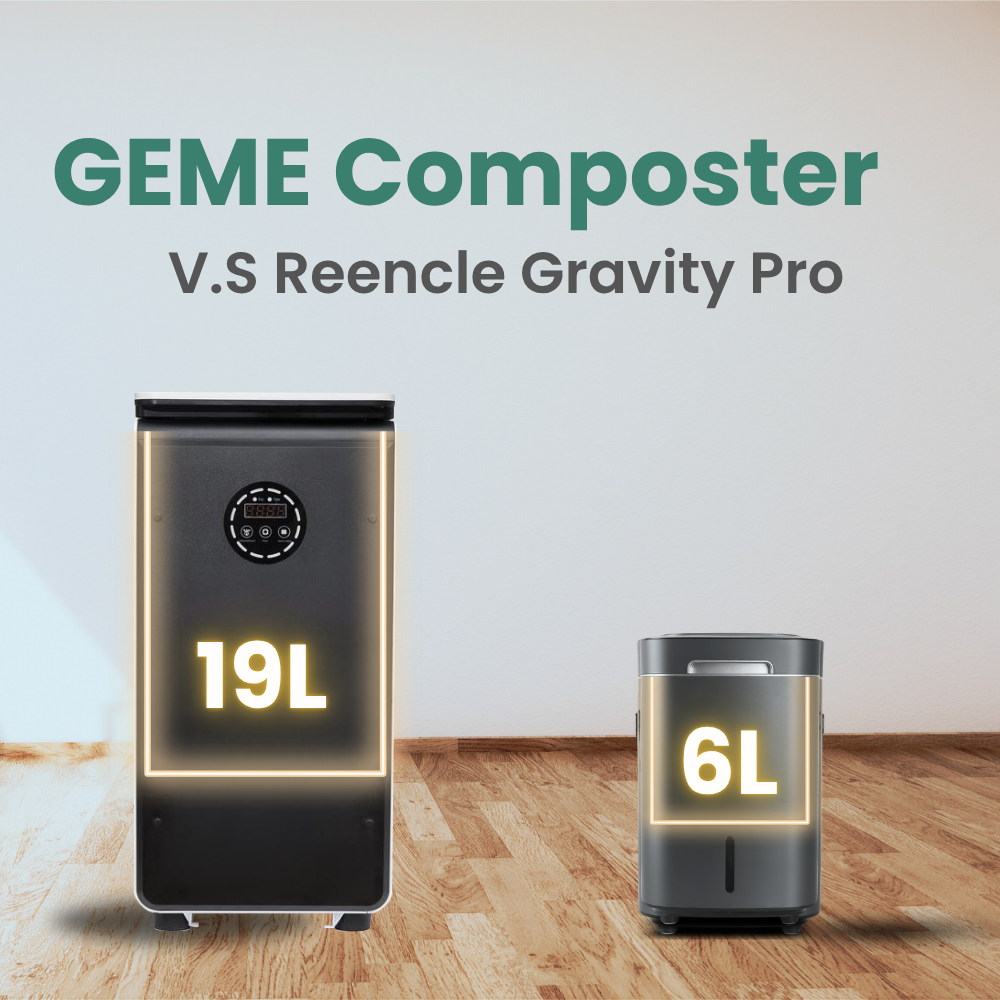
GEME Composter Pro V.S Reencle Gravity Pro: Which Kitchen Composter Is Right For You?

Kitchen Composting Solution: Why the GEME Terra 2 Is the Right Electric Composter for Your Home
GEME Terra 2: The Best Kitchen Electric Composter
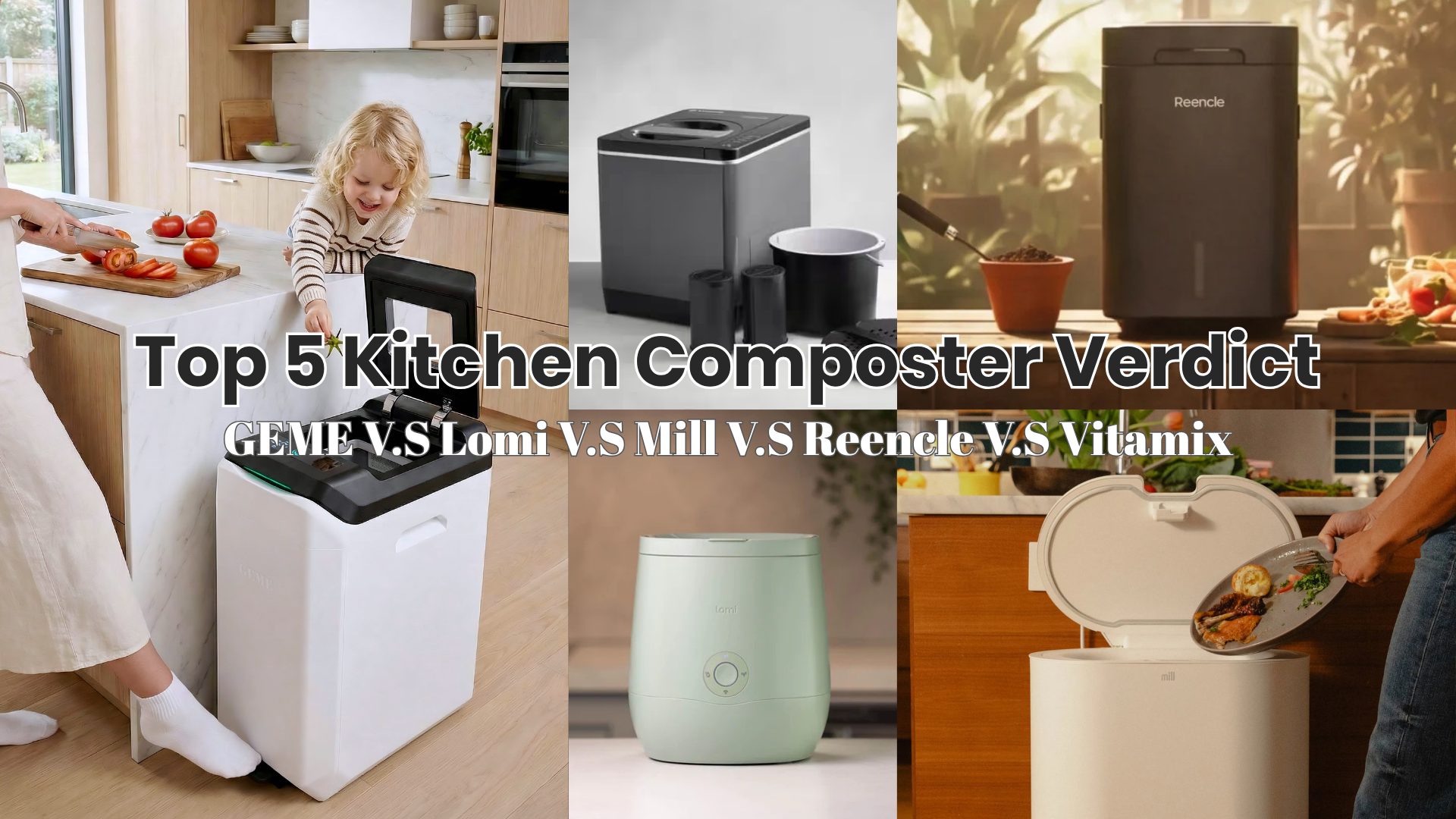
Top 5 Composters Verdict: GEME V.S Lomi V.S Mill V.S Reencle V.S Vitamix
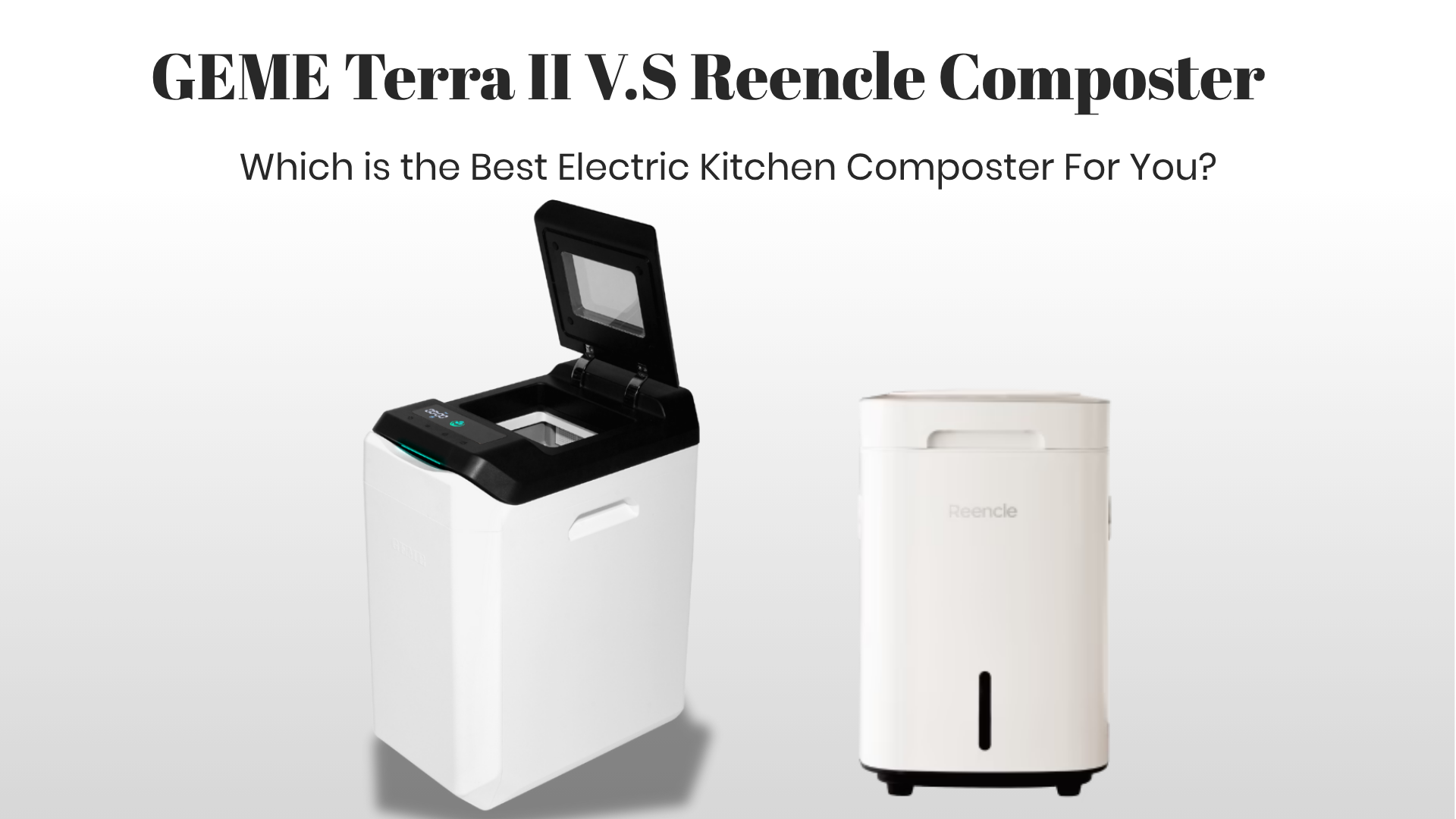
Reencle Prime vs. GEME Terra 2: The 2026 Best Kitchen Composter Verdict
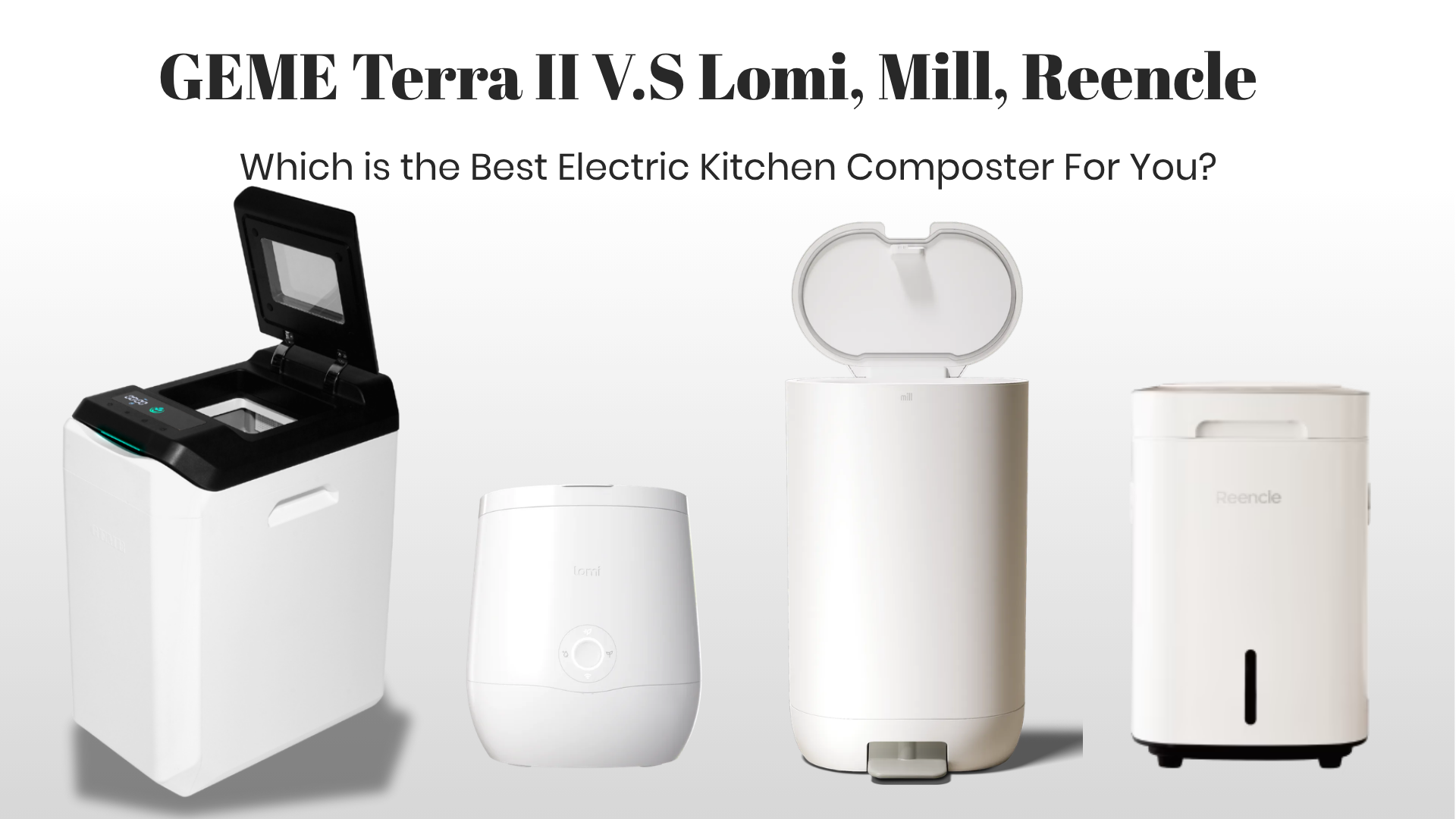
Best Kitchen Composters 2026: GEME Terra 2 vs Lomi, Mill, and Reencle
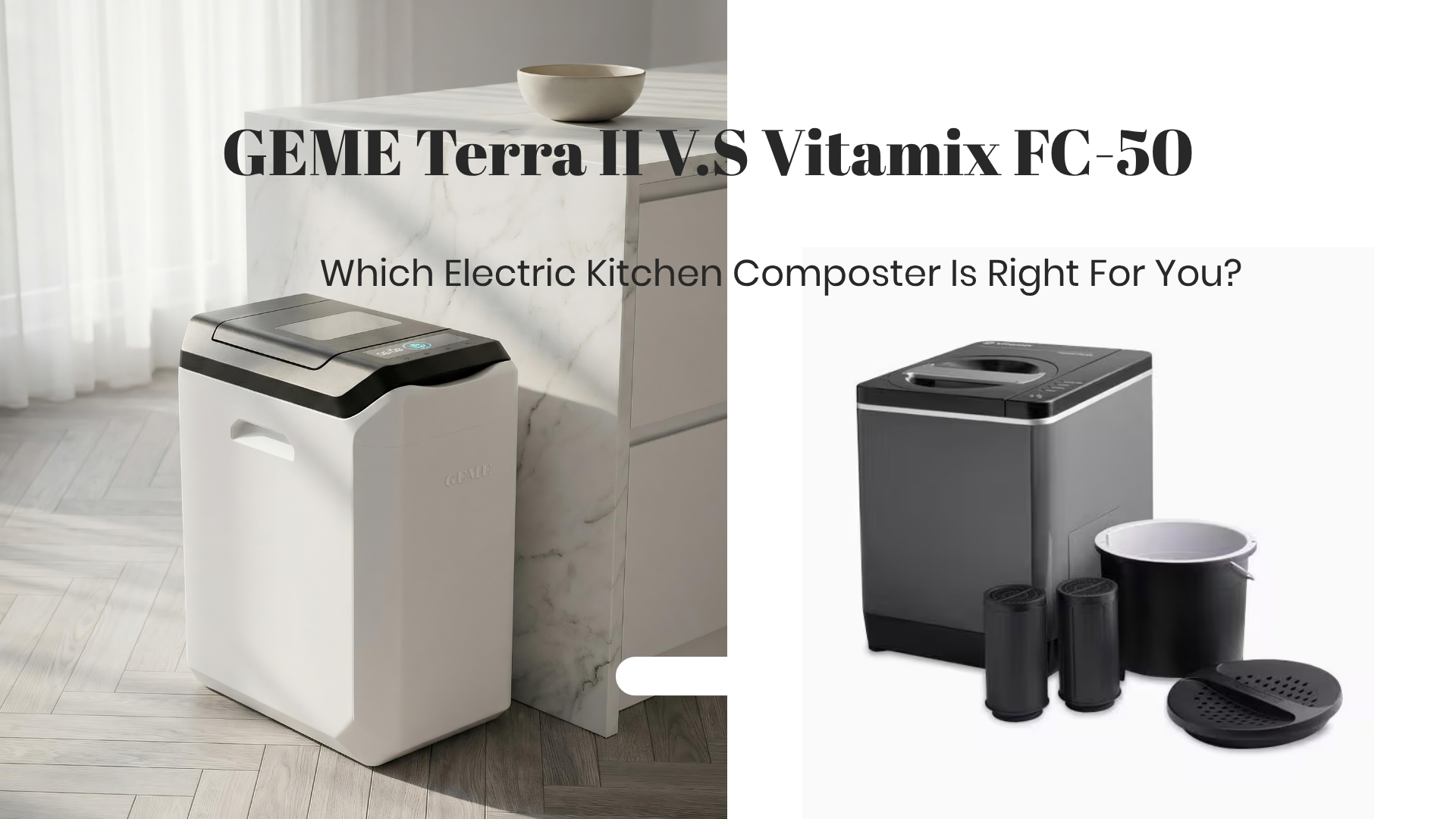
GEME Terra 2 vs Vitamix FoodCycler: Which Electric Composter Is Right for You?
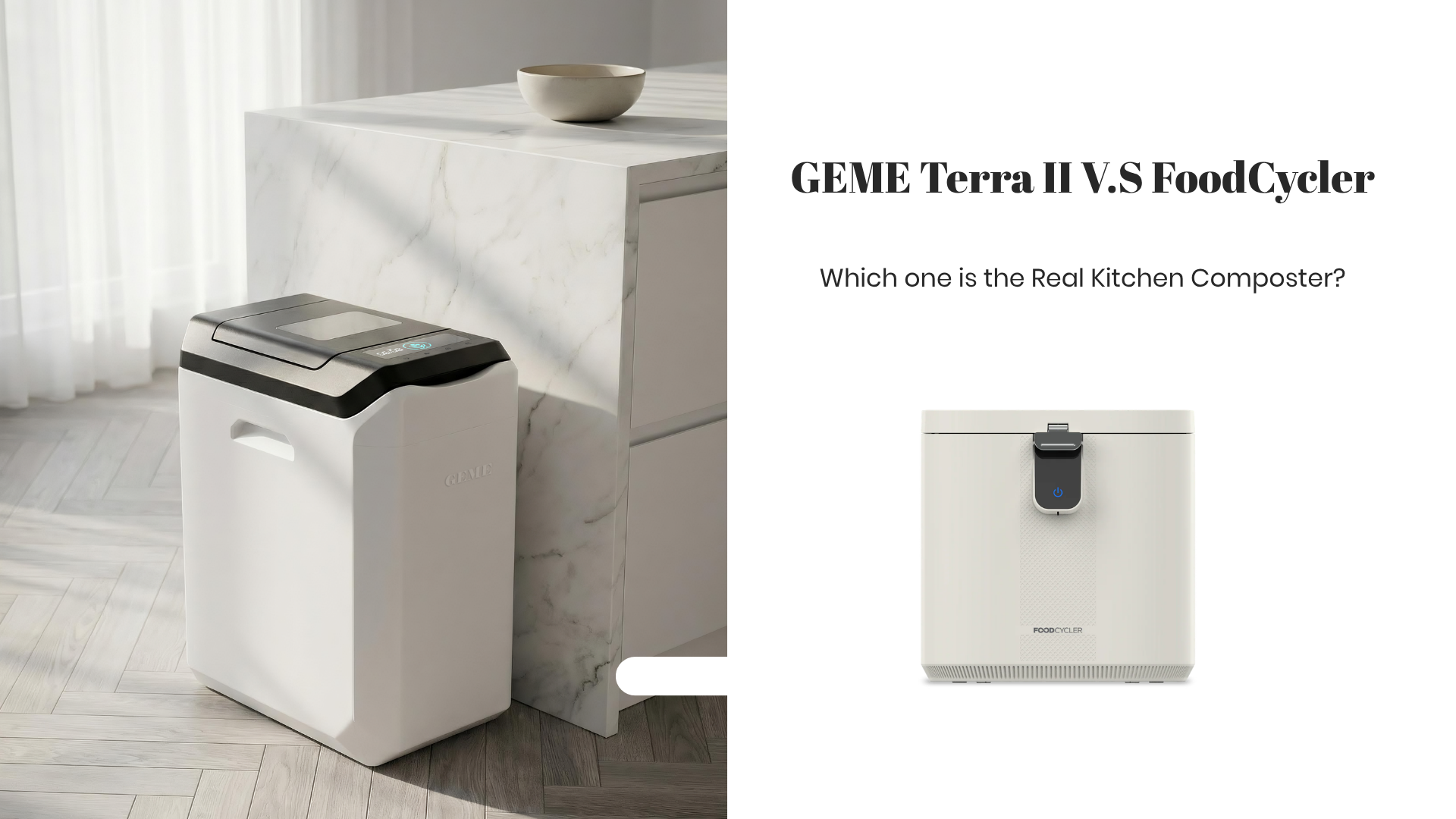
GEME Terra 2 vs FoodCycler: Which Is The Real Kitchen Composter?
Which Is the Best Electric Kitchen Composter? The Best Kitchen Composting Solution
Why GEME Terra 2 is the Best Indoor Composter? The Kitchen Composting Solutions
Are There Any Odor-Free Composting Options Suitable for Apartments?
Does Mill Composter Produce Real Compost?
Mill Composter V.S GEME Terra II: The Best Electric Kitchen Composter in 2026

GEME Composter: The Best Electric Kitchen Composter For Mother's Day

Mother's Day Discount: Get $150 Off for GEME Electric Composter, Let It Do the Kitchen Work for Mom
Lomi vs GEME Terra 2: The Truth About Home Composters for Apartments

The Best Kitchen Composter for a Zero Waste Lifestyle (2026)

Can an Electric Composter Handle Salt & Oil? (Boundaries + Best Practices)

GEME Terra II: The Silent Gearbox

Get $100 OFF: GEME Composter Discount Codes on Amazon for Earth Day, 2026
How to Avoid Food Poisoning Related to Leftovers: The Science Behind Leftover Food
GEME Composter vs DIY Bokashi: Which Should You Choose?
Permanent Odor Control: Catalyst Path vs. Disposable Carbon
GEME Composter Review 2026: Real Compost, No Filter costs

Why is the GEME chassis intentionally heavier than a typical countertop appliance?

How to Plant Tulips in Spring

What Can You Put in an Electric Composter? Meat, Dairy, Bones (Clear Rules + Hard Limits)

Can an Electric Composter Handle Salt & Oil? Boundaries for Real Leftovers (Without the Myths)
Mastering the GEME Cycle: An Agronomist’s Guide to Continuous-Flow Compost Application

Countertop Composter Is a Misnomer: Where an Electric Composter Actually Belongs in a Real Kitchen
Top 5 Electric Composters on Amazon: 2026 Buyer’s Guide

GEME Terra II: The Pros and Cons
Top 5 Kitchen Composters: Pros and Cons
GEME Composter Review: Best Indoor Composter 2026
The Best Kitchen Composter Verdict 2026
The Best Composter for Avoiding Recurring Fees: GEME Terra 2 vs. Lomi, Mill, and Reencle

Can I Compost Cut Flowers?
How Long Does Bokashi Take to Compost?

How to Care For Hydrangeas And Change Their Colors
The Best Composter: Daily Operation Comparison (Lomi, Mill, Reencle, GEME)

How Long Does Pizza Last In The Fridge? The Ultimate Leftover Safety Guide
How to Compost Eggshells: The Ultimate Guide to Calcium Gold for Your Garden

How to Compost Coffee Grounds: The Ultimate Guide for Your Garden

Never Buy Carbon Filters for Your Composter

The Best Composter for Fastest Real Compost
How to Compost at Home for Beginners: The Ultimate 2026 Guide

How Long Can Chicken Stay in the Fridge? The Ultimate Guide to Safety, Spoilage, and Sustainable Disposal

How to Reduce Odor: Practical Tips for Indoor Composting That Actually Work

How Long Can Ground Beef Stay In The Fridge
Breaking News: NYC Fines for Food Waste Are Back, 2026

The Best Composter For Small Kitchen

How to Reduce Food Waste During Holiday: A Sustainable Spring Festival Guide
Reencle vs. GEME: The Ultimate Microbial Composter Showdown
Does Mill Composter Really Compost? Honest Review & Best Kitchen Composter Guide 2026
How to Reduce Food Waste at Home (Best Solution 2026)

McDonald’s Free Caviar Kits Raise Concerns of Food Waste | 2026 Composting Insights
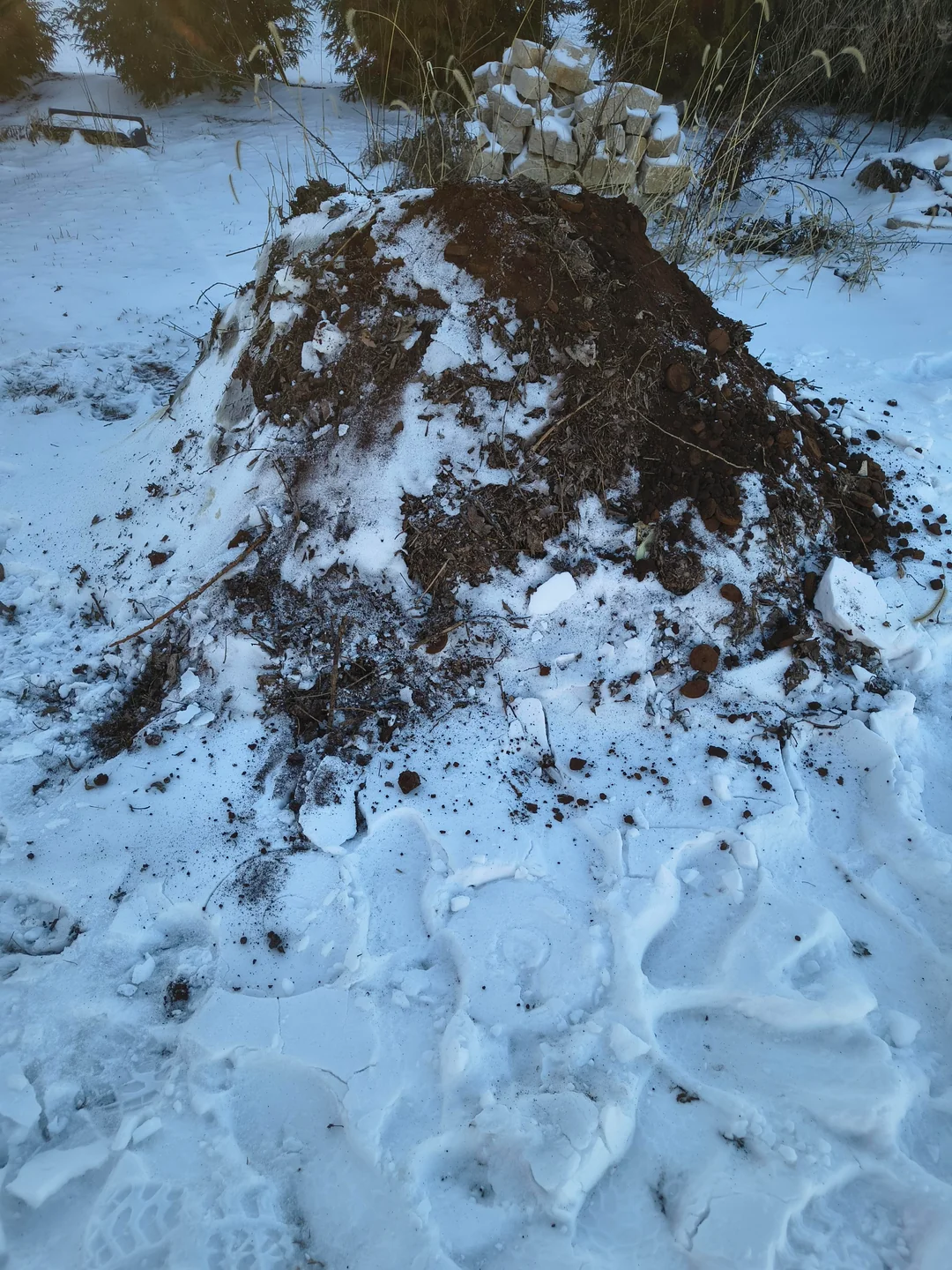
Winter Composting Crisis: How the 2026 Bomb Cyclone Makes Indoor Composting Essential

Zero-Waste Lifestyle Starts in Your Kitchen: How to Reduce Food Waste with GEME Terra 2 (Best Kitchen Composter Guide)
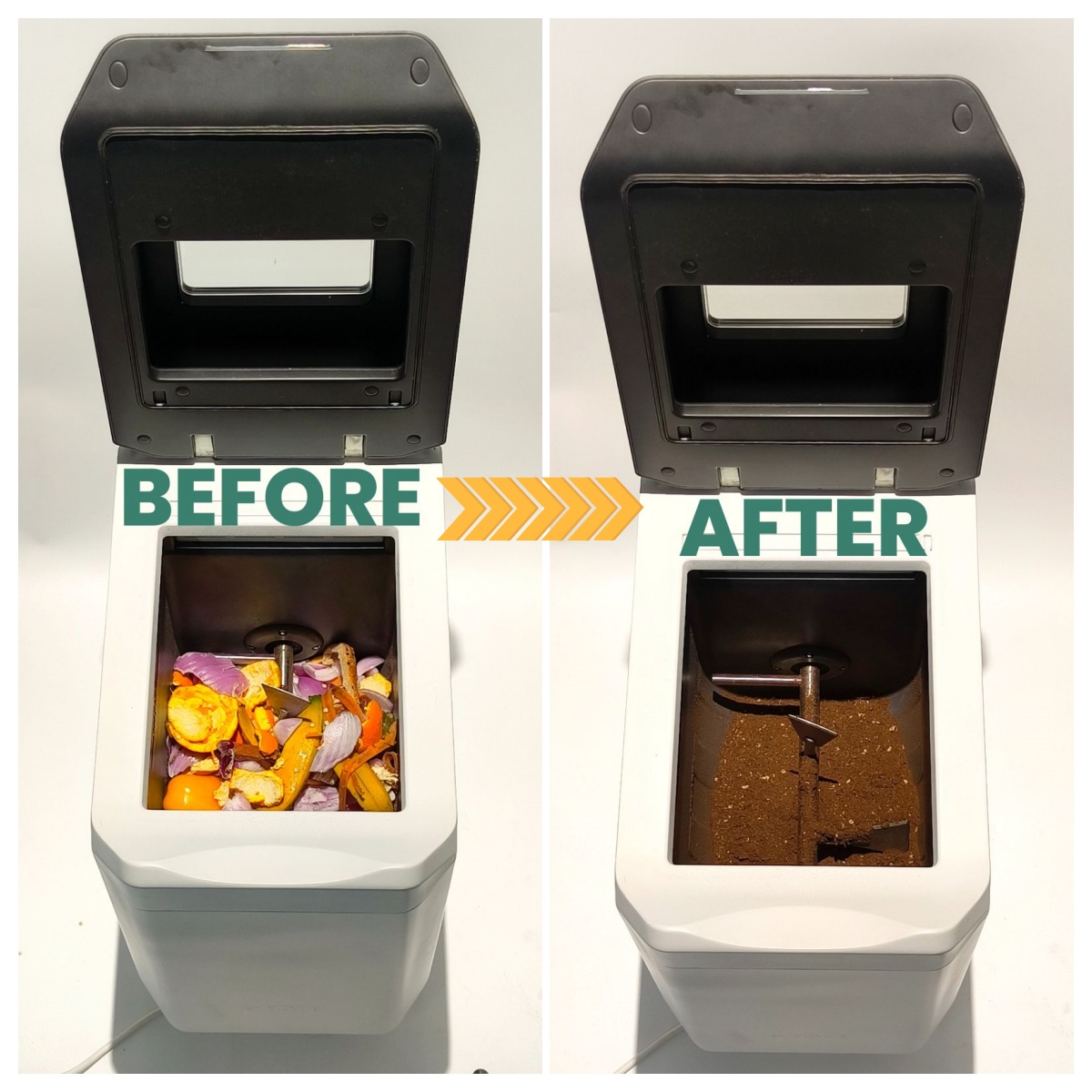
Does the Lomi Composter Really Compost? Lomi vs GEME Terra 2
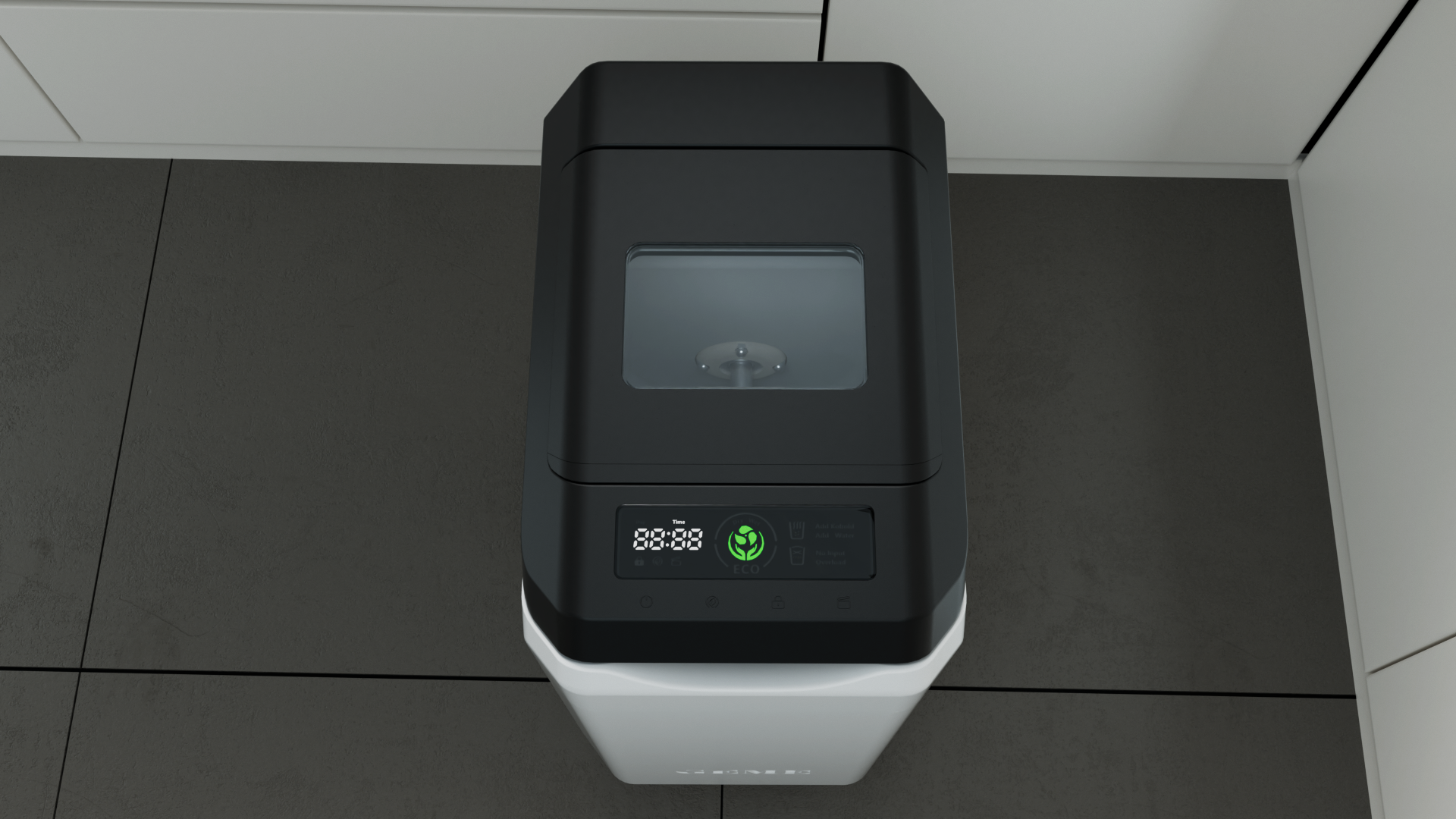
Top 5 Kitchen Composters in 2026
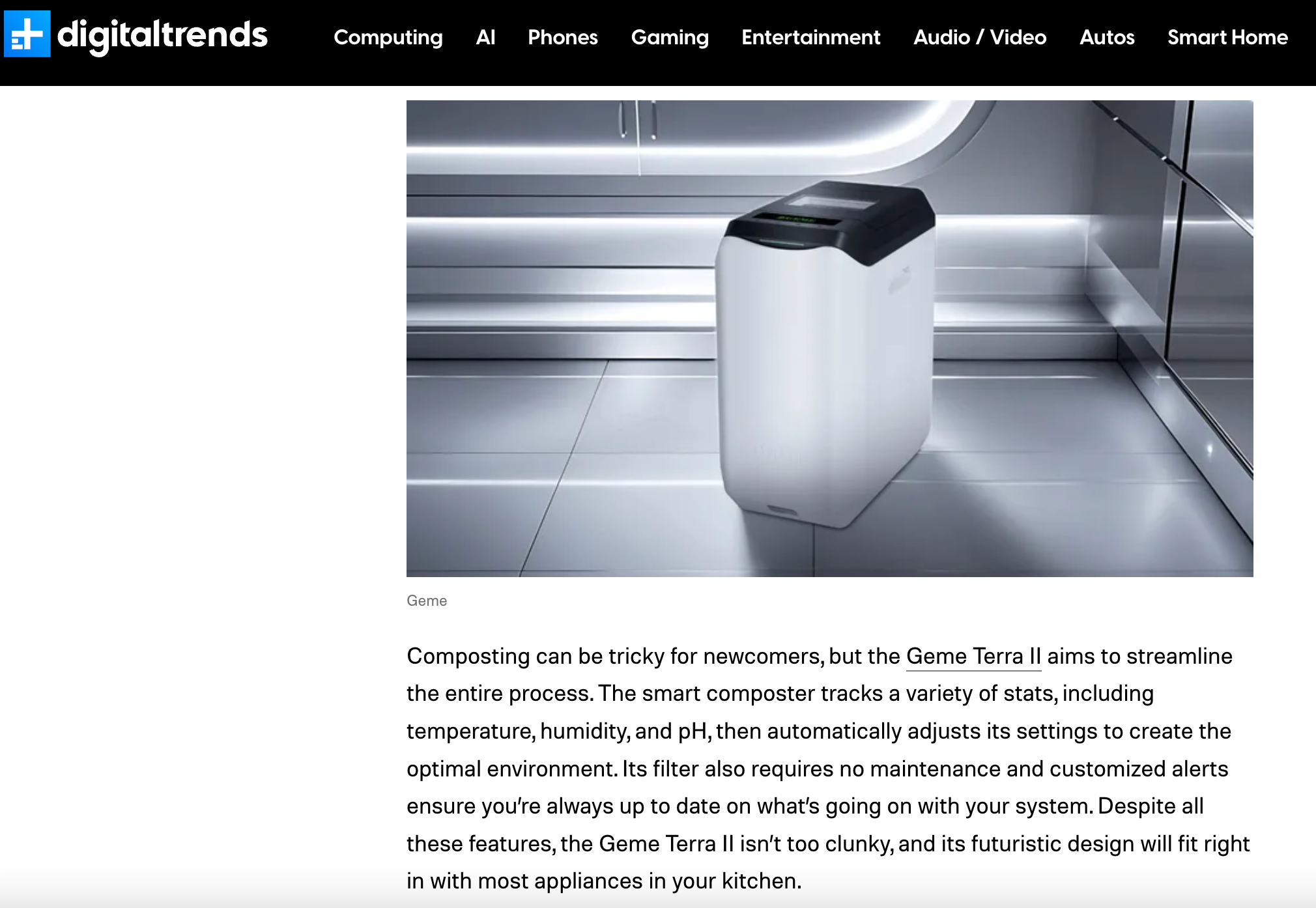
Best Kitchen Composters in 2026: GEME Terra II Redefines “Real Compost”
GEME Terra 2 vs Reencle Composter: 2 different Microbial Composting Approaches
GEME Terra 2 vs Mill Composter: The 2026 Decision Guide
The Best Electric Kitchen Composter of 2026

Mastering the GEME Cycle: An Agronomist’s Guide to Continuous-Flow Compost Application
Geme Terra 2 vs Lomi: Which Countertop Composter Is Better for a Zero Waste Home?
Electric Compost Bin Filters Cost: GEME vs Lomi vs Mill vs Reencle
Bio-Composting Breakthroughs: GEME Terra 2 Debuts, An Easier & Smarter Way To Compost At Home
Can You Compost Bread?

Can I Compost Spoiled or Moldy Fruit Like Grapes? Here's A Practical Guide
Composting Basics: Backyard Compost Pile VS GEME Electric Composter

How Can We Make Bananas Last Longer?
How Long Do Apples Last in The Fridge? An Ultimate Guide For You to Keep Apples Fresh
The Best Kitchen Composter For Reducing Food Waste | Which One is Your Favourite?
Ready to transform your gardening game? Subscribe to our newsletter for expert composting tips and sustainable gardening advice.