McDonald’s Free Caviar Kits Raise Concerns of Food Waste | 2026 Composting Insights

So, McDonald's is giving away fancy caviar kits for Valentine's Day. Yes, you read that right. For a limited time, you can snag a kit pairing their iconic Chicken McNuggets with a tin of premium Baerii Sturgeon caviar from Paramount Caviar. It’s a clever, buzz-worthy stunt that perfectly captures our love for “affordable luxury” and shareable moments.
But once the last salty pearl is scooped and the social media buzz fades, most of us are left with the same old reality in our kitchens: a small bin full of food scraps. This fun promotion inadvertently shines a light on a much more persistent, less glamorous part of our daily lives: food waste.
While McDonald's creates a limited-time experience, the challenge of dealing with organic waste is a 24/7 operation—for corporations and for our households. Let's talk about what happens to all that waste and how the solution might be closer than you think.

The Other Side of the Coin: How Big Business Manages Food Waste
Before we look in our own trash bins, it’s useful to see how a giant like McDonald's approaches this problem on a global scale. The goal is to minimize waste from the start. McDonald's has reported wasting "less than 1% of its edible food stock".
How do they aim for this? Their framework is actually adapted from a widely respected source: the U.S. Environmental Protection Agency's (EPA) Food Recovery Hierarchy. This is a prioritized guide for managing food waste, and it’s a great model for anyone to understand.

The EPA's hierarchy lists the most-to-least preferred actions:
- Source Reduction: Don't create waste in the first place. For a restaurant, this means precise supply chains and production.
- Donation: Give extra, safe food to people in need.
- Animal Feed: Divert suitable scraps to feed animals.
- Industrial Uses: This includes composting and anaerobic digestion, which create energy or soil products.
- Landfill/Incineration: The last resort.
McDonald's applies this by first trying to reduce overproduction, then donating ingredients (like during the COVID-19 pandemic, when they donated $12 million in food). For waste that can't be avoided or donated, they look to options like composting.
For you and me at home, this hierarchy is just as relevant. Donating homemade food is tricky, and we don’t have pigs to feed. Often, our only convenient option feels like the bottom of the pyramid: the trash can, headed for the landfill. This is where the core of the problem lies for households.
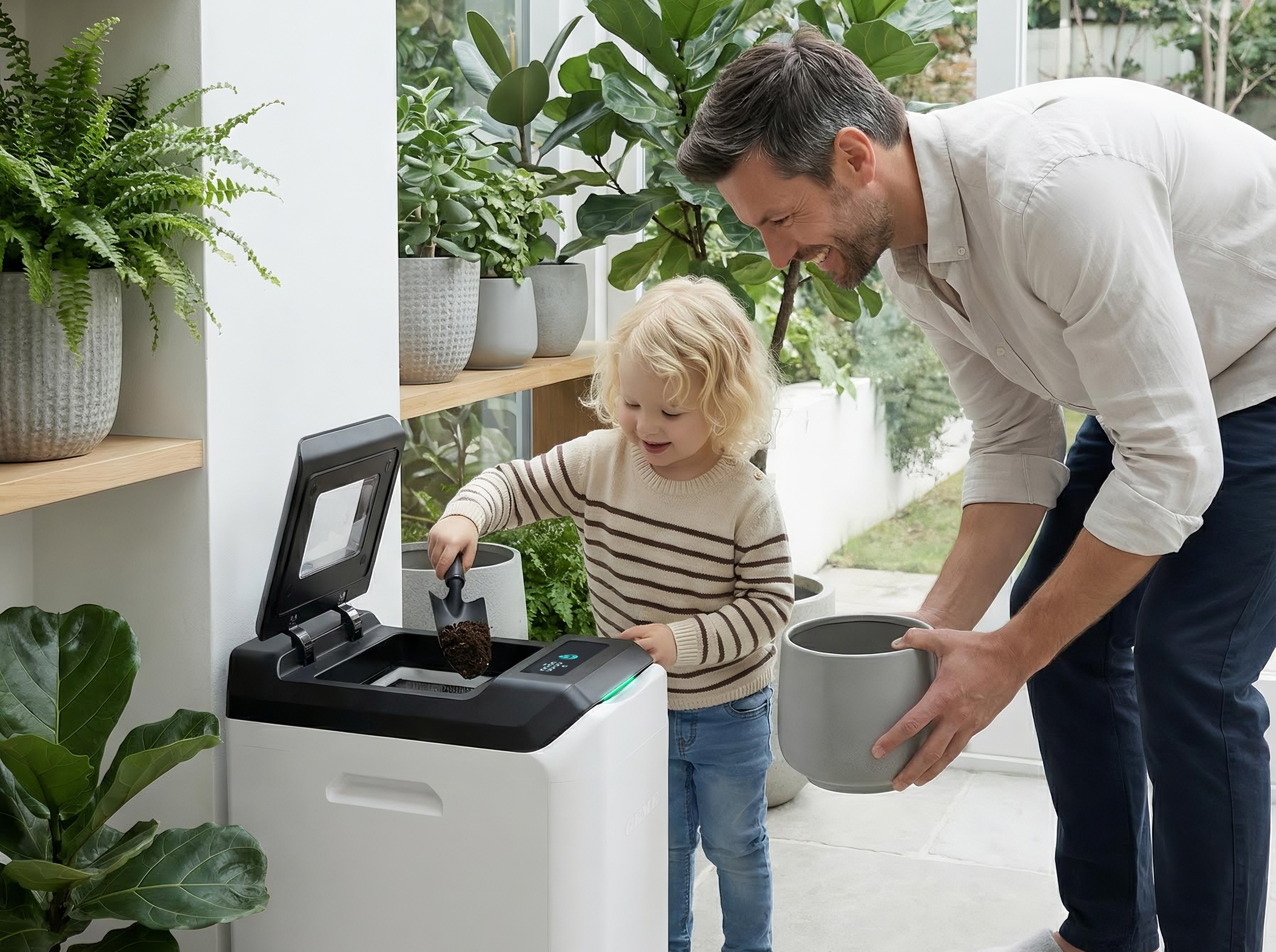
GEME Terra II: Best Kitchen Composter
✅ Best Composter to Breaks Down Food Waste
✅ Quiet, Odour-Free, Real Compost
✅ Zero Filter Costs, No Refills
✅ Reduce Landfill Waste & Greenhouse Gases
The Home Kitchen Dilemma: Why Our Food Scraps Are a Problem
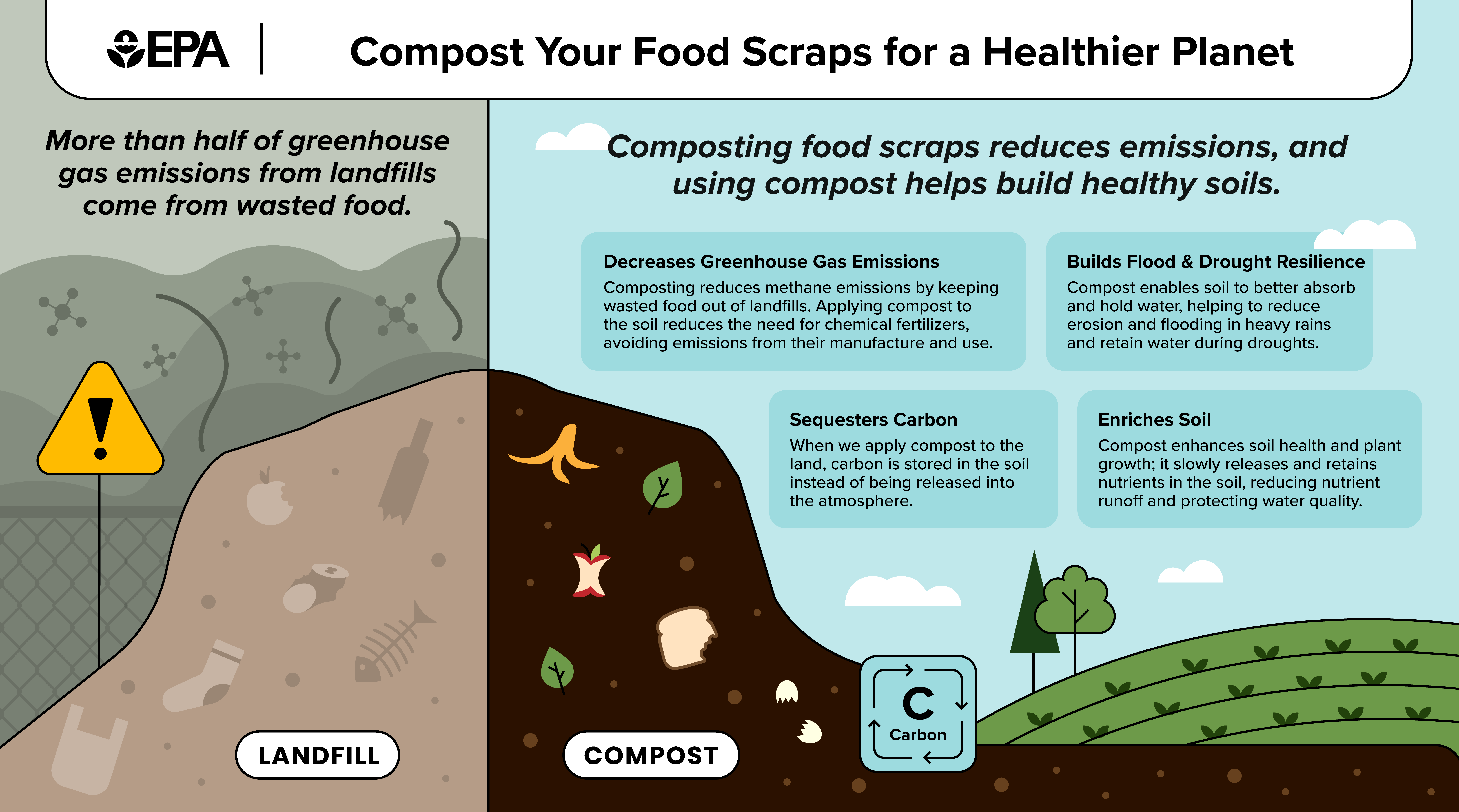
The issue isn't just about being wasteful of money. When food scraps go to a landfill, they decompose without oxygen. This process generates methane, a potent greenhouse gas that is a major contributor to climate change.
The scale is enormous. In the United States, billions of pounds of food go uneaten each year. While big companies have systems to manage their waste, our household scraps are fragmented across millions of homes, making them harder to tackle collectively.
Many environmentally conscious people try backyard composting. It's a fantastic solution—if you have the space, the time, and the patience. It requires a balance of materials, regular turning, and can take months. For apartment dwellers or those with small yards, it's often not a practical option. This gap between good intention and convenient action is where technology is starting to step in.
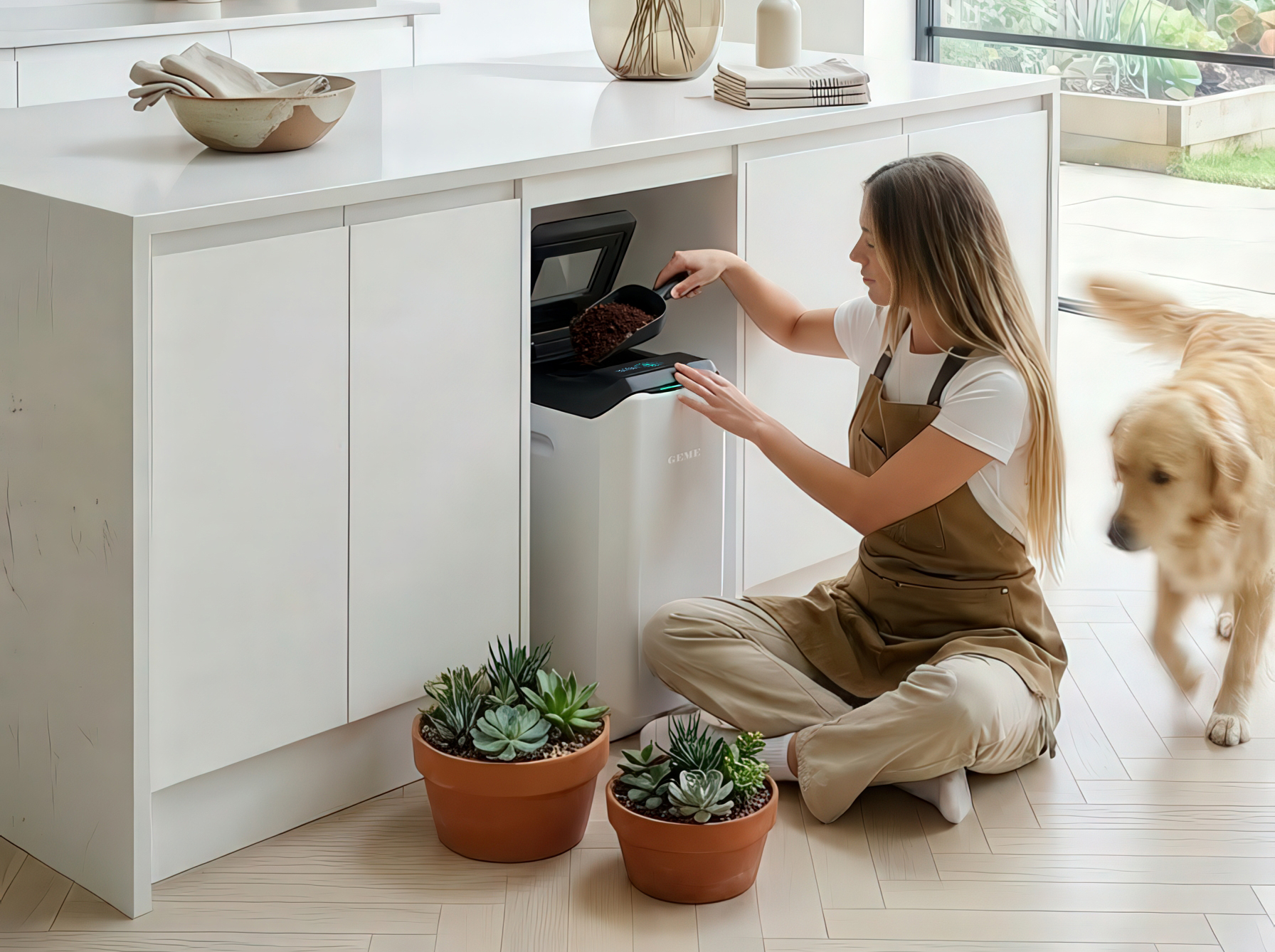
The Rise of the "Kitchen Composter": A Solution or a Shortcut?
Enter the new category of electric kitchen composters. Promising to eliminate odors and turn scraps into "dirt" overnight, they seem like a dream for the urban eco-warrior. However, there's a crucial catch that many buyers discover too late.
They use high heat to dry out and chop up your food waste. The output is a preserved, shelf-stable material that has not undergone true biological decomposition. As one leading brand explicitly states, its output "Food Grounds aren't compost". This material often needs to be mixed into a traditional compost pile or buried in soil to finish breaking down, which defeats the purpose of an "all-in-one" kitchen appliance.
This is the key distinction for anyone wanting to truly close the loop at home:
-
A Dehydrator/Grinder: Preserves and shrinks waste. Output is dry, ground-up food.
-
A True Composter: Uses microbes to biologically break down waste. Output is soil-ready, nutrient-rich compost for plants.
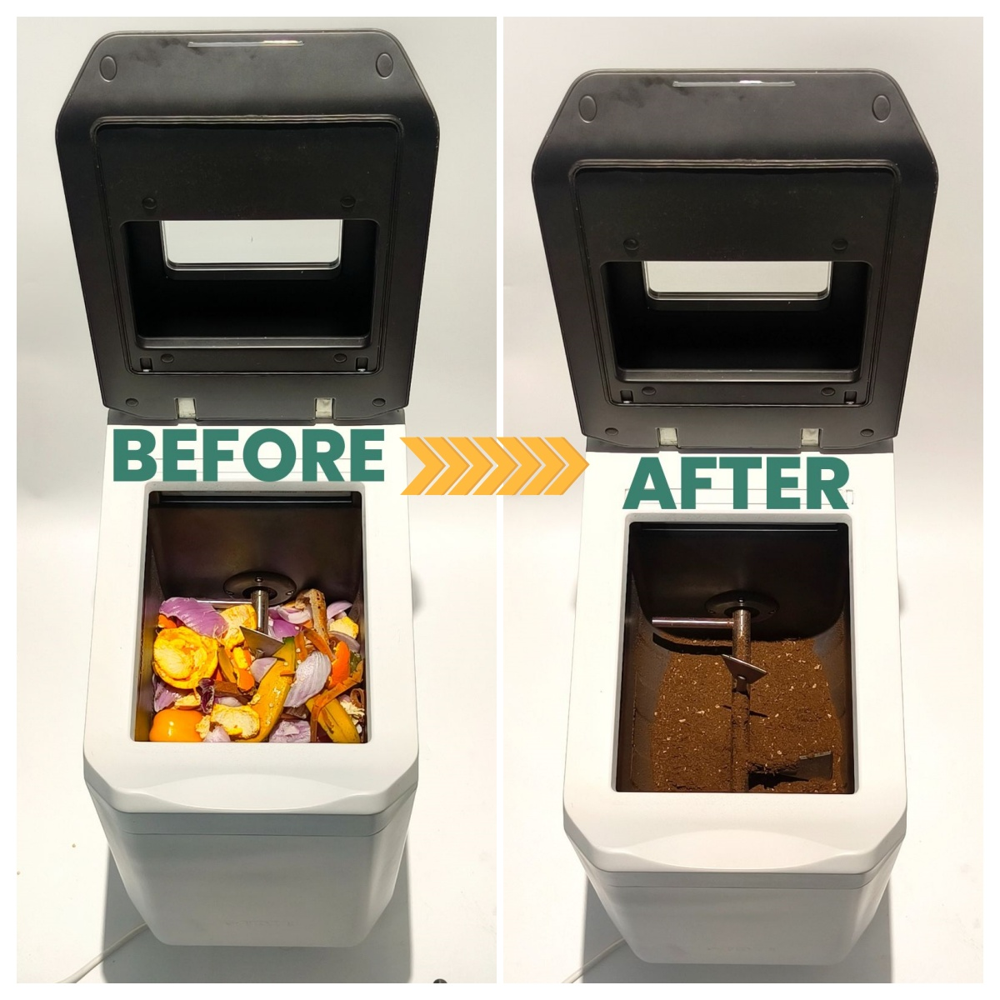
See a detailed comparison between Real Compost & Dehydrated Waste -->
So, is there a device that fits in a kitchen and performs real composting? This is where the innovation gets exciting.
GEME Terra II: Best Kitchen Composter
✅ Best Composter to Reduce Food Waste
✅ Quiet, Odour-Free, Real Compost
✅ Zero Filter Costs, No Refills
✅ Reduce Landfill Waste & Greenhouse Gases
GEME Terra II: The Science of Real Composting, Indoors
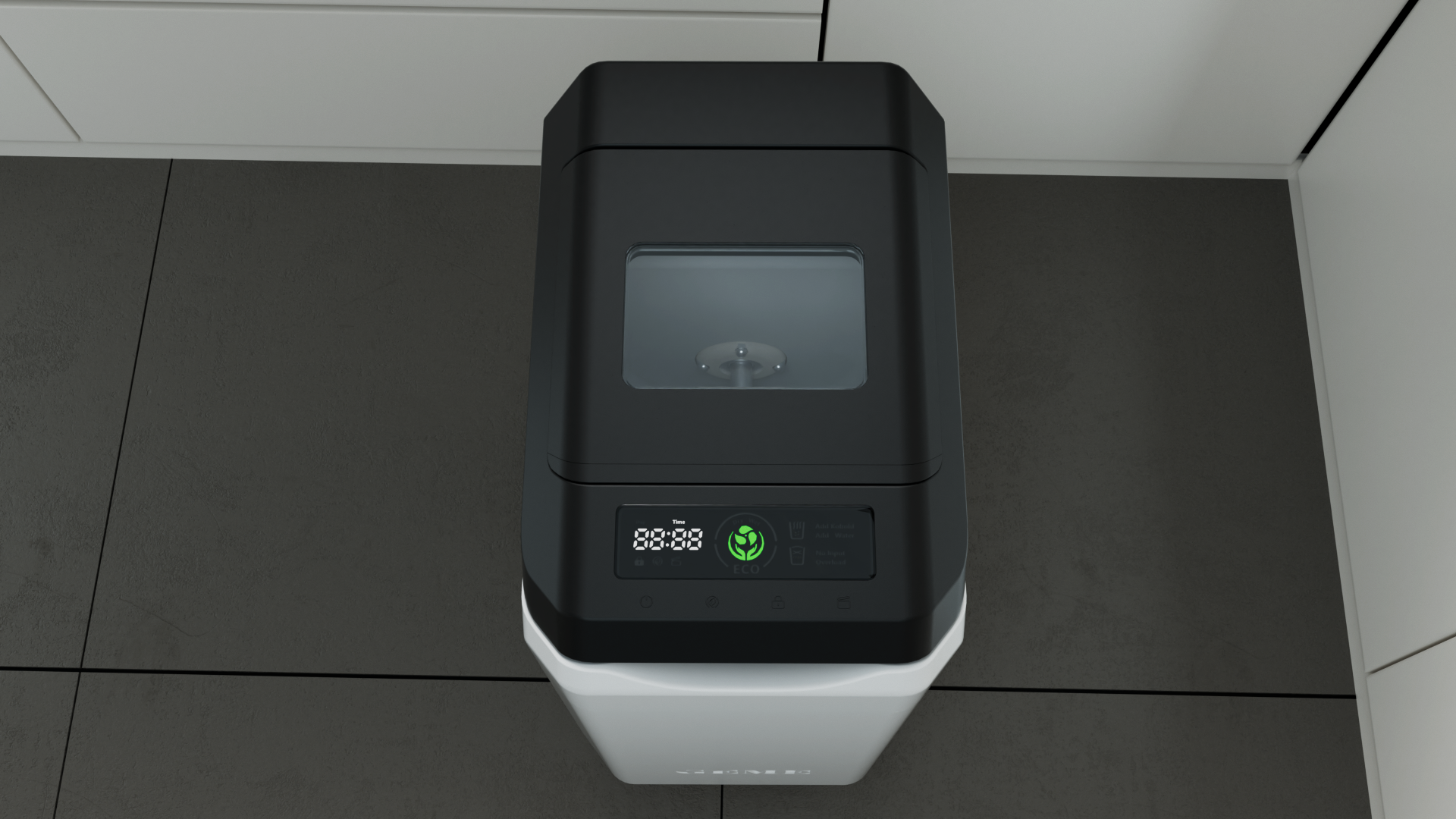
This is where a device like the GEME Terra II stands apart. It’s not a dehydrator; it’s a smart, compact indoor composter that uses a controlled microbial fermentation process.
See how GEME Terra II works -->
Learn more about GEME Kobold and the controlled microbial fermentation -->
Think of it as a miniature, high-tech compost bin optimized for your countertop. It creates the perfect warm, aerated environment for thermophilic (heat-loving) microbes to thrive. These microbes are the real workhorses, digesting your food scraps just like they would in a hot outdoor pile, but much faster.
Here’s a quick comparison of what this means in practice:
| Feature | Typical Kitchen Dehydrator/Grinder | GEME Terra II (True Indoor Composter) |
|---|---|---|
| Core Process | Dries and grinds with heat. | Microbial fermentation & decomposition. |
| Final Output | Dehydrated "food grounds" – not finished compost. | Real, ready-to-use compost rich in microbes. |
| What You Can Add | Often limited to fruit/veg scraps; no meat, dairy, or oils. | Fruit, vegetables, meat, bones, dairy, and more. |
| Soil Benefit | Output must be composted further or used as a soil mix-in. | Compost can be directly added to plants as a soil amendment. |
| Long-term Cost | Often requires recurring filter purchases. | Uses a permanent metal-ion filter; no recurring filter costs. |
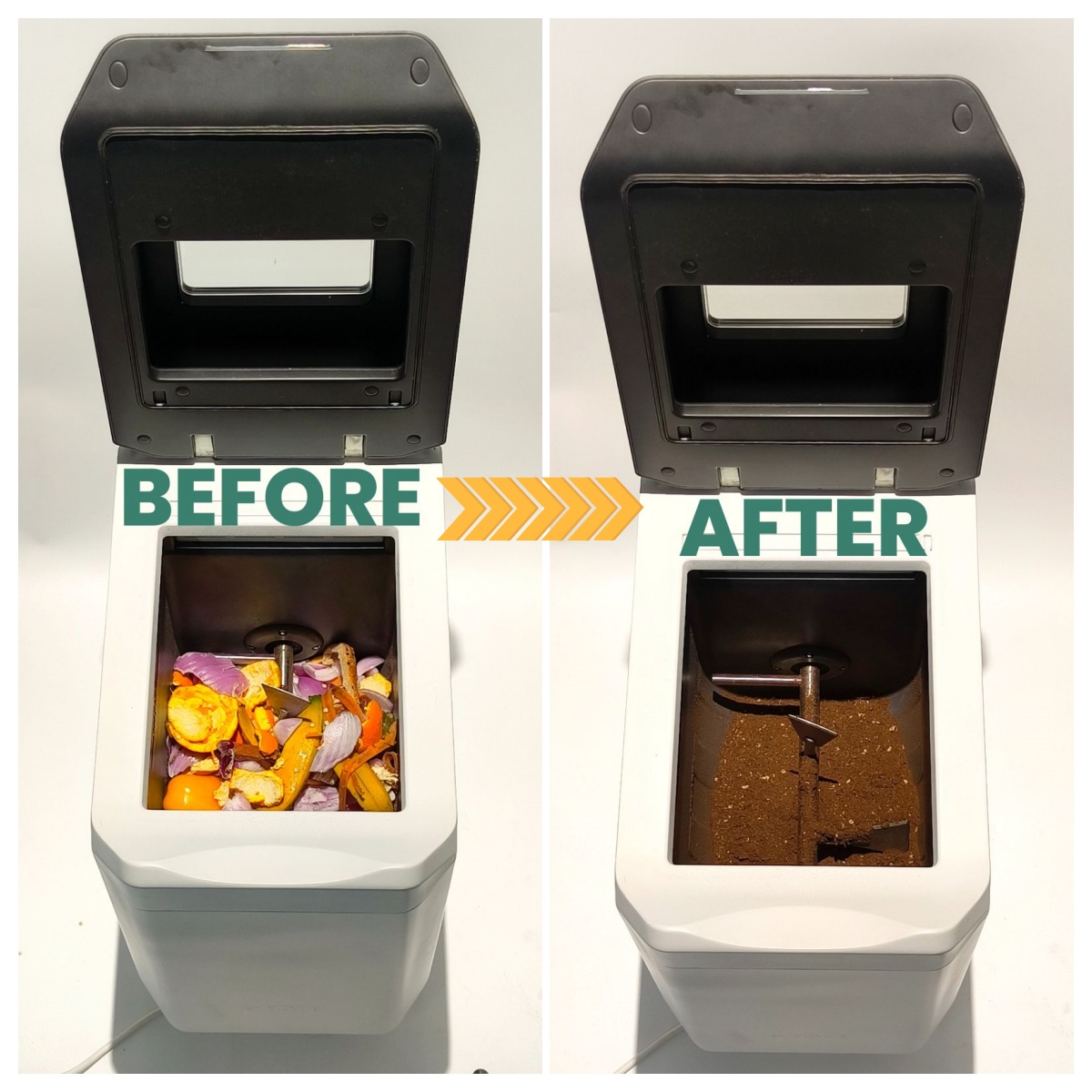
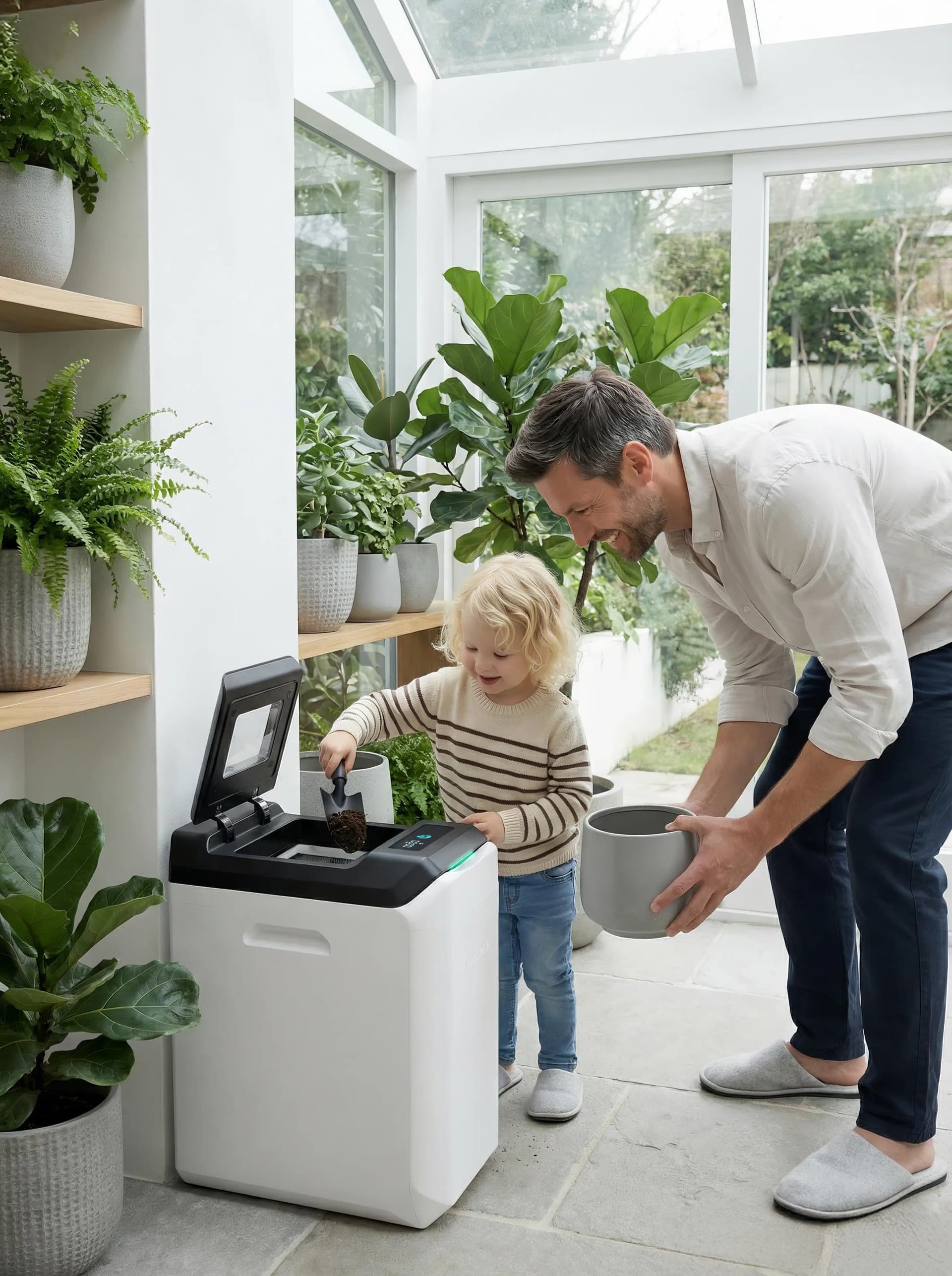
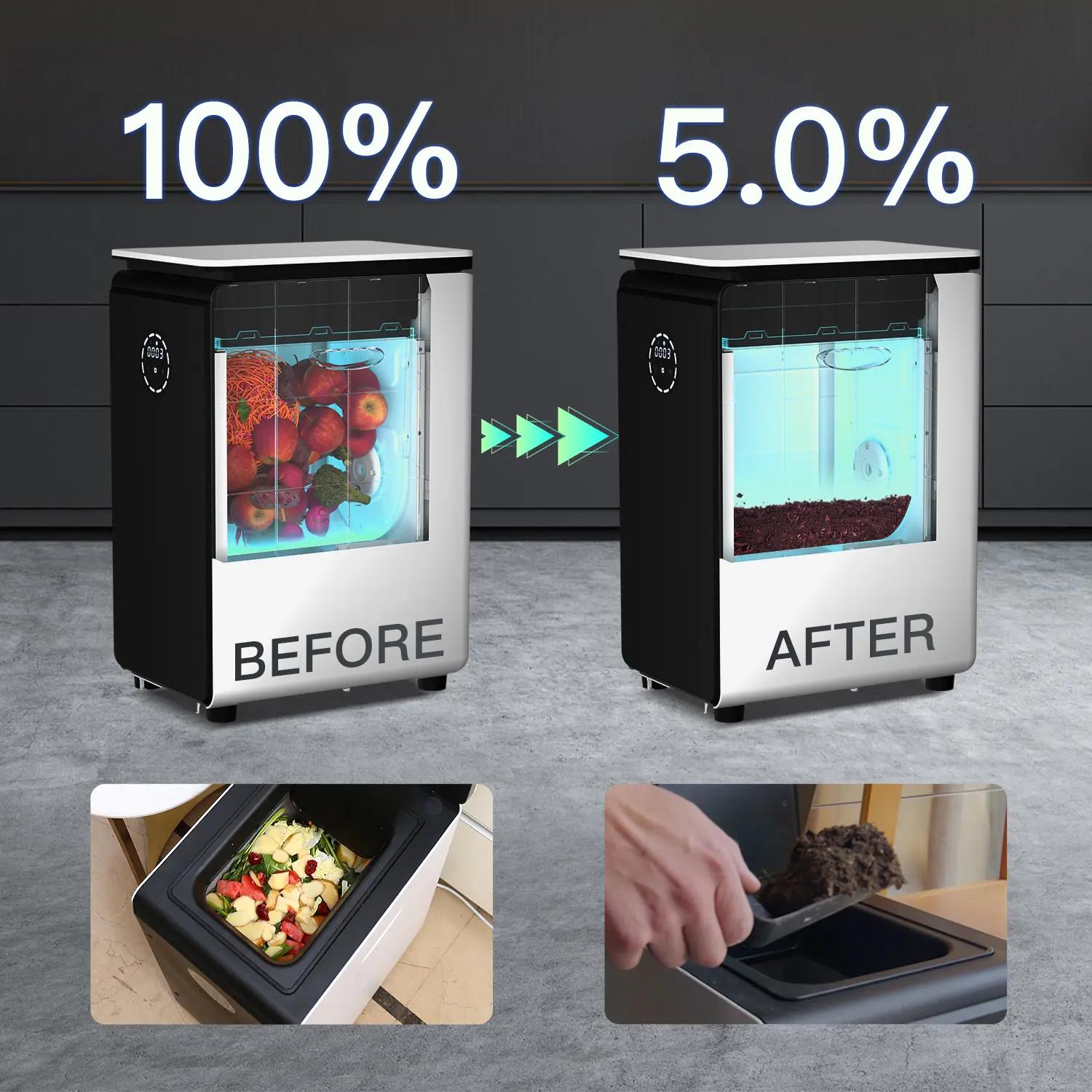
The result? You can add your daily coffee grounds, eggshells, vegetable peels, and even leftover bits of cooked food. In about 6-8 hours, the Terra II transforms it into a small amount of dark, earthy, genuine compost. It reduces waste volume by up to 95%, meaning you only empty the finished compost every month or two. For over 78% of U.S. households (with 3 or fewer people), its capacity is a perfect fit.
GEME Terra II: Best Kitchen Composter
✅ Best Composter to Reduce Food Waste
✅ Quiet, Odour-Free, Real Compost
✅ Zero Filter Costs, No Refills
✅ Reduce Landfill Waste & Greenhouse Gases
From Valentine's Caviar to Everyday Scraps: Closing the Loop at Home
McDonald's Valentine's Day caviar kit is a moment of playful, sustainable indulgence (Paramount Caviar is known for its sustainably sourced product). Their broader corporate work on waste follows the EPA's smart, hierarchical framework.

We can adopt the same thoughtful hierarchy at home. The first step is always to reduce what we buy and waste. For the scraps we can't avoid, true composting at home is the gold standard—it returns nutrients to the earth and keeps organic matter out of methane-producing landfills.
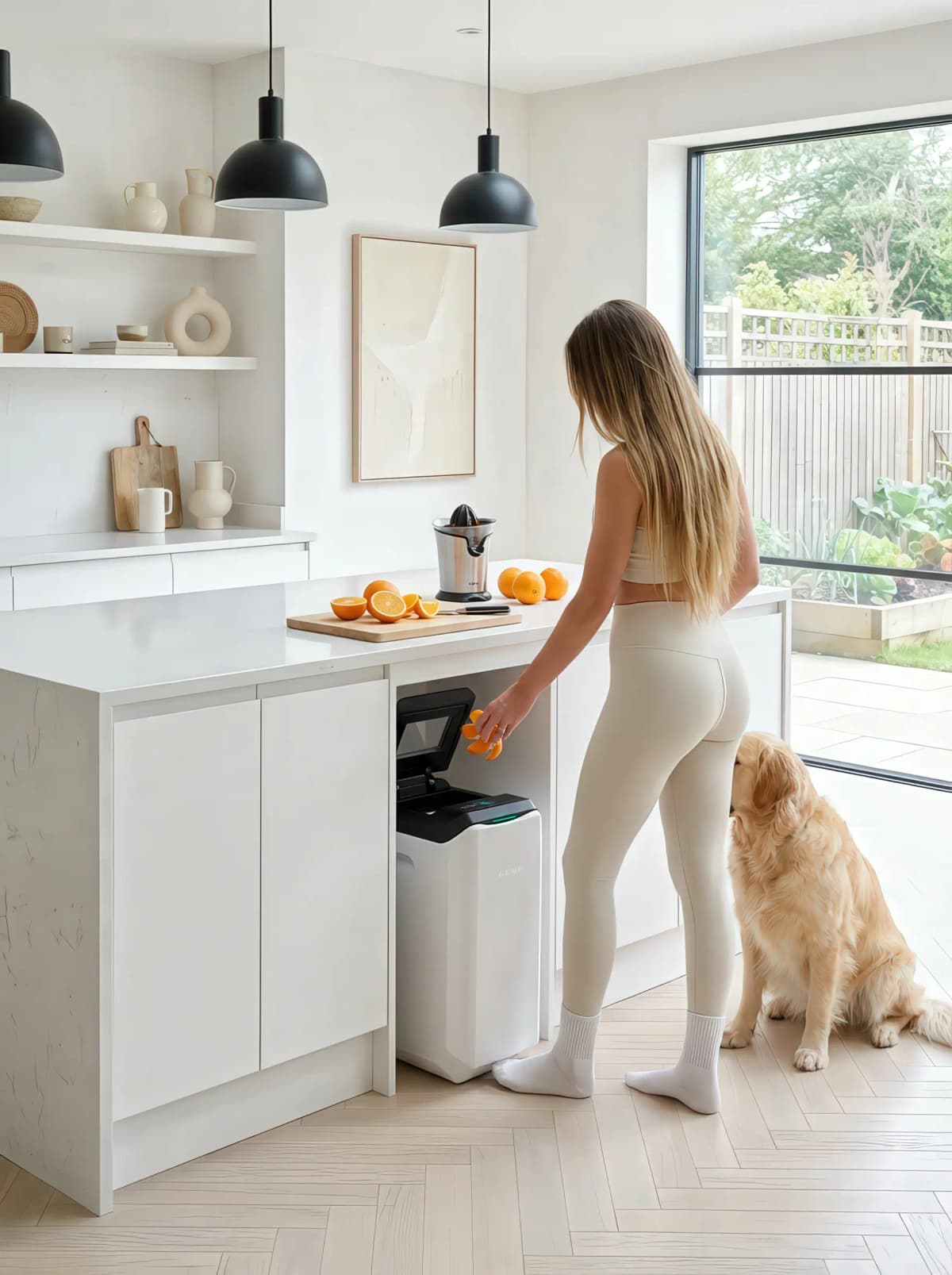
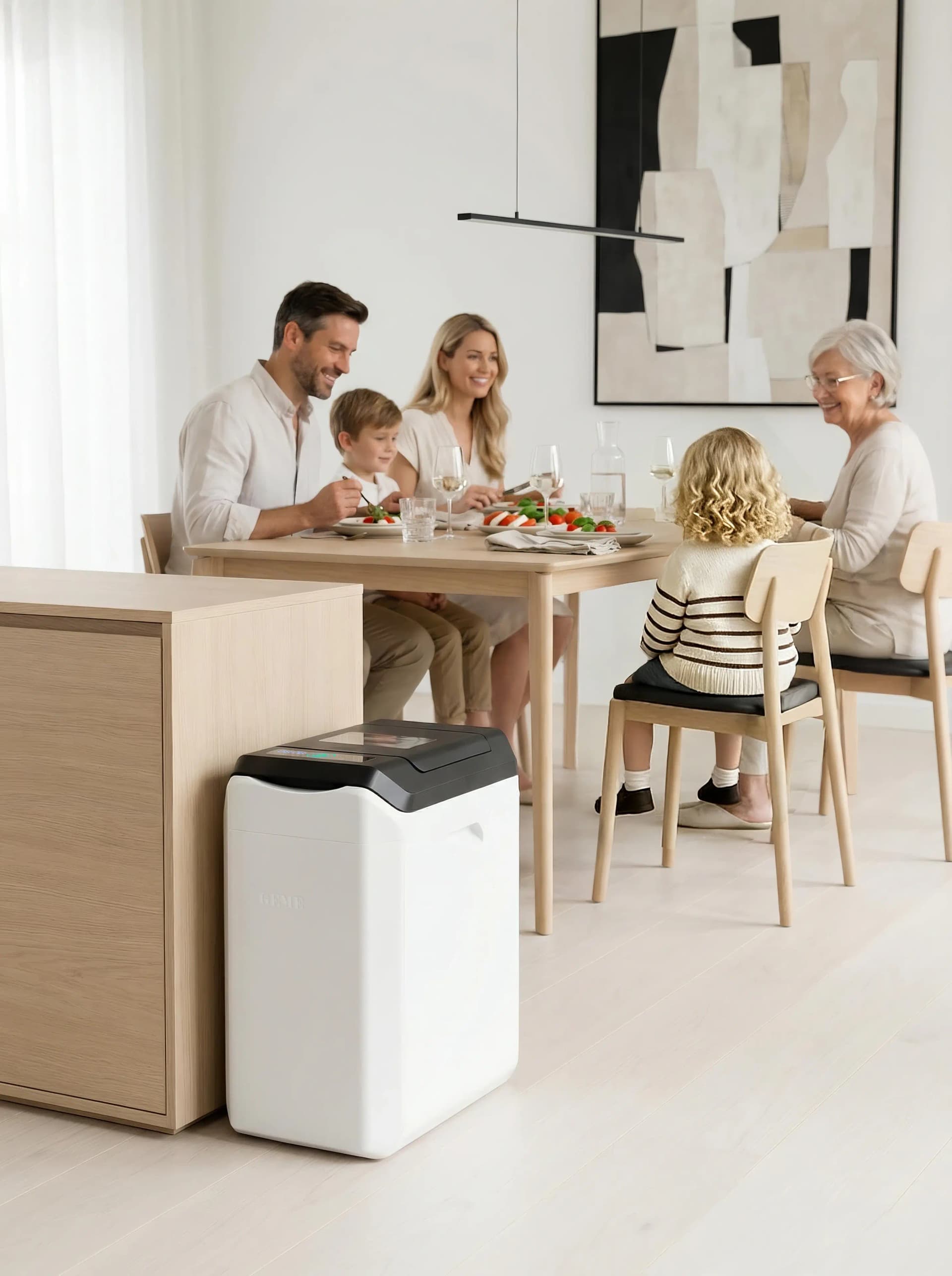
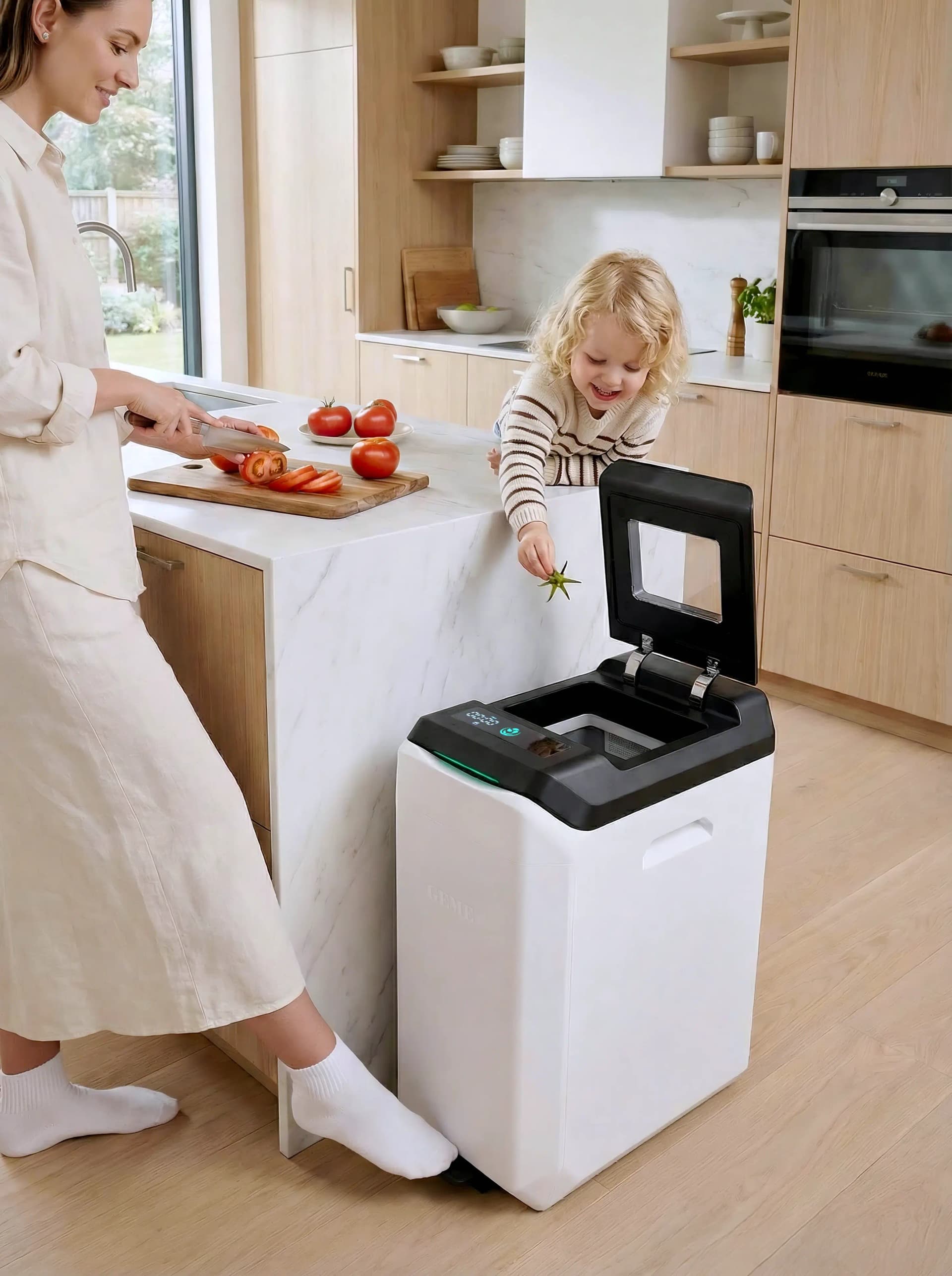
The GEME Terra II indoor composter makes this achievable for modern, space-limited households. It tackles the problem right where it’s created: in your kitchen. It’s not about a one-day luxury treat; it’s about building a daily, impactful habit.
So, after you enjoy that luxurious nugget-and-caviar combo, consider the simpler, ongoing treat you can give your household and the planet: turning every coffee ground and apple core into black gold for your plants. That’s a sustainable love story that lasts all year long.
Want to see how easy it can be to start your own kitchen loop? Explore the technology behind turning scraps into soil with GEME Terra II.
GEME Terra II: Best Kitchen Composter
✅ Best Composter to Reduce Food Waste
✅ Quiet, Odour-Free, Real Compost
✅ Zero Filter Costs, No Refills
✅ Reduce Landfill Waste & Greenhouse Gases
Verified Source Citations
-
McDonald’s Debuts Exclusive McNugget® Caviar Just in Time for Valentine’s Day – at No Cost to Fans
-
McDonald's offers free McNugget caviar kits for Valentine's Day celebration
-
the U.S. Environmental Protection Agency's (EPA) Food Recovery Hierarchy
Related Articles
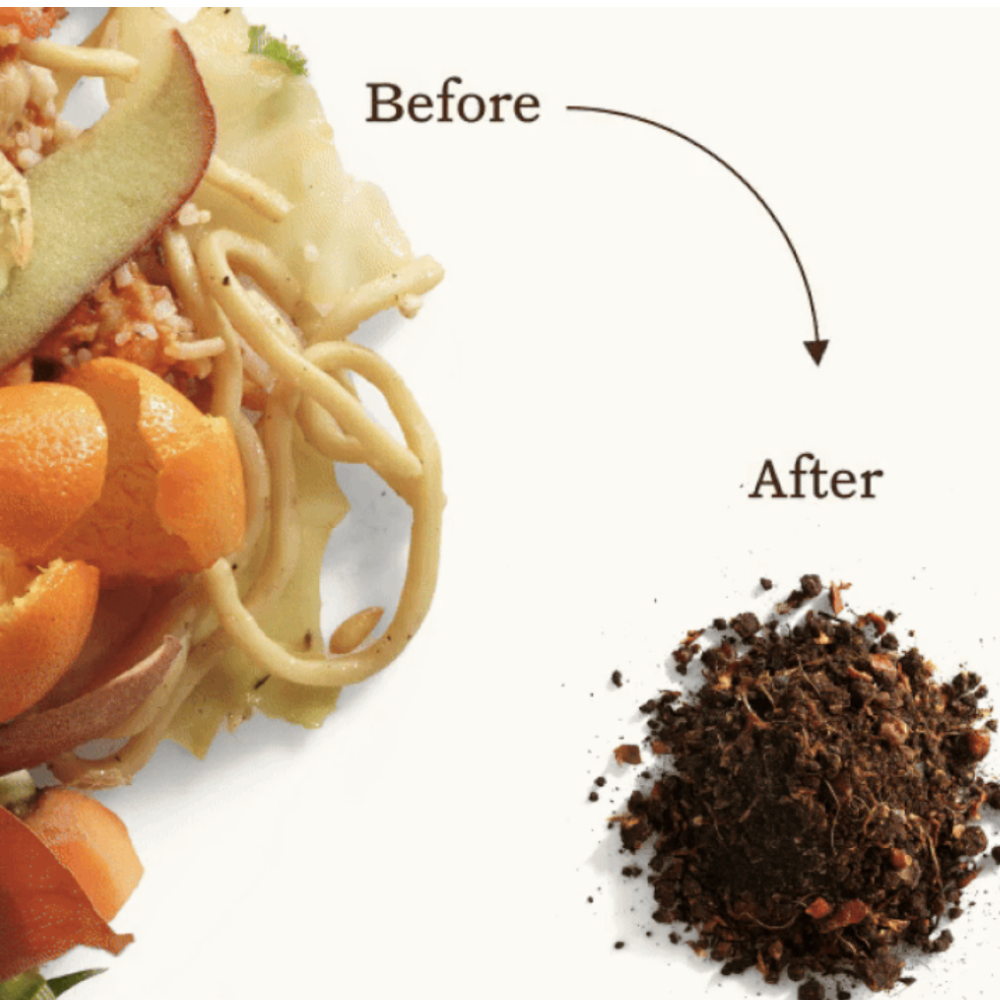
Mastering the GEME Cycle: An Agronomist’s Guide to Continuous-Flow Compost Application

Winter Composting Crisis: How the 2026 Bomb Cyclone Makes Indoor Composting Essential

Zero-Waste Lifestyle Starts in Your Kitchen: How to Reduce Food Waste with GEME Terra 2 (Best Kitchen Composter Guide)
Does the Lomi Composter Really Compost? Lomi vs GEME Terra 2
Top 5 Kitchen Composters in 2026
Best Kitchen Composters in 2026: GEME Terra II Redefines “Real Compost”
GEME Terra 2 vs Reencle Composter: 2 different Microbial Composting Approaches
GEME Terra 2 vs Mill Composter: The 2026 Decision Guide
The Best Electric Kitchen Composter of 2026

Mastering the GEME Cycle: An Agronomist’s Guide to Continuous-Flow Compost Application
Geme Terra 2 vs Lomi: Which Countertop Composter Is Better for a Zero Waste Home?
Electric Compost Bin Filters Cost: GEME vs Lomi vs Mill vs Reencle
Bio-Composting Breakthroughs: GEME Terra 2 Debuts, An Easier & Smarter Way To Compost At Home
Can You Compost Bread?
Can I Compost Spoiled or Moldy Fruit Like Grapes? Here's A Practical Guide
Composting Basics: Backyard Compost Pile VS GEME Electric Composter

How Can We Make Bananas Last Longer?

How Long Do Apples Last in The Fridge? An Ultimate Guide For You to Keep Apples Fresh
The Best Kitchen Composter For Reducing Food Waste | Which One is Your Favourite?
Ready to transform your gardening game? Subscribe to our newsletter for expert composting tips and sustainable gardening advice.