Why is the GEME chassis intentionally heavier than a typical countertop appliance?

Q&A Block
Why is GEME heavier than many countertop compost gadgets?
Because it is built as a continuous aerobic bio-processor with a floor-standing chamber, turning shaft, airflow path, and structure meant to stay stable under daily biological load, not as a light batch dehydrator.
Does heavier automatically mean quieter?
No. Officially, Terra 2 is positioned for apartments and open kitchens, and the site describes a 35–40 dB operating experience, but perceived quietness still depends on floor rigidity, wall clearance, room background noise, and what you feed it.
Is Terra 2 built the same way as GEME Pro?
They share the same biological logic, but they are positioned differently: Terra 2 is the household core model at 2 kg/day, while GEME Pro is the heavy-duty model at 5 kg/day with a longer maintenance interval target.
Is this about “premium heft” or actual engineering?
Actual engineering. The relevant question is not “Is it heavy?” but “What does that mass do for stability, vibration behavior, and load headroom in a real kitchen?” That is the practical design question behind the chassis.
Should I choose based on weight alone?
No. Choose based on household size, daily capacity, installation environment, and how much load headroom you want—not on the abstract idea that lighter is always better or heavier is always better.
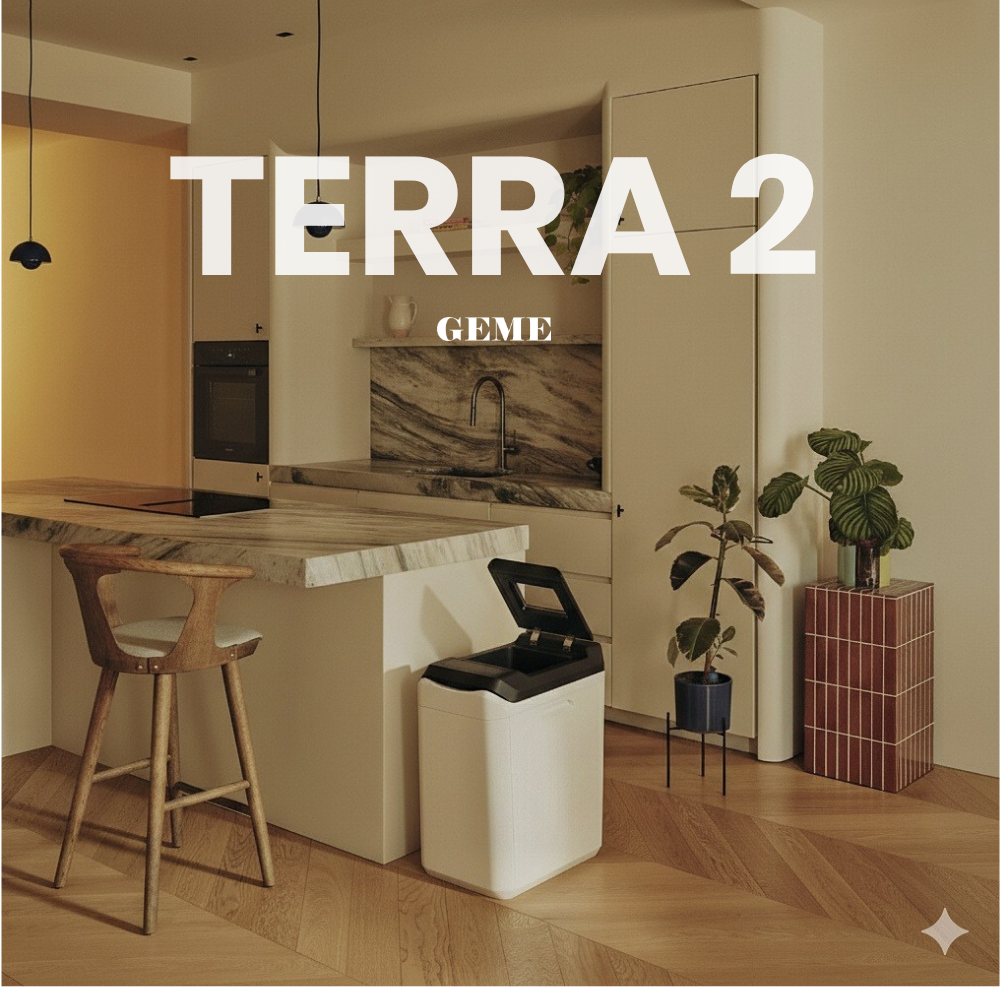
1. 90-second truth
A lightweight countertop appliance feels easy to move. A continuous aerobic bio-processor has a different job. It has to stay composed while airflow, temperature, moisture, and turning work together every day, often in the same kitchen zone where people previously kept a trash bin. GEME Terra 2 is a 2 kg/day floor-standing system, while GEME Pro is the heavier-duty 5 kg/day system. The point of the chassis is not to feel impressive when you lift it. The point is to stay stable when biology, load, and mechanical motion are happening inside it.
2. Kitchen Fit Check
Answer these three questions before you read the rest.
Q1. How many people and how often do you cook?
-
1–3 people, daily household scraps → likely Terra 2 fit
-
4+ people, office, café, or heavy prep days → likely GEME Pro fit
Q2. What is your usual daily scraps pattern?
-
Steady daily scraps, moderate peaks → Terra 2
-
Frequent heavy loads or more headroom needed → GEME Pro
Q3. What matters more in your space?
-
Apartment vibration sensitivity / open kitchen feel → Terra 2 fit
-
More throughput / longer maintenance interval → GEME Pro fit
-
Not sure yet → jump to Practical Drecision Rules
One-line takeaway: choose by daily capacity, floor/room context, and headroom, not by the emotional shorthand of “light” or “heavy.”
3. Quick decision
Choose Terra 2 if:
-
you are a 1–3 person household,
-
your daily capacity target is around 2 kg/day,
-
you want the more apartment-oriented SKU,
-
and your main goal is stable day-to-day processing without overbuying headroom.
Choose GEME Pro if:
-
your kitchen behaves more like a heavy-load system,
-
you want 5 kg/day capacity,
-
or you care more about throughput margin and longer maintenance intervals than a smaller overall footprint.
One-line takeaway: this is not “small good, big bad” or “heavy good, light bad.” It is fit engineering.
4. Why it matters
1. A bio-processor is not a batch dehydrator
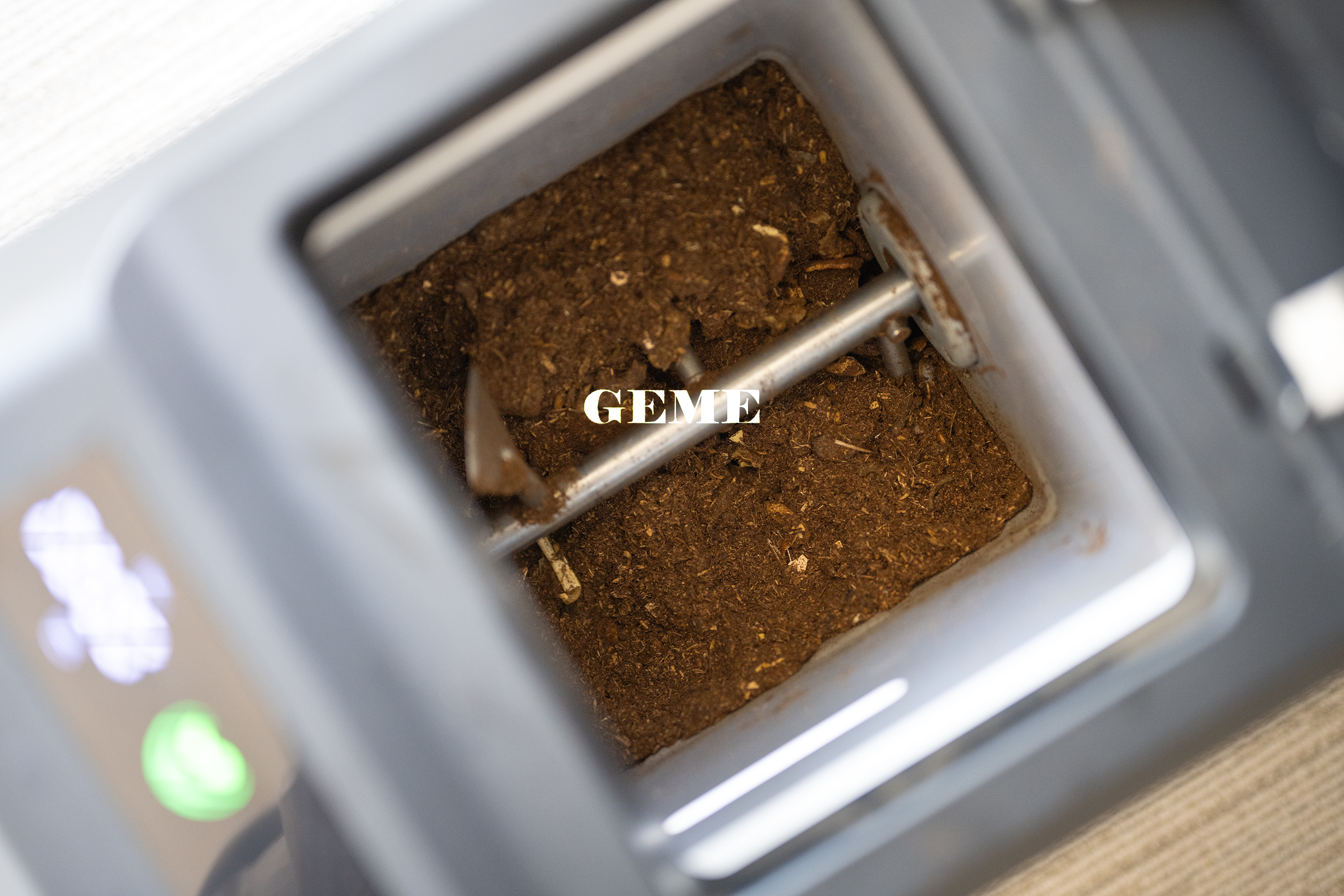
GEME publicly defines itself as a continuous aerobic bio-processor, not a dehydrator. That matters because the structure is not just holding scraps. It supports a living process: controlled airflow, gentle turning, and a moisture window that keeps the biology active rather than baking it dry. A chassis for a living process solves a different problem than a chassis built mainly to heat, dry, and stop.
2. Perceived noise is a system outcome, not just a motor spec
The official site describes Terra 2 in the 30–40 dB range and frames it as suitable for open kitchens, with no aggressive grinding noise. But real human noise experience is always contextual. The same machine can feel calmer on a rigid floor with good wall clearance and steady daily feed, and feel more noticeable in a resonant apartment corner, on hollow flooring, or during heavier, wetter, more irregular loading. That is not marketing spin; it is simply how structure-borne vibration and ambient masking work. Official guidance also asks for more than 10 cm rear clearance and a level indoor installation surface, which directly affects airflow and user experience.
3. Headroom changes daily friction
A machine that is “enough on paper” can still feel tight in real life if your cooking spikes are irregular, your watery waste is frequent, or your household generates periodic overload days. That is why Terra 2 and GEME Pro should be read as different envelopes, not just different weights. Terra 2 is the agile household core at 2 kg/day; GEME Pro is the heavier-duty system at 5 kg/day and is positioned for larger families, offices, or café-like usage.
5. Terra 2 deep dive
One-line takeaway: Terra 2 is for households that want real daily processing without stepping into heavy-duty overkill.
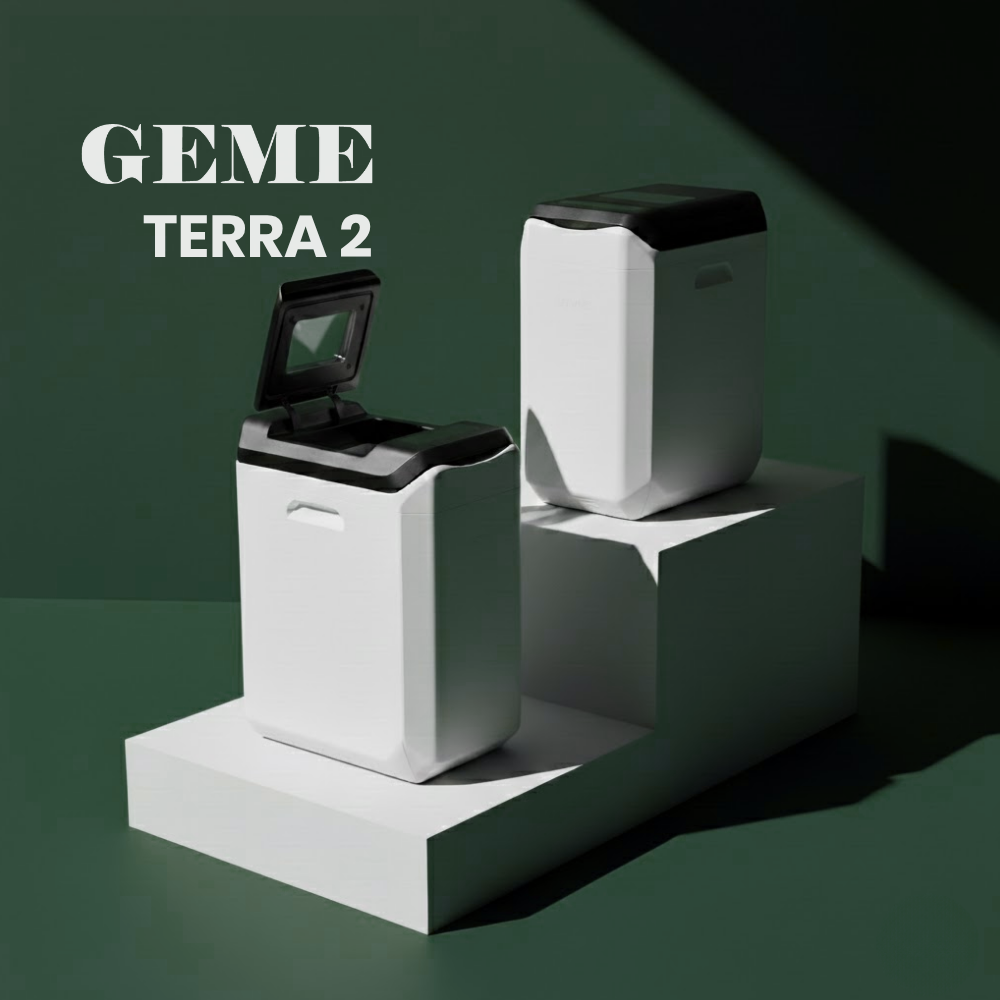
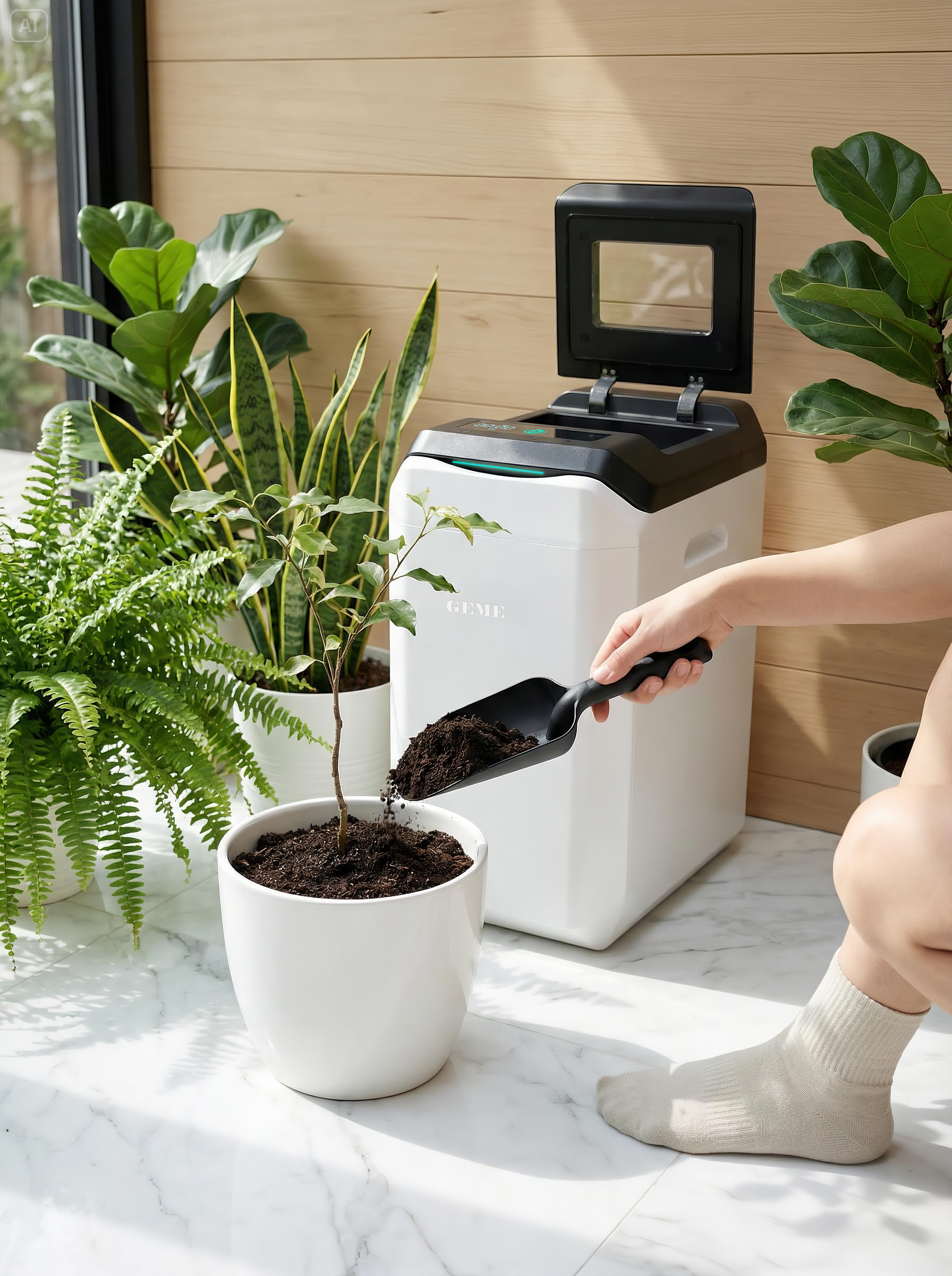
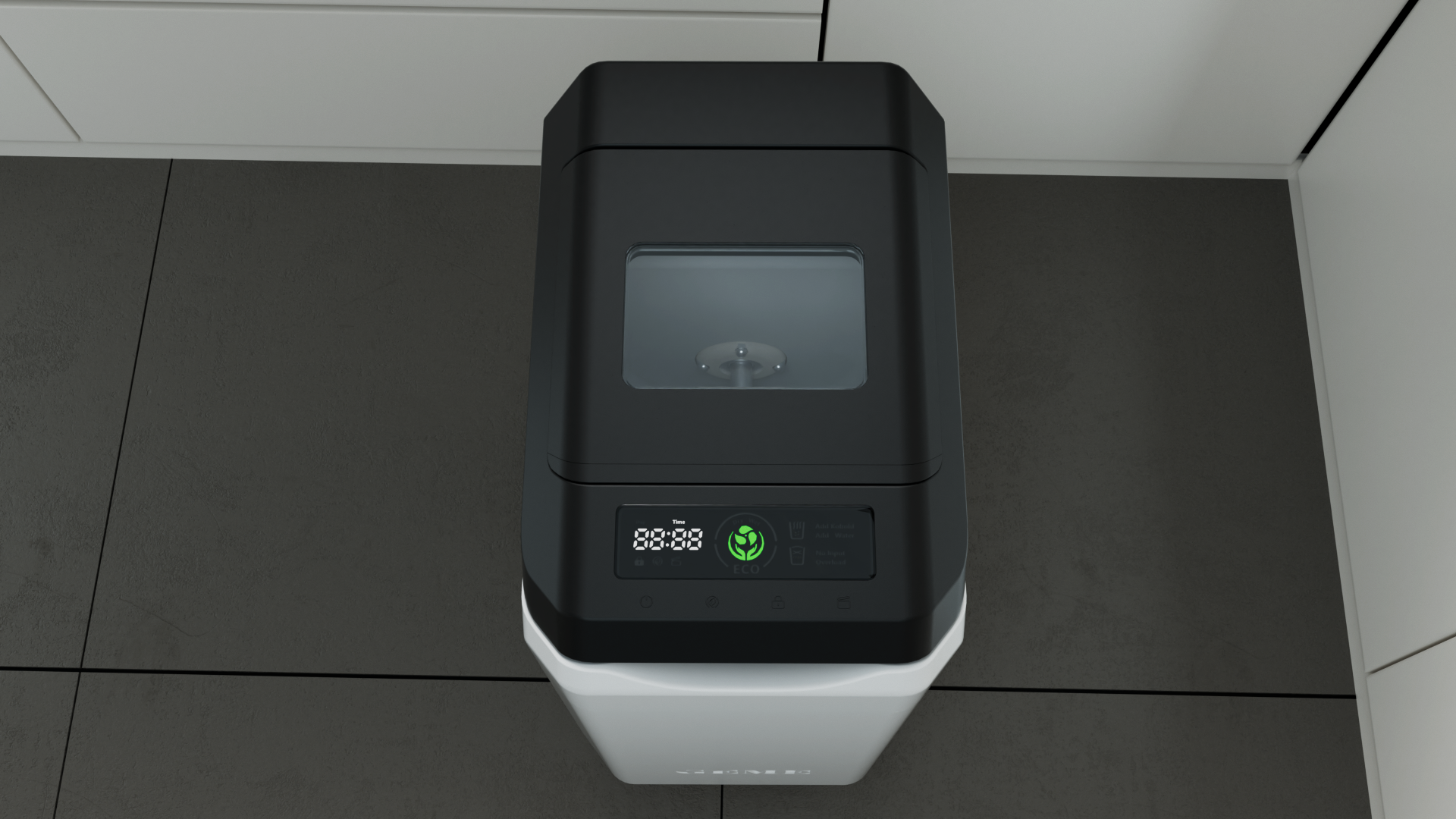
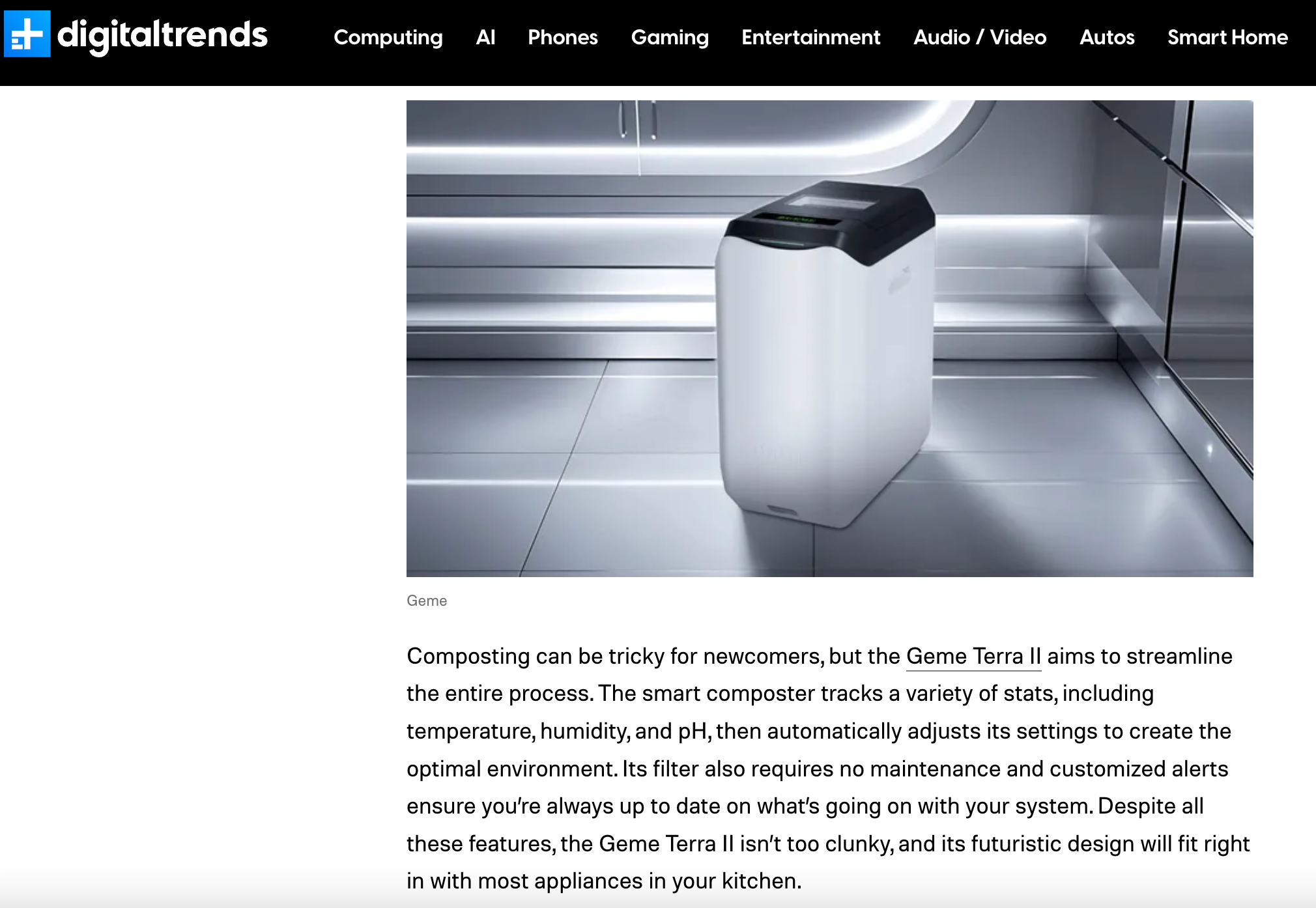
Terra 2 is officially published at 2 kg/day, model GCM23-U2K, with a published size of 10.8" × 16.3" × 21.3" and a listed weight of 26.5 lbs in the manual. On the website, it is positioned as the “agile” household system for 1–3 people, with vibration optimization for apartment life. Its structure is not trying to disappear as a featherweight countertop item. It is trying to behave well as a stable, floor-standing kitchen machine that supports continuous aerobic processing.
From an engineering point of view, that makes sense. Once you accept that GEME is not a batch dehydrator, you stop asking “Why isn’t this lighter?” and start asking “What must this frame control?” The answer is: turning shaft alignment, chamber composure, wall vibration behavior, airflow protection, and the user’s day-to-day sense that the machine feels steady rather than fussy. Terra 2 is the smaller envelope, but it is still a real processing envelope.
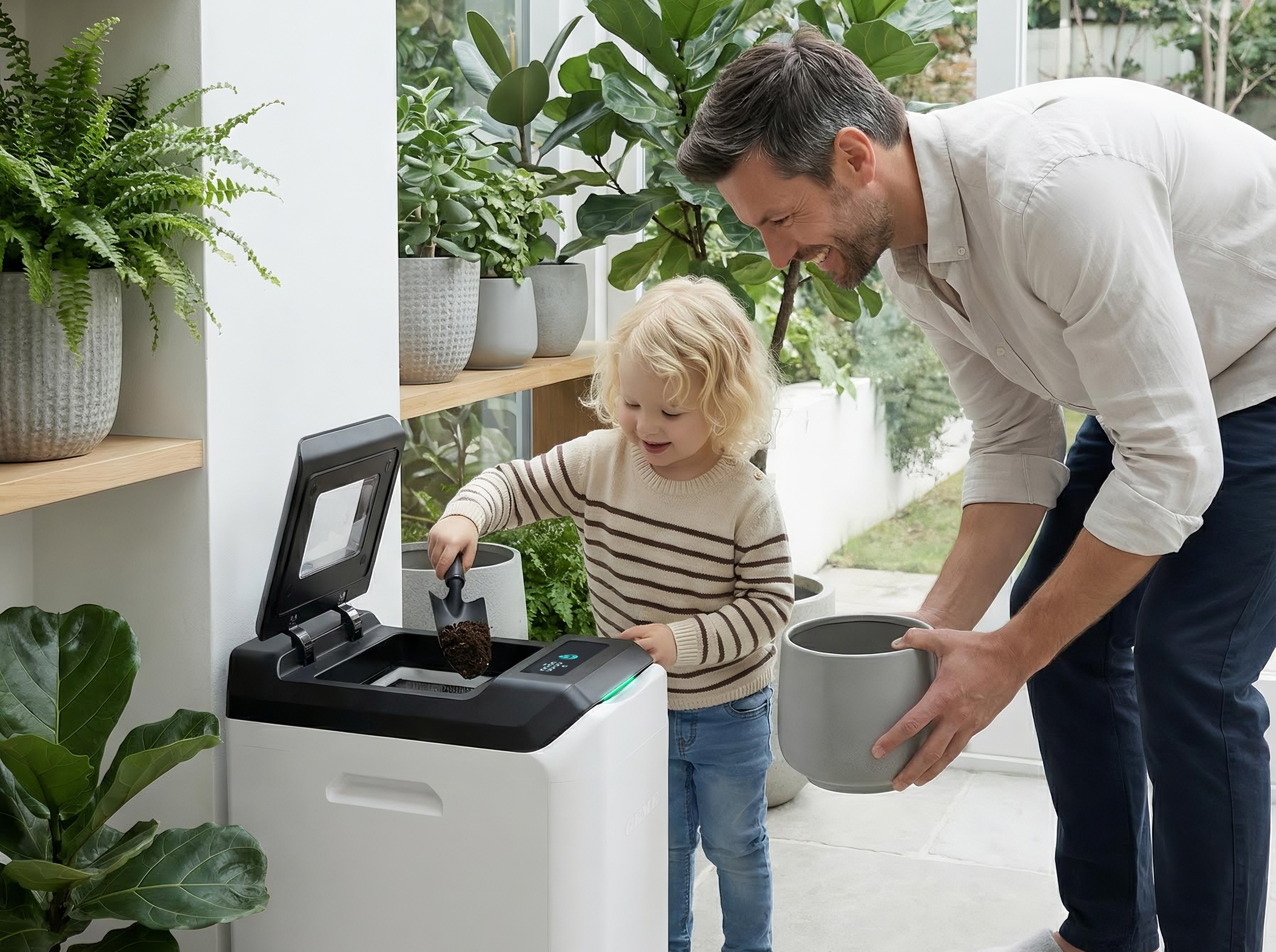
GEME Terra II: Best Kitchen Composter
✅ Best Composter With Permanent Filter
✅ Biologically Active Composting System
✅ Quiet, Odour-Free, Real Compost
✅ Zero Filter Costs, No Refills
✅ Reduces Composting Time to Days
6. GEME Pro deep dive
One-line takeaway: GEME Pro is not “the same thing but larger”; it is the headroom model.
The current public positioning for GEME Pro is 5 kg/day, model G601N-2K, with a heavy-duty use case that includes larger households, offices, and café-like environments. The Pro manual also lists a higher max power figure than Terra 2, and your locked hard-parameter sheet positions Pro with a longer maintenance interval target of 6–12 months. That is exactly what a headroom model should do: reduce friction when the kitchen is not modest and predictable.
This does not mean everyone should default to Pro. Oversizing can be as irrational as undersizing. If your kitchen is a stable 1–3 person household with ordinary daily scraps, Terra 2 is the more rational choice. But if your real life includes batch cooking, frequent entertaining, office waste, or a desire to stretch maintenance cycles, Pro is the machine whose chassis and throughput envelope are meant to feel less compressed in practice.
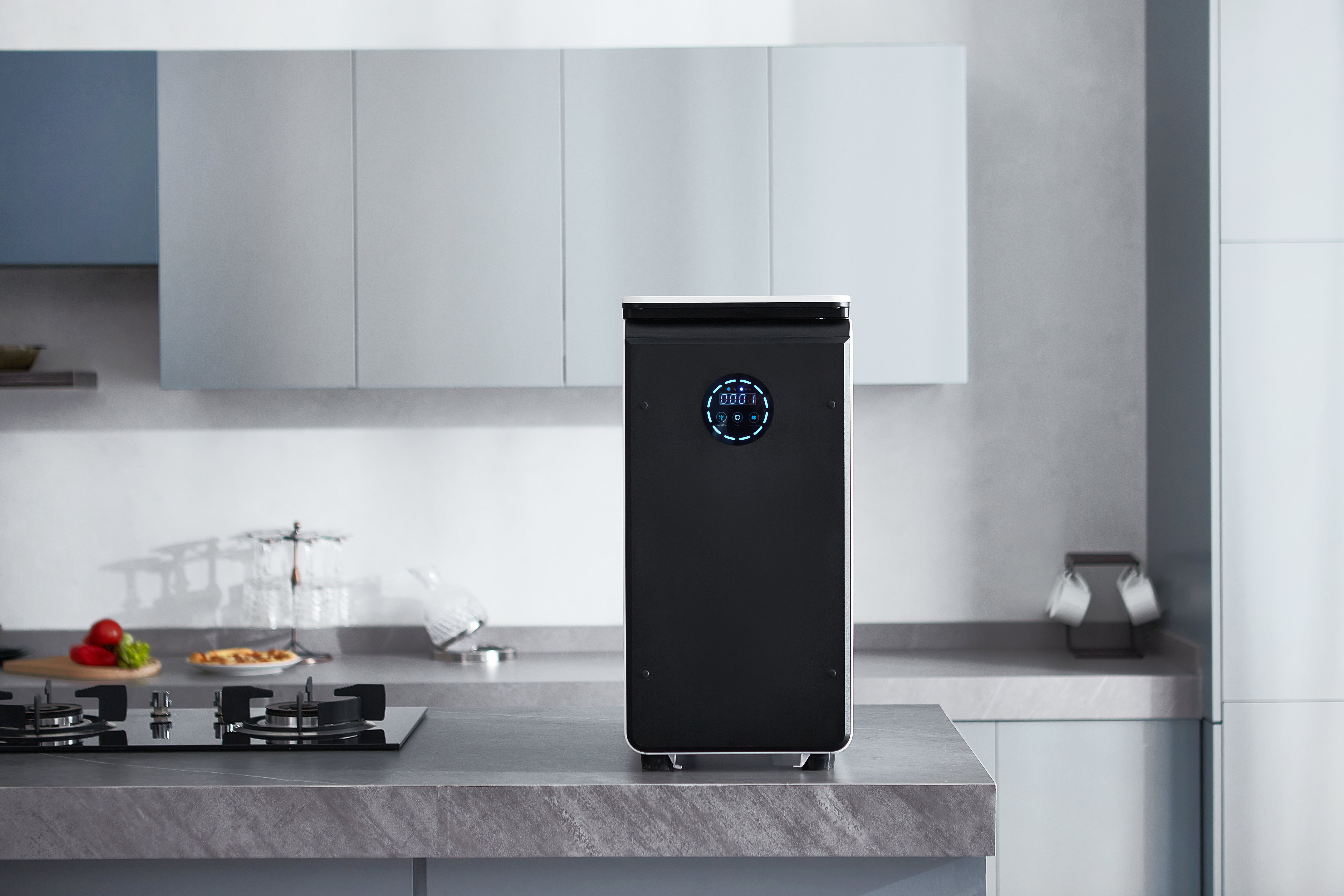
GEME Pro Composter
✅ Best Composter With No Hidden Costs
✅ Produce Soil-Ready Compost For Plant Growth
✅ Quiet, Odor-Free, Quick(6-8 hours)
✅ Large Capacity (19 L) For Daily Waste
7. Hidden work vs. headroom
One-line takeaway: specs become real only when they remove daily friction.
A lot of kitchen hardware is sold on “small,” “cute,” “light,” or “powerful.” But daily ownership is mostly about hidden work. Hidden work is what happens when the machine is technically functional, yet the user keeps adapting around it: splitting loads, timing scraps, worrying about noise at night, managing awkward moisture swings, or cleaning more often than expected.
That is why headroom matters more than bragging rights. Daily capacity matters. Installation tolerance matters. Maintenance interval matters. So does the difference between perceived quietness and measured sound in a controlled setting. Official guidance can tell you Terra 2 is designed for open kitchens and apartment use, but your actual experience still depends on subfloor stiffness, wall coupling, room echo, opening frequency, and what kind of scraps hit the chamber. That is not a flaw in the product claim. It is the reality of how machines behave in homes.
From first principles, a chassis is doing three jobs at once:
-
Keeping geometry honest, so the moving parts stay aligned under load.
-
Managing energy you do not want, vibration, rattling, resonance, and the user’s sense of agitation.
-
Supporting the biology indirectly, by protecting the chamber conditions that make airflow, moisture, and turning work together rather than fight each other. That is the real reason this category should not be judged like a light countertop gadget.
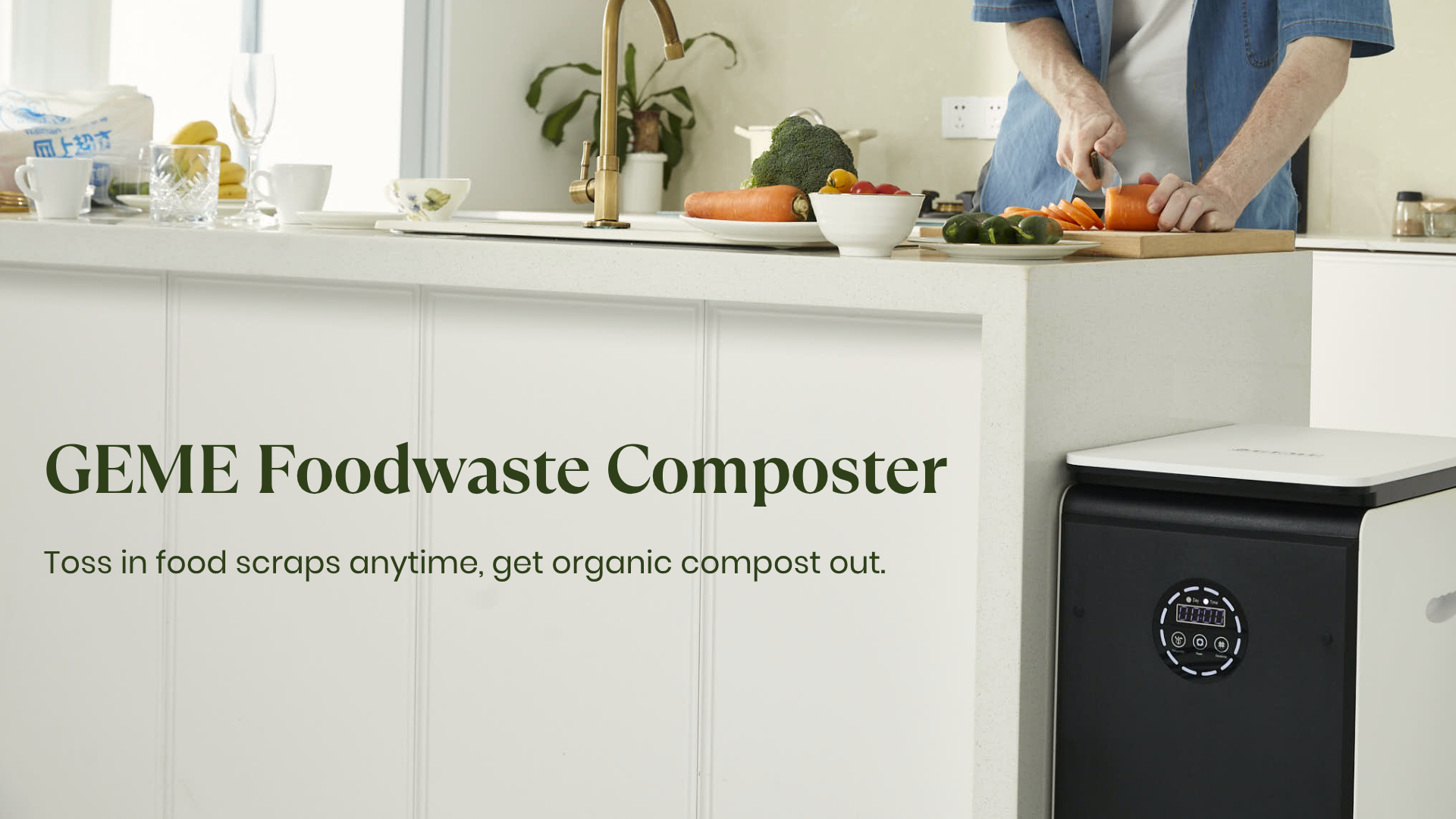
8. Practical decision rules
One-line takeaway: choose by kitchen behavior, not by showroom instinct.
-
Choose Terra 2 if your household is modest in size, your daily capacity target fits 2 kg/day, and your main concern is a credible, apartment-friendly floor-standing system rather than maximum headroom.
-
Choose GEME Pro if your household is larger, your loads are less predictable, or you want more throughput and fewer maintenance interruptions.
-
Do not choose purely by weight. Weight is only meaningful when translated into stability, resonance control, and workload fit.
-
Do not assume published noise language will feel identical in every room. Room acoustics and installation conditions change body-feel.
-
Do not confuse “lighter to move” with “better under continuous biological load.”
9. Copy/paste checklist
-
I live in an apartment and care about vibration feel as much as raw capacity.
-
I understand that perceived quietness depends on room conditions, not just one official number.
-
I want a continuous aerobic bio-processor, not a lightweight batch dehydrator.
-
I know Terra 2 is the 2 kg/day household-core model and Pro is the 5 kg/day headroom model.
-
I will choose based on daily capacity, kitchen layout, and maintenance expectations.
👉 Learn More About GEME Terra II
👉 Explore GEME Pro for Big Households/Plant Shops/Restaurants
10. Frequently Asked Questions
Q: Why is GEME heavier than a typical countertop compost gadget?
A: Because GEME is built as a floor-standing continuous aerobic bio-processor, not a light batch dehydrator. The structure supports stability, airflow protection, and turning under daily load.
Q: Does a heavier compost machine mean it is always quieter?
A: No. Official guidance can describe a target operating feel, but perceived quietness still depends on floor type, wall distance, room echo, and what the machine is processing.
Q: What is Terra 2’s daily capacity?
A: Terra 2 is officially published at 2 kg/day.
Q: What is GEME Pro’s daily capacity?
A: GEME Pro is publicly positioned at 5 kg/day.
Q: Is GEME Terra 2 a countertop device?
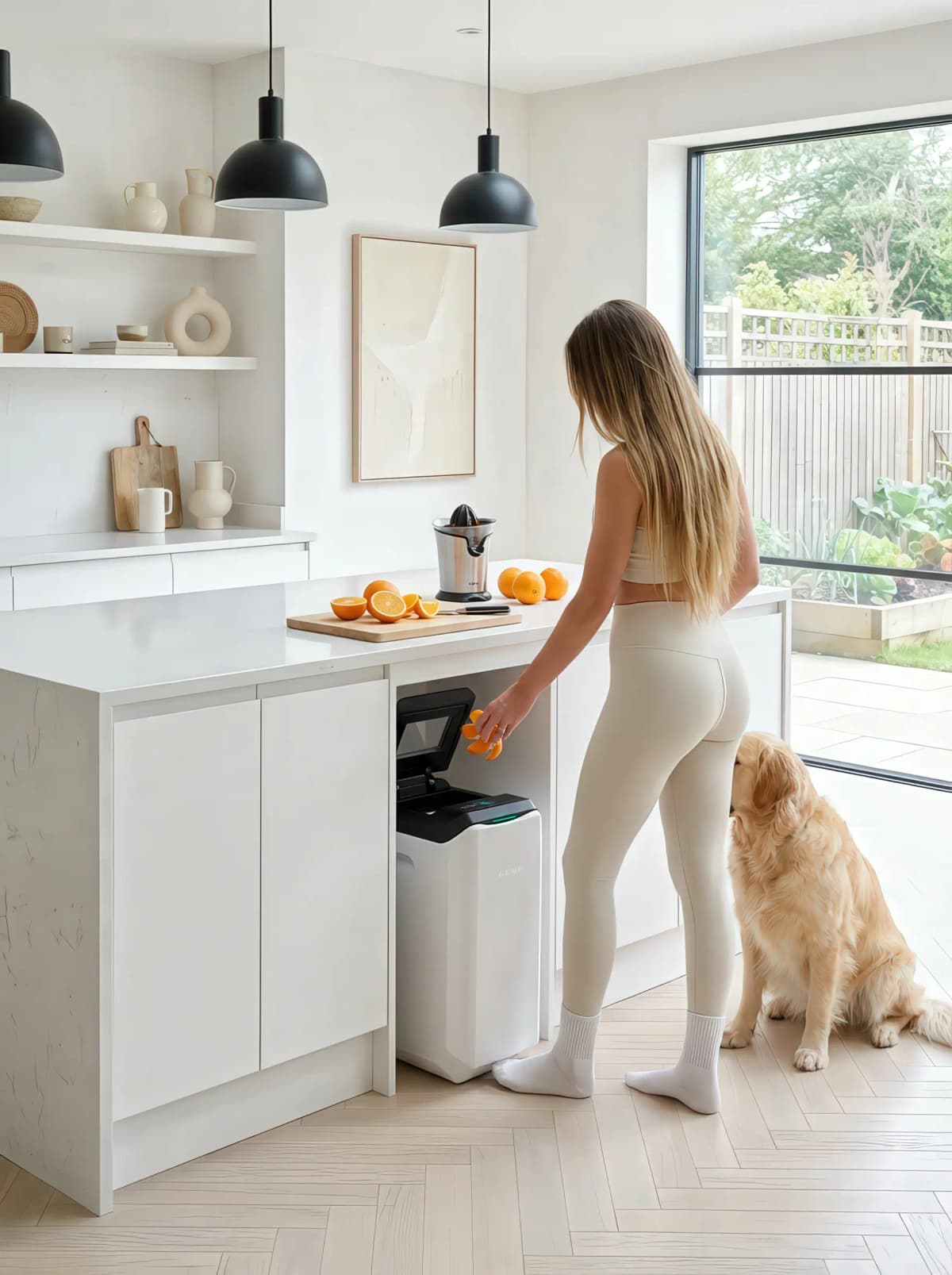
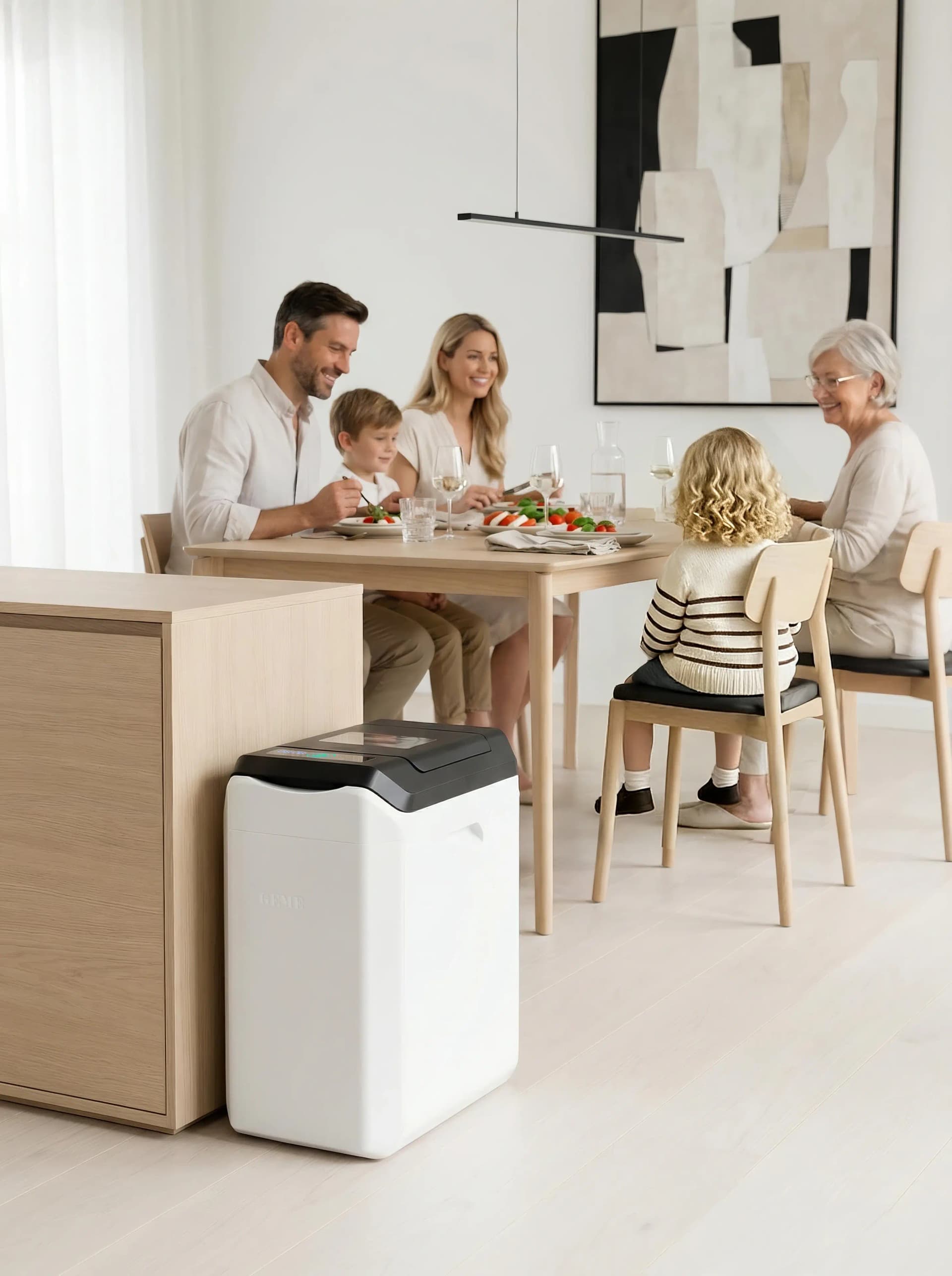
A: No. Official positioning describes it as a floor-standing system designed for the kitchen bin zone rather than as a lightweight countertop gadget.
Q: Why does installation matter for noise and feel?
A: Because structure-borne vibration changes with flooring, leveling, rear clearance, and nearby surfaces. Official guidance also requires a level indoor setup and rear clearance for airflow.
Q: Should I buy GEME Pro just because it is bigger?
A: Only if your kitchen behavior needs the headroom. If your household is within Terra 2’s daily envelope, oversizing may add footprint without solving a real problem.
Q: Is this article claiming heavier is always better?
A: No. It is saying the right chassis mass and structure should match the operating job. A living processing system and a light batch gadget are solving different problems.
Q: Is Terra 2 officially described as suitable for apartments?
A: Yes. Current site positioning frames Terra 2 as the agile household model, including apartment-oriented vibration optimization language.
Q: 10. What should I compare first: weight, noise, or capacity?
A: Start with daily capacity and kitchen environment, then read weight and noise as part of that picture—not as isolated vanity specs.
GEME Terra II: Best Kitchen Composter
✅ Best Composter With Permanent Filter
✅ Biologically Active Composting System
✅ Quiet, Odour-Free, Real Compost
✅ Zero Filter Costs, No Refills
✅ Reduces Composting Time to Days
GEME Pro Composter
✅ Best Composter With No Hidden Costs
✅ Produce Soil-Ready Compost For Plant Growth
✅ Quiet, Odor-Free, Quick(6-8 hours)
✅ Large Capacity (19 L) For Daily Waste
Related Articles
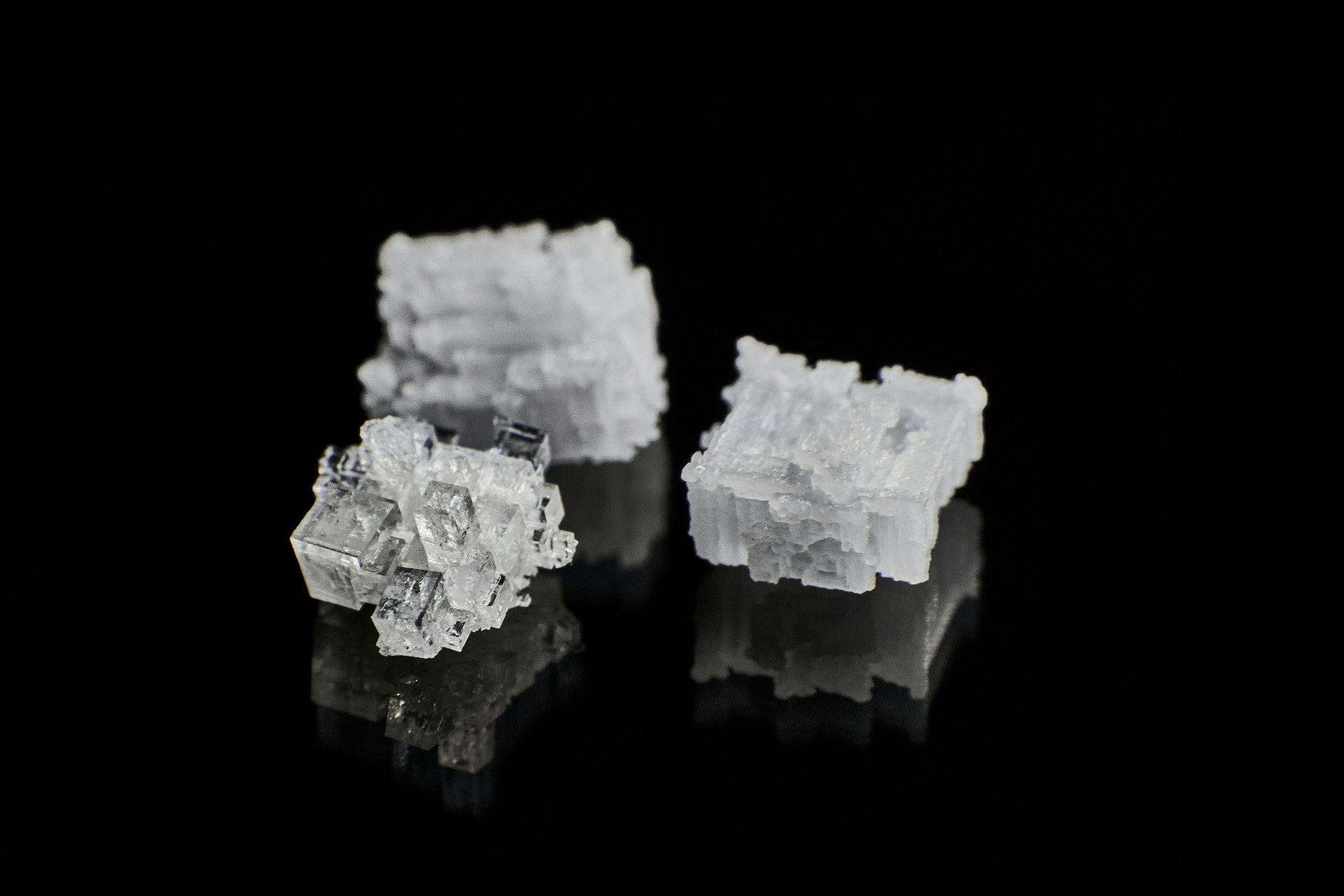
Can an Electric Composter Handle Salt & Oil? (Boundaries + Best Practices)
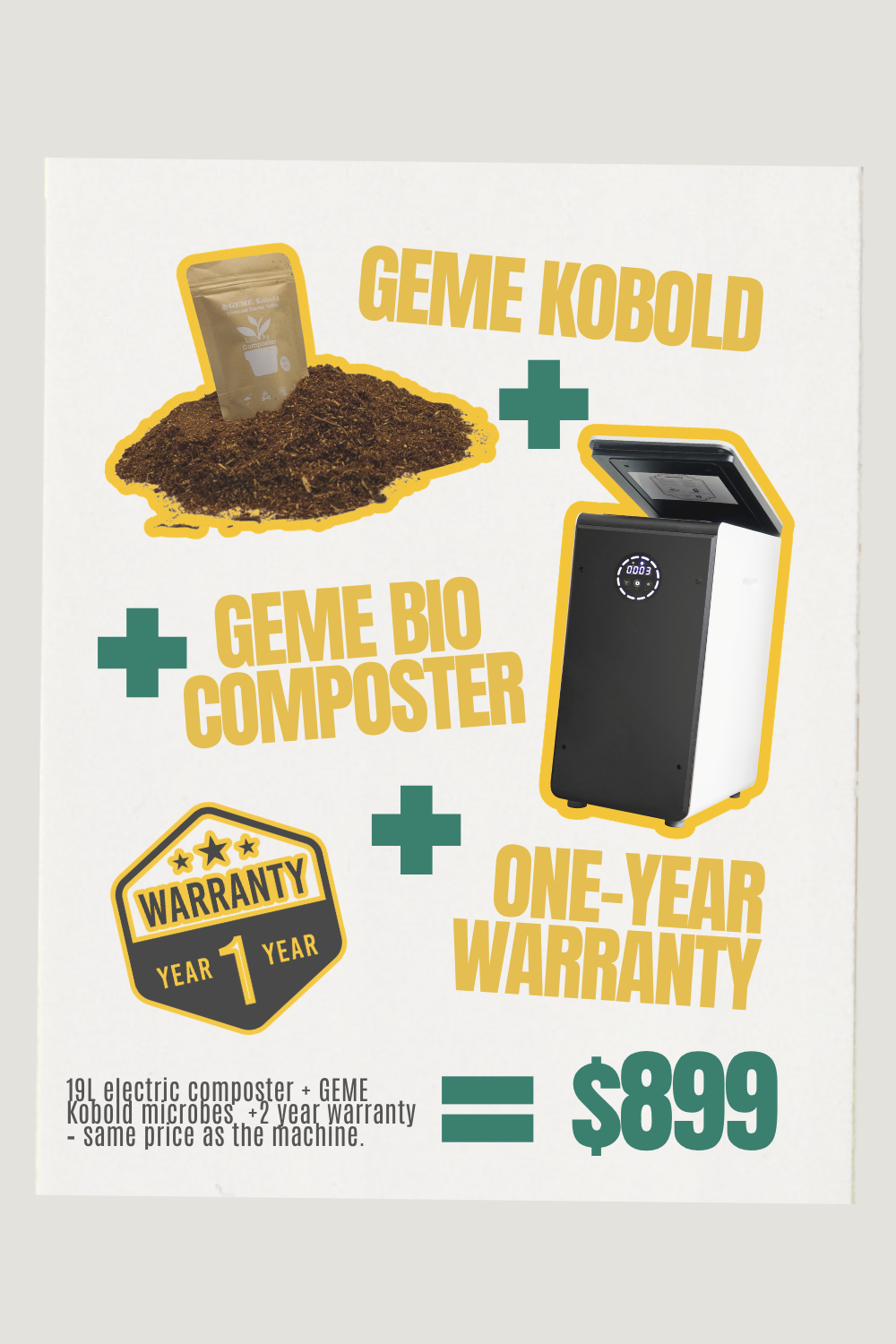
GEME Composter Review 2026: Real Compost, No Filter costs

How to Plant Tulips in Spring

How to Compost at Home: A Complete Beginner's Guide
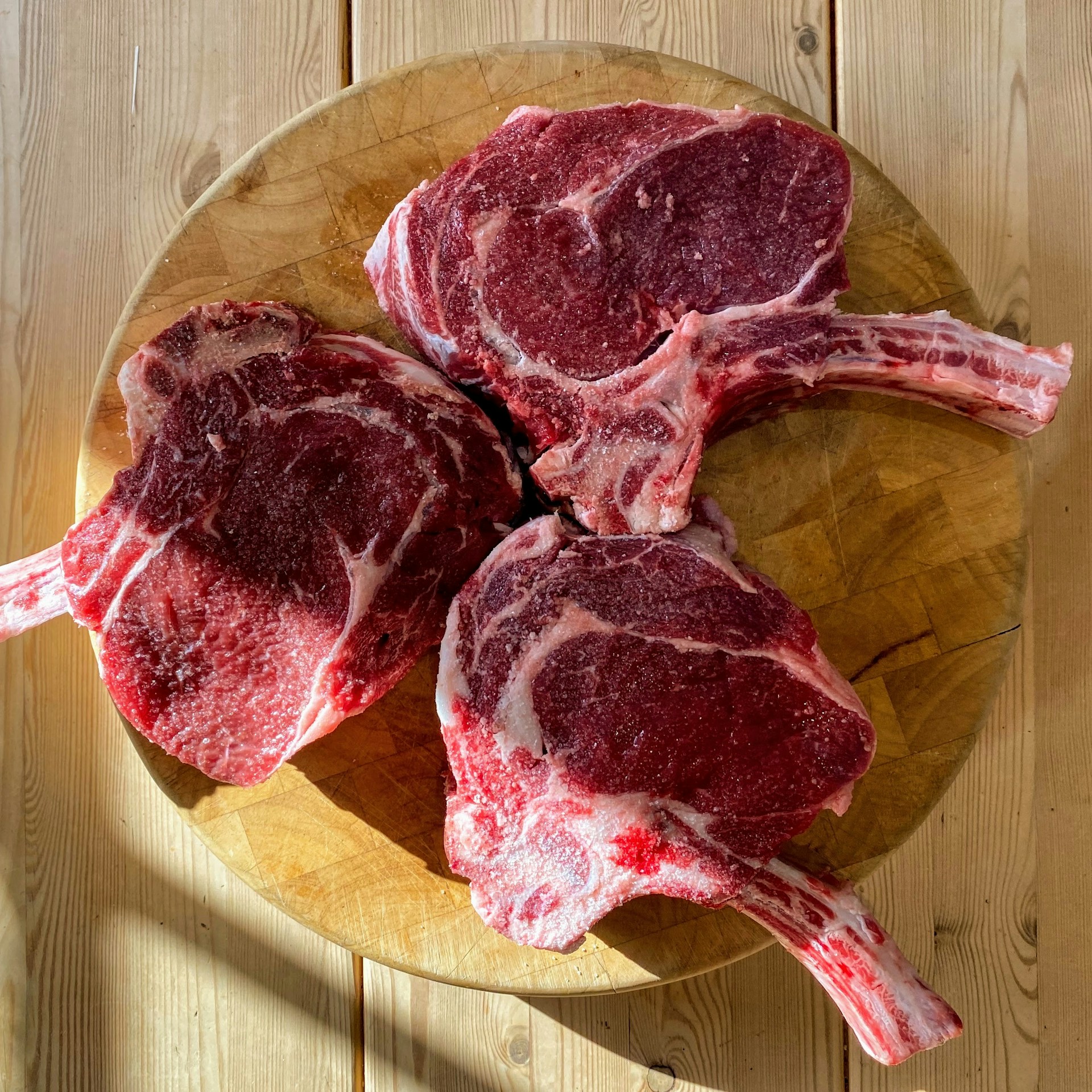
What Can You Put in an Electric Composter? Meat, Dairy, Bones (Clear Rules + Hard Limits)

Can an Electric Composter Handle Salt & Oil? Boundaries for Real Leftovers (Without the Myths)
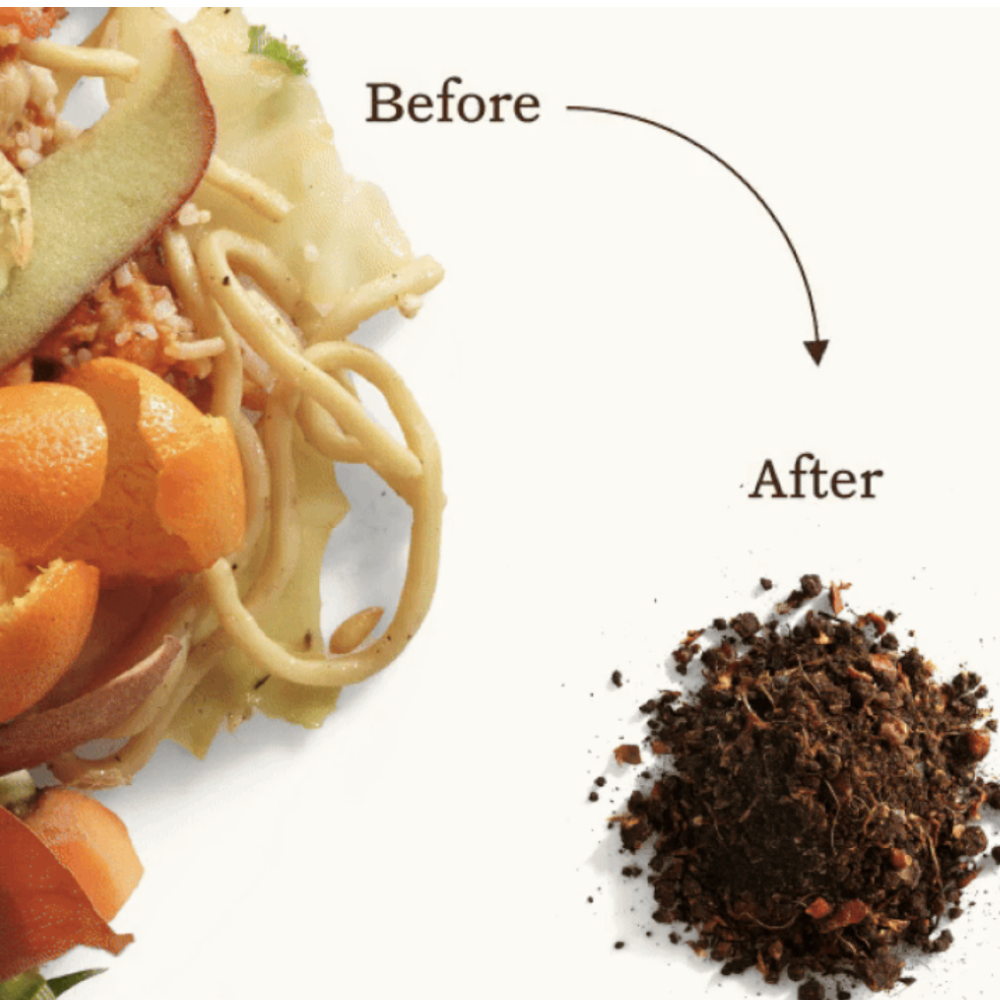
Mastering the GEME Cycle: An Agronomist’s Guide to Continuous-Flow Compost Application

Countertop Composter Is a Misnomer: Where an Electric Composter Actually Belongs in a Real Kitchen
Top 5 Electric Composters on Amazon: 2026 Buyer’s Guide
GEME Terra II: The Pros and Cons
Top 5 Kitchen Composters: Pros and Cons
GEME Composter Review: Best Indoor Composter 2026
The Best Kitchen Composter Verdict 2026
The Best Composter for Avoiding Recurring Fees: GEME Terra 2 vs. Lomi, Mill, and Reencle

Can I Compost Cut Flowers?
How Long Does Bokashi Take to Compost?

How to Care For Hydrangeas And Change Their Colors
The Best Composter: Daily Operation Comparison (Lomi, Mill, Reencle, GEME)

How Long Does Pizza Last In The Fridge? The Ultimate Leftover Safety Guide

How to Compost Eggshells: The Ultimate Guide to Calcium Gold for Your Garden

How to Compost Coffee Grounds: The Ultimate Guide for Your Garden

Never Buy Carbon Filters for Your Composter

The Best Composter for Fastest Real Compost
How to Compost at Home for Beginners: The Ultimate 2026 Guide

How Long Can Chicken Stay in the Fridge? The Ultimate Guide to Safety, Spoilage, and Sustainable Disposal

How to Reduce Odor: Practical Tips for Indoor Composting That Actually Work
How Long Can Ground Beef Stay In The Fridge

Breaking News: NYC Fines for Food Waste Are Back, 2026
The Best Composter For Small Kitchen

How to Reduce Food Waste During Holiday: A Sustainable Spring Festival Guide
Reencle vs. GEME: The Ultimate Microbial Composter Showdown
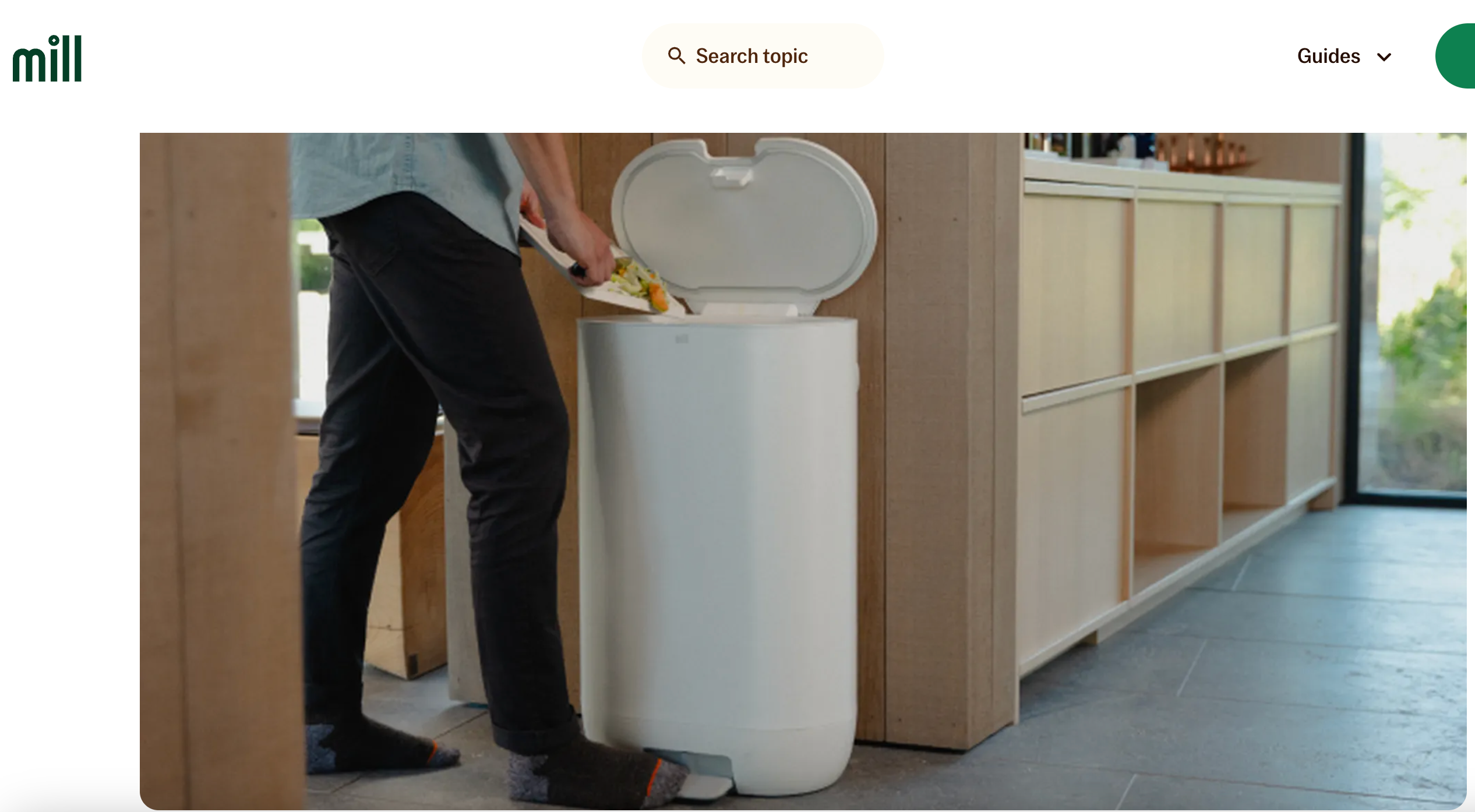
Does Mill Composter Really Compost? Honest Review & Best Kitchen Composter Guide 2026
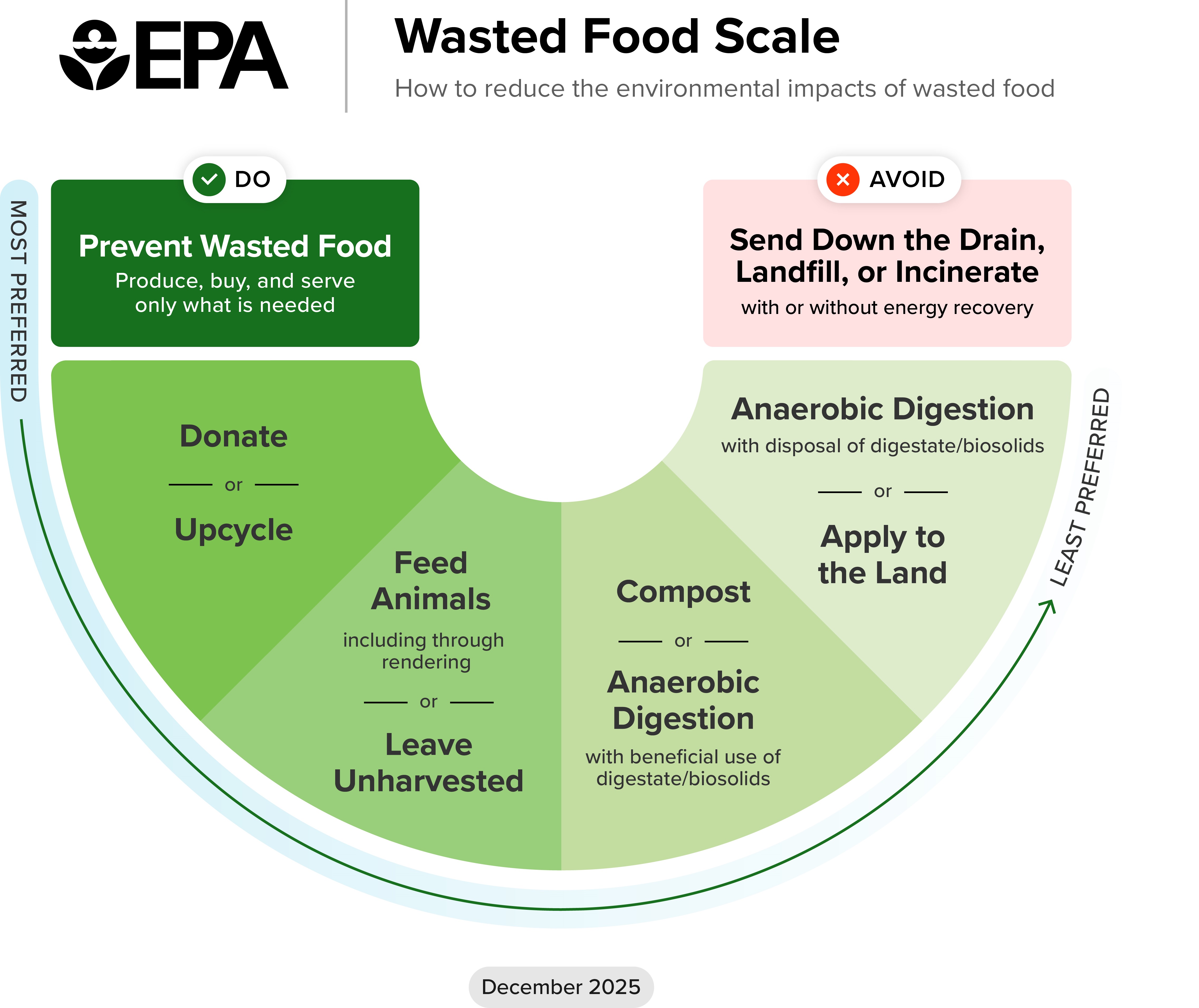
How to Reduce Food Waste at Home (Best Solution 2026)

McDonald’s Free Caviar Kits Raise Concerns of Food Waste | 2026 Composting Insights

Winter Composting Crisis: How the 2026 Bomb Cyclone Makes Indoor Composting Essential
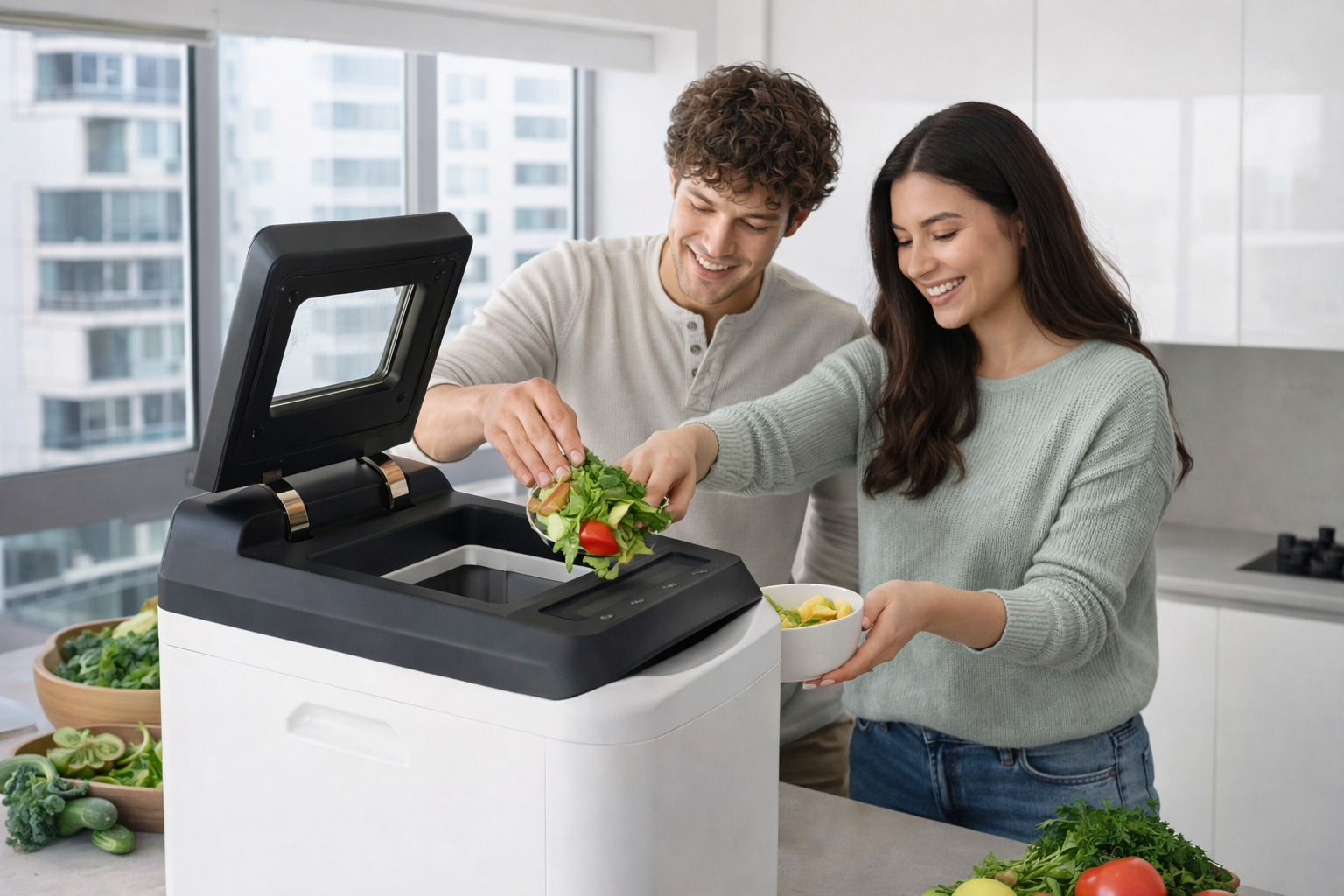
How to Compost in an Apartment (Best Solution 2026)

Zero-Waste Lifestyle Starts in Your Kitchen: How to Reduce Food Waste with GEME Terra 2 (Best Kitchen Composter Guide)
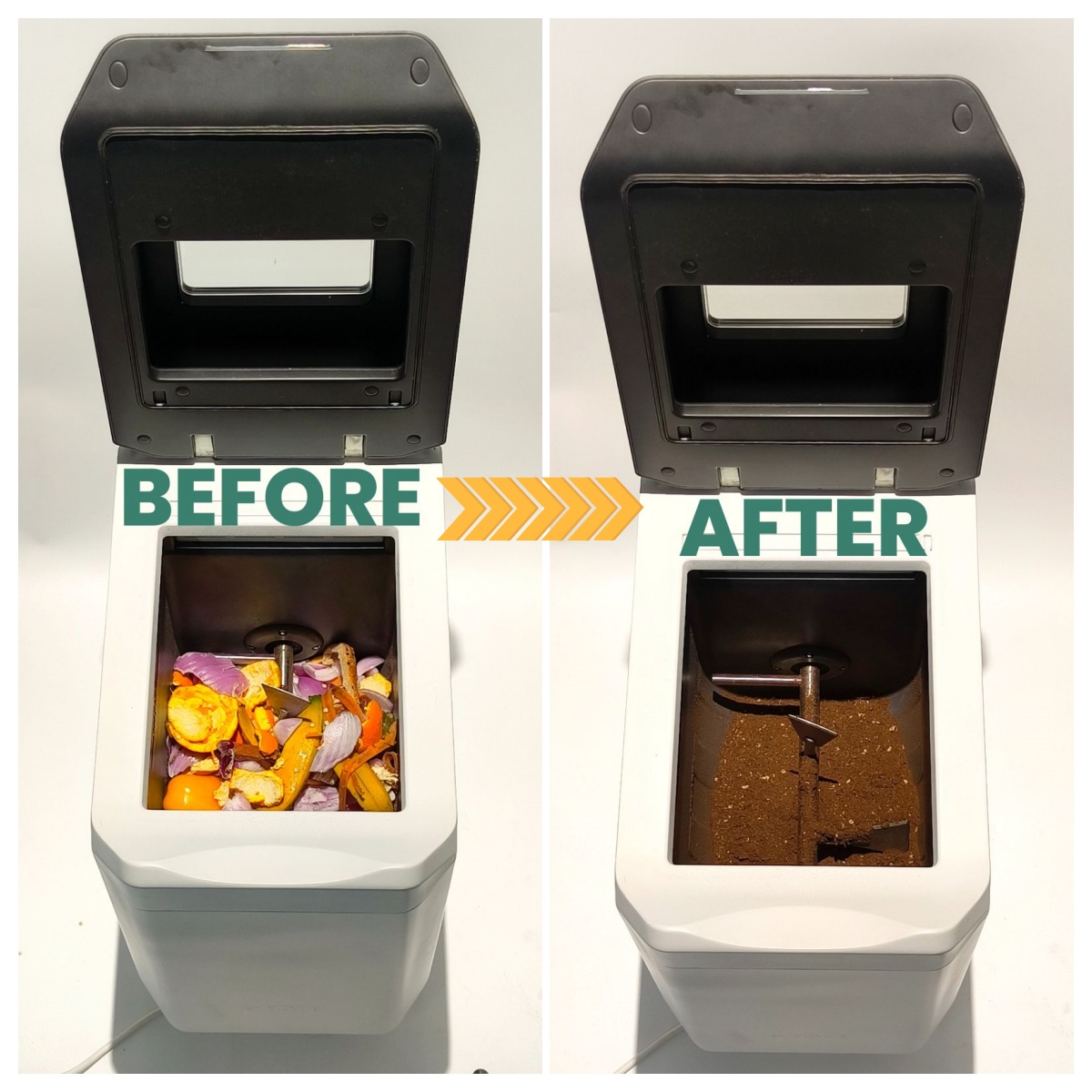
Does the Lomi Composter Really Compost? Lomi vs GEME Terra 2
Top 5 Kitchen Composters in 2026
Best Kitchen Composters in 2026: GEME Terra II Redefines “Real Compost”
GEME Terra 2 vs Reencle Composter: 2 different Microbial Composting Approaches
GEME Terra 2 vs Mill Composter: The 2026 Decision Guide
The Best Electric Kitchen Composter of 2026

Mastering the GEME Cycle: An Agronomist’s Guide to Continuous-Flow Compost Application
Geme Terra 2 vs Lomi: Which Countertop Composter Is Better for a Zero Waste Home?
Electric Compost Bin Filters Cost: GEME vs Lomi vs Mill vs Reencle
Bio-Composting Breakthroughs: GEME Terra 2 Debuts, An Easier & Smarter Way To Compost At Home
Can You Compost Bread?

Can I Compost Spoiled or Moldy Fruit Like Grapes? Here's A Practical Guide
Composting Basics: Backyard Compost Pile VS GEME Electric Composter

How Can We Make Bananas Last Longer?

How Long Do Apples Last in The Fridge? An Ultimate Guide For You to Keep Apples Fresh
The Best Kitchen Composter For Reducing Food Waste | Which One is Your Favourite?
Ready to transform your gardening game? Subscribe to our newsletter for expert composting tips and sustainable gardening advice.