Can an Electric Composter Handle Salt & Oil? (Boundaries + Best Practices)

One-sentence takeaway
Salt and oil don’t “kill composting.” They shift the biology, and if you cross certain boundaries, the system drifts away from aerobic composting. The fix isn’t magic powder: it’s keeping oxygen, moisture, and structure in range. (Reference: US EPA)
Why it matters in the kitchen
Most “kitchen compost” disappointments start here: leftovers aren’t garden trimmings. Real food includes salt, oil, sauces, and proteins, and those change microbial behavior. When people say “my composting stopped,” what often happened is simpler: oxygen transfer collapsed (too wet / too compact), and the biology shifted toward low-oxygen pathways that smell worse and stabilize slower.
Start here (Trust Stack)
Read the 3-minute truth → Real Compost vs Dehydrator
Methods & boundaries → Open GK Verification

The biology: microbes don’t quit, they adapt (until conditions stop them)
Composting is, by definition, a managed aerobic microbial process: microorganisms need oxygen to decompose organics into a biologically stable soil amendment. (Reference: US EPA)
Salt doesn’t act like a “poison switch” at normal culinary levels. It acts more like environmental pressure:
- Osmotic stress makes water less available to microbes; some microbes slow down, others (more tolerant groups) gain an advantage.
- Ionic effects can change community composition and enzyme activity—i.e., the “who is doing the work” shifts.
In food-waste composting, high salinity has been associated with poorer stabilization and lower degradation efficiency. (Reference: Springer Nature)
What this means practically:
Your system can still compost salty food, but the “safe operating window” gets narrower, and you must protect aerobic conditions more deliberately.
Oil is not the villain, oxygen loss is
Oil and grease introduce two common problems in small, enclosed composting systems:
- Mass transfer barrier: oil can coat particles and reduce water/air exchange.
- Structure collapse: oily, fine particles compact more easily, reducing pore space.
When oxygen becomes limited, decomposition shifts toward anaerobic behavior, which is a major driver of foul odors.
This is why “it smells” is often not a moral failure (or a “bad bacteria” problem). It’s a physics + biology problem:
- insufficient aeration
- moisture too high
- structure too dense
👉 Learn More About GEME Terra II
👉 Explore GEME Pro for Big Households/Plant Shops/Restaurants
The boundary (the honest line we won’t cross)
To stay credible, we draw a boundary that a user can actually follow:
✅ Typically fine (routine mixed diet)
- lightly seasoned cooked food
- normal amounts of oil from everyday cooking
- mixed scraps with enough fibrous content
⚠️ Boundary zone (requires extra structure / pacing)
- very salty items (brined foods, pickles, cured meats)
- oily sauces or “slick” leftovers (heavy dressings, frying oil residues)
- salty broths / soups (high moisture + salt is a double pressure)
❌ Not recommended (for compost quality + odor control)
- pouring liquids or free oil into the system
- “all-at-once” loads that are both wet + salty/oily without enough structure
These aren’t arbitrary rules. They’re the simplest way to protect aerobic composting, which depends on oxygen flow and moisture balance.
How to keep it aerobic (what actually works)
Think like a composter, not like a blender.
1. Protect structure (air needs pathways)
Aerating a compost mass—through turning, airflow, or bulking structure—supports aerobic decomposition. Actionable rule: if a load is wetter/oilier than usual, pair it with more fibrous material and avoid compaction.
2. Manage moisture (too wet kills oxygen faster than salt does)
Odor intensity is strongly influenced by oxygen levels and moisture extremes; anaerobic decomposition increases unpleasant odors. (Springer Nature) Actionable rule: aim for “moist, not wet.” If it forms a heavy paste, you’re starving oxygen.
3. Don’t panic-dose; adjust conditions first
If performance slows after salty/oily meals, the first response should be:
- reduce extreme inputs for a few cycles
- restore structure and aeration
- let biology rebound
Additives should never be a substitute for oxygen flow and moisture control.
What we verify (and what we refuse to claim)
We verify:
- that the system maintains aerobic conditions under defined input ranges (documented in GK).
- that odor risk correlates strongly with oxygen/moisture failures, and can be minimized by maintaining aerobic conditions. (Springer Nature)
We do not claim:
- that any composting system can take unlimited brine/grease with no consequences
- that “salt doesn’t matter”
- that odor can be eliminated in all conditions (that’s greenwashing)
Methods & boundaries → GK (where the proof lives)
In GK, publish the parts that make this auditable without giving away trade secrets:
- your definition of “aerobic stability” and “finished output”
- the input boundary table
- the verification protocol: how you detect oxygen-limited drift, how you confirm recovery
- the “what we didn’t test” list
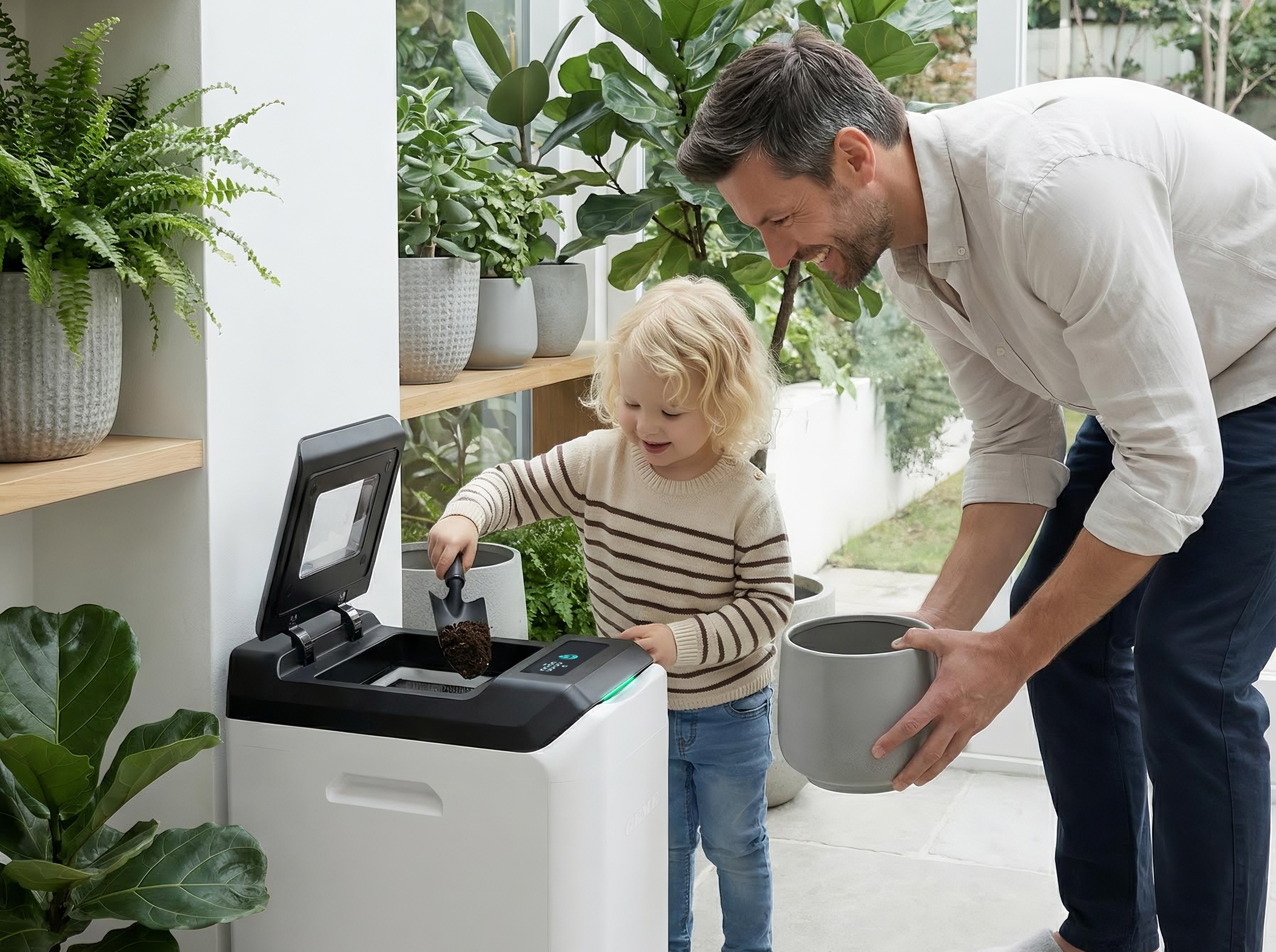
GEME Terra II: Best Kitchen Composter
✅ Best Composter With Permanent Filter
✅ Biologically Active Composting System
✅ Quiet, Odour-Free, Real Compost
✅ Zero Filter Costs, No Refills
✅ Reduces Composting Time to Days
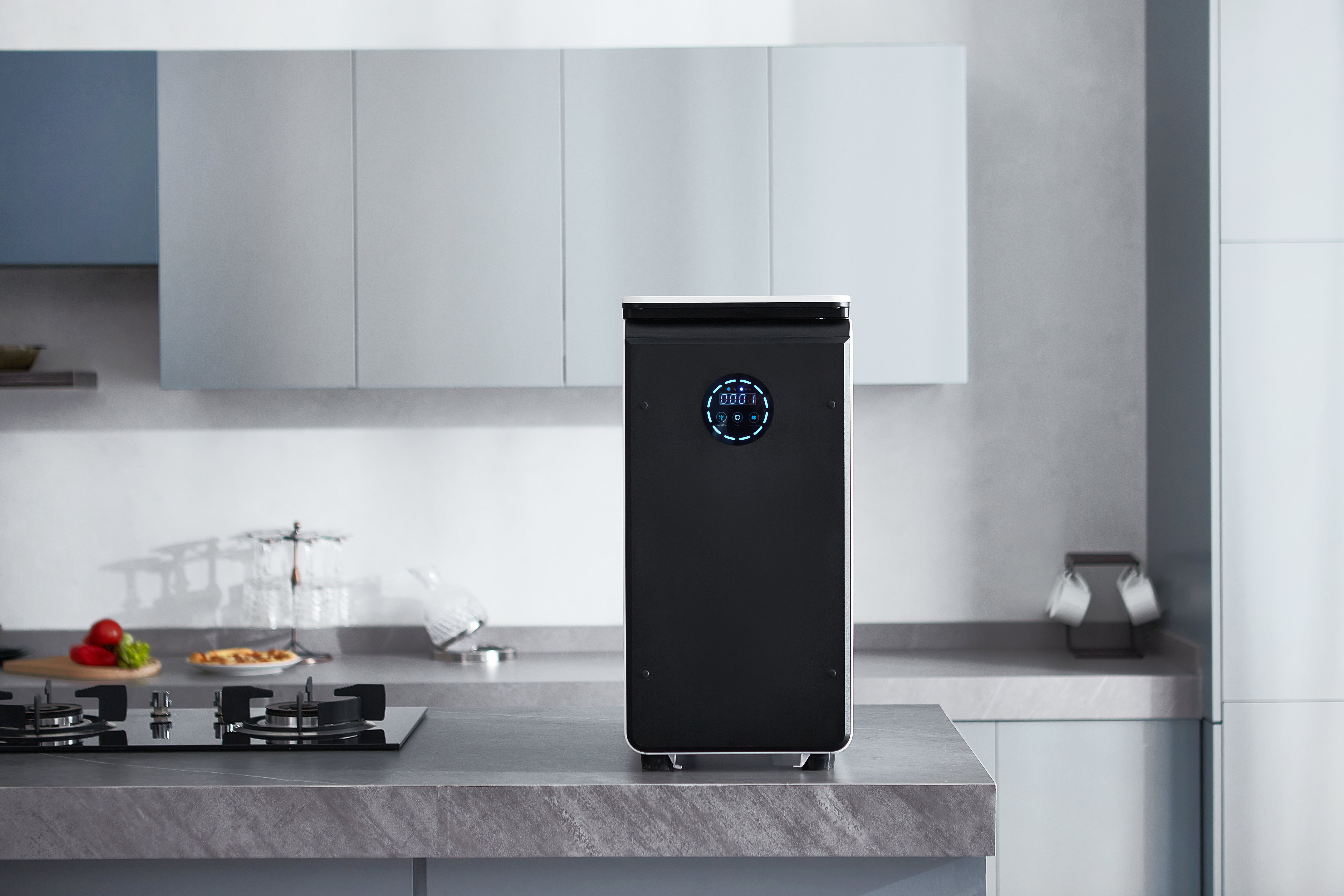
GEME Pro Composter
✅ Best Composter With No Hidden Costs
✅ Produce Soil-Ready Compost For Plant Growth
✅ Quiet, Odor-Free, Quick(6-8 hours)
✅ Large Capacity (19 L) For Daily Waste
Cited Sources
Related Articles

Can an Electric Composter Handle Salt & Oil? (Boundaries + Best Practices)

GEME Terra II: The Silent Gearbox
Can I Put Plastic In GEME Composter?

NPK Test of Home Compost Output (N=50): What It Shows and What It Doesn’t

Why GEME Composter chose aerobic digestion over grinding.

How we write an engineering claim without turning it into ad copy
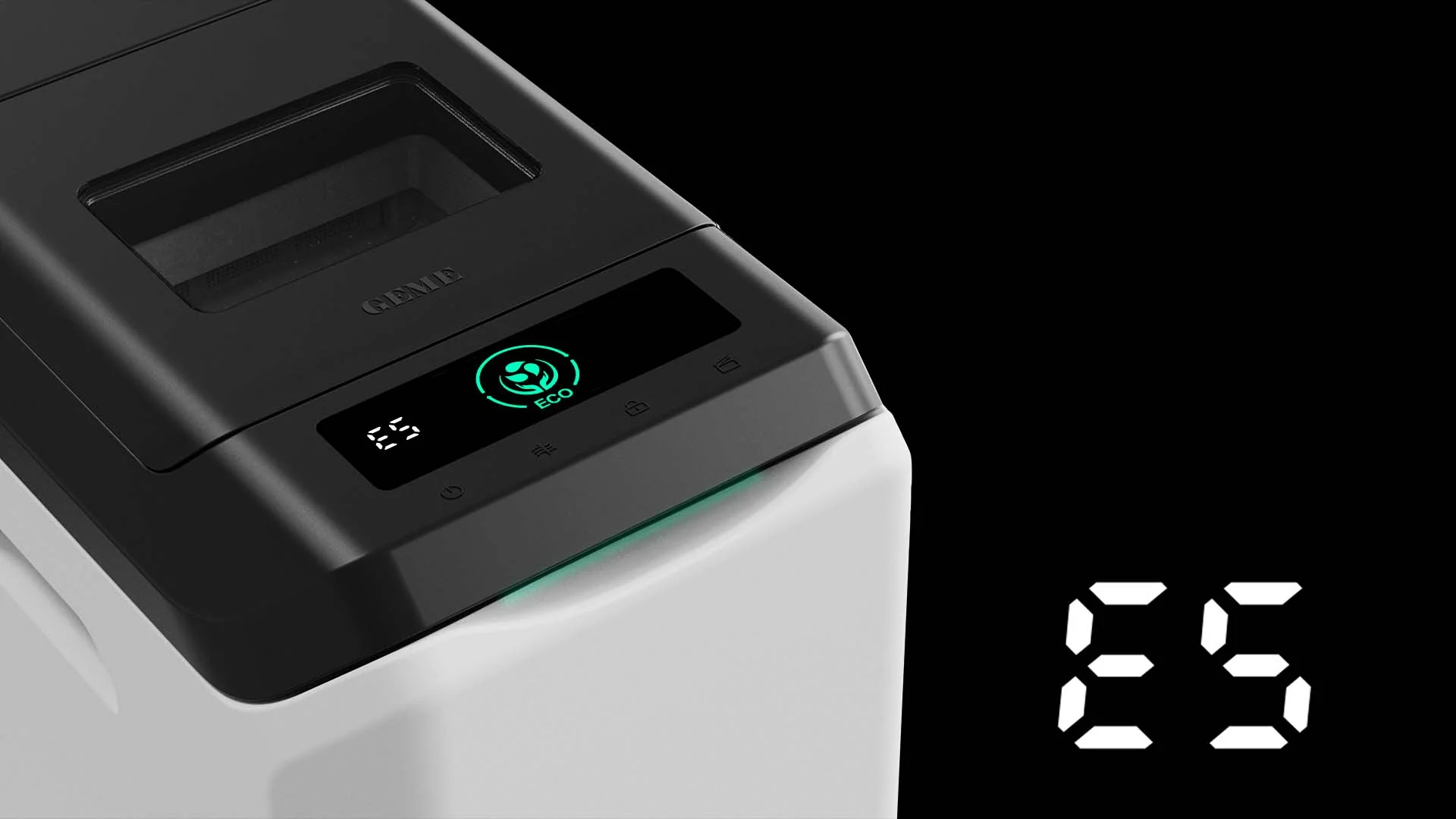
What an E5 fault means in GEME Terra 2 and what it does not

Get $100 OFF: GEME Composter Discount Codes on Amazon for Earth Day, 2026
The “wet standard”: what living compost base should actually feel like?
Why low average power matters more than dramatic peak wattage?
How to Avoid Food Poisoning Related to Leftovers: The Science Behind Leftover Food
GEME Composter vs DIY Bokashi: Which Should You Choose?
Permanent Odor Control: Catalyst Path vs. Disposable Carbon
GEME Composter Review 2026: Real Compost, No Filter costs
Why is the GEME chassis intentionally heavier than a typical countertop appliance?

How to Plant Tulips in Spring
How to Compost at Home: A Complete Beginner's Guide
What Can You Put in an Electric Composter? Meat, Dairy, Bones (Clear Rules + Hard Limits)

Can an Electric Composter Handle Salt & Oil? Boundaries for Real Leftovers (Without the Myths)
Mastering the GEME Cycle: An Agronomist’s Guide to Continuous-Flow Compost Application

Countertop Composter Is a Misnomer: Where an Electric Composter Actually Belongs in a Real Kitchen
Top 5 Electric Composters on Amazon: 2026 Buyer’s Guide

GEME Terra II: The Pros and Cons
Top 5 Kitchen Composters: Pros and Cons
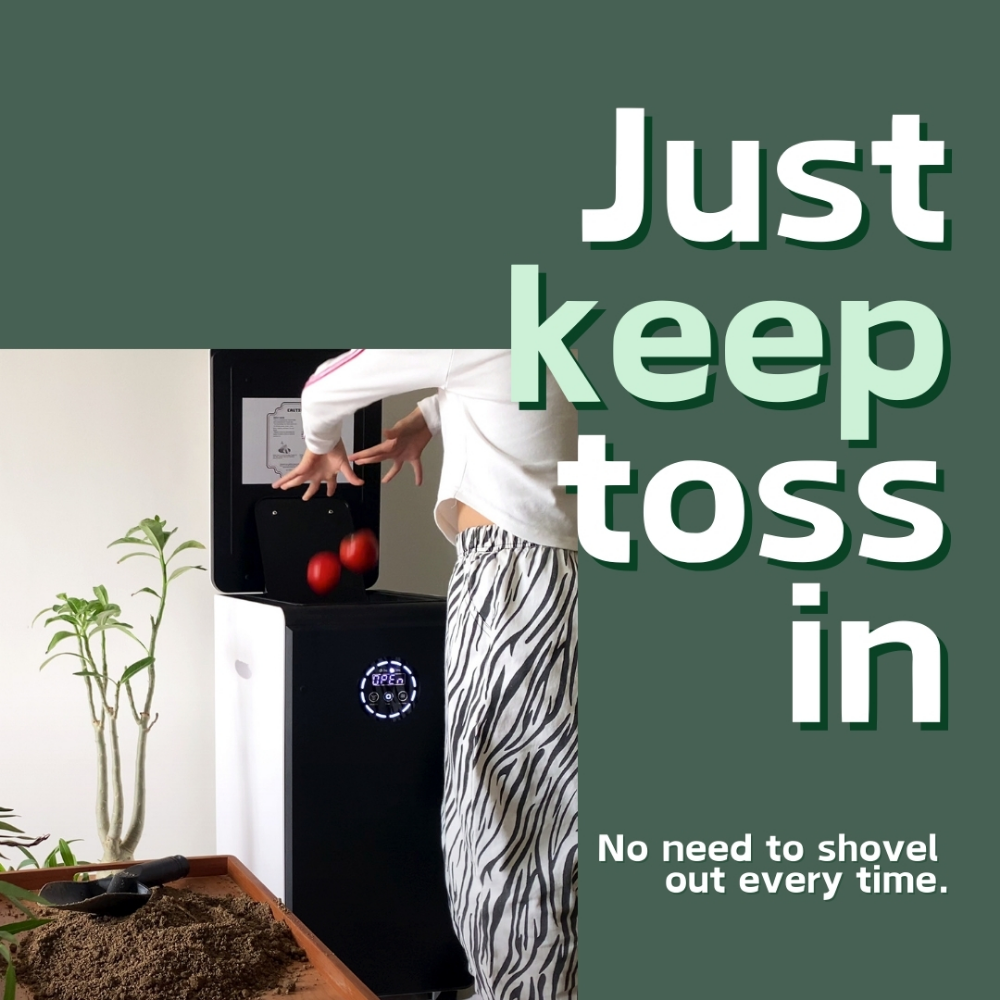
GEME Composter Review: Best Indoor Composter 2026
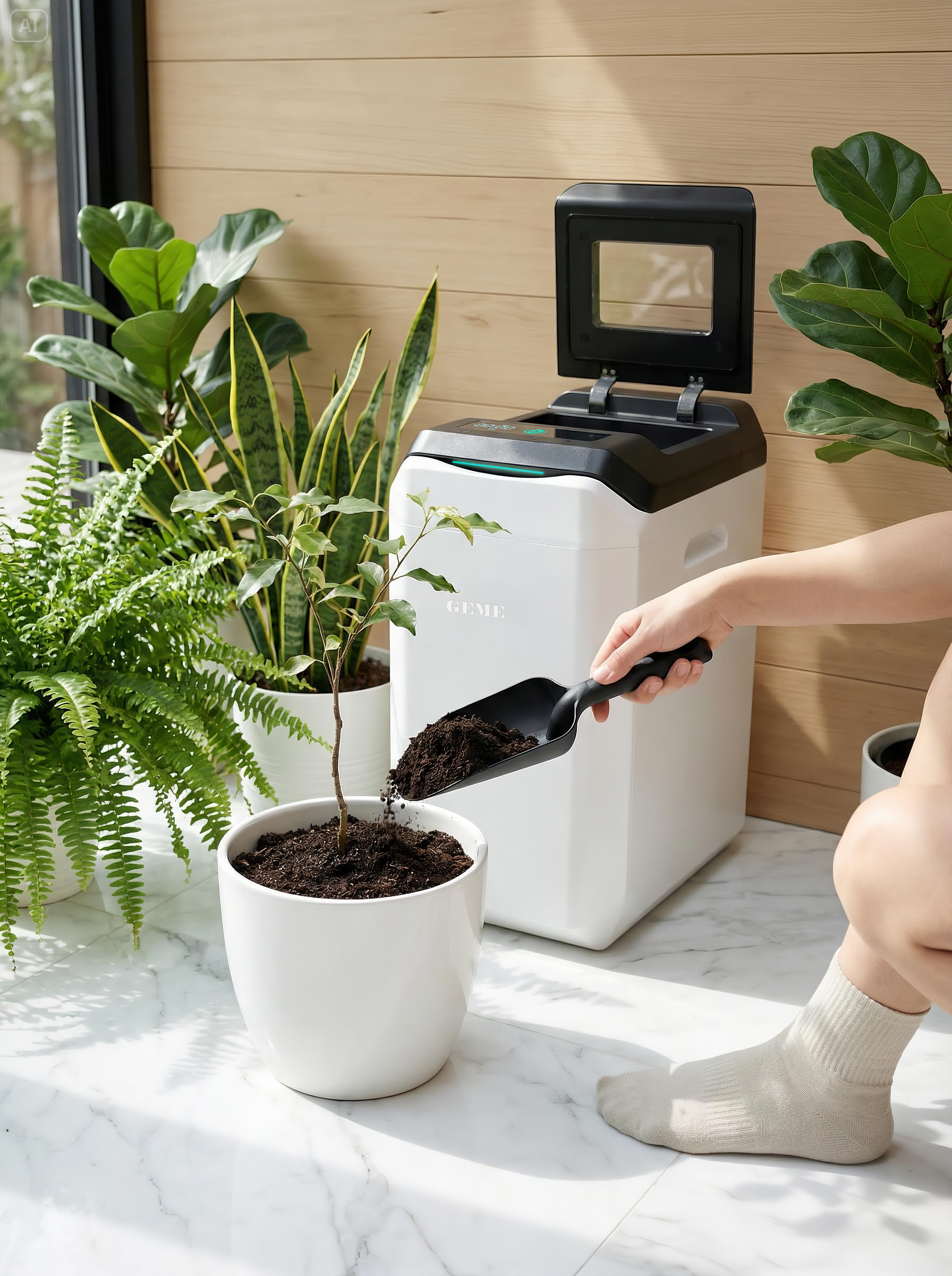
The Best Kitchen Composter Verdict 2026
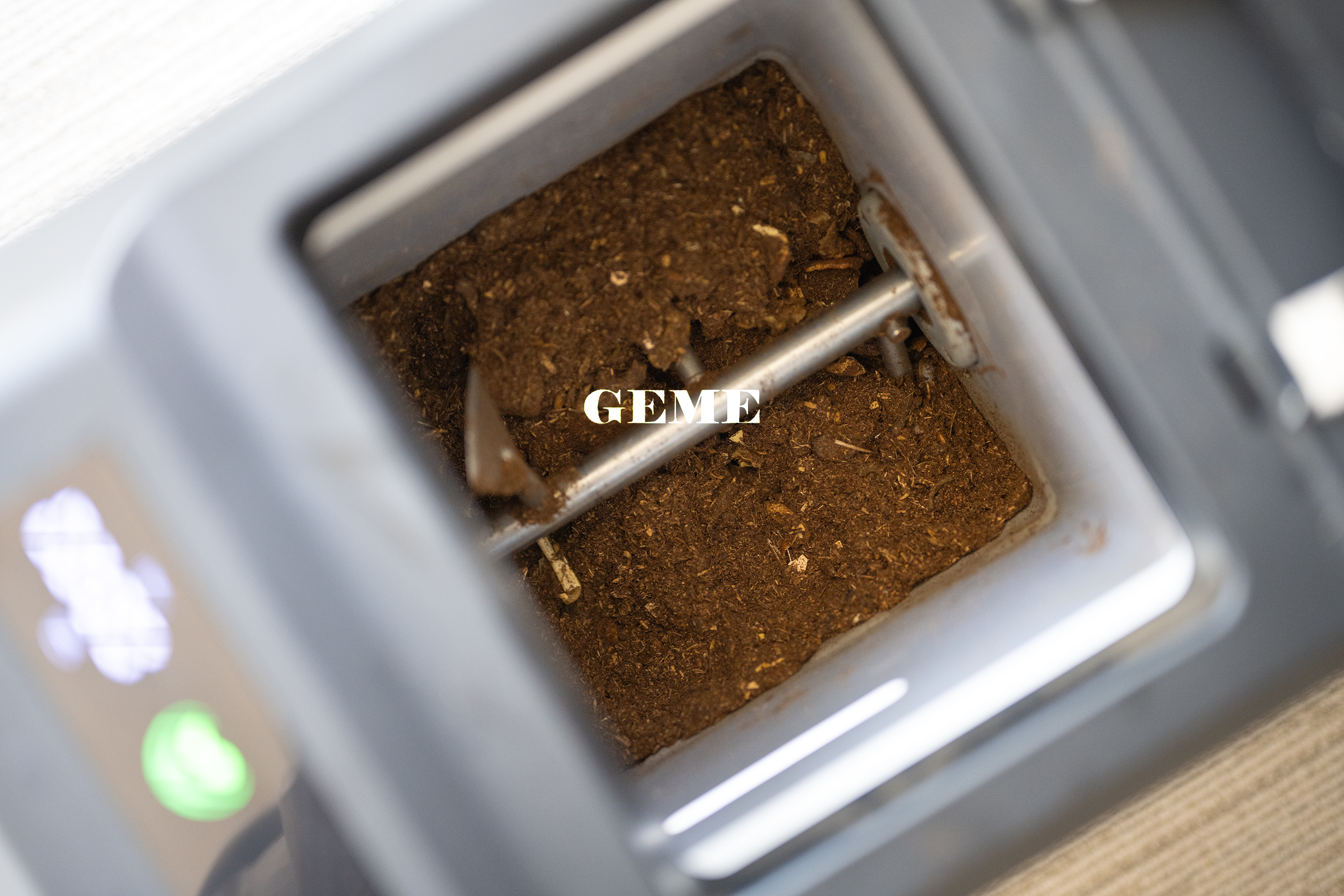
The Best Composter for Avoiding Recurring Fees: GEME Terra 2 vs. Lomi, Mill, and Reencle

Can I Compost Cut Flowers?
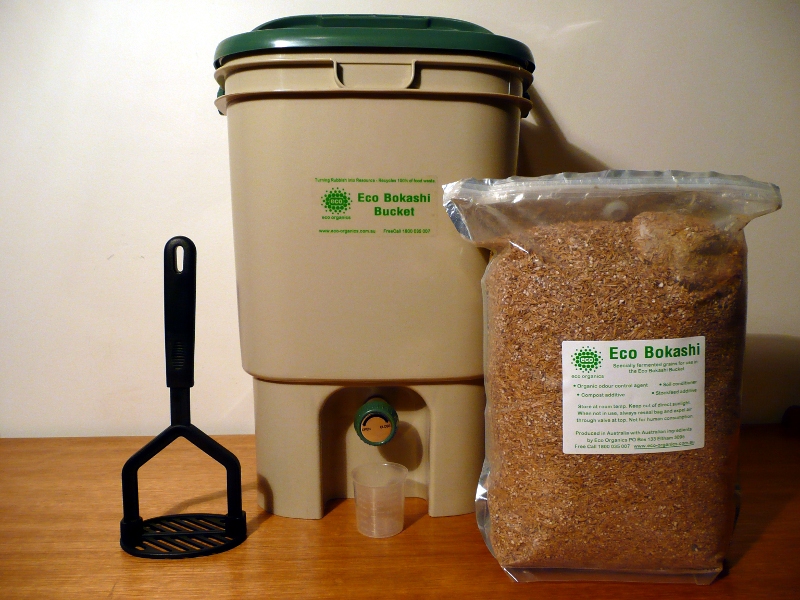
How Long Does Bokashi Take to Compost?

How to Care For Hydrangeas And Change Their Colors
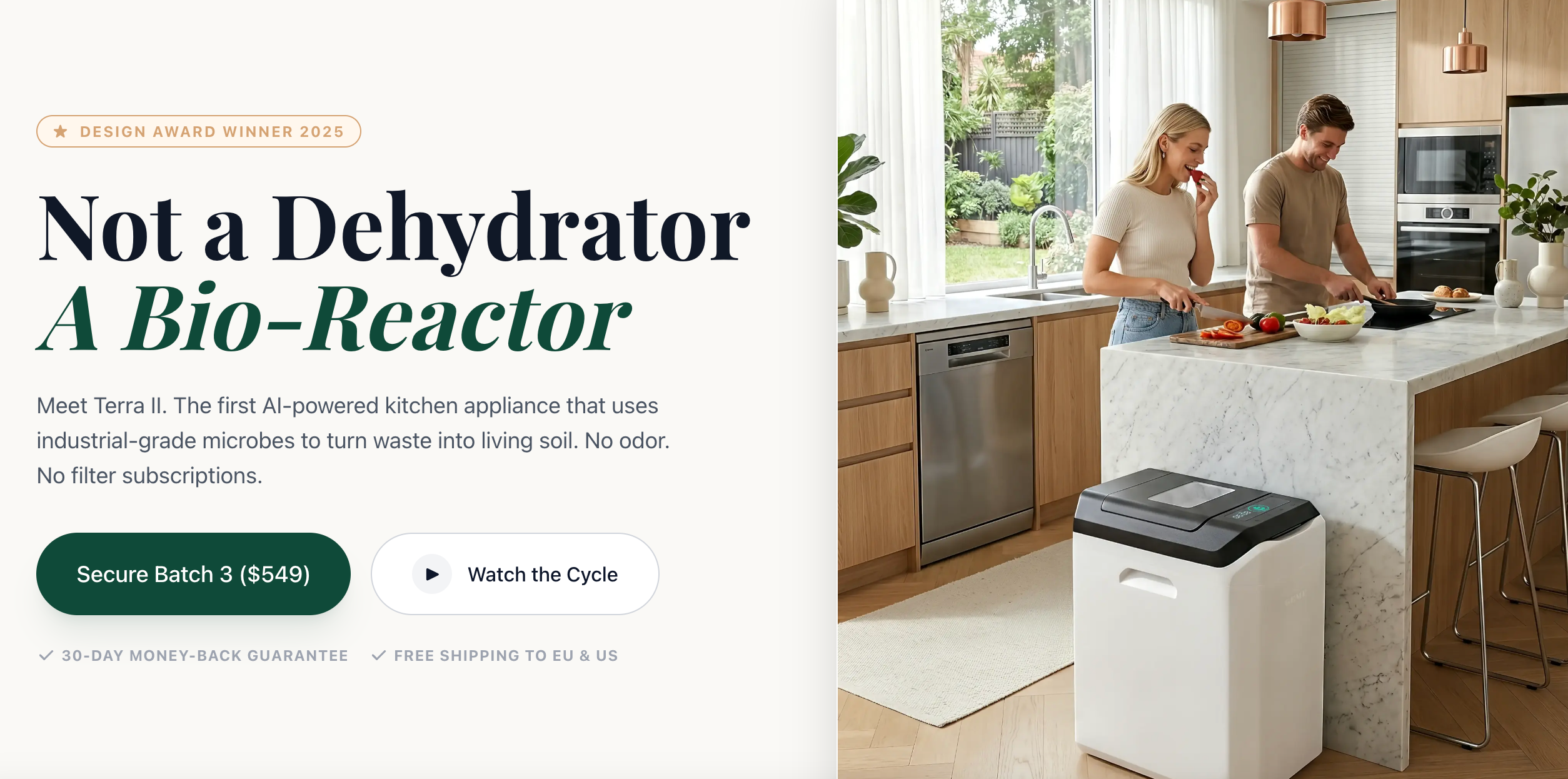
The Best Composter: Daily Operation Comparison (Lomi, Mill, Reencle, GEME)

How Long Does Pizza Last In The Fridge? The Ultimate Leftover Safety Guide
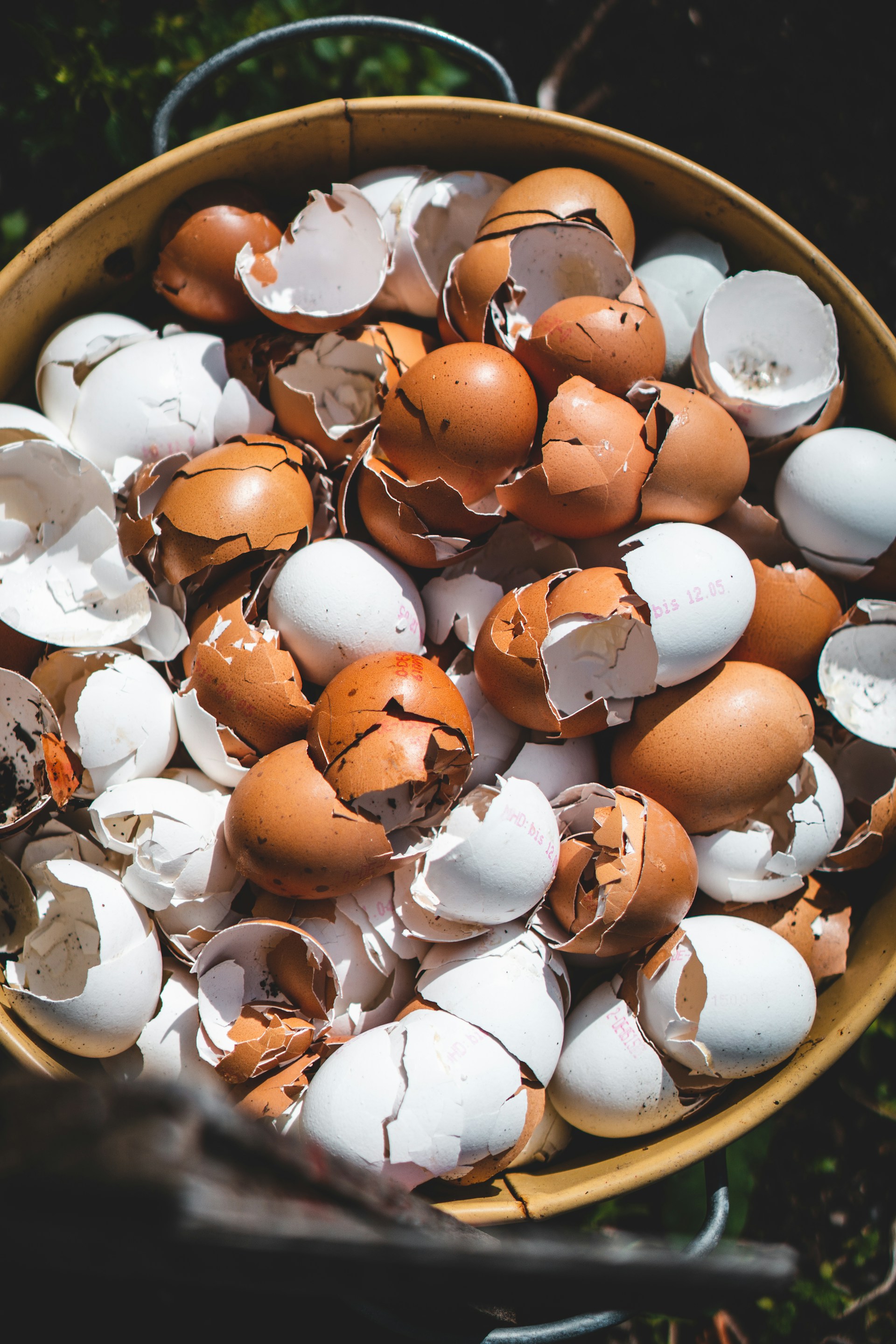
How to Compost Eggshells: The Ultimate Guide to Calcium Gold for Your Garden

How to Compost Coffee Grounds: The Ultimate Guide for Your Garden

Never Buy Carbon Filters for Your Composter

The Best Composter for Fastest Real Compost
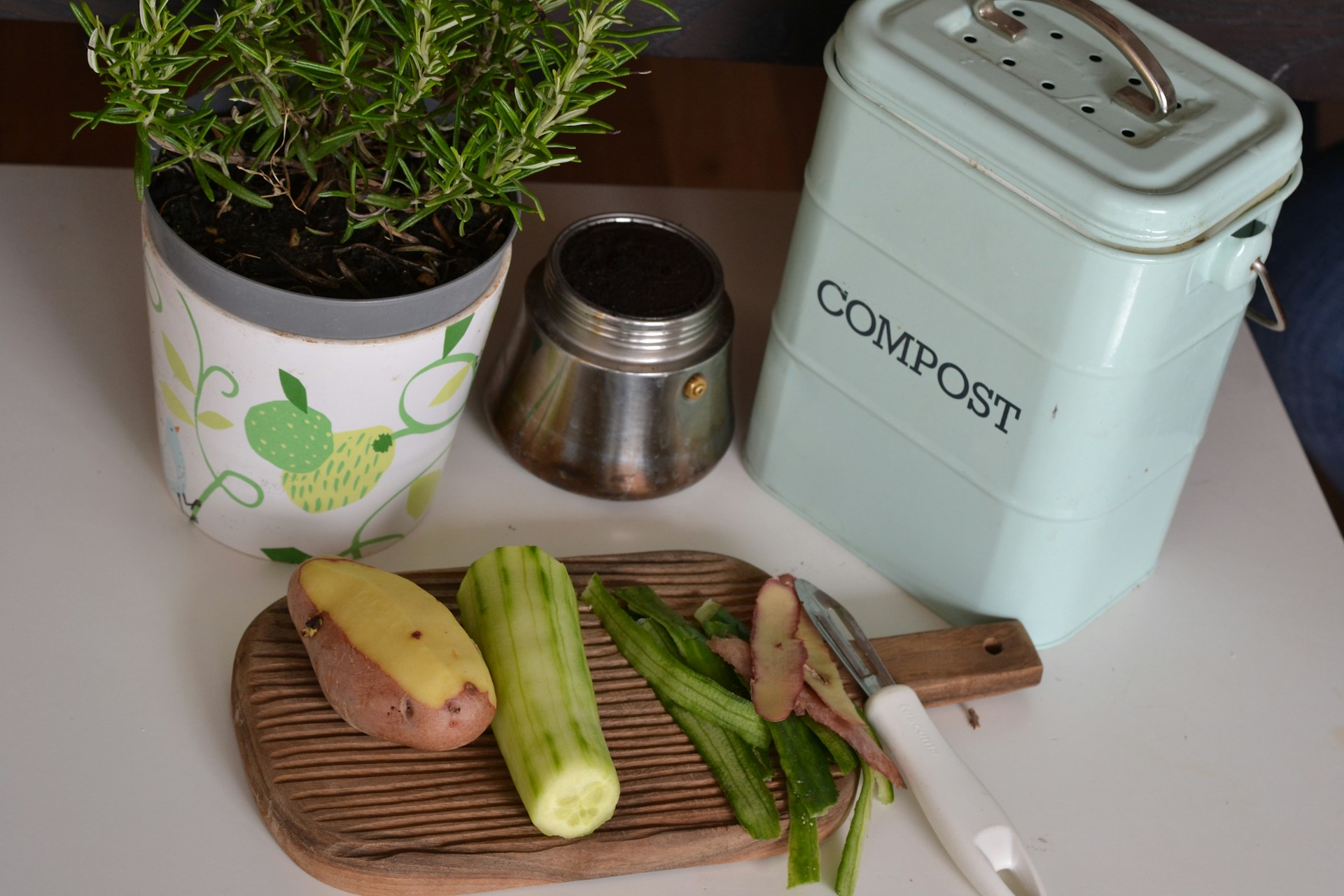
How to Compost at Home for Beginners: The Ultimate 2026 Guide

How Long Can Chicken Stay in the Fridge? The Ultimate Guide to Safety, Spoilage, and Sustainable Disposal

How to Reduce Odor: Practical Tips for Indoor Composting That Actually Work

How Long Can Ground Beef Stay In The Fridge
Breaking News: NYC Fines for Food Waste Are Back, 2026

The Best Composter For Small Kitchen

How to Reduce Food Waste During Holiday: A Sustainable Spring Festival Guide
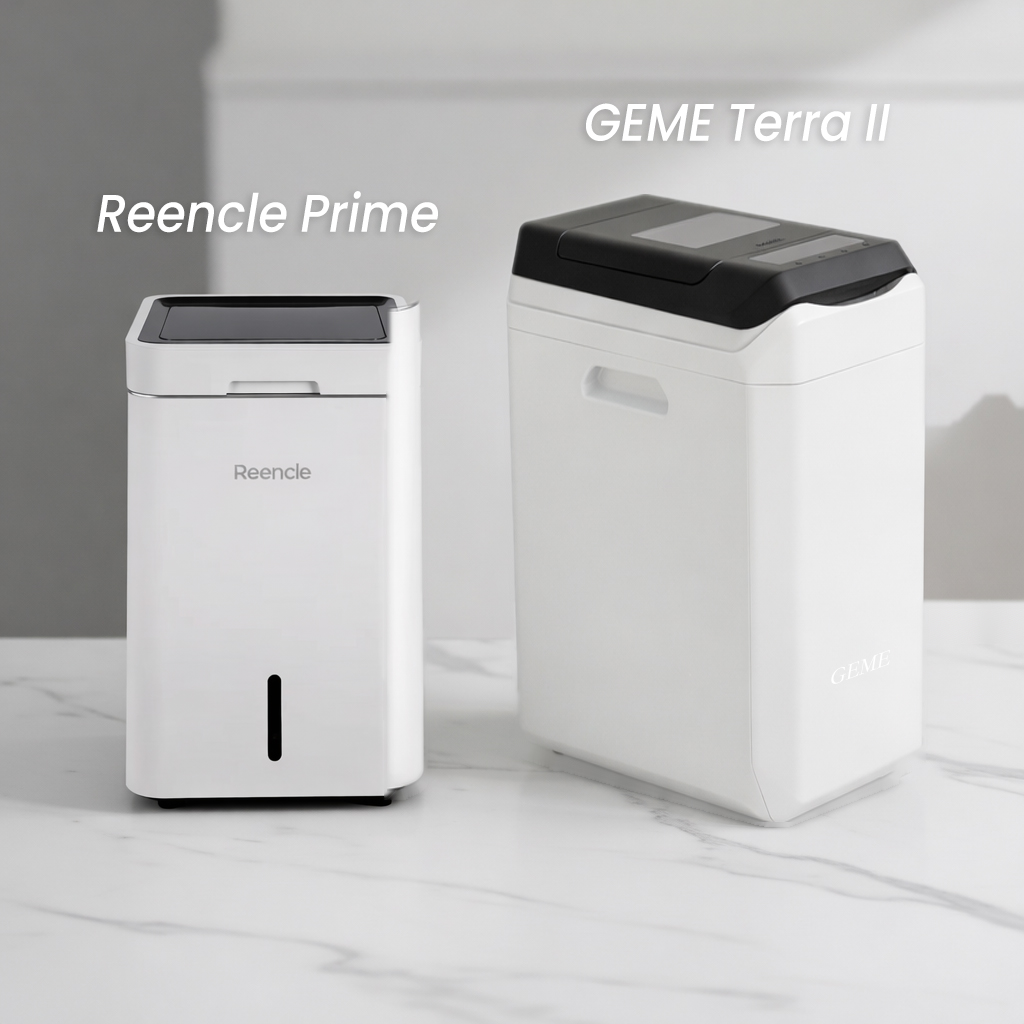
Reencle vs. GEME: The Ultimate Microbial Composter Showdown
Does Mill Composter Really Compost? Honest Review & Best Kitchen Composter Guide 2026
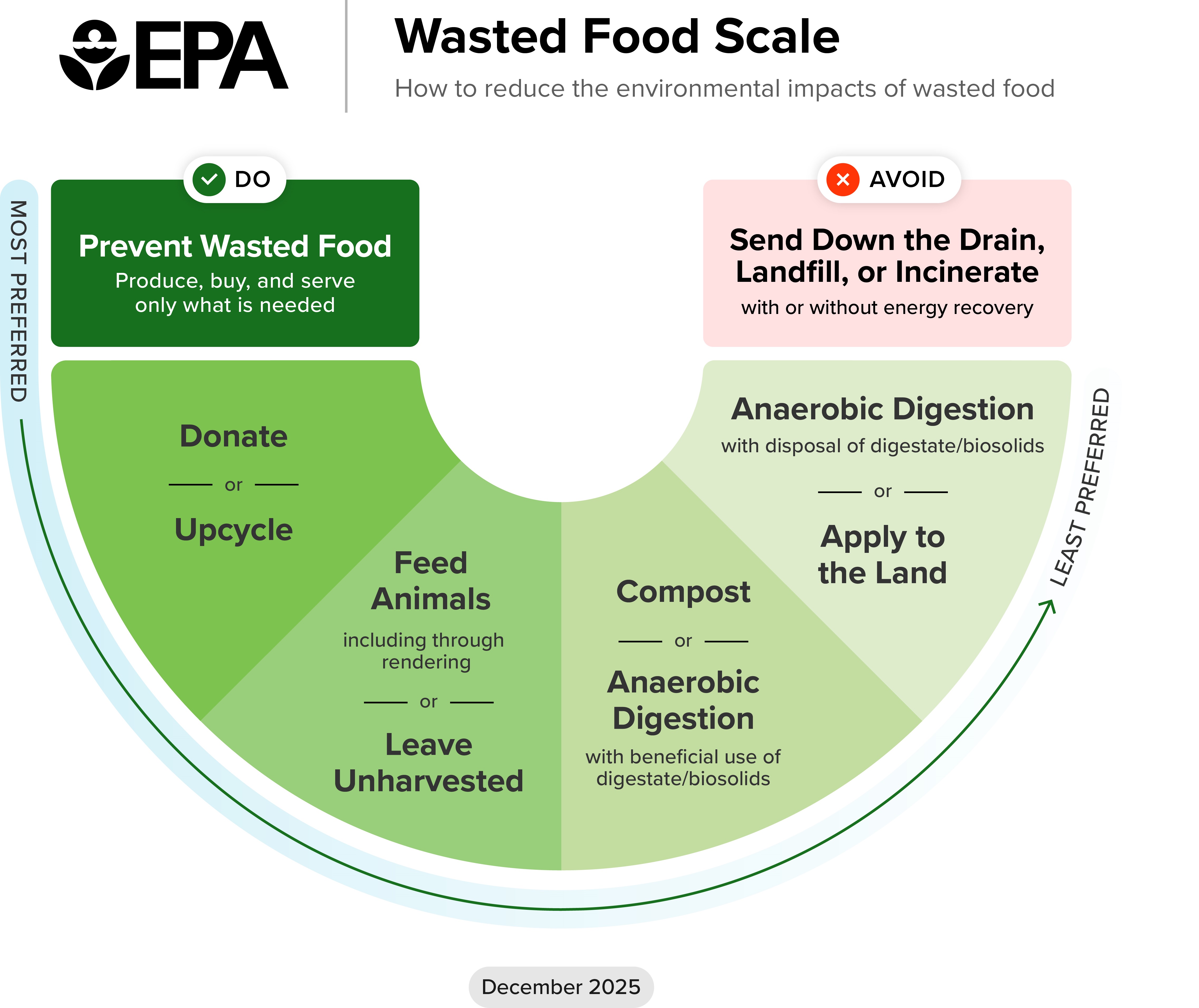
How to Reduce Food Waste at Home (Best Solution 2026)

McDonald’s Free Caviar Kits Raise Concerns of Food Waste | 2026 Composting Insights

Winter Composting Crisis: How the 2026 Bomb Cyclone Makes Indoor Composting Essential
How to Compost in an Apartment (Best Solution 2026)

Zero-Waste Lifestyle Starts in Your Kitchen: How to Reduce Food Waste with GEME Terra 2 (Best Kitchen Composter Guide)
Does the Lomi Composter Really Compost? Lomi vs GEME Terra 2
Top 5 Kitchen Composters in 2026
Best Kitchen Composters in 2026: GEME Terra II Redefines “Real Compost”
GEME Terra 2 vs Reencle Composter: 2 different Microbial Composting Approaches
GEME Terra 2 vs Mill Composter: The 2026 Decision Guide
The Best Electric Kitchen Composter of 2026

Mastering the GEME Cycle: An Agronomist’s Guide to Continuous-Flow Compost Application
Geme Terra 2 vs Lomi: Which Countertop Composter Is Better for a Zero Waste Home?
Electric Compost Bin Filters Cost: GEME vs Lomi vs Mill vs Reencle
Bio-Composting Breakthroughs: GEME Terra 2 Debuts, An Easier & Smarter Way To Compost At Home
Can You Compost Bread?

Can I Compost Spoiled or Moldy Fruit Like Grapes? Here's A Practical Guide
Composting Basics: Backyard Compost Pile VS GEME Electric Composter

How Can We Make Bananas Last Longer?

How Long Do Apples Last in The Fridge? An Ultimate Guide For You to Keep Apples Fresh
The Best Kitchen Composter For Reducing Food Waste | Which One is Your Favourite?
Ready to transform your gardening game? Subscribe to our newsletter for expert composting tips and sustainable gardening advice.