How to Reduce Food Waste at Home (Best Solution 2026)

How to Reduce Food Waste at Home?
Quick Answer:
To reduce food waste effectively at home, prioritize systematic food planning, proper storage techniques, and embrace smart composting with tools like GEME Terra 2, an AI-controlled kitchen composter that turns food scraps into real compost quickly and odor-free.
Introduction: The Global Imperative to Reduce Food Waste
The headlines are constant, yet the problem persists. From fast-food giants phasing out plastics to holiday-focused guides on mindful consumption, food waste news consistently underscores a global crisis. In the United States alone, food accounts for 24% of landfill material, where it decomposes anaerobically, making it a top source of methane emissions, a greenhouse gas far more potent than carbon dioxide. While corporate sustainability efforts are commendable, the most impactful food waste management frontier is often the most personal: our own kitchens.
In homes, significant contributors include:
-
unused leftovers
-
spoiled produce
-
kitchen peelings and scraps
This isn’t just lost food — it’s lost money and embedded environmental impact. Recent food waste news highlights just how big this problem has become:
-
In the United States, nearly 33% of all produced food goes uneaten, equivalent to 80 billion pounds annually, contributing significantly to greenhouse gas emissions.
-
Across the European Union, about 88 million tonnes of food waste is generated yearly — roughly 20% of all food produced and valued at €143 billion.
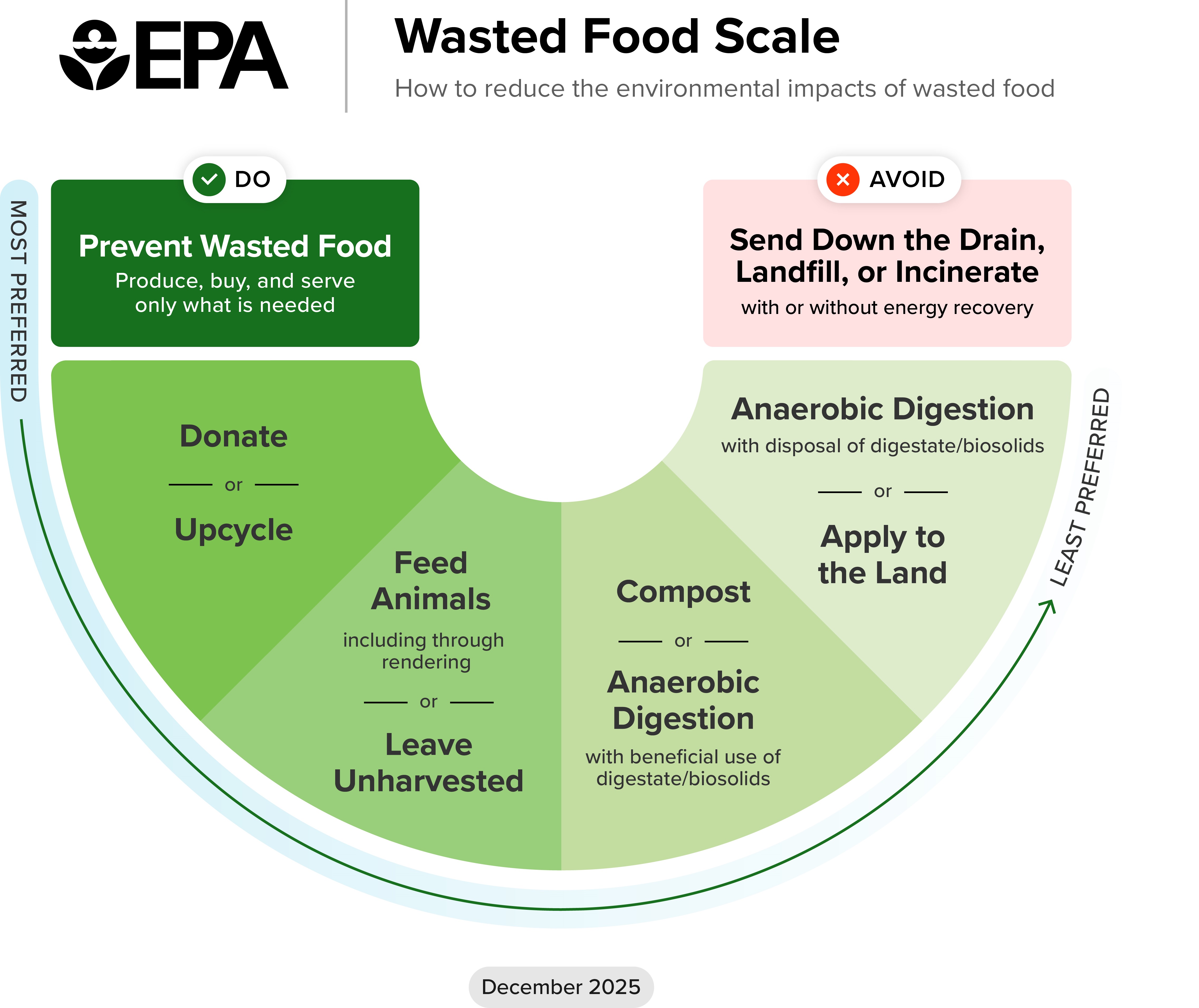
Understanding the environmental stakes is crucial. Sending organic waste to a landfill isn't a neutral act. In that oxygen-poor environment, food scraps generate methane, which accounts for 58% of all landfill methane emissions to the atmosphere. The EPA states this pathway has "the largest environmental impacts and has limited potential for circularity".
For the scraps we cannot prevent—peels, cores, spoiled leftovers, and bones—composting is the gold standard for food waste management, closing the loop by returning nutrients to the soil. Yet, for many households, traditional composting is hindered by space, time, odor, and complexity.
Today's food waste news isn't just about the problem; it's about the technological evolution of the solution. The question is no longer "why" we should reduce food waste, but "how" we can do it seamlessly within our modern lives. The answer lies in redefining what a kitchen appliance can do.
1. How to Reduce Food Waste: Practical Strategies
1.1 Meal Planning
Start by planning weekly meals to avoid impulse purchases that go unused.
-
Inventory what you already have
-
Plan meals around perishables soon to expire
-
Cook balanced portions to minimize leftovers
1.2 Smart Storage
-
Proper storage extends shelf life.
-
Use airtight containers
-
Refrigerate leafy greens with paper towels to absorb moisture
-
Freeze bread and meat you won’t use soon
1.3 Buy Ugly Produce
Many stores now sell “imperfect” produce that tastes great but would otherwise be wasted.
1.4 Composting
Composting is an aerobic process. In the presence of oxygen, microorganisms break down organic matter into a stable, nutrient-rich soil amendment called humus. This process avoids methane production, enriches soil health, increases water retention, and completes a natural cycle. It's the biological imperative behind every effort to reduce food waste.
For decades, implementing this science at home required a backyard bin, manual turning, and months of patience. Modern urban living demanded a better tool—a shift from an outdoor chore to an integrated, indoor convenience. This demand sparked innovation but also led to a critical market confusion: the difference between waste reduction and true composting.
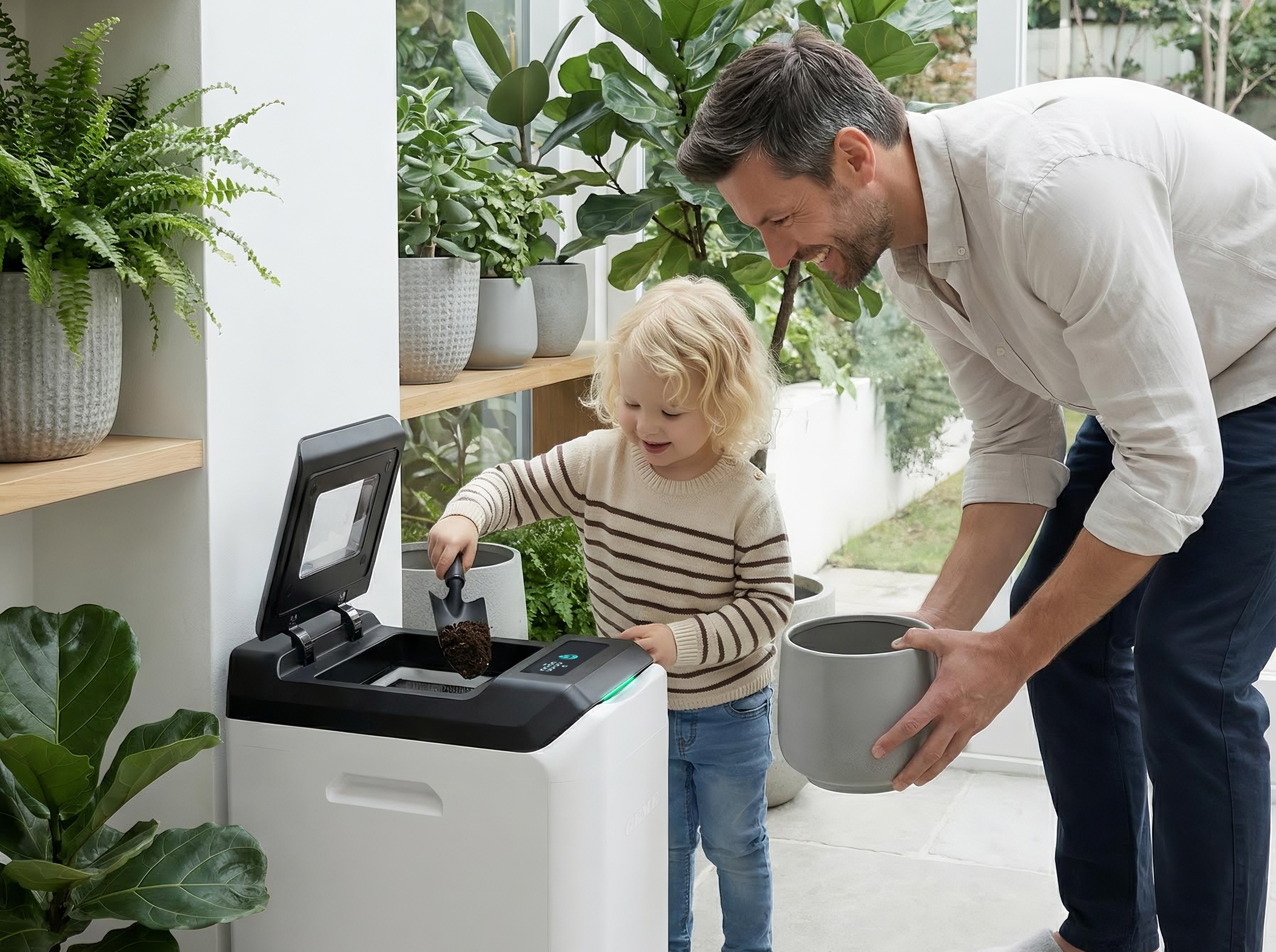
GEME Terra II: Best Kitchen Composter
✅ Best Composter to Reduce Food Waste
✅ Quiet, Odour-Free, Real Compost
✅ Zero Filter Costs, No Refills
✅ Reduce Landfill Waste & Greenhouse Gases
2. Food Waste Management at Home: Why It’s Hard Without the Right Tools
Even with great habits, homes still create organic waste — coffee grounds, peels, eggshells, etc. Traditional waste bins send these scraps to landfills where they generate methane, a potent greenhouse gas. That’s why food waste management at the household scale needs innovation — and not all kitchen composting solutions are equally effective.
The Composting Challenge in Apartments
In apartments, many turn to DIY compost bins. But this often leads to:
❌ Smells due to anaerobic decomposition
❌ Insects or fruit flies
❌ Mess and daily maintenance
❌ Months-long waiting for usable compost
As many residents report on social platforms discussing urban living, turning compost piles on balconies or in closets rarely works as promised — especially without outdoor space.
So how can city dwellers compost real food waste without smell or stress?
The market is flooded with electric kitchen appliances claiming to handle food waste management. However, a critical distinction exists, one that is often obscured by marketing. Most popular countertop units are food waste dehydrators and grinders, not composters.
These devices use high heat to dry and chop waste into a preserved, inert material. As one leading competitor's support documentation explicitly states, its output "Food Grounds aren't compost". This dehydrated material may reduce volume and odor, but it has not undergone the biological transformation into humus. It often requires further processing in a traditional compost pile or municipal facility, defeating the purpose of a "set-and-forget" kitchen solution.
This creates a frustrating gap for eco-conscious households. The desire for a convenient, indoor solution is met with appliances that offer only a partial answer. People looking for a genuine way to reduce food waste and create a usable end-product are left wanting. This gap between intention and authentic outcome is precisely where a new standard emerges.
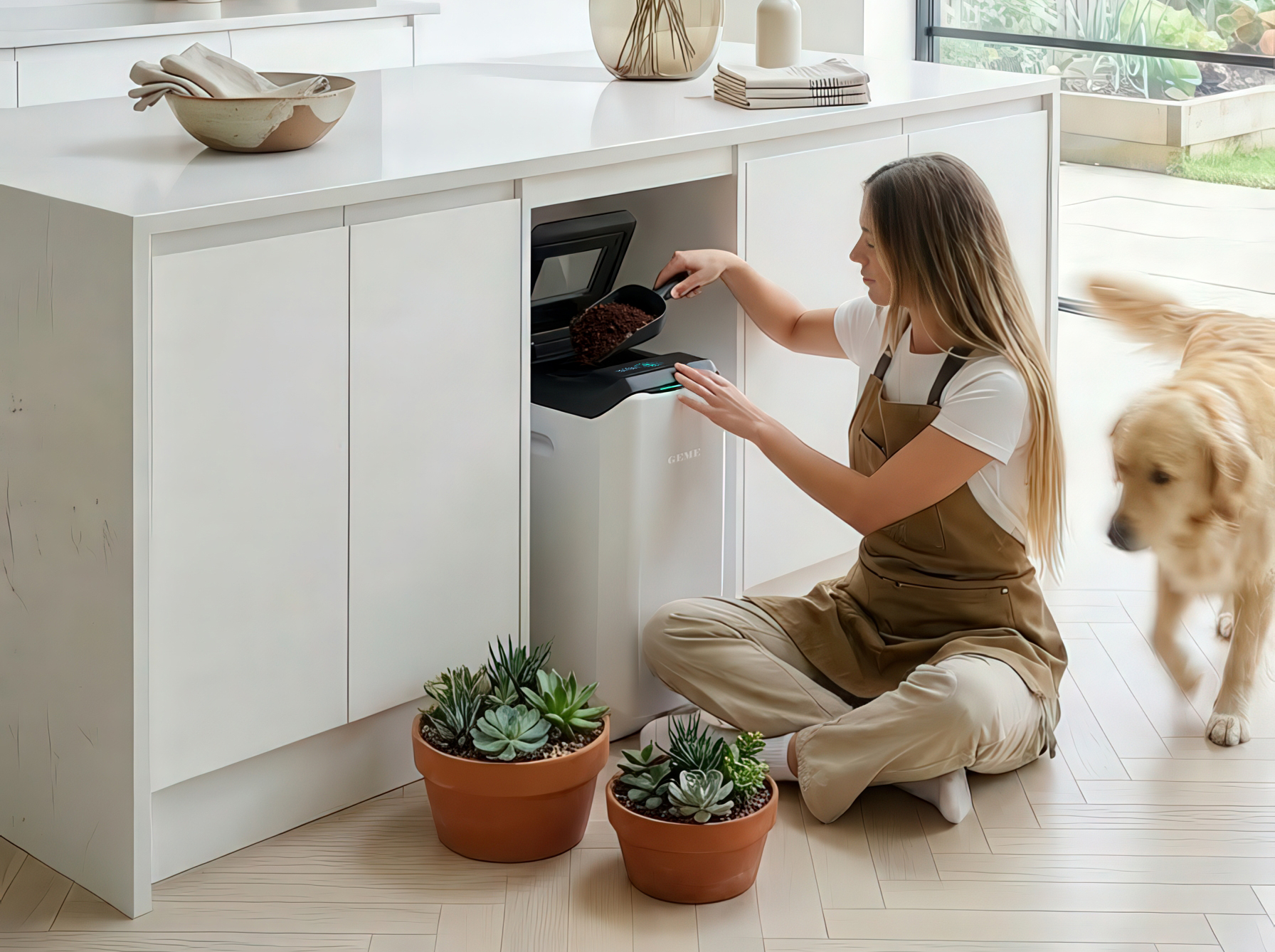
3. GEME Terra 2: The Engine of Authentic Circularity
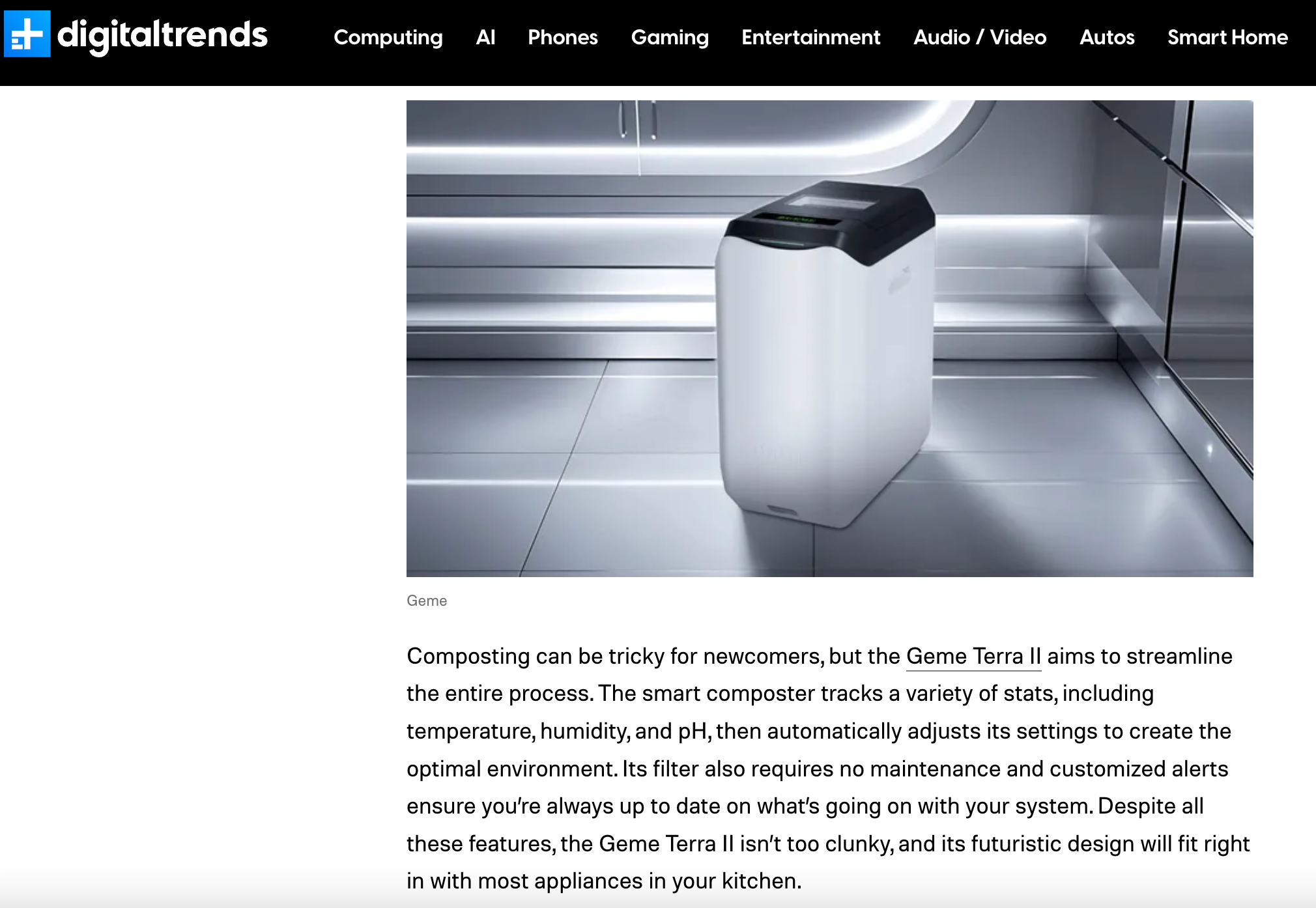
GEME Terra 2 is a breakthrough in food waste management technology — designed for apartments, small kitchens, and busy households. It’s widely considered the best kitchen composter available in 2026 thanks to its AI-assisted microbial process.
The GEME Terra 2 is engineered on a foundational principle: to bring the authentic, EPA-endorsed science of composting into the modern home. It doesn't dehydrate; it digests. Here’s how it redefines food waste management:
-
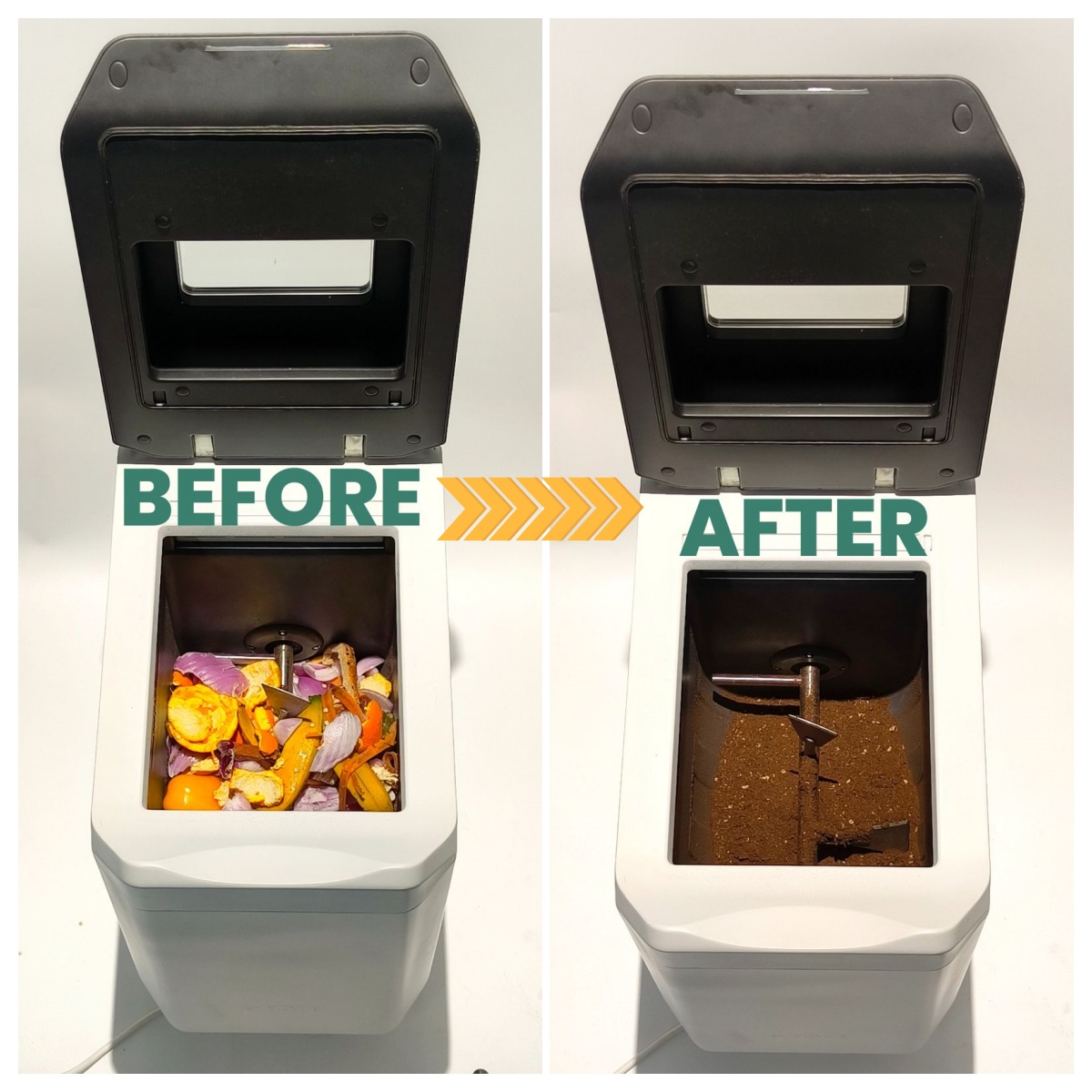
True Microbial Composting: Unlike dehydrators, the Terra 2 creates an ideal, controlled environment for specialized microbes (GEME Kobold) to thrive. It simulates a hot, aerated compost pile "in a box," using aerobic decomposition to break down waste biologically. This results in real compost, not dried grounds.
-
Unmatched Capacity and Continuity: With a published capacity to process up to 2kg of waste per day, it handles the output of a cooking-active household. Its continuous processing model means you can add scraps at any time—no waiting for a batch cycle to end.
-
Waste Diversion Powerhouse: The system achieves up to 95% volume reduction through biological breakdown. This efficiency means you only need to harvest the finished, nutrient-dense compost every 1-2 months, making it remarkably low-maintenance.
-
Permanent, Zero-Cost Filtration: The Terra 2 utilizes a permanent Metal-Ion Catalytic filter system designed to last the lifetime of the appliance. This eliminates the recurring expense and hassle of replacing carbon filters, a hidden long-term cost with other systems.
GEME Terra II: Best Kitchen Composter
✅ Best Composter to Reduce Food Waste
✅ Quiet, Odour-Free, Real Compost
✅ Zero Filter Costs, No Refills
✅ Reduce Landfill Waste & Greenhouse Gases
See how GEME Terra II works & why it matters -->
Learn more about GEME Kobold and the controlled microbial fermentation -->
4. GEME Terra 2 vs. Dehydrators: A Clear Choice
To understand why the GEME Terra 2 represents a leap forward in food waste management, a direct comparison is revealing.
| Feature | Typical Food Waste Dehydrators/Grinders | GEME Terra 2 |
|---|---|---|
| Core Process | High-heat drying & mechanical grinding. | Aerobic microbial decomposition (true composting). |
| Primary Output | Dehydrated "Food Grounds" – not finished compost. | Authentic, living compost ready for soil use. |
| Daily Capacity | Often limited or batch-cycle dependent. | Up to 2kg per day with continuous, 24/7 processing. |
| Input Flexibility | Often restrictive (no meat, bones, dairy, oils). | Accepts virtually all food waste, including meat, small bones, dairy, liquid. |
| Recurring Costs & Hassle | Carbon filter replacements (e.g., $89 every few months); possible subscription plans. | $0 in filter costs (permanent system); no refills; no subscriptions. |
| User Experience | Wait for cycle to complete before adding more waste. | Add scraps anytime for a seamless kitchen workflow. |
Comparison Table: Real Compost vs Dehydrated Waste
| Feature | GEME Terra II | GEME Pro | Lomi | Mill | Reencle |
|---|---|---|---|---|---|
| True microbial composting | ✅ | ✅ | ❌ | ❌ | ✅ |
| Produces real compost | ✅ | ✅ | ❌ | ❌ | ❌ |
| Handles meat & dairy | ✅ | ✅ | Limited | Limited | Limited |
| AI condition control | ✅ | ❌ | ❌ | ❌ | ❌ |
| Ongoing filter cost | $0 | $0 | High | Medium | Medium |
| Final output usable in soil | ✅ | ✅ | ❌ | ❌ | ❌ |
GEME Terra II: Best Kitchen Composter
✅ Best Composter to Reduce Food Waste
✅ Quiet, Odour-Free, Real Compost
✅ Zero Filter Costs, No Refills
✅ Reduce Landfill Waste & Greenhouse Gases
5. GEME Terra 2: From Kitchen Scrap to Garden Gold
Choosing the GEME Terra 2 translates technical specifications into daily advantages for any household striving to reduce food waste:
-
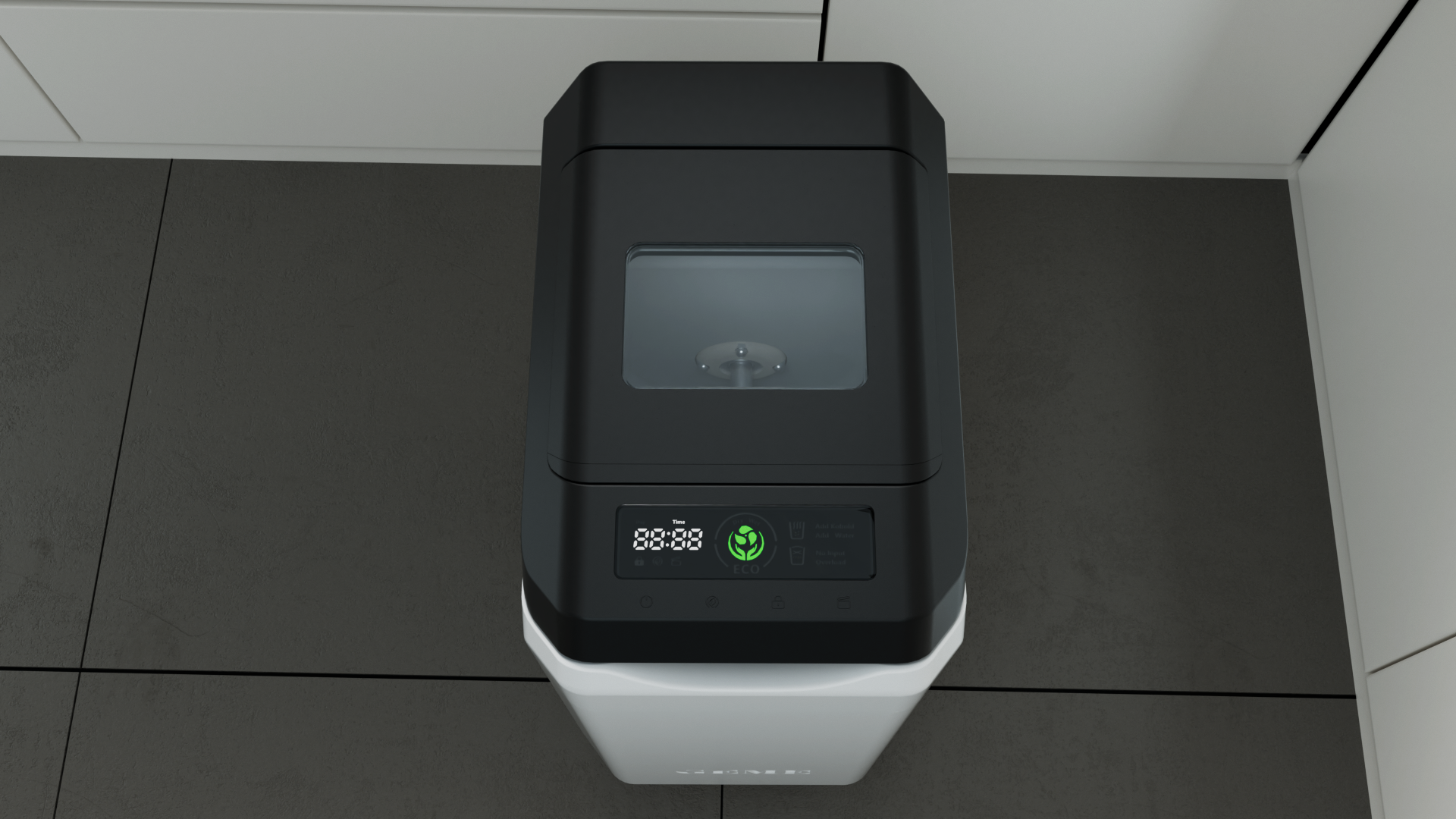
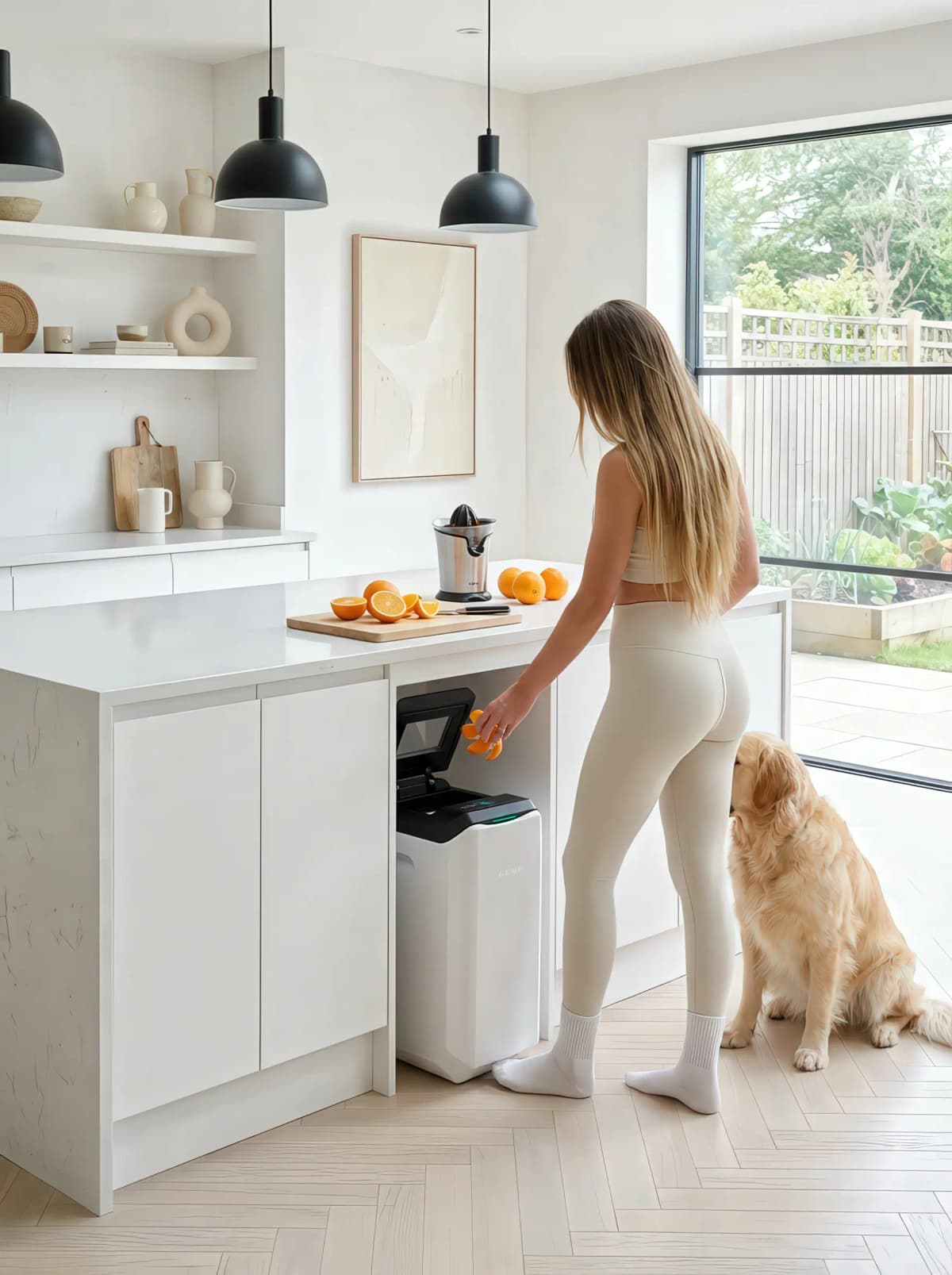
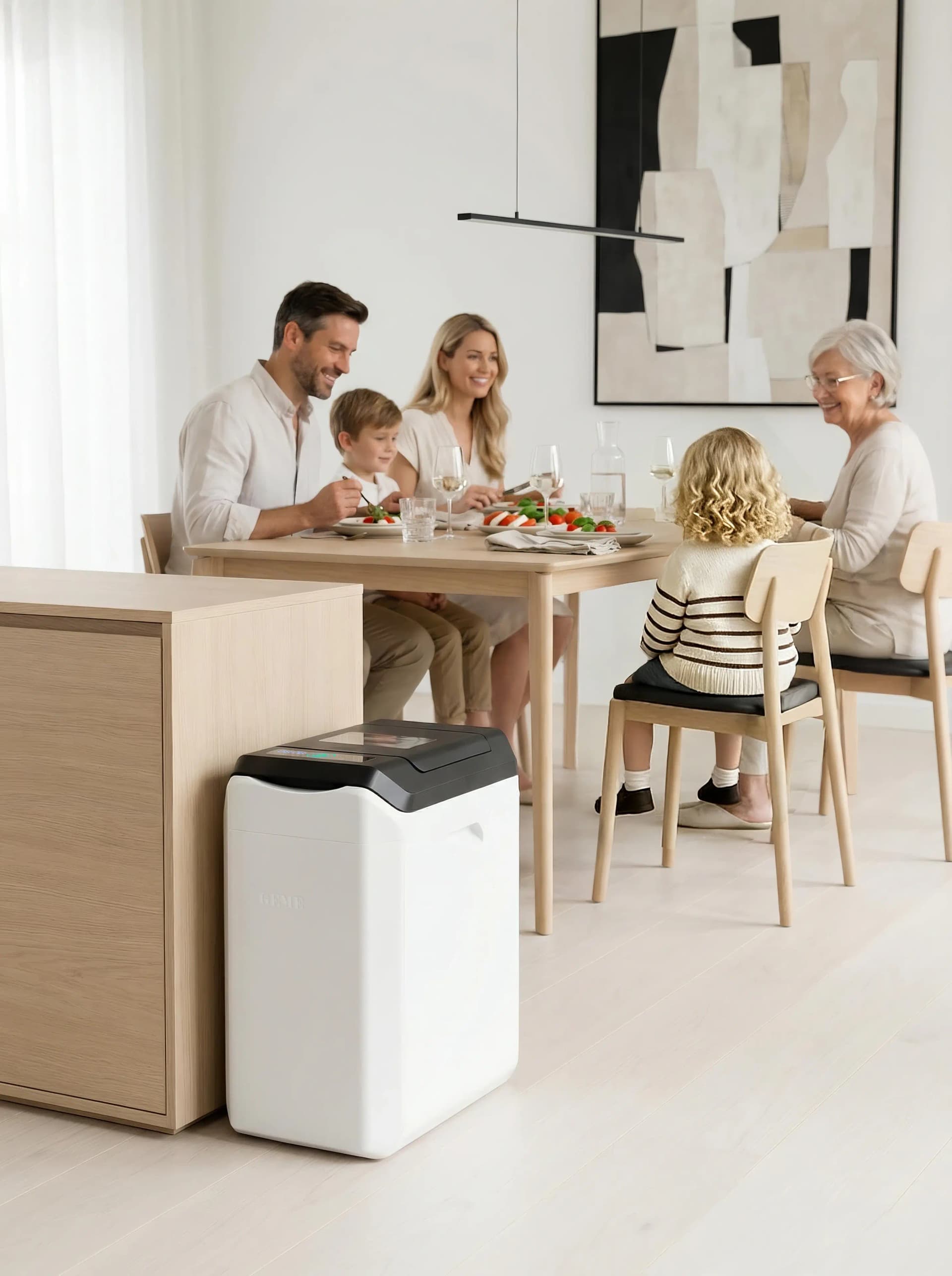
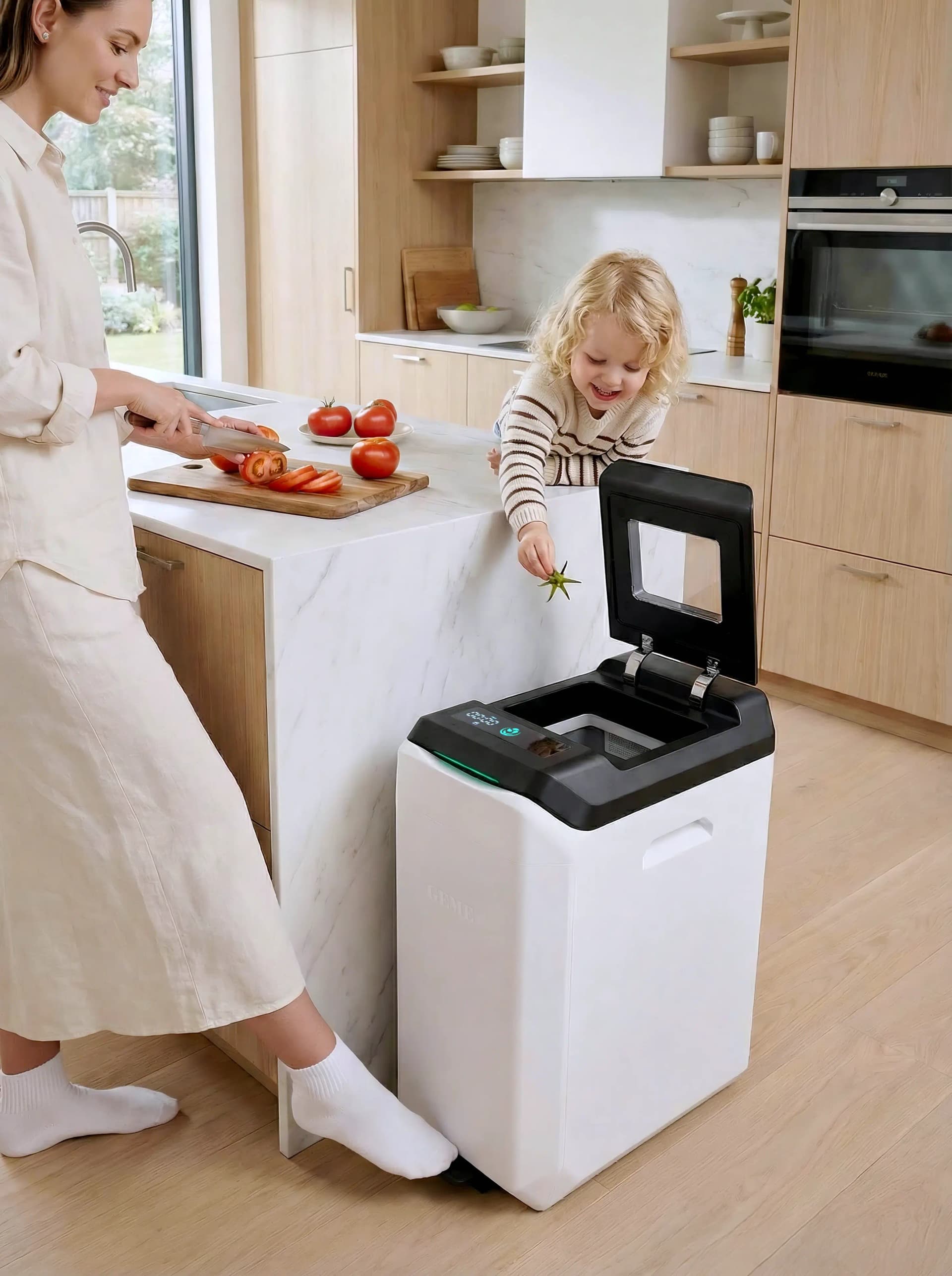
For Your Home: It operates quietly (35-40 dB), is odor-free thanks to its advanced filtration, and fits discreetly on the floor or countertop. The foot-pedal opening offers hygienic, hands-free access.
-
For Your Wallet: Beyond the one-time purchase, it eliminates subscription fees, pickup service costs, and filter replacement charges. Its daily energy consumption is comparable to a standard laptop. When analyzed, the annual electricity cost is approximately $68.
-
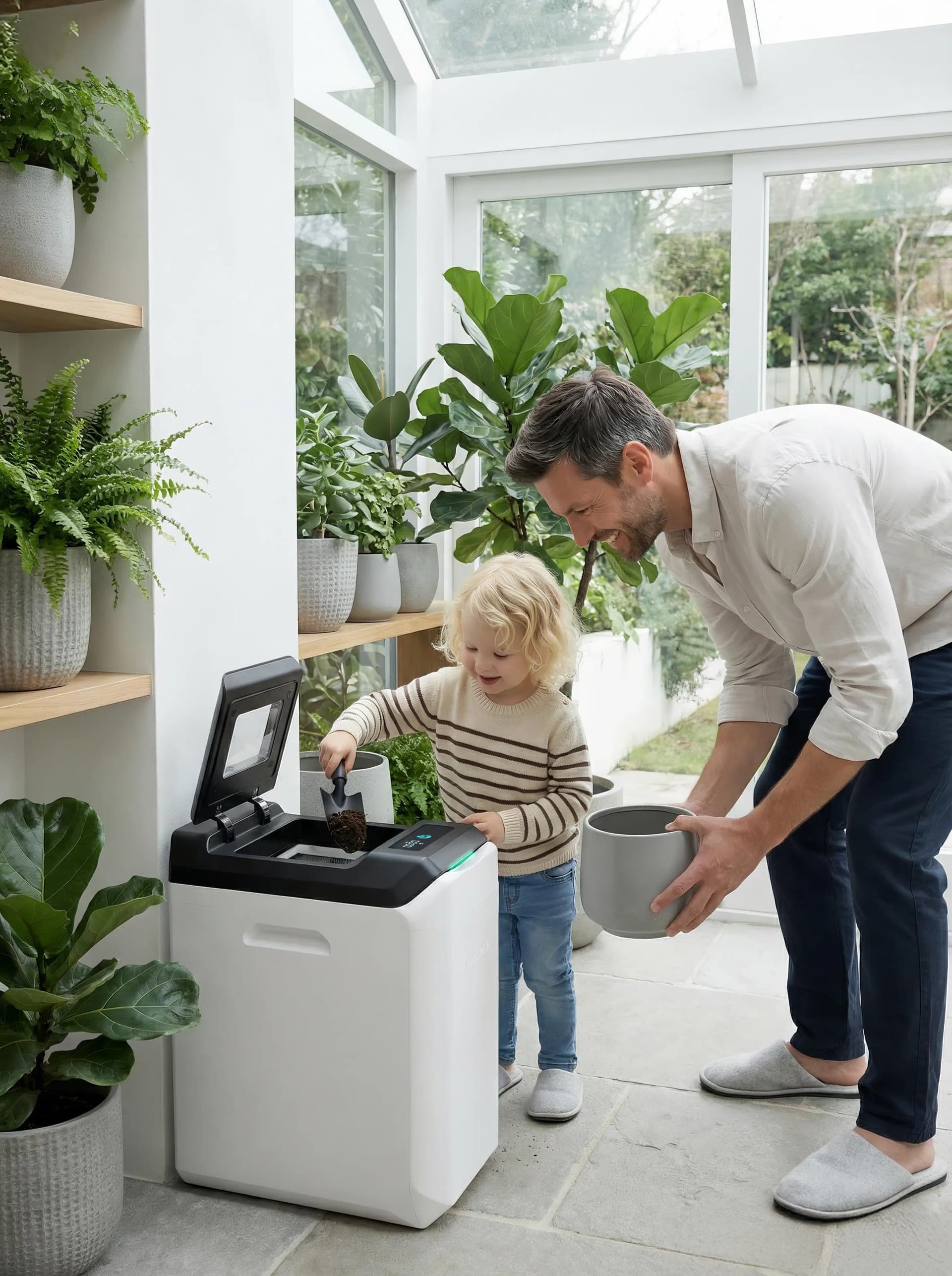
For Your Garden & Planet: The output is authentic, soil-ready compost teeming with beneficial biology. You can directly amend houseplant soil, enrich garden beds, or contribute to community gardens, transforming your household's waste stream into a resource that sequesters carbon and builds healthy soil.
The latest food waste news and authoritative EPA guidance make one thing clear: managing our organic waste is a critical personal and collective responsibility. The journey to reduce food waste effectively requires moving beyond awareness to adopting practical, impactful technologies.
The GEME Terra 2 is more than an appliance; it is a statement of intent. It empowers you to choose the EPA's preferred pathway of composting without sacrificing the conveniences of modern life. It replaces the guilt of sending scraps to the landfill with the tangible reward of creating black gold for your plants. In the mission to transform food waste management from a global problem into a household solution, the GEME Terra 2 doesn't just participate, it leads.
Ready to free your hands when managing waste and starting creating resources? Visit geme.bio to learn more about how the Terra 2 can seamlessly integrate into your home, closing your kitchen's sustainability loop one scrap at a time.
GEME Terra II: Best Kitchen Composter
✅ Best Composter to Reduce Food Waste
✅ Quiet, Odour-Free, Real Compost
✅ Zero Filter Costs, No Refills
✅ Reduce Landfill Waste & Greenhouse Gases
6. FAQ: Food Waste, Composting & GEME Terra 2
Q1: What is “food waste” exactly?
Food waste refers to edible food that is discarded unused, mostly at the household level.
Q2: How to reduce food waste beyond composting?
Plan meals, store foods properly, use leftovers creatively, and buy only what you need.
Q3: How does GEME Terra 2 help with food waste management?
It turns kitchen scraps into real compost quickly and without odor, closing the loop on organic waste.
Q4: Does Terra 2 require filter replacements?
No. GEME’s design uses permanent purification without recurring filter costs.
Q5: Can Terra 2 handle meat, dairy or bones?
Yes, meat, dairy and small bones are OK for Terra 2. Its biological process digests a wide range of organic scraps safely. Just keep in mind that "If you can eat it, GEME loves it".
Source Citations
Government & Policy
2. EPA — Sustainable Management of Food
3. EU Commission — Waste Reduction Targets
Media & Expert Reporting
1. Office of Climate Action, Rutgers, The State University of New Jersey
2. Wired — Household Composting Tools
3. The Guardian — Global Food Waste Reports
4. Scientific American — Food Waste and Climate Change
Related Articles
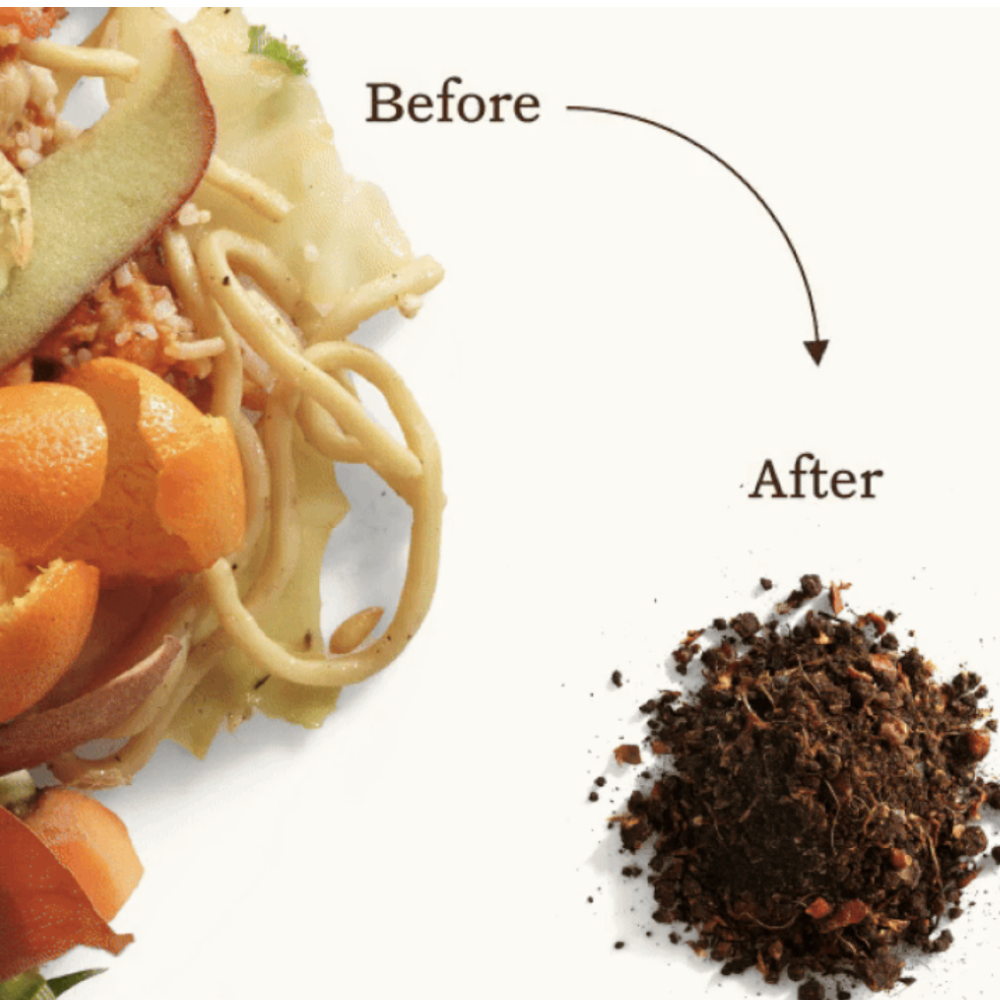
Mastering the GEME Cycle: An Agronomist’s Guide to Continuous-Flow Compost Application

McDonald’s Free Caviar Kits Raise Concerns of Food Waste | 2026 Composting Insights

Winter Composting Crisis: How the 2026 Bomb Cyclone Makes Indoor Composting Essential

Zero-Waste Lifestyle Starts in Your Kitchen: How to Reduce Food Waste with GEME Terra 2 (Best Kitchen Composter Guide)
Does the Lomi Composter Really Compost? Lomi vs GEME Terra 2
Top 5 Kitchen Composters in 2026
Best Kitchen Composters in 2026: GEME Terra II Redefines “Real Compost”
GEME Terra 2 vs Reencle Composter: 2 different Microbial Composting Approaches
GEME Terra 2 vs Mill Composter: The 2026 Decision Guide
The Best Electric Kitchen Composter of 2026

Mastering the GEME Cycle: An Agronomist’s Guide to Continuous-Flow Compost Application
Geme Terra 2 vs Lomi: Which Countertop Composter Is Better for a Zero Waste Home?
Electric Compost Bin Filters Cost: GEME vs Lomi vs Mill vs Reencle
Bio-Composting Breakthroughs: GEME Terra 2 Debuts, An Easier & Smarter Way To Compost At Home
Can You Compost Bread?
Can I Compost Spoiled or Moldy Fruit Like Grapes? Here's A Practical Guide
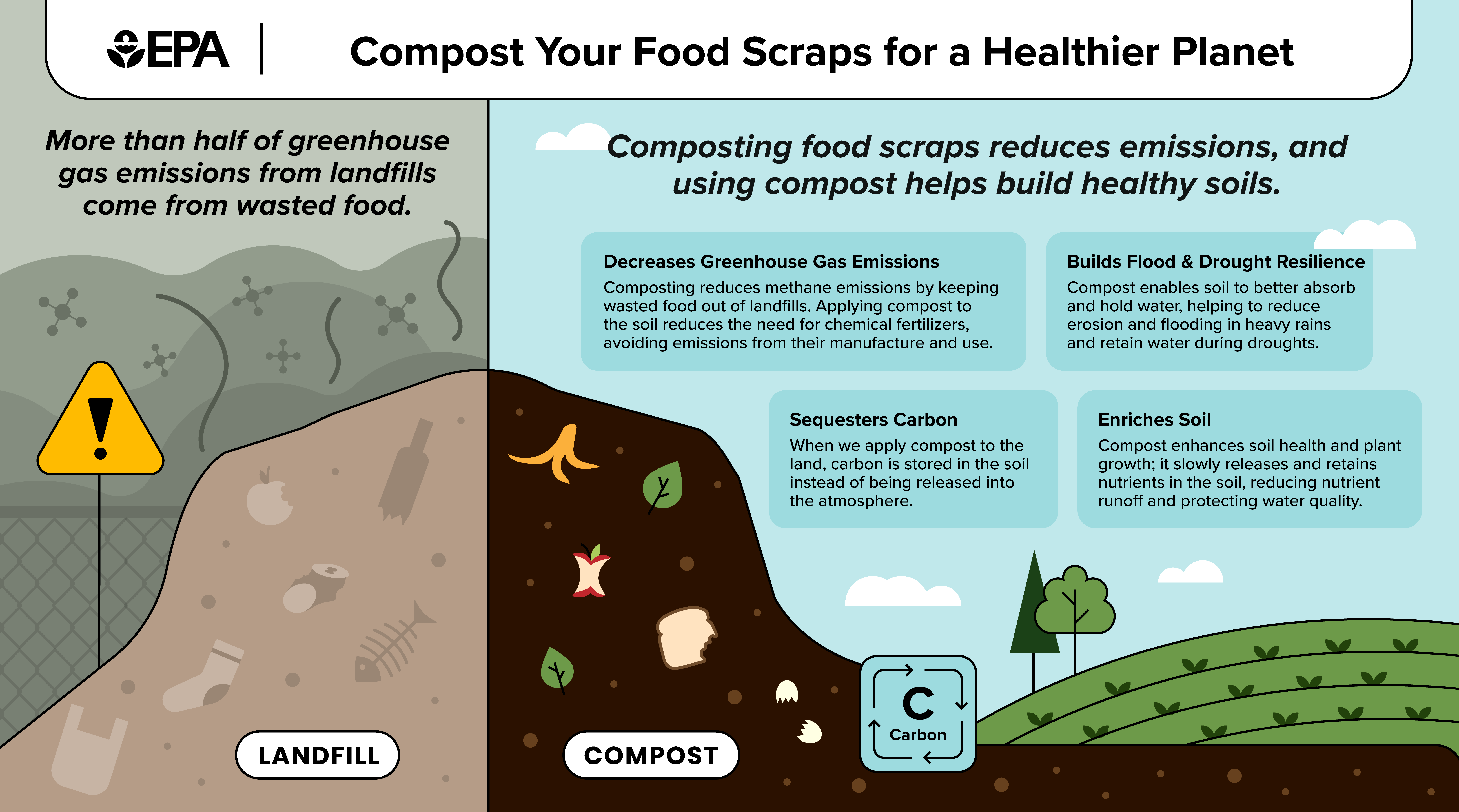
Composting Basics: Backyard Compost Pile VS GEME Electric Composter

How Can We Make Bananas Last Longer?

How Long Do Apples Last in The Fridge? An Ultimate Guide For You to Keep Apples Fresh
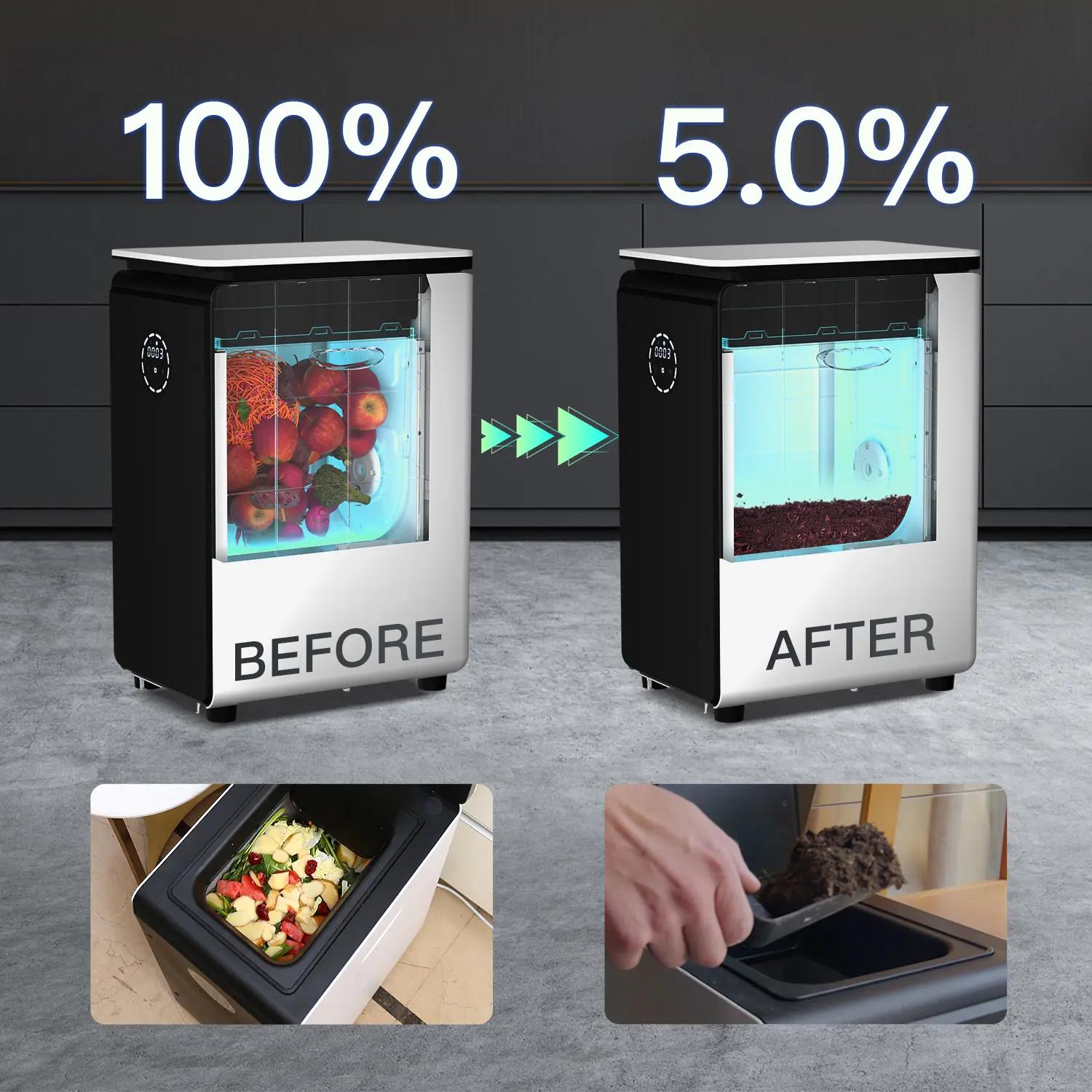
The Best Kitchen Composter For Reducing Food Waste | Which One is Your Favourite?
Ready to transform your gardening game? Subscribe to our newsletter for expert composting tips and sustainable gardening advice.