The Science of Smell: Why Home Composter Filters Last 3 Months (Not 12)

Introduction: The "Sour Smell" of Reality
You invested in a premium electric composter like Reencle™ or Lomi™. For the first few weeks, it was magic—your food scraps vanished into “compost”. But around the 8-week mark, a distinct, sharp acidity (reminiscent of vinegar or pickling brine) began to permeate your kitchen.
Consulting the manual, you see a recommended filter replacement cycle of 9-12 months (Reencle) or 3-6 months (Lomi). This leaves many users wondering: Is my unit defective? Am I using it wrong?
The answer, based on adsorption kinetics and environmental engineering, is likely no.
This article explores why the physical limitations of activated carbon in high-humidity environments make a 2–4 month lifespan not just common, but scientifically inevitable.
1. Data Alignment: The Gap Between Lab and Kitchen
To understand the issue, we must first standardize our data. Most residential composters utilize a similar filtration approach:
-
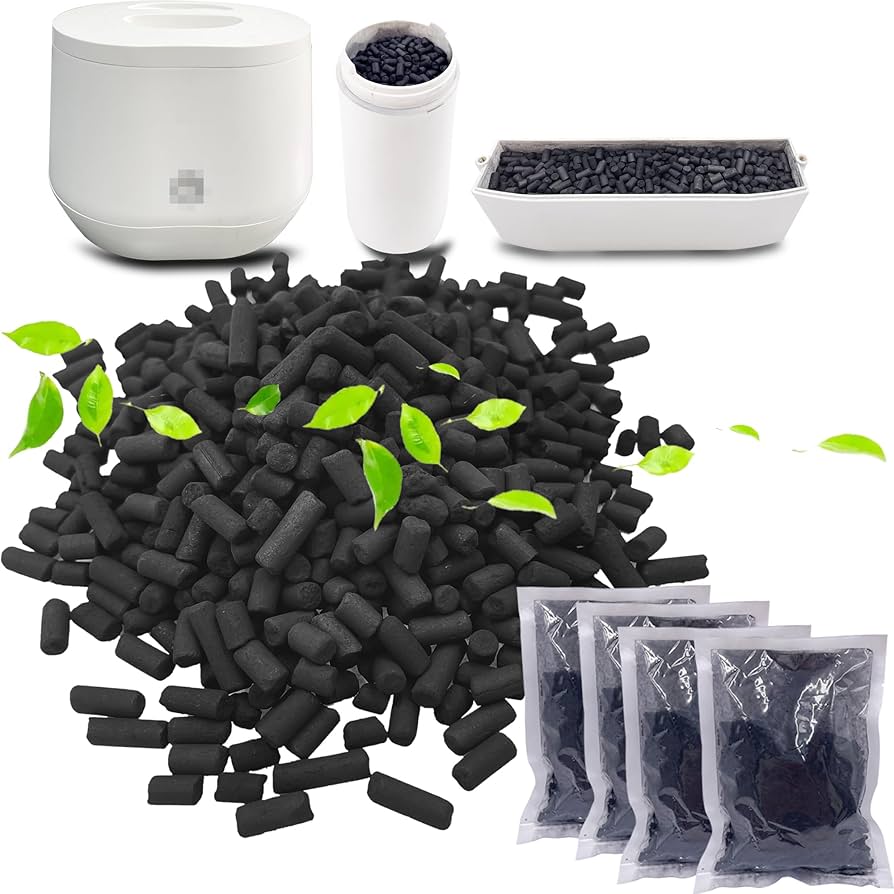
Filter Media: Standard non-impregnated activated carbon pellets.
-
Fill Weight: Approximately 440g – 500g (0.97 – 1.1 lbs).
-
The Claim: 6 to 12 months of usage.
-
The Reality: User reports from Reddit and consumer forums consistently indicate breakthrough odors occurring between 8 to 12 weeks of daily use.
Why the discrepancy? Manufacturers test filters under "Standard Conditions" (often dry air, specific airflow, controlled VOCs). Your kitchen, however, presents a "Worst-Case Scenario" for carbon.
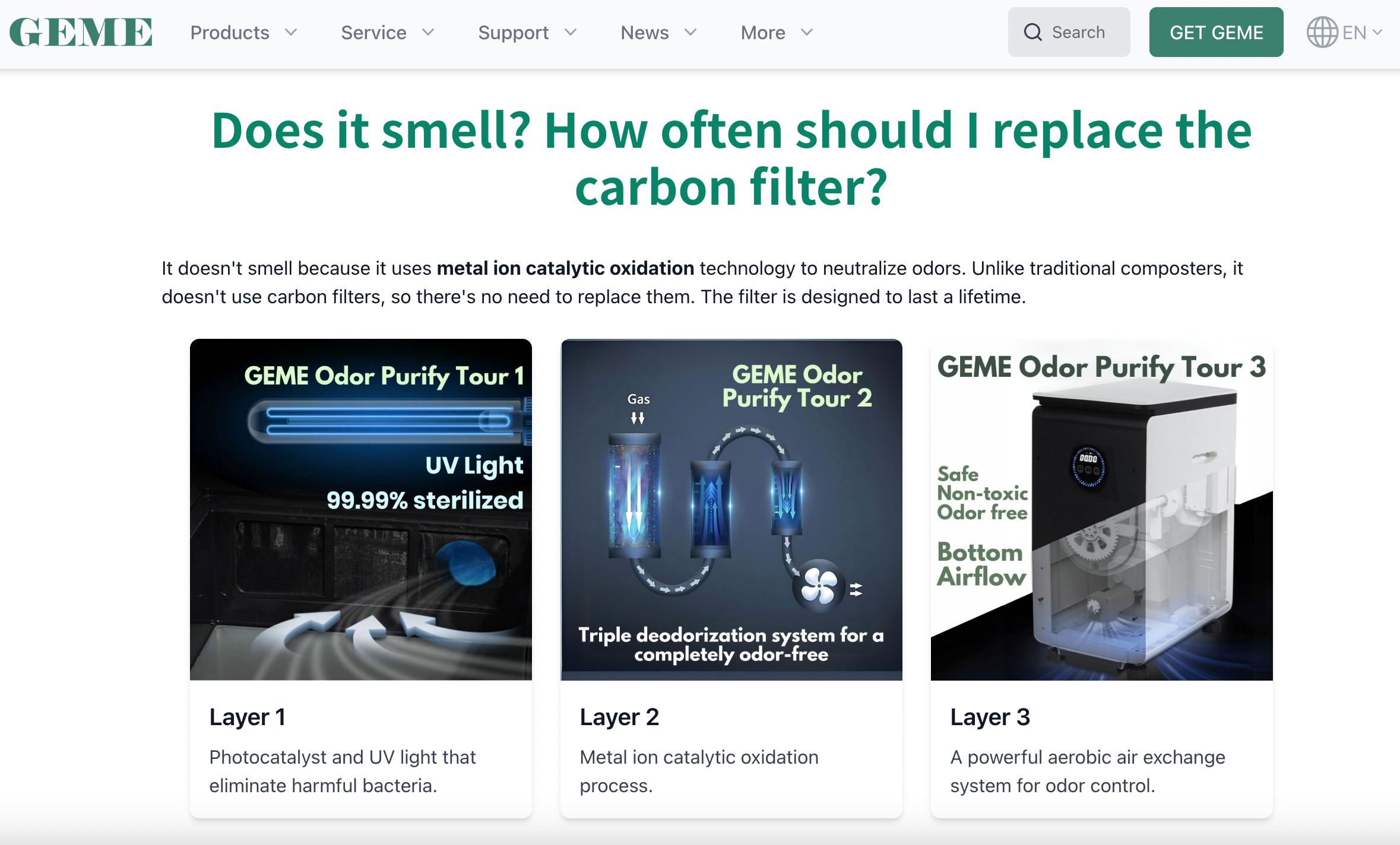
See How GEME Composter Works -->
2. The Science: Three Forces That "Kill" Your Filter
From a materials science perspective, three specific mechanisms degrade the filter's performance far faster than the theoretical maximum.
A. Humidity Quenching (The "Water Trap")
This is the primary failure mode for biological composters (e.g., Reencle). Activated carbon works via micropores—tiny parking spots for odor molecules. However, water molecules compete for these spots.
-
The Science: According to research by Werner & Winters, activated carbon exhibits a strong affinity for water vapor once Relative Humidity (RH) exceeds 50-60%.
-
The Reality: Inside a composter, RH frequently exceeds 85%. At this level, Capillary Condensation occurs, effectively flooding the micropores with liquid water.
-
The Result: The carbon isn't "full" of odor; it is "flooded" with water, reducing its organic adsorption capacity by up to 80%.
B. Polar Breakthrough (The "Acid" Problem)
The specific smell you notice, often described as "sour" or "vomit-like", is caused by Volatile Fatty Acids (VFAs), primarily Acetic Acid and Butyric Acid.
-
The Science: Standard activated carbon is non-polar (hydrophobic). It is excellent at trapping non-polar fumes like benzene (exhaust) or toluene (paint). However, studies on VFA adsorption kinetics show that polar molecules (like acids) are poorly retained by standard carbon, especially when water is present.
-
The Reality: Because the carbon has a weak "grip" on these acidic molecules, they travel through the filter bed and escape (a phenomenon known as early breakthrough) long before the carbon is chemically saturated.
C. Thermal Desorption (The Lomi Paradox)
This factor specifically affects high-heat dehydrators (e.g., Lomi, Vitamix FoodCycler).
-
The Science: Physical adsorption is an exothermic process. By the laws of thermodynamics (Van der Waals forces), adsorption capacity decreases as temperature increases.
-
The Reality: These machines operate at temperatures exceeding 70°C (158°F). While heat kills bacteria, it also energizes trapped odor molecules, potentially causing them to desorb (release) back into the air stream during the drying cycle.
3. Comparative Analysis: Biological vs. Dehydrators
Not all filters fail the same way. It is crucial to distinguish between the two main types of machines.
| Feature | Reencle (Biological) | Lomi (Dehydrator) |
|---|---|---|
| Environment | Constant High Humidity (>85%) | High Heat + Steam Bursts |
| Odor Profile | Fermentation Acids (Sour) | Cooking Odors / Maillard Reaction |
| Failure Mode | Saturation by Water | Thermal Desorption |
| Effective Life | 2–3 Months (limited by moisture) | 3–4 Months (limited by cycle count) |
| Mitigation | Requires active dehumidification | Requires cooling periods |
4. Feasibility & Economic Solutions
Understanding that a 3-month lifespan is a physical limitation rather than a product defect allows us to adopt more cost-effective maintenance strategies.
Step 1: The "Dry" Protocol (For Reencle Users)
Since water is the enemy, moisture management is key.
-
Action: Use the "Dry" or "Purify" mode every 48 hours, or immediately upon noticing condensation on the lid.
-
Additive: Add dry coffee grounds or sawdust regularly. This acts as a desiccant, reducing the moisture load on the carbon filter.
Step 2: The "Refill Hack" (For All Users)
Replacing the plastic cartridge every 90 days is expensive and environmentally wasteful. Most cartridges can be opened (some require a screwdriver, others twist off).
-
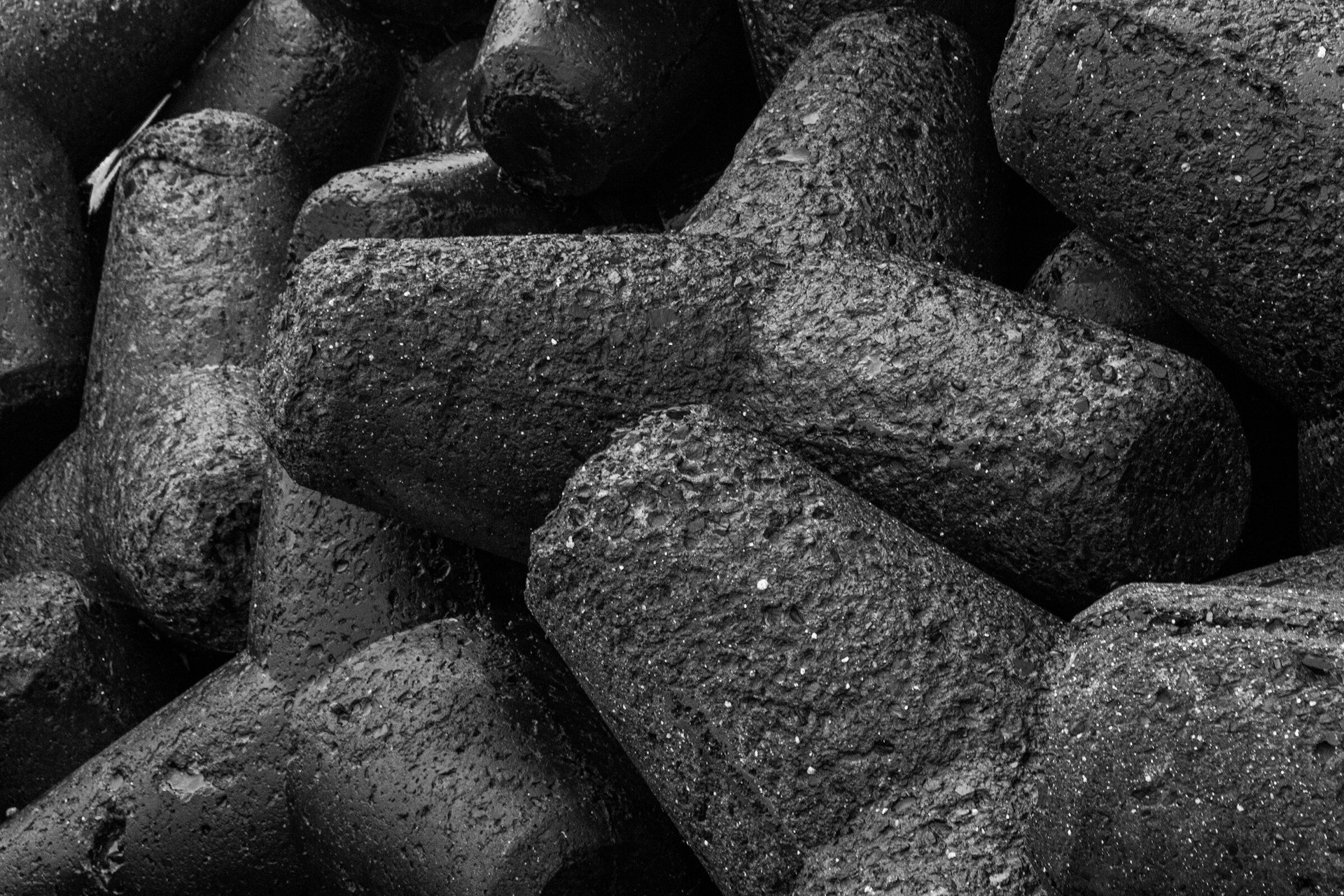
Material: Purchase bulk Pelletized Activated Carbon.
-
Specification: Look for "Coal-based" carbon with an Iodine Number > 1000 mg/g (a standard measure of adsorption surface area).
-
Cost Efficiency: Bulk carbon costs approximately 10% of the price of pre-filled OEM cartridges. This makes a 3-month replacement cycle economically viable.
5. Conclusion
While the "1-year lifespan" claim may hold under controlled, low-humidity testing conditions, it is rarely achievable in the heavy, wet environment of active composting.
By accepting that activated carbon is a high-frequency consumable in this specific application and switching to bulk refills, users can maintain an odor-free kitchen without breaking the bank.
References
[1] Werner, D., & Winters, H. (1986). Effect of Relative Humidity on the Adsorption of Selected VOCs on Activated Carbon. ASHRAE Transactions. (Demonstrates the significant loss of capacity at RH >60%).
[2] Dąbrowski, A., et al. (2005). Adsorption of Volatile Fatty Acids (VFAs) on Activated Carbon: Kinetic and Thermodynamic Studies. (Highlights the rapid breakthrough of polar acidic molecules).
[3] Komilis, D. P., & Ham, R. K. (2004). Life-Cycle Inventory of Municipal Solid Waste Composting. (Analyzes the moisture and VOC generation rates in composting substrates).
Disclaimer: This article is for educational purposes only. It provides an analysis based on general material science principles and is not a critique of any specific manufacturer's warranty or quality assurance. Actual filter life varies based on individual usage patterns.
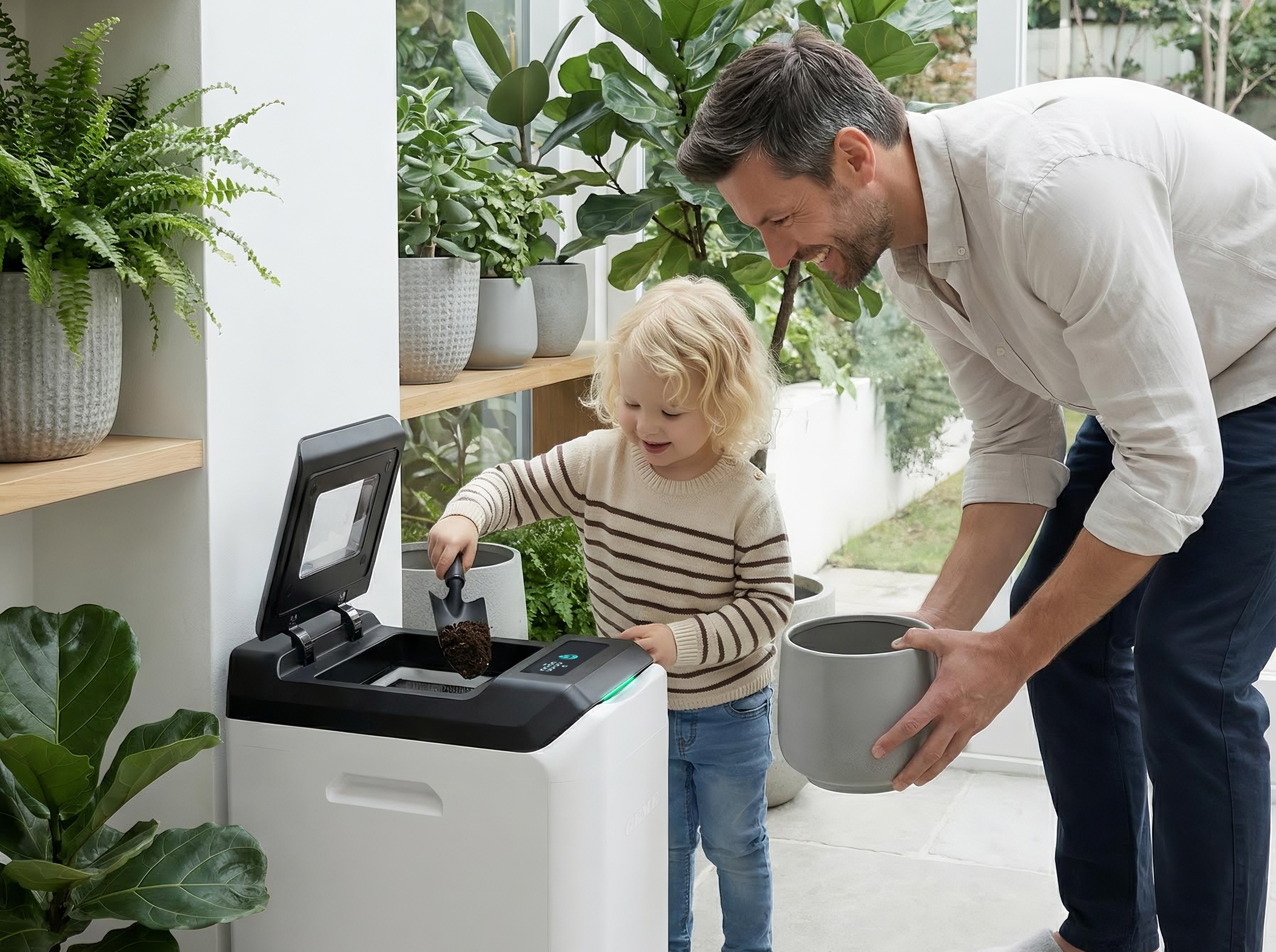
GEME Terra II: Best Kitchen Composter
✅ Best Composter With Permanent Filter
✅ Biologically Active Composting System
✅ Quiet, Odour-Free, Real Compost
✅ Zero Filter Costs, No Refills
✅ Reduces Composting Time to Days
Related Articles
Can an Electric Composter Handle Salt & Oil? (Boundaries + Best Practices)
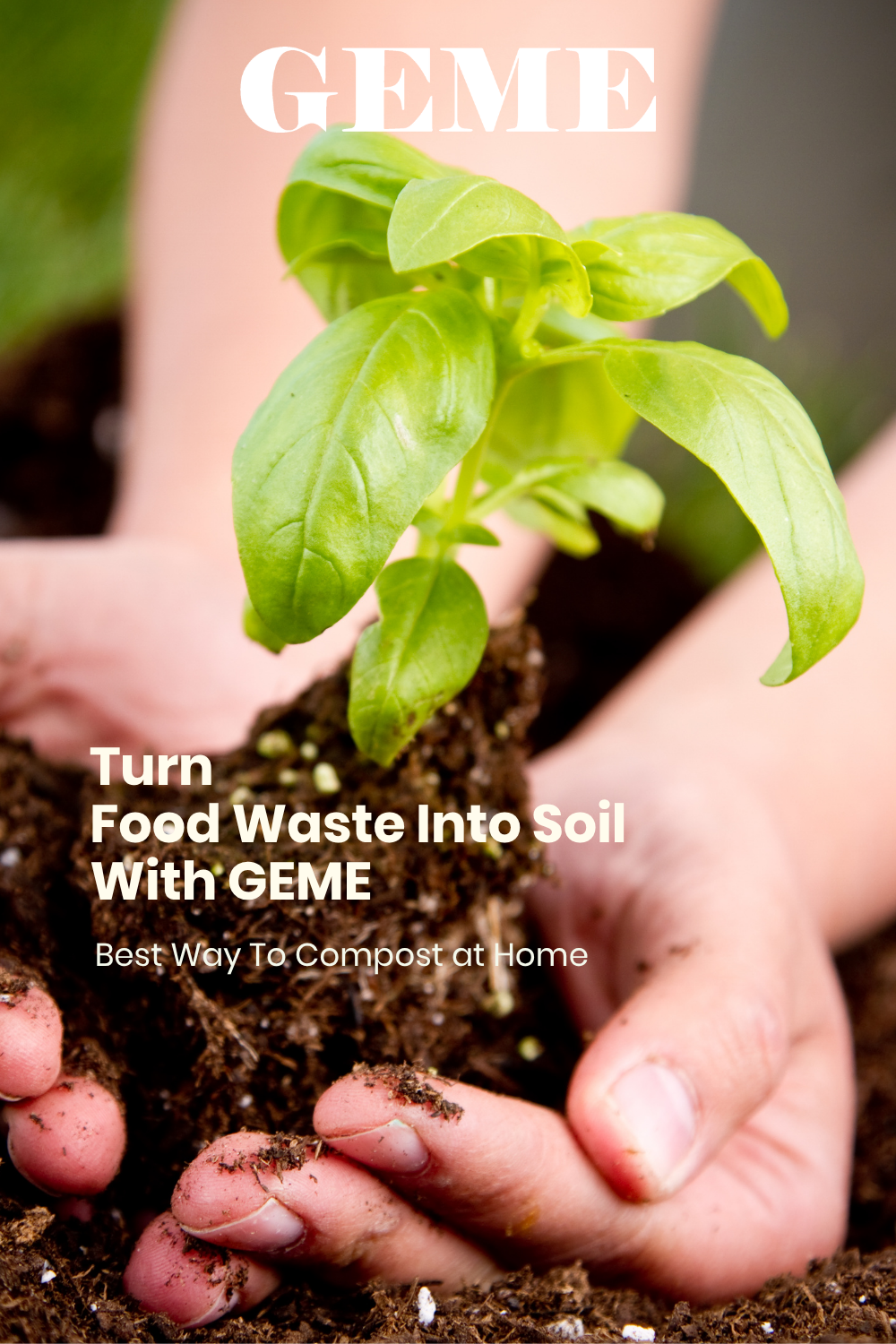
How to Compost at Home: A Complete Beginner's Guide
Can an Electric Composter Handle Salt & Oil? Boundaries for Real Leftovers (Without the Myths)
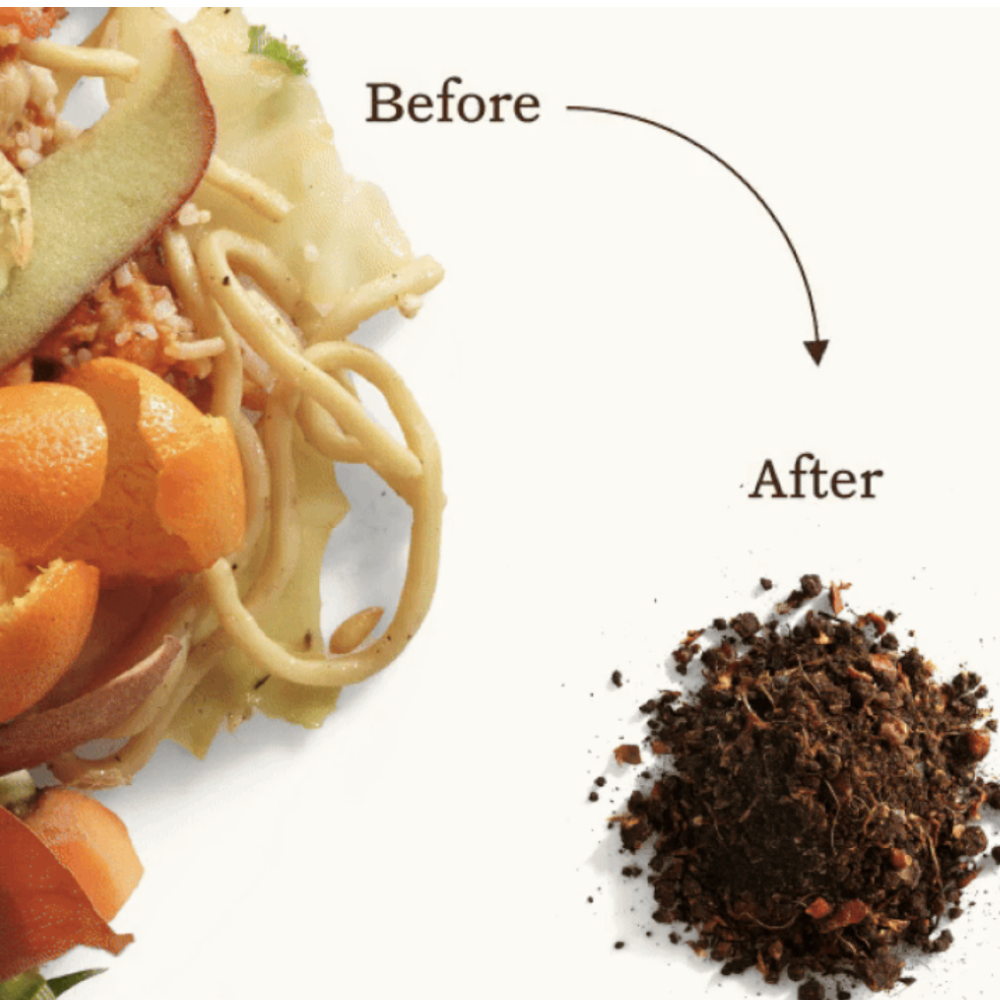
Mastering the GEME Cycle: An Agronomist’s Guide to Continuous-Flow Compost Application
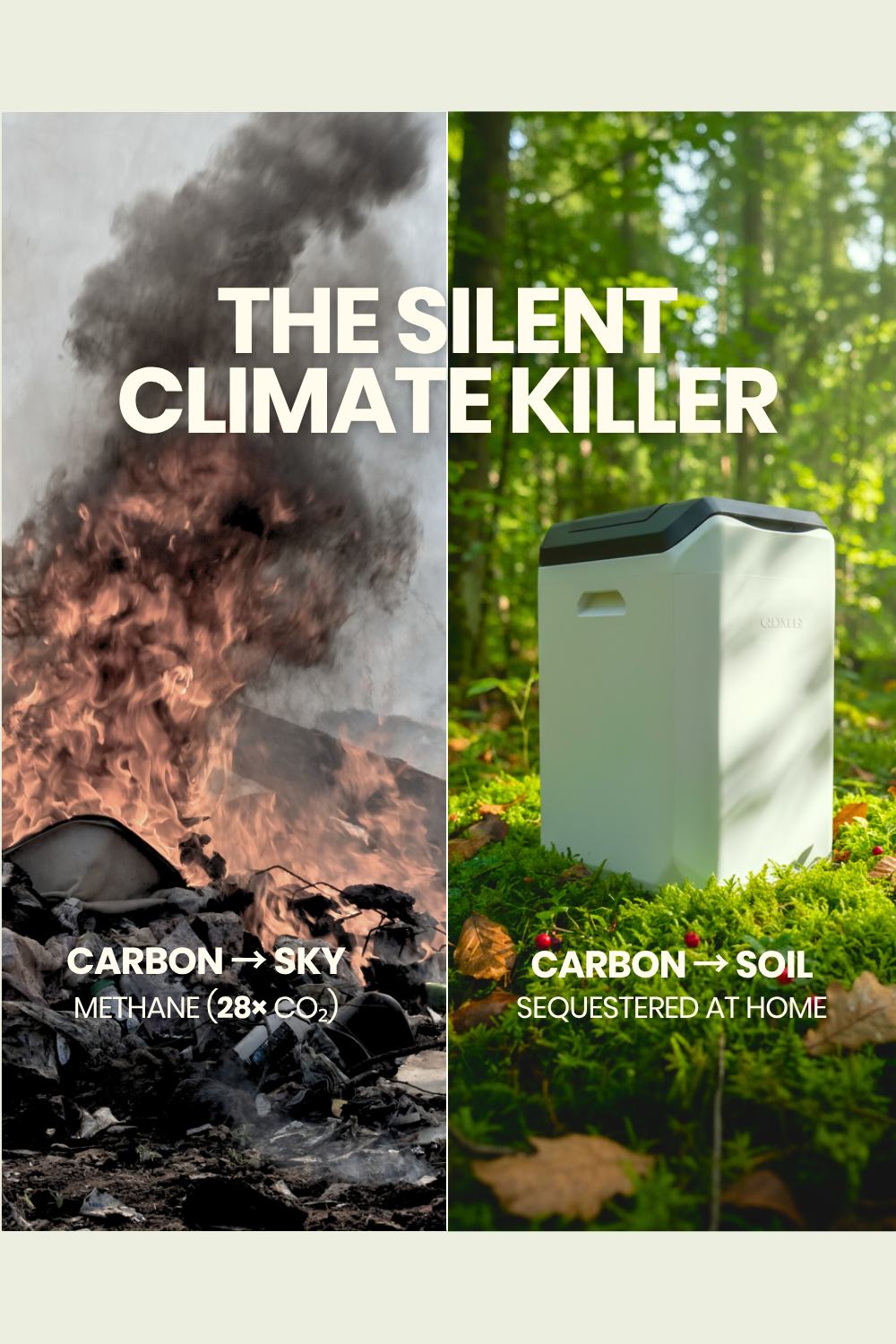
Countertop Composter Is a Misnomer: Where an Electric Composter Actually Belongs in a Real Kitchen
Top 5 Electric Composters on Amazon: 2026 Buyer’s Guide

GEME Terra II: The Pros and Cons
Top 5 Kitchen Composters: Pros and Cons
GEME Composter Review: Best Indoor Composter 2026
The Best Kitchen Composter Verdict 2026
The Best Composter for Avoiding Recurring Fees: GEME Terra 2 vs. Lomi, Mill, and Reencle

Can I Compost Cut Flowers?
How Long Does Bokashi Take to Compost?

How to Care For Hydrangeas And Change Their Colors
The Best Composter: Daily Operation Comparison (Lomi, Mill, Reencle, GEME)

How Long Does Pizza Last In The Fridge? The Ultimate Leftover Safety Guide
How to Compost Eggshells: The Ultimate Guide to Calcium Gold for Your Garden

How to Compost Coffee Grounds: The Ultimate Guide for Your Garden
Never Buy Carbon Filters for Your Composter

The Best Composter for Fastest Real Compost
How to Compost at Home for Beginners: The Ultimate 2026 Guide

How Long Can Chicken Stay in the Fridge? The Ultimate Guide to Safety, Spoilage, and Sustainable Disposal
How to Reduce Odor: Practical Tips for Indoor Composting That Actually Work

How Long Can Ground Beef Stay In The Fridge
Breaking News: NYC Fines for Food Waste Are Back, 2026

The Best Composter For Small Kitchen

How to Reduce Food Waste During Holiday: A Sustainable Spring Festival Guide
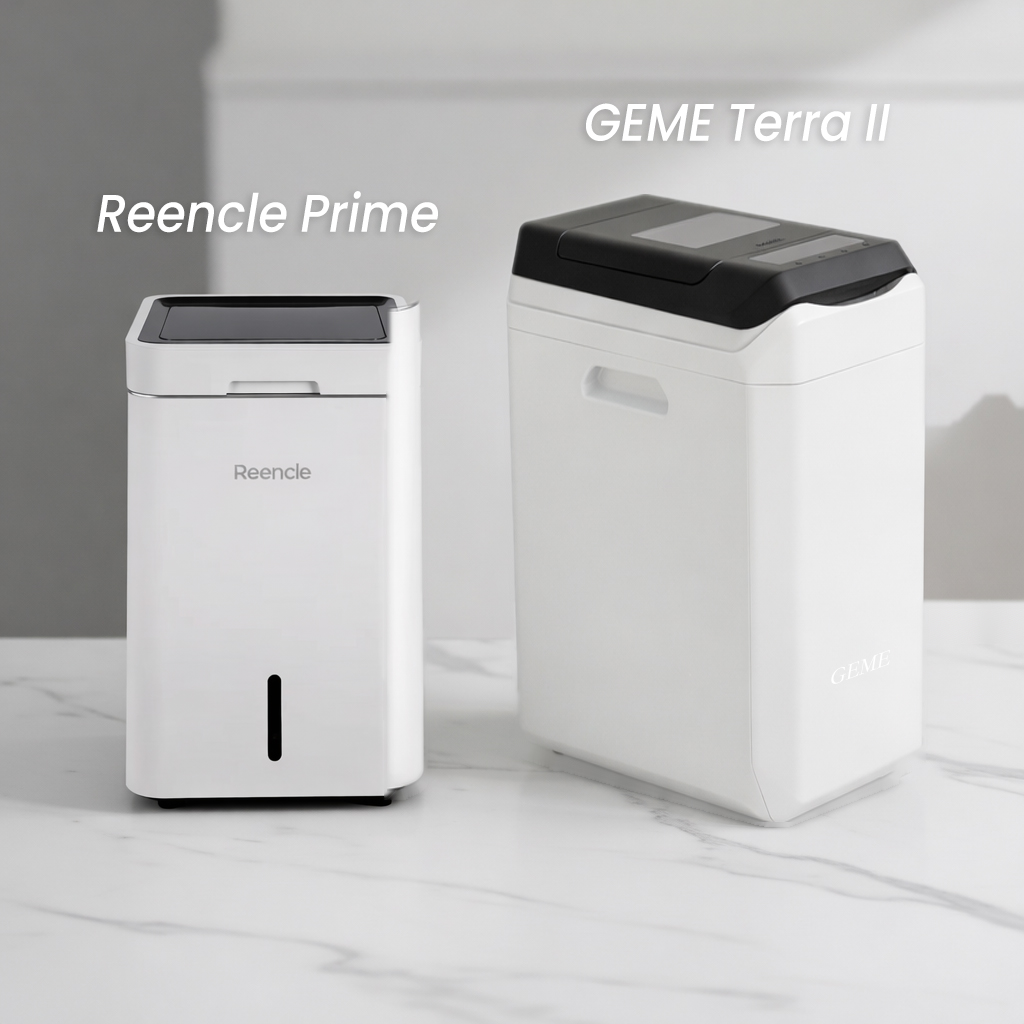
Reencle vs. GEME: The Ultimate Microbial Composter Showdown
Does Mill Composter Really Compost? Honest Review & Best Kitchen Composter Guide 2026
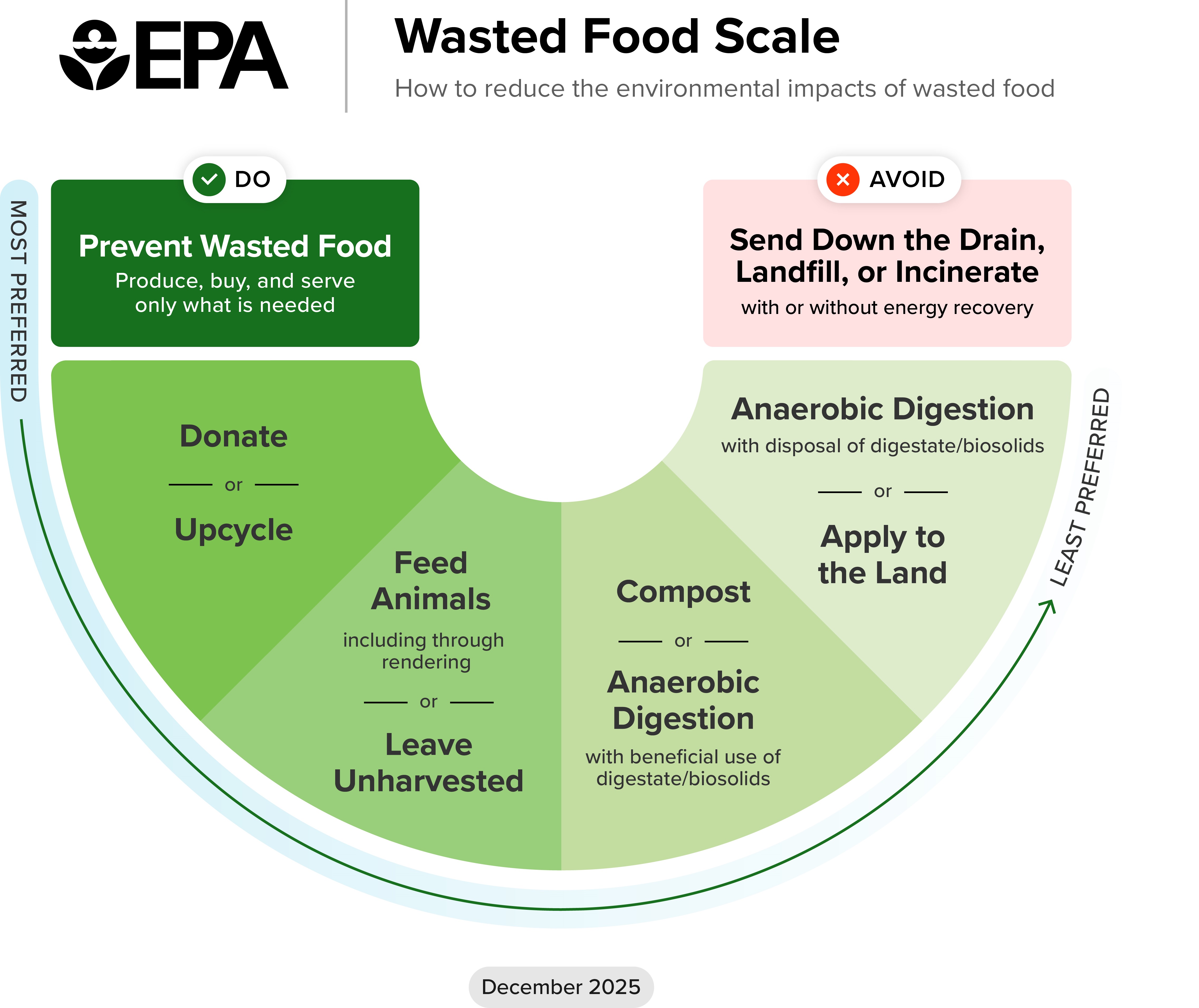
How to Reduce Food Waste at Home (Best Solution 2026)

McDonald’s Free Caviar Kits Raise Concerns of Food Waste | 2026 Composting Insights
Winter Composting Crisis: How the 2026 Bomb Cyclone Makes Indoor Composting Essential
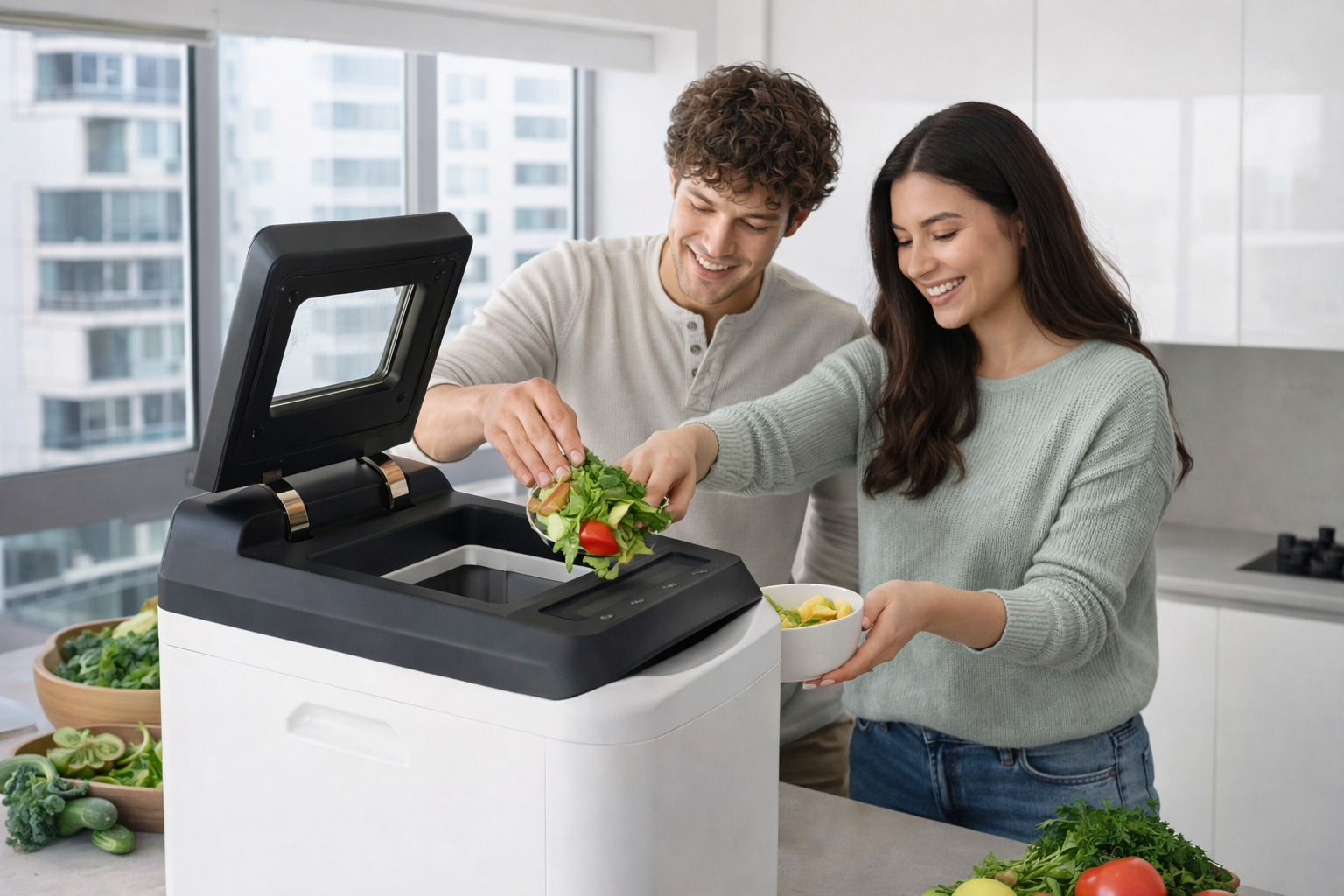
How to Compost in an Apartment (Best Solution 2026)

Zero-Waste Lifestyle Starts in Your Kitchen: How to Reduce Food Waste with GEME Terra 2 (Best Kitchen Composter Guide)
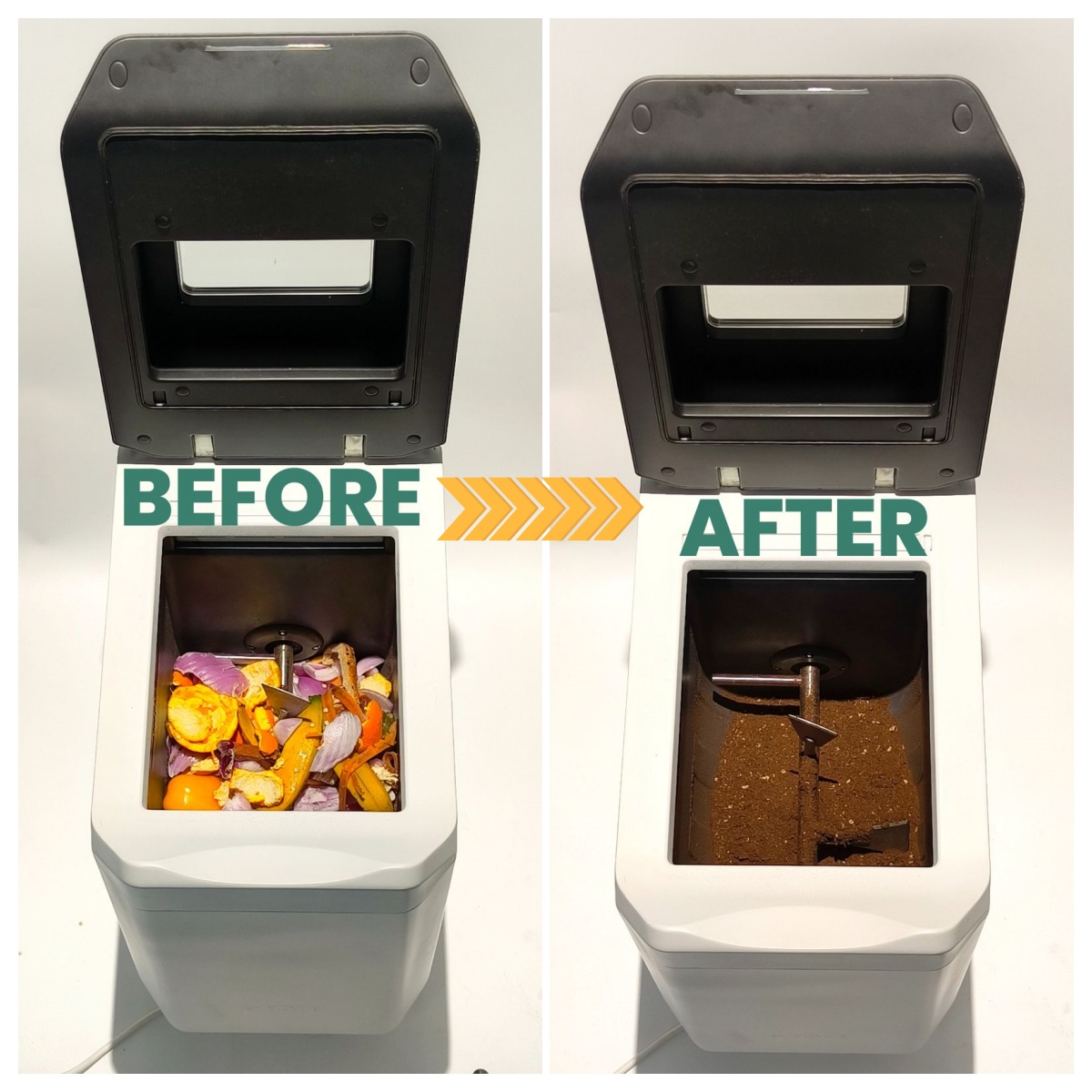
Does the Lomi Composter Really Compost? Lomi vs GEME Terra 2
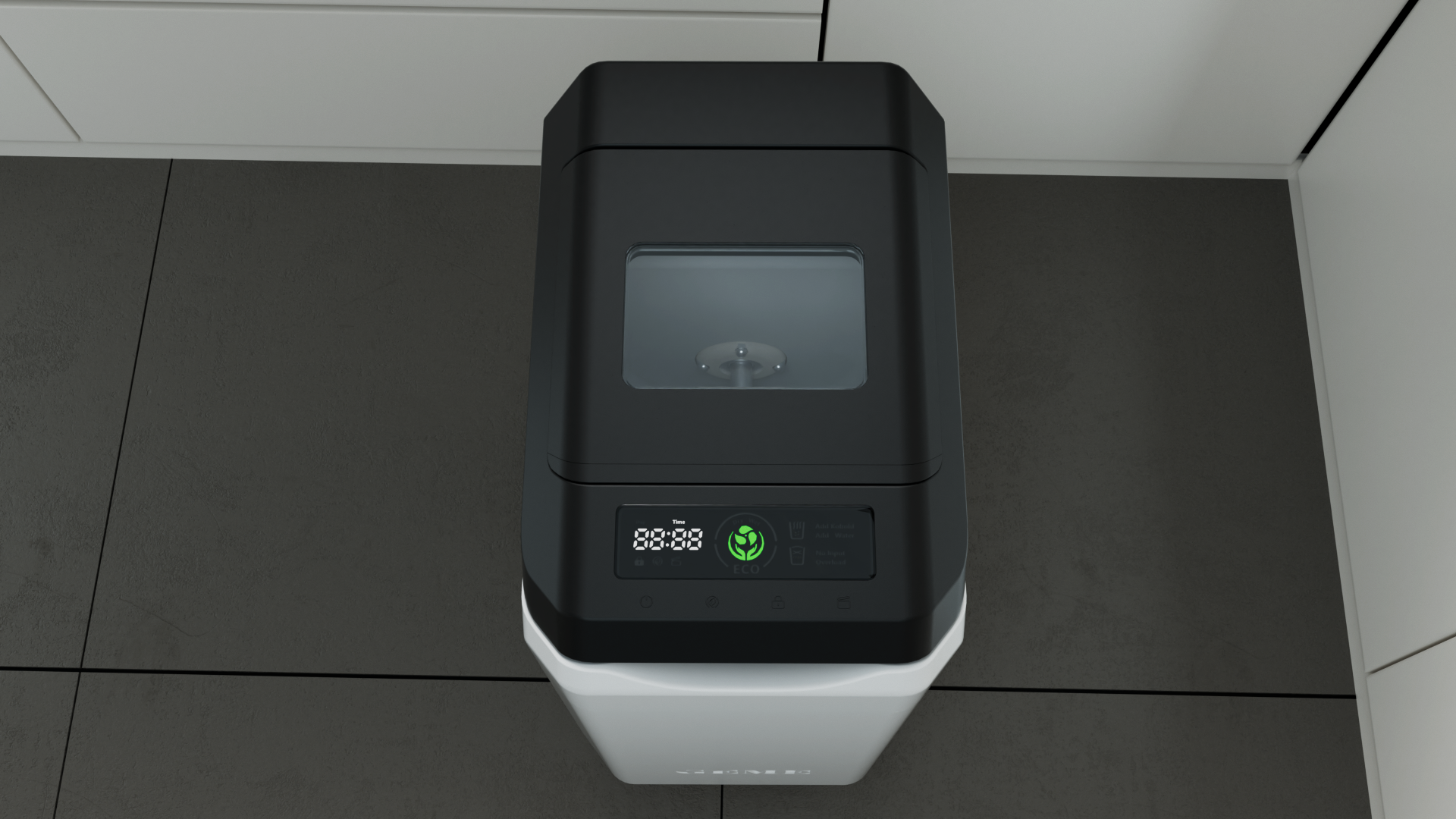
Top 5 Kitchen Composters in 2026
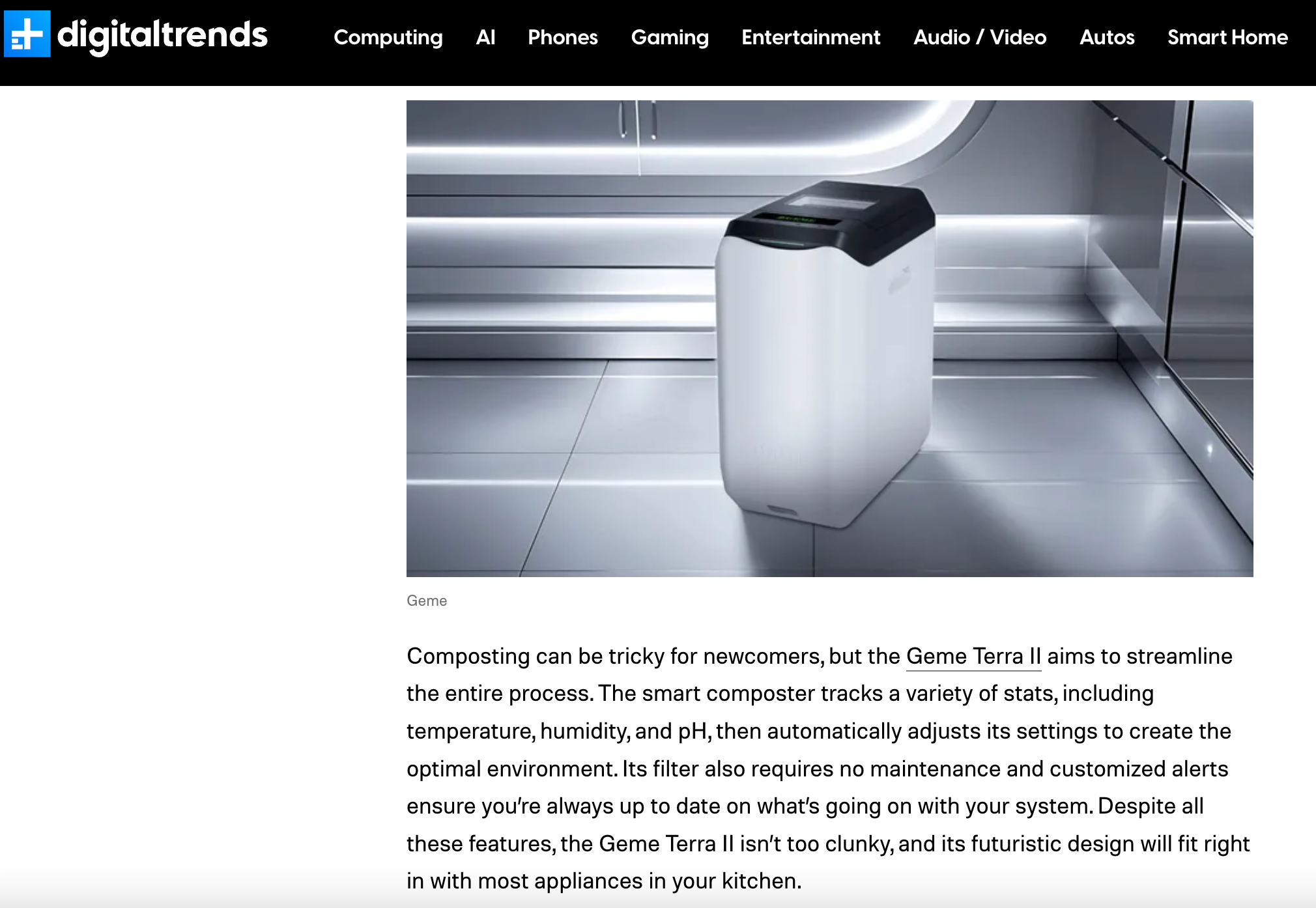
Best Kitchen Composters in 2026: GEME Terra II Redefines “Real Compost”
GEME Terra 2 vs Reencle Composter: 2 different Microbial Composting Approaches
GEME Terra 2 vs Mill Composter: The 2026 Decision Guide
The Best Electric Kitchen Composter of 2026
Mastering the GEME Cycle: An Agronomist’s Guide to Continuous-Flow Compost Application
Geme Terra 2 vs Lomi: Which Countertop Composter Is Better for a Zero Waste Home?
Electric Compost Bin Filters Cost: GEME vs Lomi vs Mill vs Reencle
Bio-Composting Breakthroughs: GEME Terra 2 Debuts, An Easier & Smarter Way To Compost At Home
Can You Compost Bread?
Can I Compost Spoiled or Moldy Fruit Like Grapes? Here's A Practical Guide
Composting Basics: Backyard Compost Pile VS GEME Electric Composter

How Can We Make Bananas Last Longer?

How Long Do Apples Last in The Fridge? An Ultimate Guide For You to Keep Apples Fresh
The Best Kitchen Composter For Reducing Food Waste | Which One is Your Favourite?
Ready to transform your gardening game? Subscribe to our newsletter for expert composting tips and sustainable gardening advice.