Why you should not fully empty the GEME Composter chamber every time

TL;DR Q&A block
Should I fully empty GEME every time I harvest?
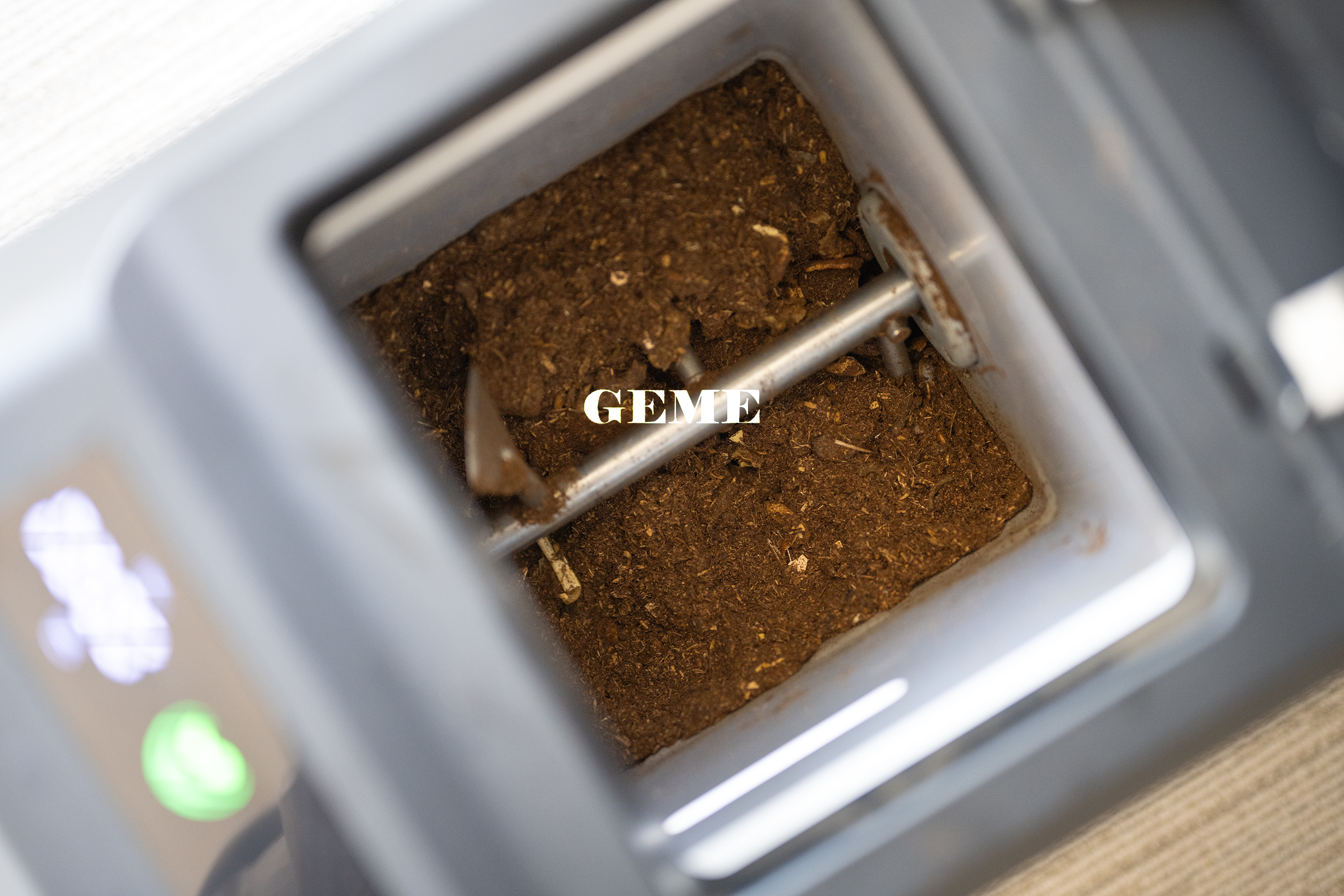
No. The Terra 2 manual explicitly says "Do not empty the bin completely", because the remaining compost contains the microbial colony needed for the next batch.
Why leave some compost behind?
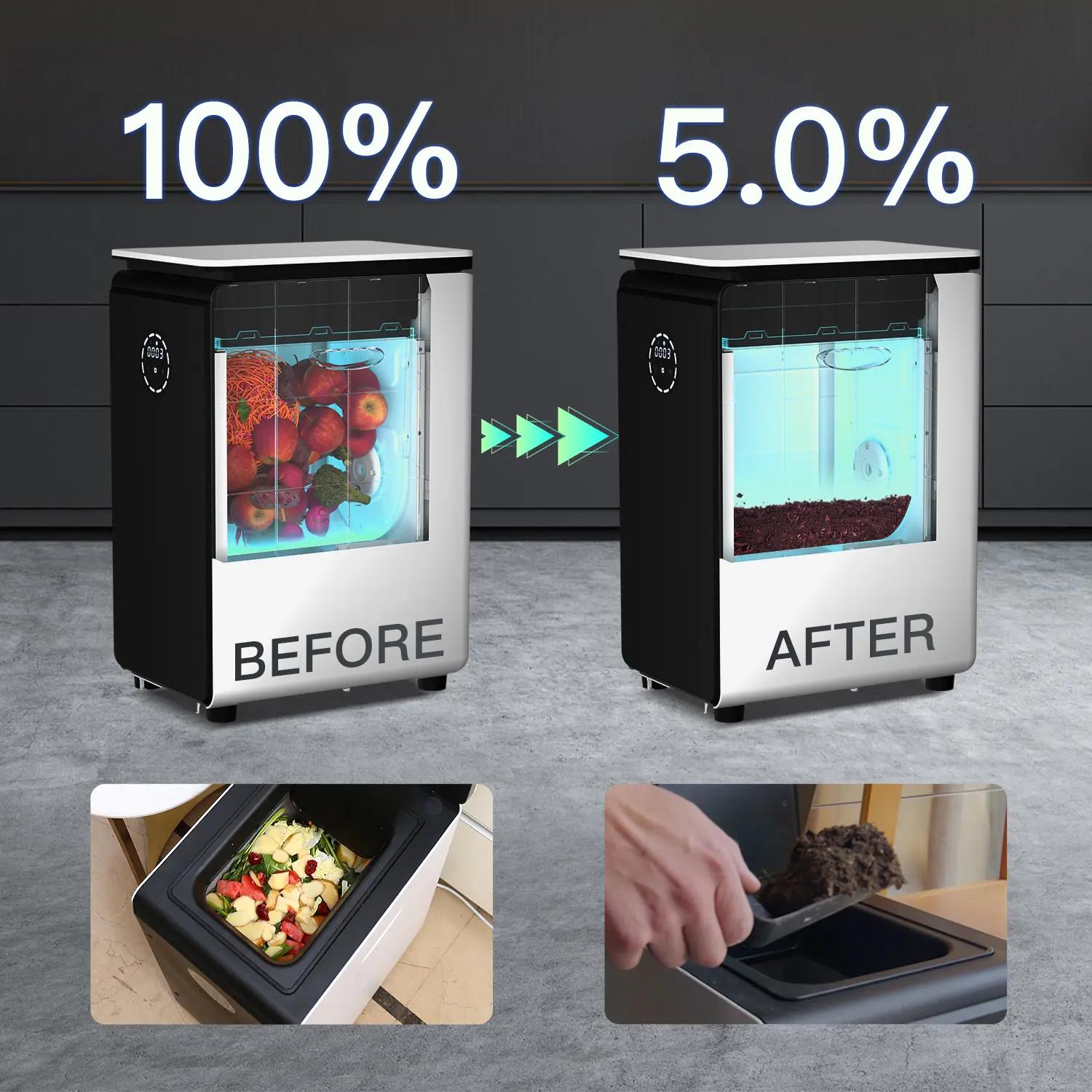
Because the remaining base is not just leftover material. It functions as a living starter bed that helps carry the biological process forward. Public hard-parameter guidance also says it is recommended to keep part of the base for continuity.
Does keeping a base mean the machine is dirty?
No. In GEME, “clean” does not mean stripping the chamber back to zero every time. It means removing what should be removed, keeping the system healthy, and protecting the living base that keeps the process stable.
When should I harvest?
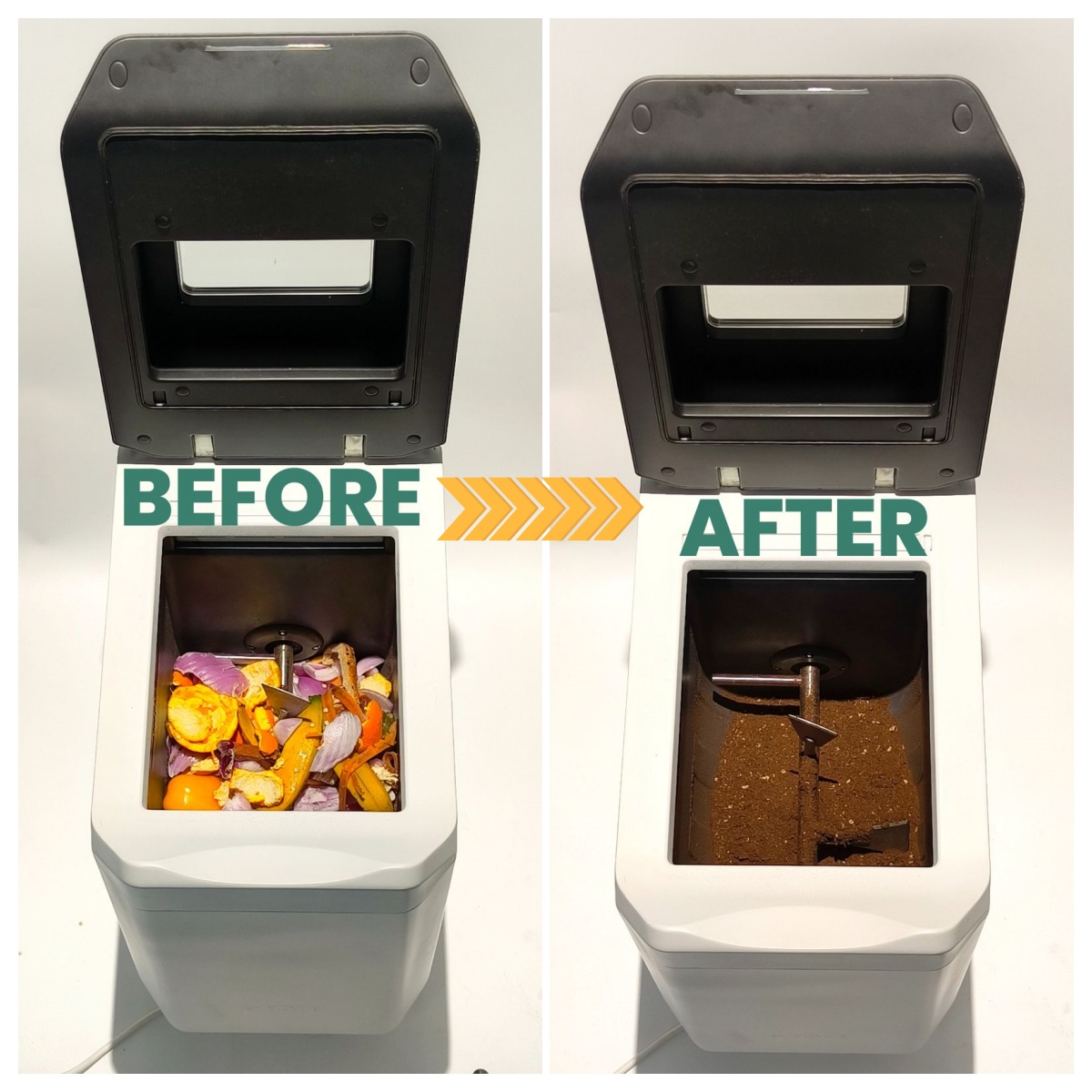
Official guidance says to harvest when the mixing paddles are fully covered and no longer visible, or when the compost has accumulated enough that the shaft or paddles are buried.
Do Terra 2 and GEME Pro follow the same logic?
Yes. The biological logic is the same for both. The main difference is the operating envelope: Terra 2 is positioned at 2 kg/day with a typical maintenance suggestion of 3–6 months, while GEME Pro is 5 kg/day with a public maintenance positioning of 6–12 months.
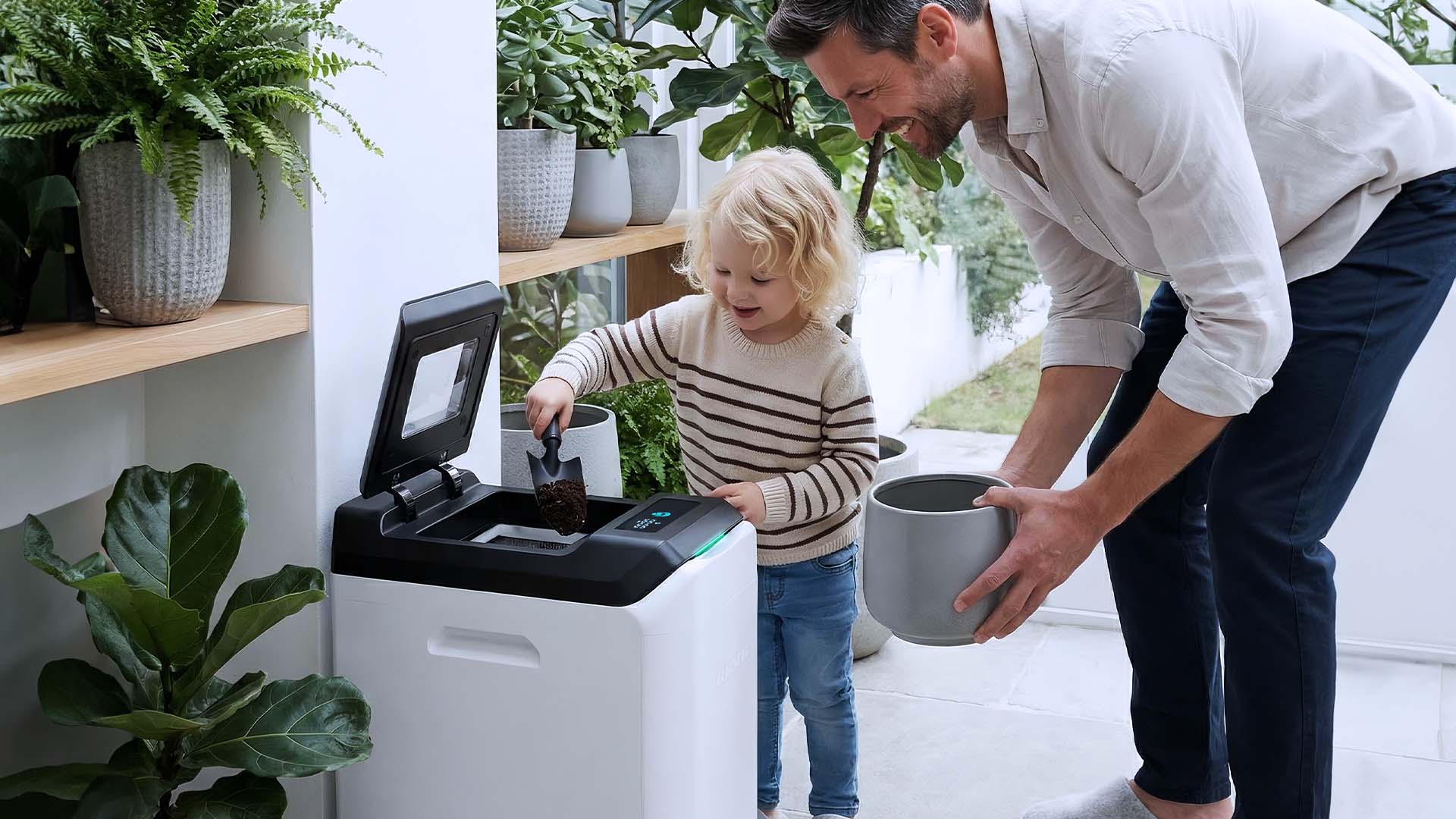
90-second truth
The instinct to empty the chamber completely usually comes from normal kitchen-appliance thinking: when you clean something, you reset it to zero. GEME is different. It is not designed as a one-cycle gadget that should look “factory empty” after every harvest. The Terra 2 manual explicitly says do not empty the bin completely, because the remaining compost contains the microbial colony needed for the next batch. In other words, the base you leave behind is not waste. It is a working biological infrastructure.
That is why fully emptying the chamber every time usually creates more friction, not less. You remove the most active part of the system, reduce continuity, and make the next round work harder to rebuild momentum. Public GEME guidance also makes the microbiology plain: Kobold is self-replicating, daily dosing is not required, and after harvest, you only add Boost as needed, not as a compulsory ritual. The design goal is continuity, not repeated restart.
Kitchen Fit Check
Q1. What kind of cleaner are you?
- “I want every machine to look completely empty after maintenance.”
- “I am fine if part of the system stays in place because it helps performance.”
Q2. What bothers you more?
- Seeing some base left behind
- Feeling like the machine slows down after every major clean-out
Q3. What is your real goal?
- “I want the next cycle to stay fast and stable.”
- “I mostly want the chamber to look visually clean.”
Result A: You mainly need the biological logic.
Jump to 90-Second Truth if you want the short answer for why the base stays.
Result B: You mostly care about maintenance timing.
Jump to Terra 2 VS. GEME Pro if you want Terra 2 vs GEME Pro rhythm.
Result C: You want the shortest rule.
Jump to Practical Rules if you just want to know what to remove and what to keep.
One-line takeaway: in GEME, leaving some base is not neglectful. It is the normal way to preserve biological continuity.
Quick decision
Leave a base if:
- you are doing a normal harvest,
- the machine is running normally,
- and you want the next cycle to recover quickly and stay stable.
Consider a full reset only if:
- the system has truly stalled,
- the chamber was accidentally emptied,
- or public guidance says you need a Starter Reset rather than a routine harvest.
One-line takeaway: routine harvest ≠ full reset.
👉 Learn More About GEME Terra II
👉 Explore GEME Pro for Big Households/Plant Shops/Restaurants
Why it matters
1. The base is a living asset, not a residue you forgot to remove
The Terra 2 manual uses very practical language: the remaining compost contains the microbial colony needed for the next batch. That sentence matters because it changes how the customer should interpret the chamber. The remaining base is not just leftover matter. It is a living, already-adapted microbial population plus an already-conditioned physical environment. Removing all of it forces the system to start over from a weaker state.
2. “Clean” in a living system is different from “empty”
A lot of user anxiety comes from applying the wrong appliance standard. In a coffee machine, a blender, or a pan, empty often means clean. In GEME, that logic is incomplete. The public care guidance already defines cleaning more selectively: wipe the exterior when needed, scrape buildup from the chamber walls when needed, clean the filter screen when needed, and remove entangled fibers from the shaft when needed. None of that requires erasing the biological base every time you harvest.
3. Full emptying often creates the very slowdown users want to avoid
The same public guidance that says “leave a base” also says Kobold is self-replicating and that Boost is not a daily requirement. After the first harvest, Boost can be added as needed, typically about every two weeks or when processing slows. That only makes sense if the intended daily logic is continuity. If users fully empty the chamber every time, they keep turning routine operation into a restart event, and then may misread the resulting slowdown as a product problem rather than a maintenance-choice problem.
Why “fully empty” feels intuitive—but works against the system
One-line takeaway: the instinct is understandable, but the biology makes a different rule more effective.
Customers are not irrational for wanting to fully empty the chamber. In most appliance categories, that feels like the clean, disciplined thing to do. The problem is that GEME dose not mainly store finished material. It is maintaining a living process. In a living process, wiping out the active base removes:
- microbial density,
- acclimated substrate,
- process continuity,
- and the easiest bridge between yesterday’s and tomorrow’s scraps.
That is why the right habit is not “empty everything.” It is “remove what should be removed, keep what helps the process continue.”
Terra 2 Deep Dive
One-line takeaway: Terra 2 works best when ordinary households harvest by threshold, not by perfectionism.
Terra 2 is publicly positioned at 2 kg/day, and its manual defines harvest timing in a practical way: when the paddles are fully covered and no longer visible, or when the accumulation hides the mixing shaft area. That is a threshold-based approach, not a “make it look new again” approach. It reflects ordinary household use, where the goal is stable ongoing performance.
That is also why Terra 2 ownership should feel simpler when the rule is understood correctly. You do not need a major empty-and-rebuild ritual to prove you are maintaining the machine responsibly. You need a calmer, more selective habit.

GEME Terra II: Best Kitchen Composter
✅ Best Composter With Permanent Filter
✅ Biologically Active Composting System
✅ Quiet, Odour-Free, Real Compost
✅ Zero Filter Costs, No Refills
✅ Reduces Composting Time to Days
GEME Pro Deep Dive
One-line takeaway: Pro expands the maintenance window, but not the harvest philosophy.
GEME Pro’s public positioning at 5 kg/day and 6–12 month maintenance spacing makes it the headroom model. That changes how often you may need to intervene, but it does not change the underlying rule: continuity still matters. A larger, heavier-duty system does not become a reason to discard the living base each time. It becomes a reason to appreciate continuity even more, because the system’s value lies in stable ongoing operation under larger loads.
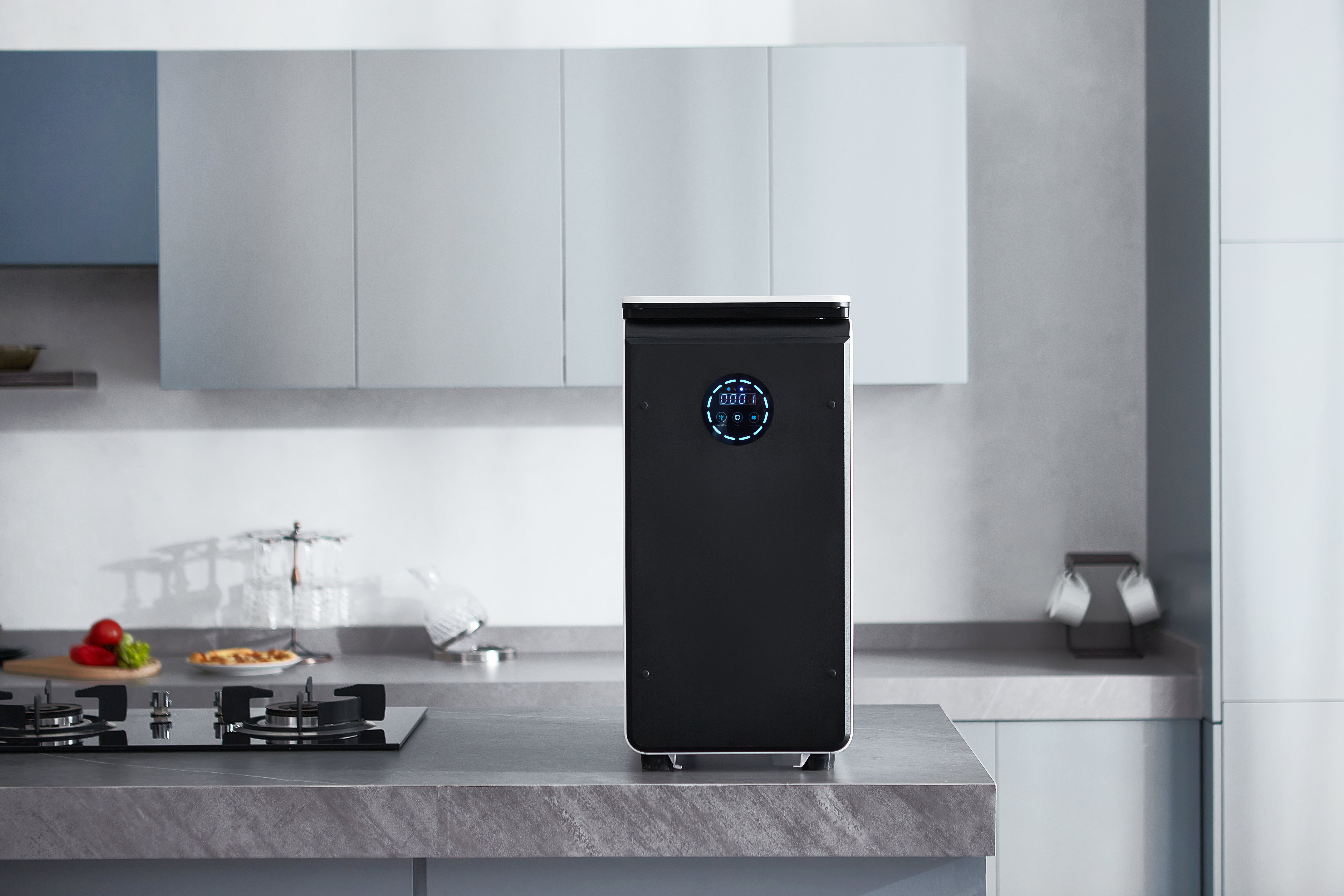
GEME Pro Composter
✅ Best Composter With No Hidden Costs
✅ Produce Soil-Ready Compost For Plant Growth
✅ Quiet, Odor-Free, Quick(6-8 hours)
✅ Large Capacity (19 L) For Daily Waste
Hidden work vs. headroom
One-line takeaway: Over-cleaning is a hidden form of extra work.
Customers usually think of maintenance burden as “how often do I have to clean?” But there is another kind of burden: how much performance do I accidentally give away by cleaning the wrong way? Fully emptying the chamber every time can create extra work indirectly:
- slower restart,
- more temptation to add Boost unnecessarily,
- more concern that the machine is “not as strong as before,”
- more time spent worrying whether the chamber is properly re-established.
That is why the continuity rule matters. It reduces hidden work by protecting the system’s biological momentum.
Practical decision rules
One-line takeaway: harvest by function, not by visual perfection.
- Harvest when the paddles are buried, or the base is clearly accumulated enough, not just because you want the chamber to look empty.
- Keep part of the compost base inside after routine harvest.
- Return larger pieces for another round instead of treating them as proof of failure.
- Remove entangled fibers and residue buildup selectively, not obsessively.
- Use Starter Reset only for rare stall or accidental-emptying scenarios, not as standard maintenance.
Copy/paste checklist
- I understand that I should not fully empty the chamber after every harvest.
- I understand that the remaining base contains the microbial colony for the next batch.
- I know to remove large pieces, strings, and buildup selectively—not erase the whole system.
- I know Boost and Starter Reset are not the same as routine harvesting.
- I understand that Terra 2 and Pro differ in maintenance interval, but share the same continuity logic.
Frequently Asked Questions
Q: Should I empty GEME completely every time I harvest?
A: No. The Terra 2 manual explicitly says not to empty the bin completely because the remaining compost contains the microbial colony needed for the next batch.
Q: Why leave some compost behind in GEME?
A: Because the remaining base acts as a living starter bed that helps the next cycle continue more smoothly.
Q: Does leaving a base mean the chamber is dirty?
A: No. In GEME, proper cleaning is selective: remove buildup, fibers, and ready compost, but keep the living base that supports continuity.
Q: When should I harvest GEME output?
A: Harvest when the paddles are fully covered or the accumulation hides the mixing area enough that it is time to remove output.
Q: What should I do with the bigger pieces in the harvested output?
A: Sift them out and return them to the cycle for another round.
Q: Do I need to add Kobold every day after harvesting?
A: No. Official guidance says Kobold is self-replicating and does not require daily dosing.
Q: When is Starter Reset appropriate?
A: Only in rare cases, such as little to no breakdown for 48+ hours or if the chamber was accidentally emptied and must be re-inoculated.
Q: What is Terra 2’s public maintenance rhythm?
A: The public hard-parameter guidance positions Terra 2 around 3–6 months, depending on use.
Q: What is GEME Pro’s public maintenance rhythm?
A: The public hard-parameter guidance positions GEME Pro around 6–12 months.
Q: Does GEME Pro change the “leave a base” rule?
A: No. Pro changes capacity and maintenance spacing, but not the biological continuity rule.
GEME Terra II: Best Kitchen Composter
✅ Best Composter With Permanent Filter
✅ Biologically Active Composting System
✅ Quiet, Odour-Free, Real Compost
✅ Zero Filter Costs, No Refills
✅ Reduces Composting Time to Days
GEME Pro Composter
✅ Best Composter With No Hidden Costs
✅ Produce Soil-Ready Compost For Plant Growth
✅ Quiet, Odor-Free, Quick(6-8 hours)
✅ Large Capacity (19 L) For Daily Waste
Related Articles

Can an Electric Composter Handle Salt & Oil? (Boundaries + Best Practices)

How we write an engineering claim without turning it into ad copy
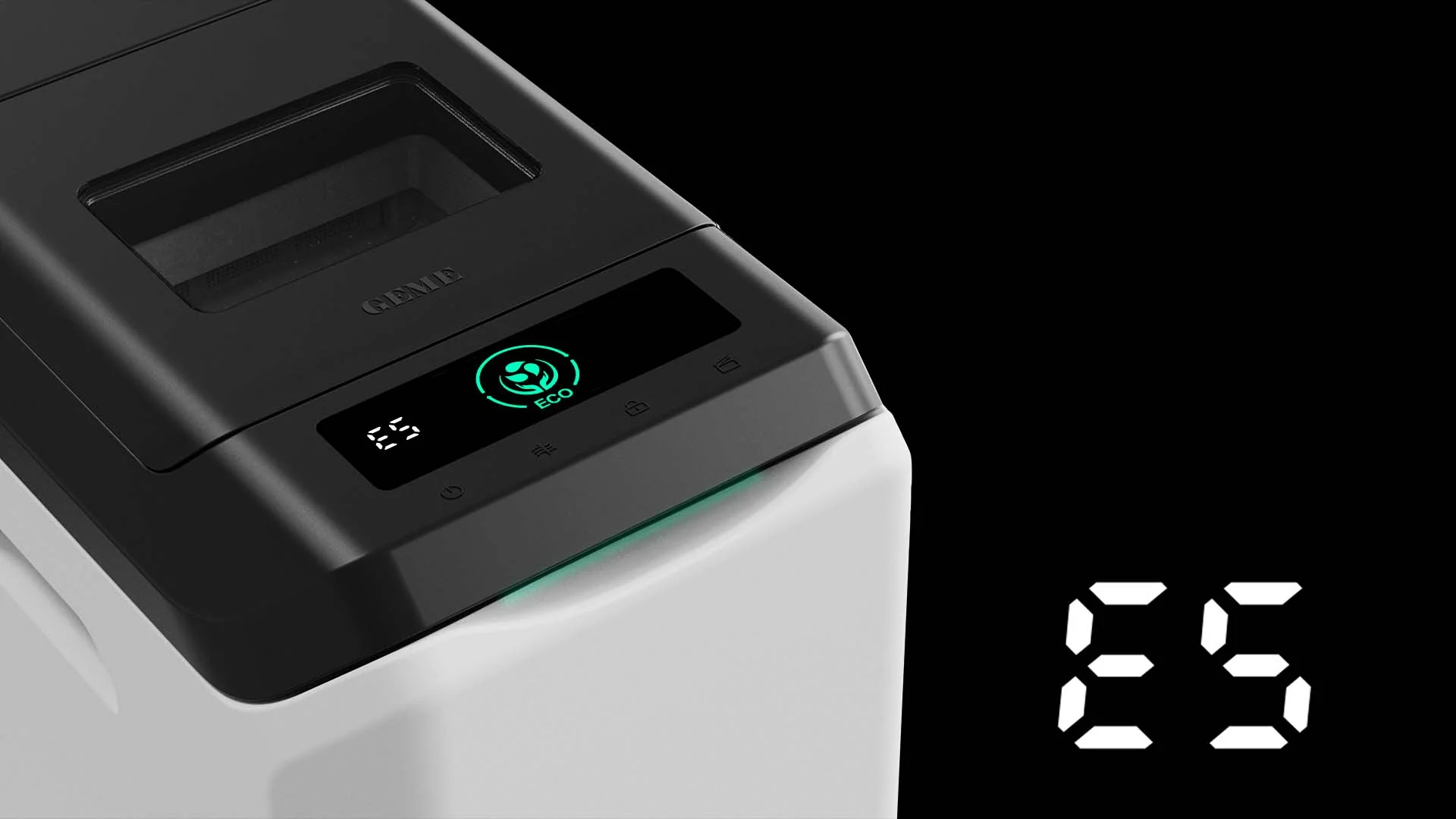
What an E5 fault means in GEME Terra 2 and what it does not

The “wet standard”: what living compost base should actually feel like?
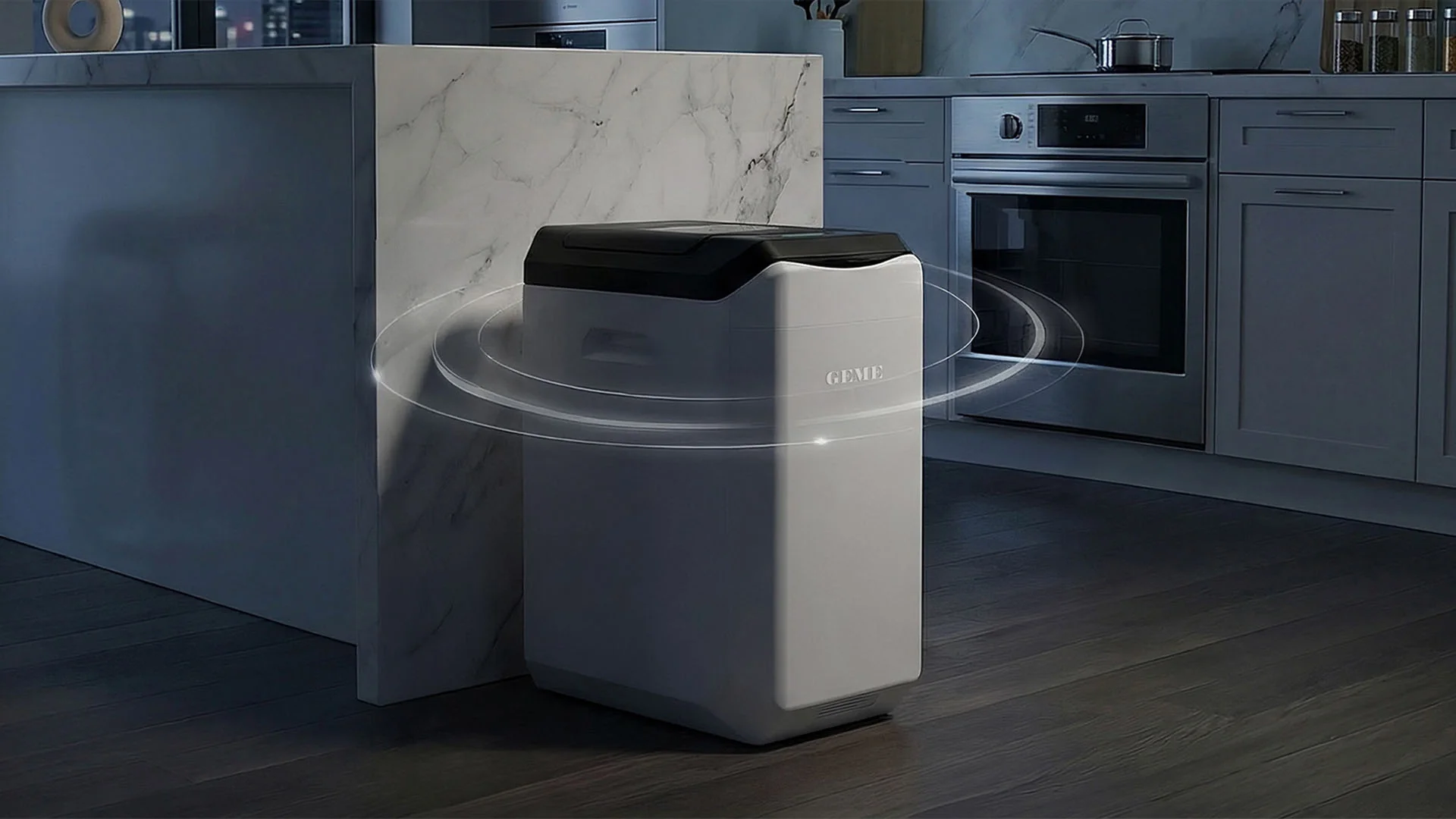
Why low average power matters more than dramatic peak wattage?
How to Avoid Food Poisoning Related to Leftovers: The Science Behind Leftover Food
GEME Composter vs DIY Bokashi: Which Should You Choose?
Permanent Odor Control: Catalyst Path vs. Disposable Carbon
GEME Composter Review 2026: Real Compost, No Filter costs
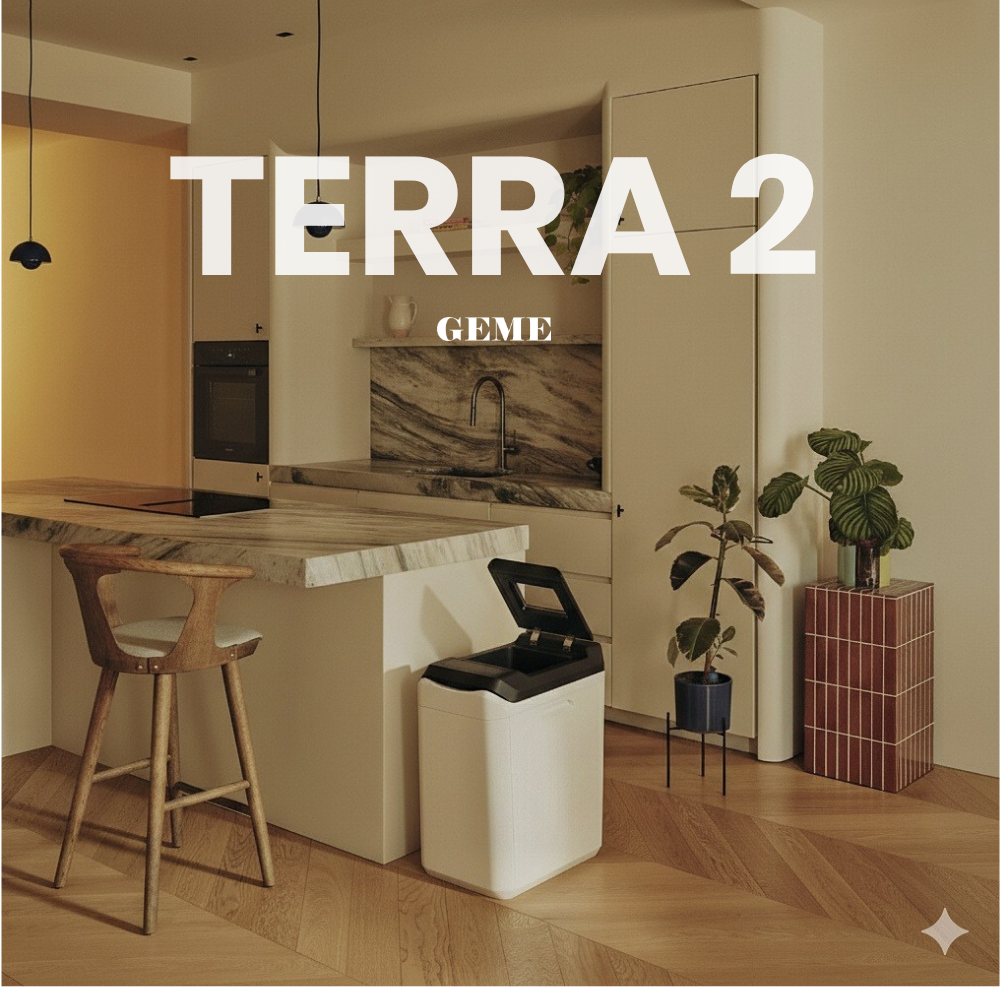
Why is the GEME chassis intentionally heavier than a typical countertop appliance?

How to Plant Tulips in Spring
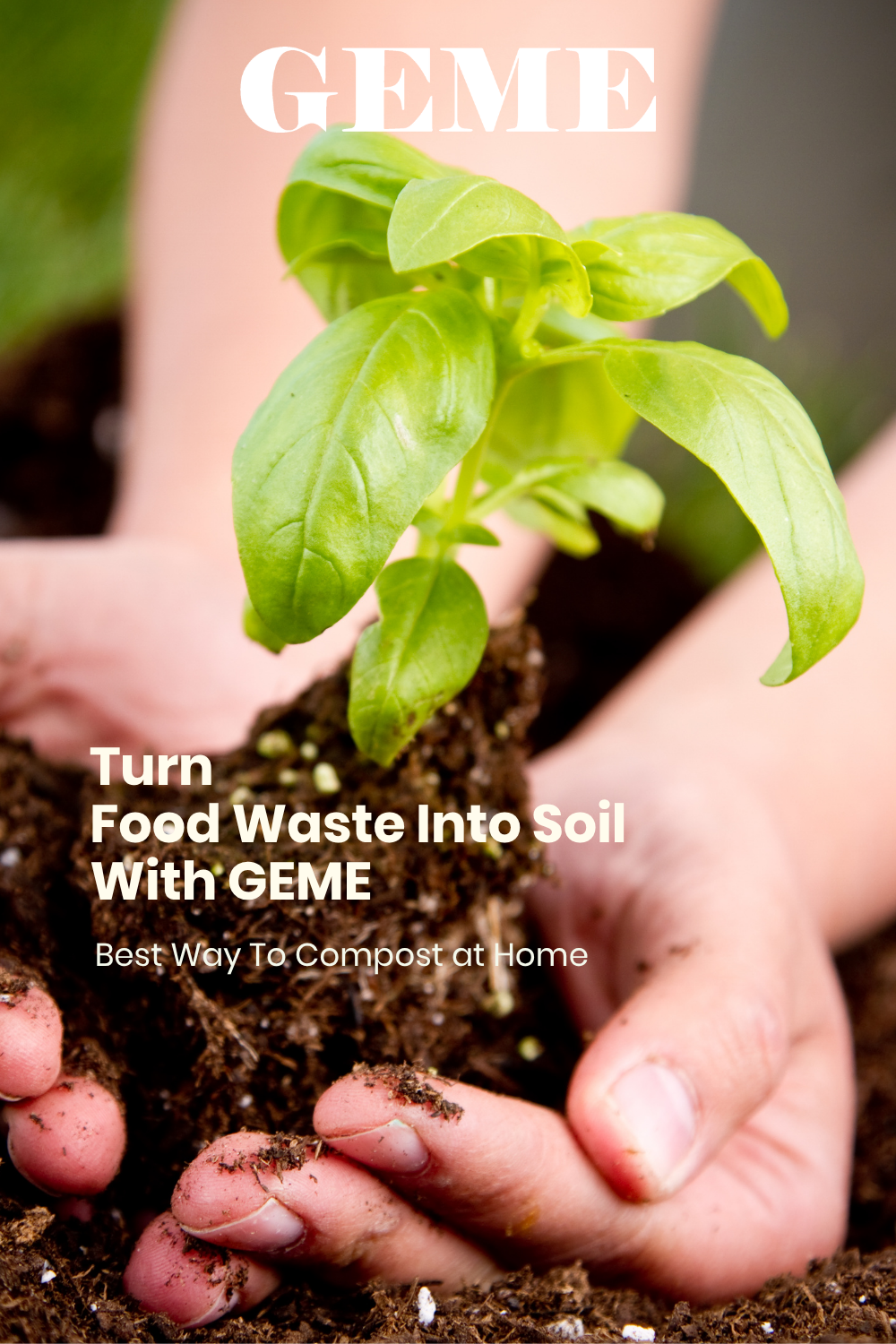
How to Compost at Home: A Complete Beginner's Guide

What Can You Put in an Electric Composter? Meat, Dairy, Bones (Clear Rules + Hard Limits)

Can an Electric Composter Handle Salt & Oil? Boundaries for Real Leftovers (Without the Myths)
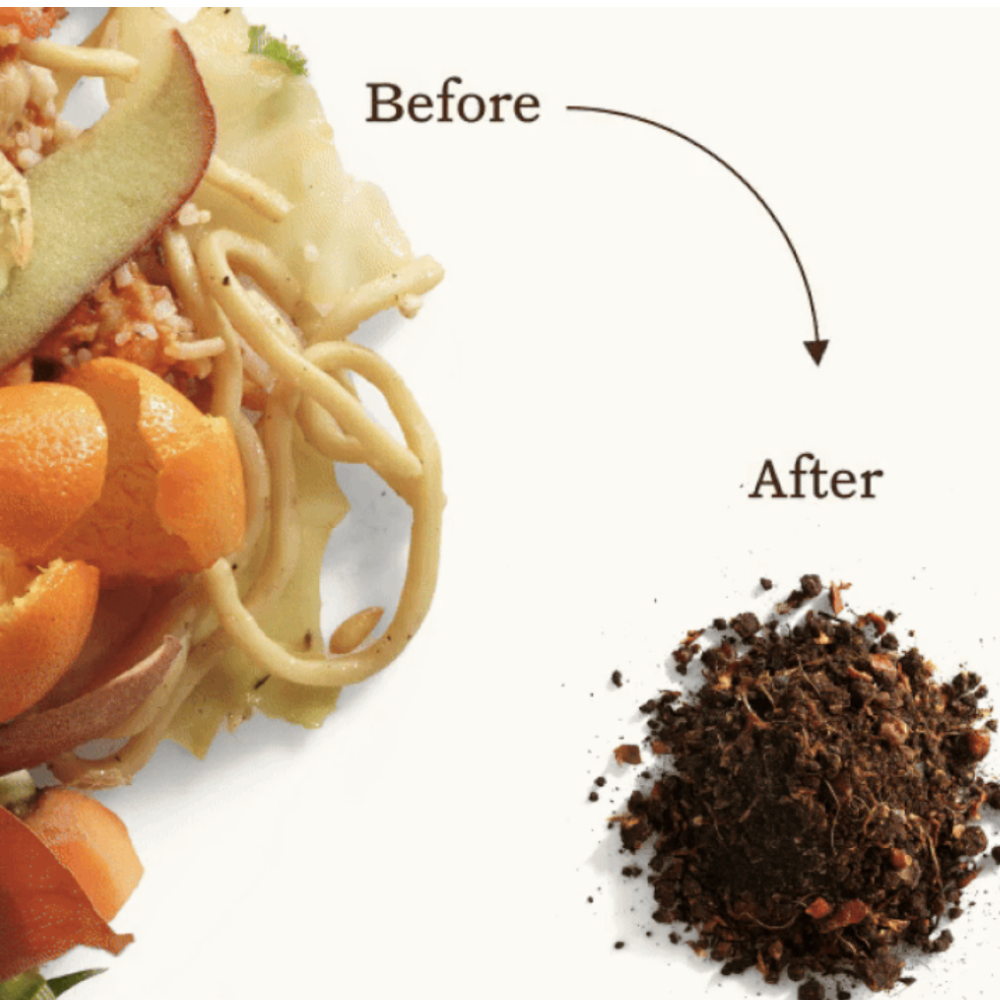
Mastering the GEME Cycle: An Agronomist’s Guide to Continuous-Flow Compost Application

Countertop Composter Is a Misnomer: Where an Electric Composter Actually Belongs in a Real Kitchen
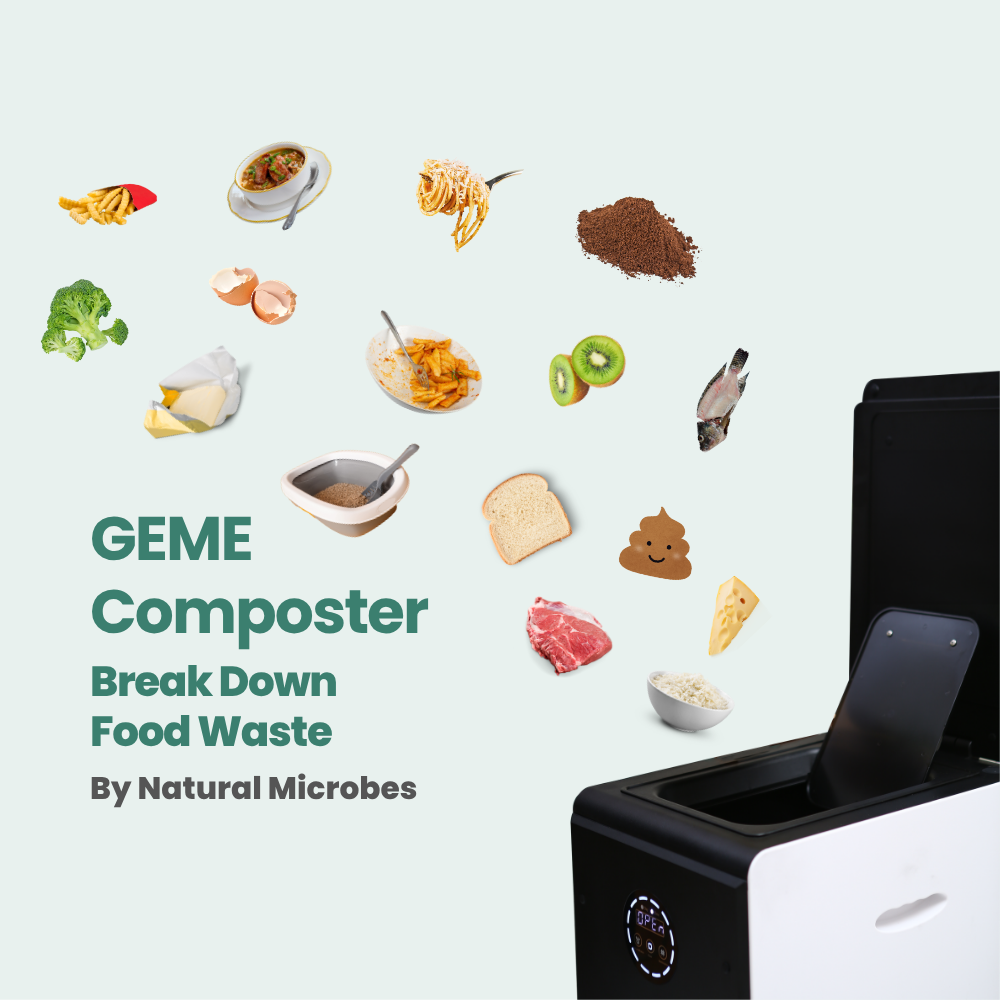
Top 5 Electric Composters on Amazon: 2026 Buyer’s Guide

GEME Terra II: The Pros and Cons
Top 5 Kitchen Composters: Pros and Cons
GEME Composter Review: Best Indoor Composter 2026
The Best Kitchen Composter Verdict 2026
The Best Composter for Avoiding Recurring Fees: GEME Terra 2 vs. Lomi, Mill, and Reencle

Can I Compost Cut Flowers?
How Long Does Bokashi Take to Compost?

How to Care For Hydrangeas And Change Their Colors
The Best Composter: Daily Operation Comparison (Lomi, Mill, Reencle, GEME)

How Long Does Pizza Last In The Fridge? The Ultimate Leftover Safety Guide

How to Compost Eggshells: The Ultimate Guide to Calcium Gold for Your Garden

How to Compost Coffee Grounds: The Ultimate Guide for Your Garden

Never Buy Carbon Filters for Your Composter

The Best Composter for Fastest Real Compost
How to Compost at Home for Beginners: The Ultimate 2026 Guide

How Long Can Chicken Stay in the Fridge? The Ultimate Guide to Safety, Spoilage, and Sustainable Disposal

How to Reduce Odor: Practical Tips for Indoor Composting That Actually Work

How Long Can Ground Beef Stay In The Fridge

Breaking News: NYC Fines for Food Waste Are Back, 2026

The Best Composter For Small Kitchen

How to Reduce Food Waste During Holiday: A Sustainable Spring Festival Guide
Reencle vs. GEME: The Ultimate Microbial Composter Showdown
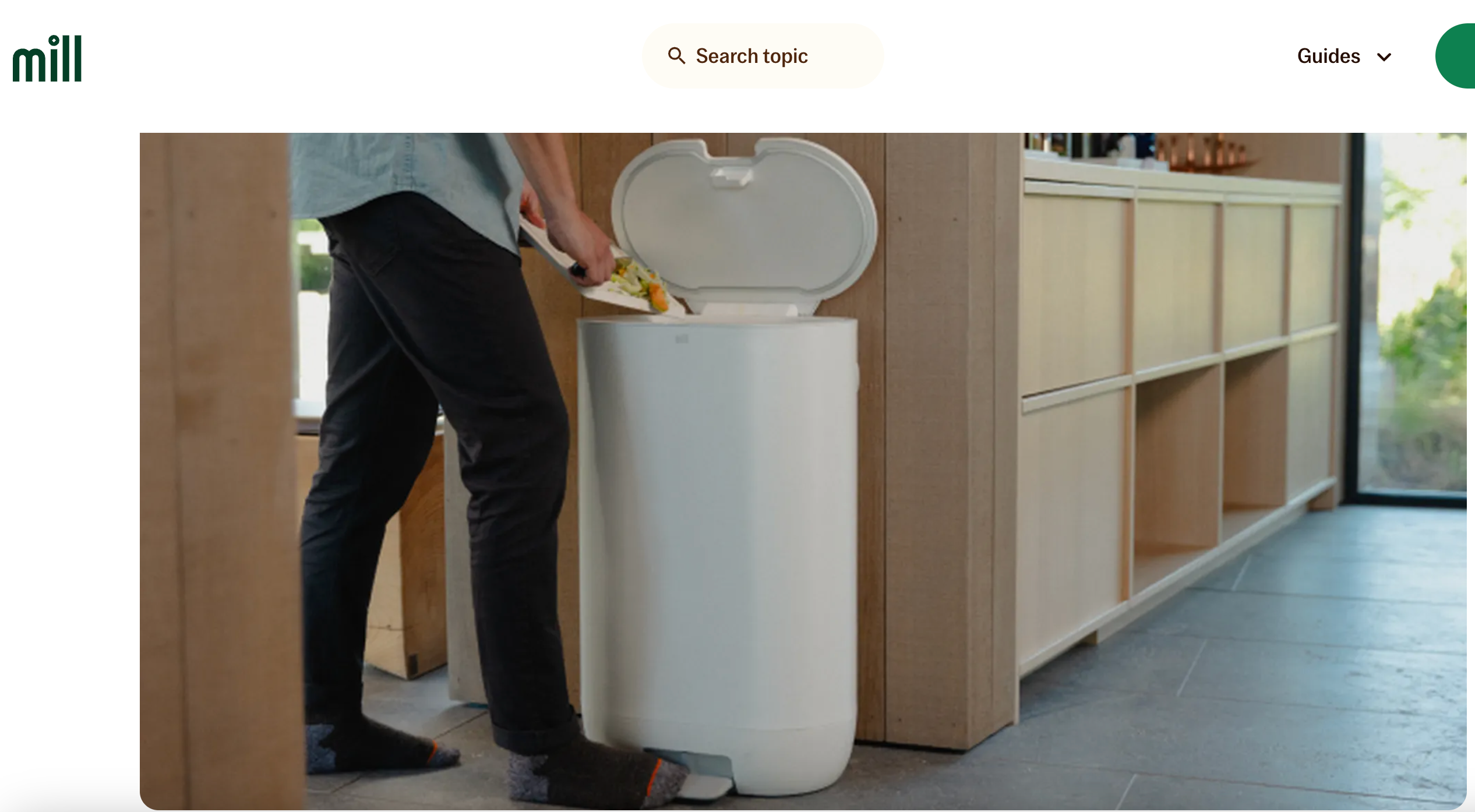
Does Mill Composter Really Compost? Honest Review & Best Kitchen Composter Guide 2026
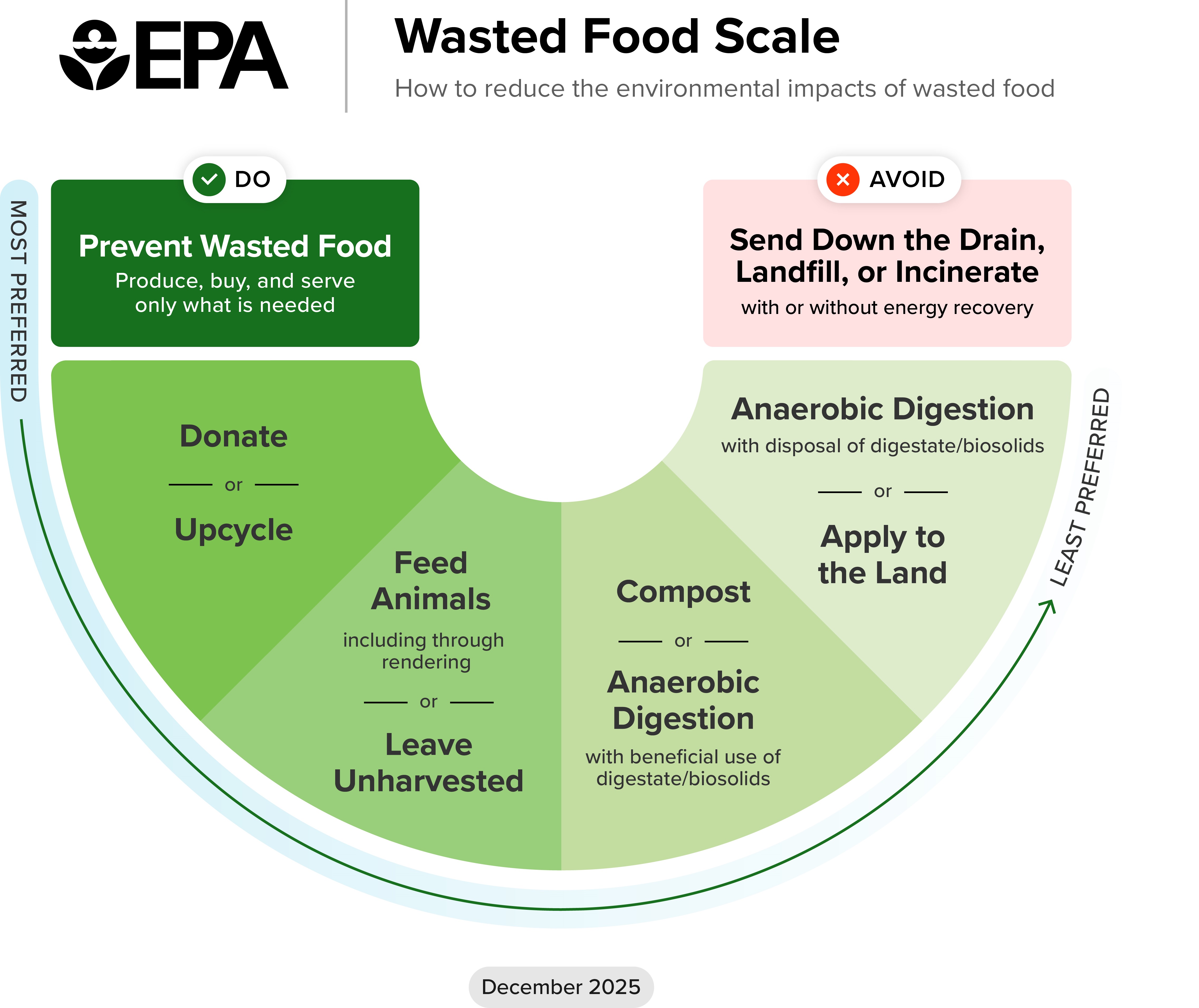
How to Reduce Food Waste at Home (Best Solution 2026)

McDonald’s Free Caviar Kits Raise Concerns of Food Waste | 2026 Composting Insights
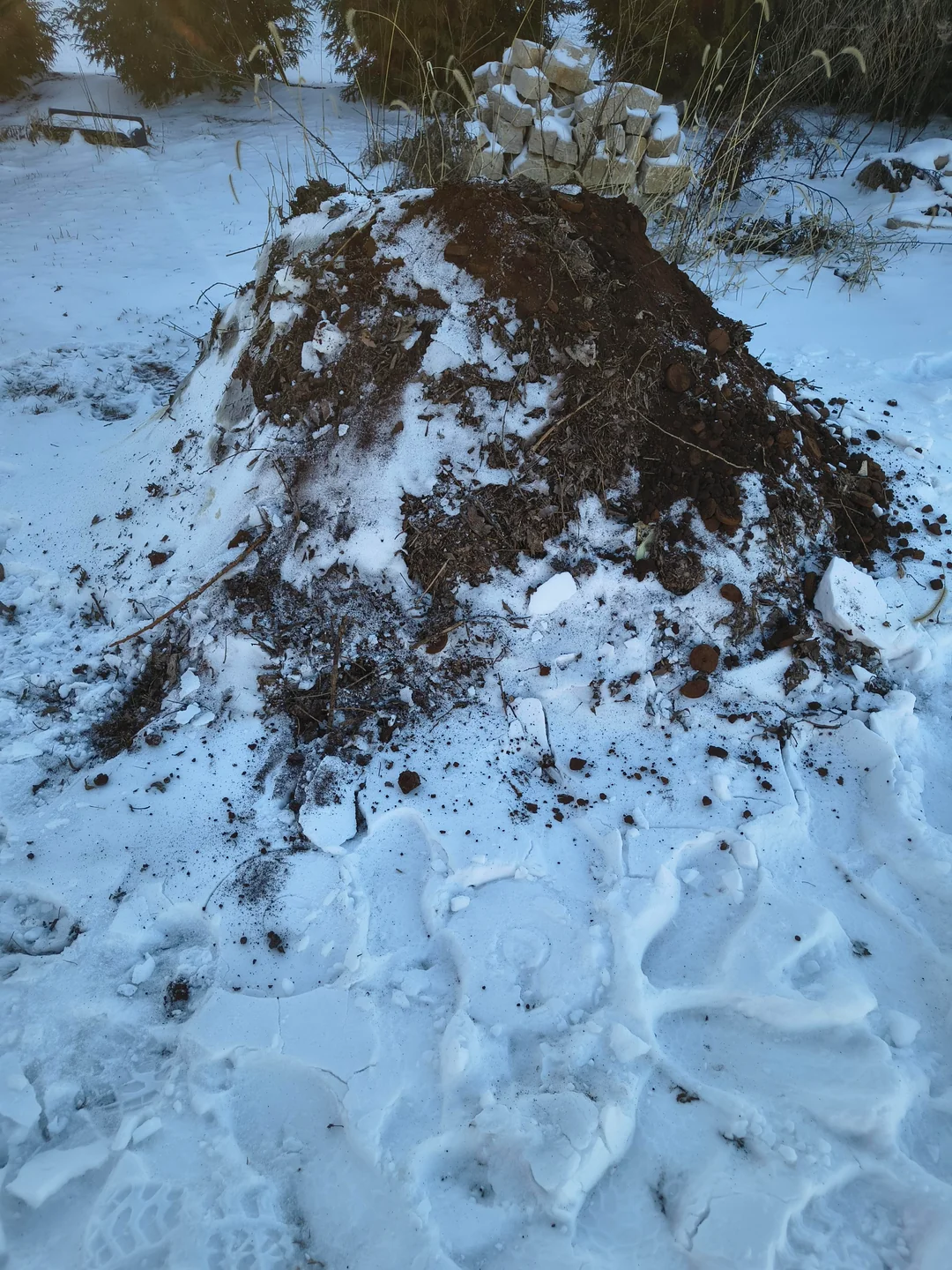
Winter Composting Crisis: How the 2026 Bomb Cyclone Makes Indoor Composting Essential
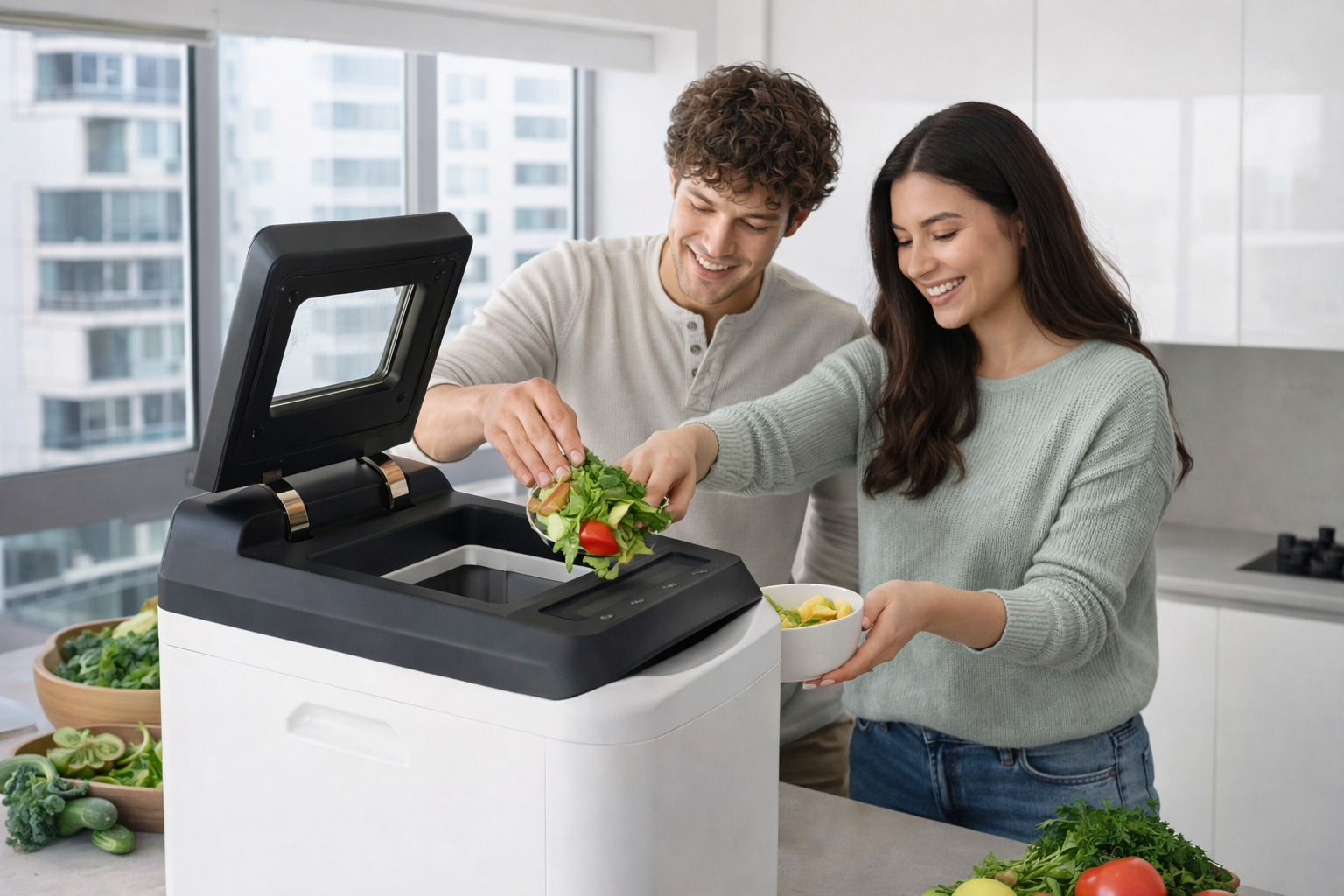
How to Compost in an Apartment (Best Solution 2026)

Zero-Waste Lifestyle Starts in Your Kitchen: How to Reduce Food Waste with GEME Terra 2 (Best Kitchen Composter Guide)
Does the Lomi Composter Really Compost? Lomi vs GEME Terra 2
Top 5 Kitchen Composters in 2026
Best Kitchen Composters in 2026: GEME Terra II Redefines “Real Compost”
GEME Terra 2 vs Reencle Composter: 2 different Microbial Composting Approaches
GEME Terra 2 vs Mill Composter: The 2026 Decision Guide

The Best Electric Kitchen Composter of 2026

Mastering the GEME Cycle: An Agronomist’s Guide to Continuous-Flow Compost Application
Geme Terra 2 vs Lomi: Which Countertop Composter Is Better for a Zero Waste Home?
Electric Compost Bin Filters Cost: GEME vs Lomi vs Mill vs Reencle
Bio-Composting Breakthroughs: GEME Terra 2 Debuts, An Easier & Smarter Way To Compost At Home

Can You Compost Bread?

Can I Compost Spoiled or Moldy Fruit Like Grapes? Here's A Practical Guide
Composting Basics: Backyard Compost Pile VS GEME Electric Composter

How Can We Make Bananas Last Longer?

How Long Do Apples Last in The Fridge? An Ultimate Guide For You to Keep Apples Fresh
The Best Kitchen Composter For Reducing Food Waste | Which One is Your Favourite?
Ready to transform your gardening game? Subscribe to our newsletter for expert composting tips and sustainable gardening advice.