GEME Composter vs DIY Bokashi: Which Should You Choose?

Introduction: Two Ways to Turn Trash into Treasure
You want to compost. You really do. But your apartment has no yard, your schedule has no spare hours, and your nose has no tolerance for rotting food smells.
So you start researching indoor options. Two names keep coming up: GEME Composter and Bokashi.
Here’s the problem. Most articles treat these as interchangeable solutions. They’re not. One is a high-tech appliance that lives on your kitchen floor and produces real compost in days. The other is a DIY fermentation bucket that pickles your scraps and leaves you with a half-finished product that still needs soil to finish breaking down.
I’ve spent weeks digging through user experiences, technical specs, and side-by-side comparisons to figure out which one actually delivers on its promises. Not marketing hype. Just real results.
In this guide, I’ll walk you through exactly how each method works, what they cost to own (including hidden costs nobody talks about), and which one fits your specific situation. By the end, you’ll know whether you’re a GEME person or a Bokashi person.
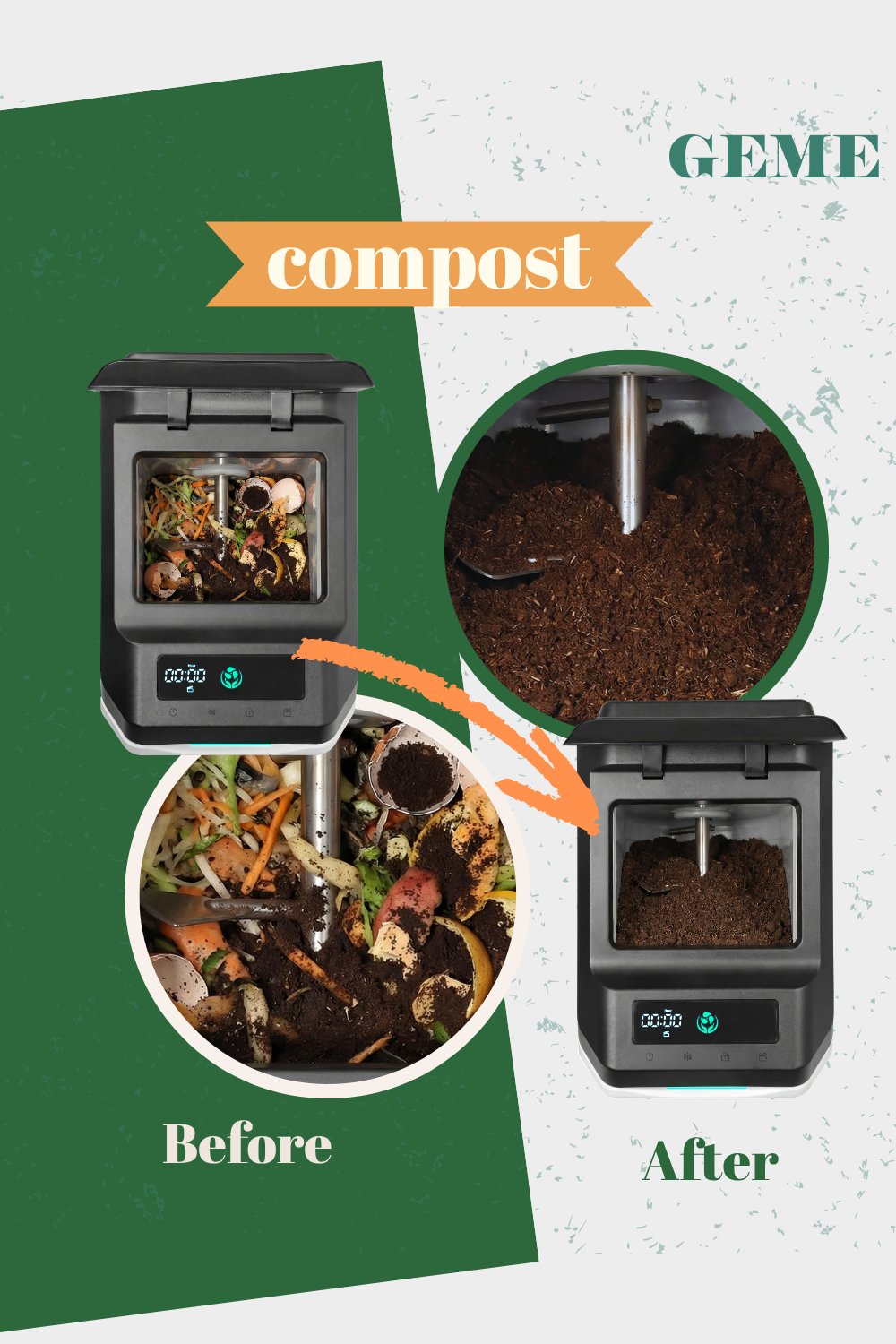
Table Of Content
1. What Is GEME Composter? (The Electric Composter)
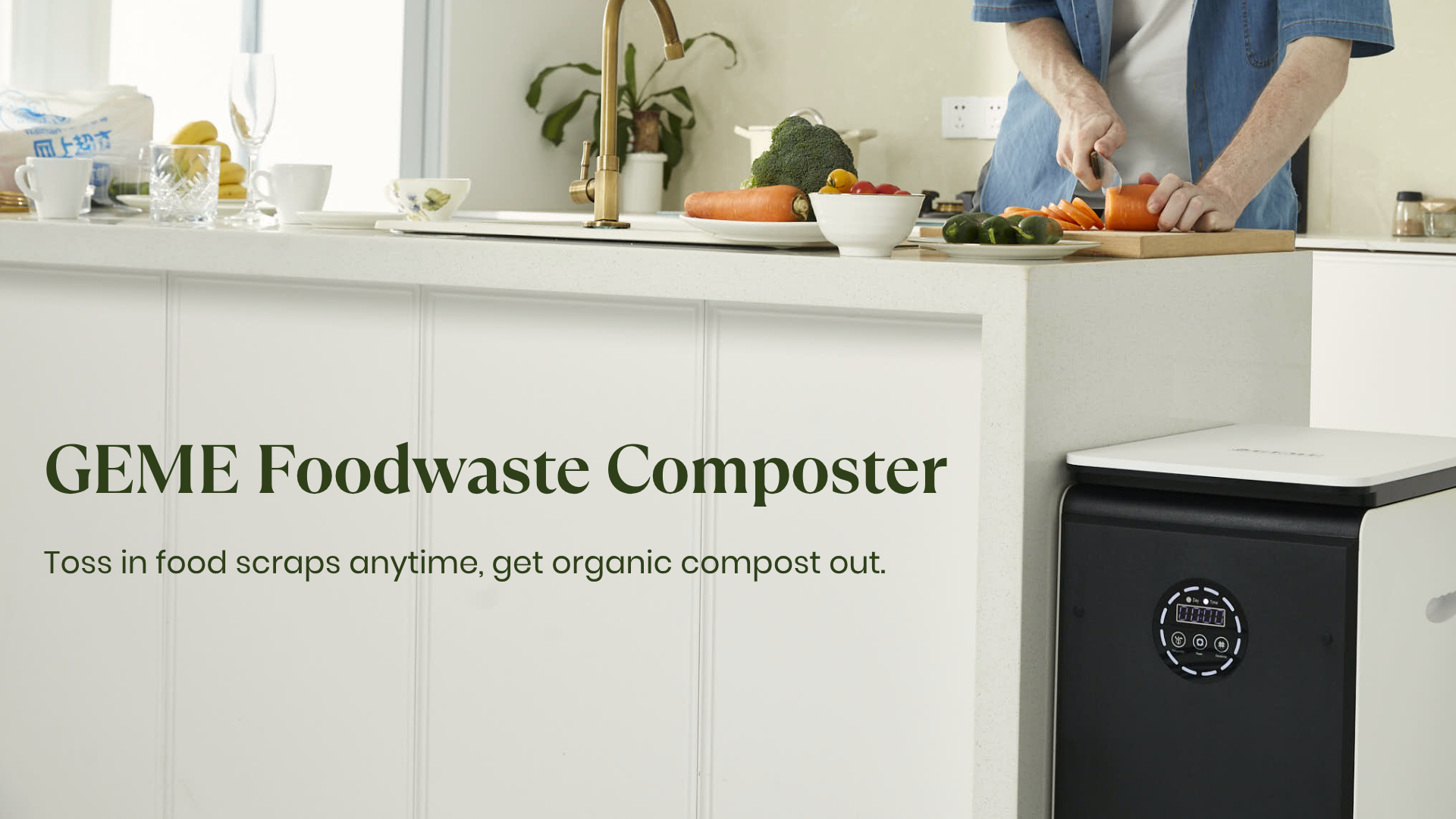
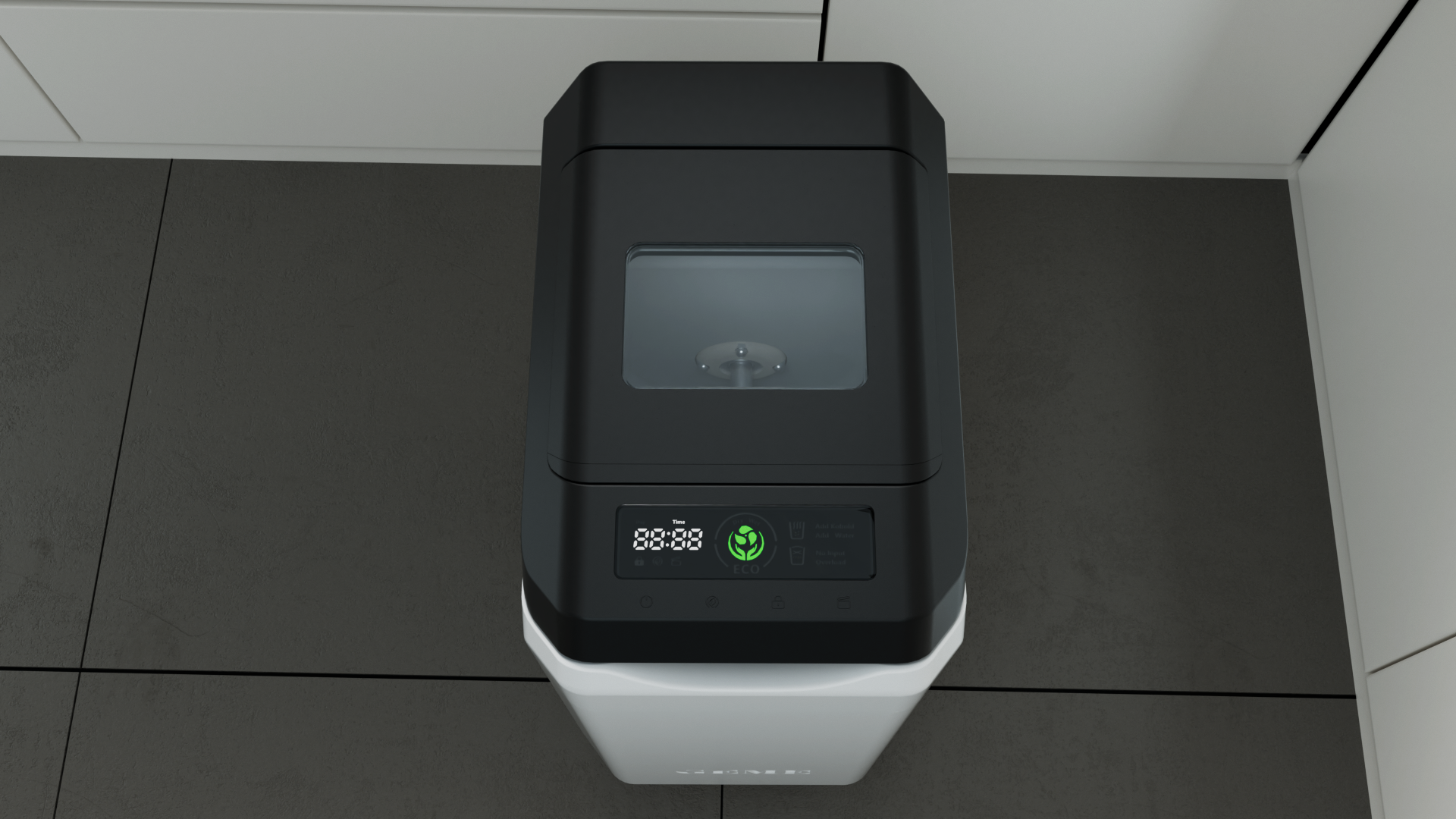
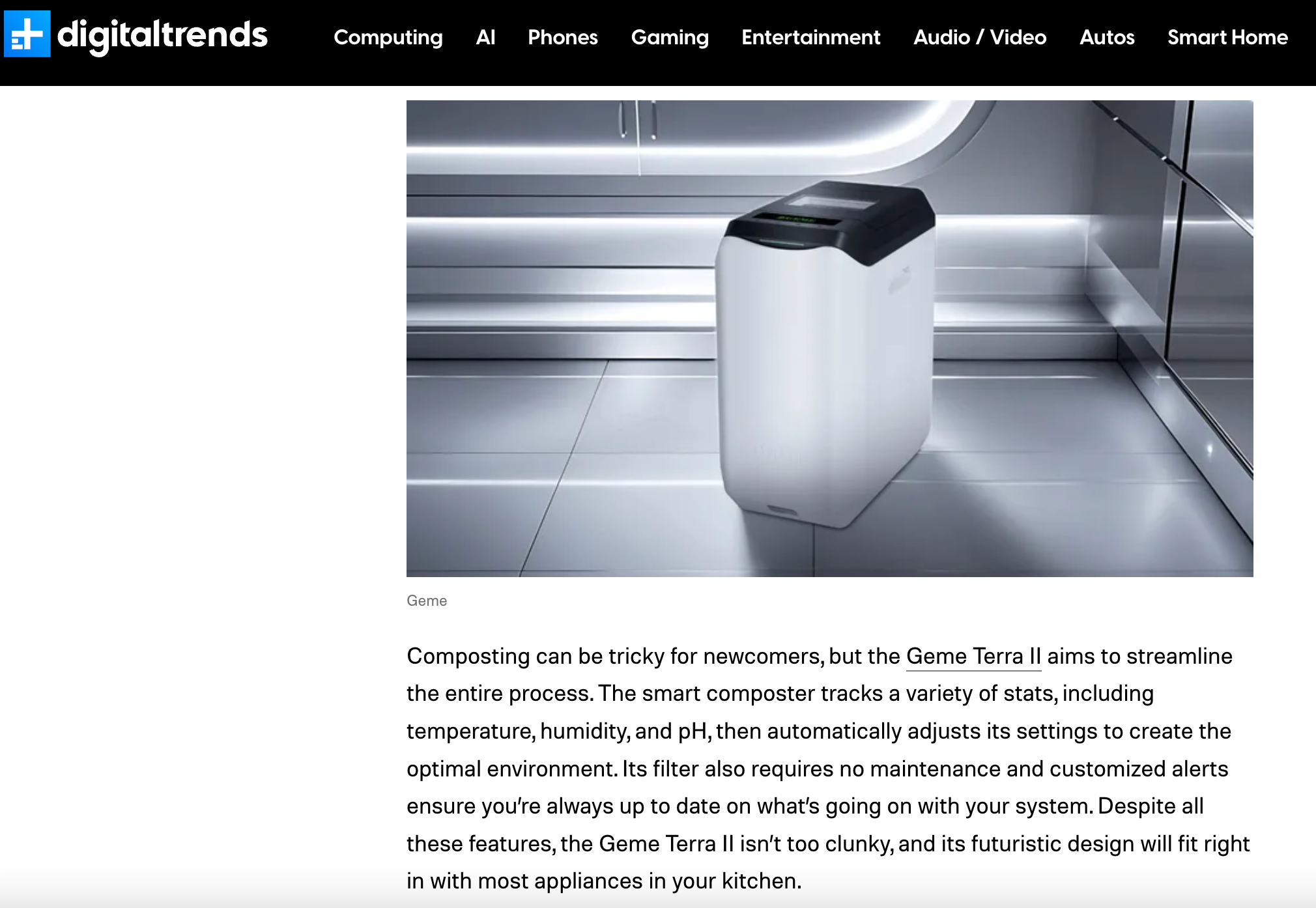
GEME composter is a floor-standing electric kitchen composter that uses live microorganisms to actually digest your food waste. Unlike popular brands that dehydrate and grind your scraps into dried dust, GEME composter is what engineers call a Continuous Aerobic Bio-processor.
Inside the machine lives a colony of Kobold microbes, a proprietary blend of heat-tolerant, aerobic bacteria that eat your food scraps. The machine maintains the perfect environment for them: warm, moist, and rich in oxygen. You add scraps anytime. The microbes get to work immediately. What comes out is real, biologically active compost.
Key specifications of the GEME Composter Pro
| Specification | GEME Pro |
|---|---|
| Process | Microbial digestion (Kobold) |
| Daily Capacity | Up to 5 kg (11 lbs) |
| Processing Time | 6-8 hours for soft waste |
| Output | Real, biologically active compost |
| Noise Level | 35-40 dB (whisper quiet) |
| Filter Cost | $0 (permanent metal-ion catalyst) |
| Power Use | ~1.85 kWh/day |
| Harvest Frequency | Every 1-2 months |
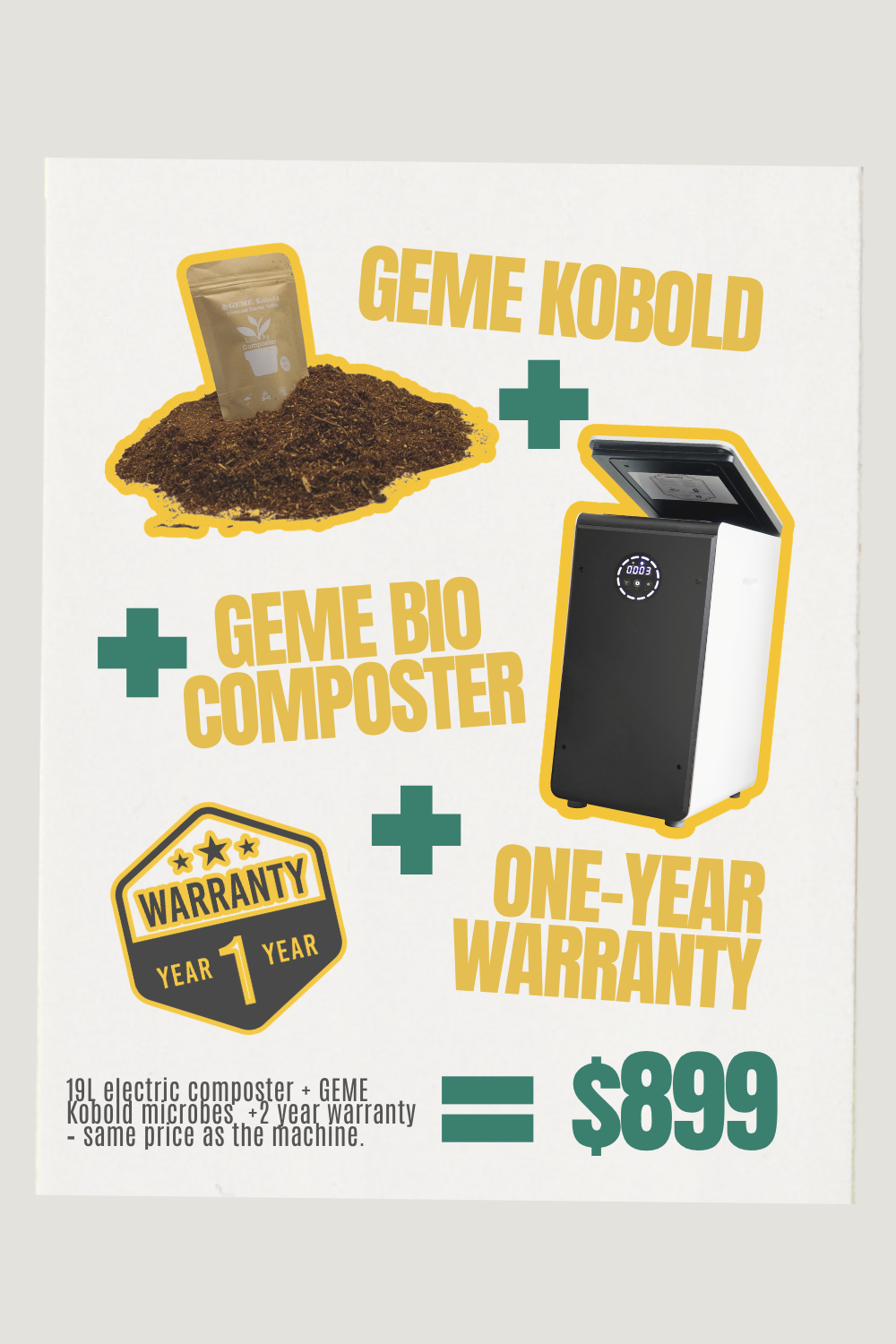
| Price | Approximately $899 |
The machine is built for households that generate serious food waste, think large families, daily cooks, or even small restaurants. It’s not a dehydrator. It’s not a glorified trash compactor. It’s a genuine biological processing unit that lives in your kitchen.
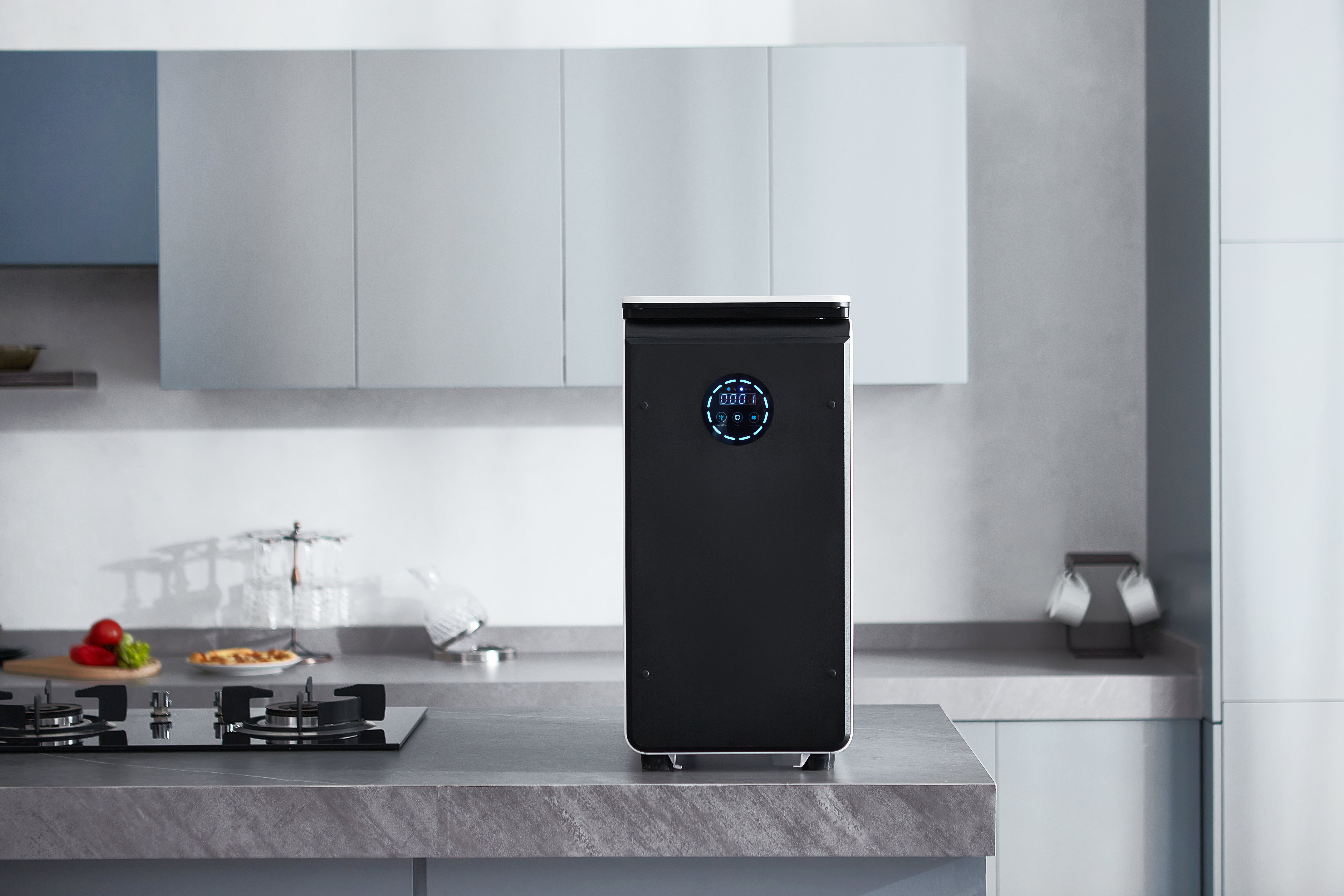
GEME Pro Composter
✅ Best Composter With No Hidden Costs
✅ Produce Soil-Ready Compost For Plant Growth
✅ Quiet, Odor-Free, Quick(6-8 hours)
✅ Large Capacity (19 L) For Daily Waste
How GEME Composter Stands Out
Most electric composters rely on heat and grinding blades. They dry out your scraps and call it compost. Soil scientists disagree. As one composting expert noted, “Devices like these are excellent for waste reduction, but calling their output ‘compost’ is misleading. It’s a soil amendment precursor.”
GEME Composter is different because it uses actual biology. The Kobold microbes break down waste the same way nature does, just way faster. The output is moist, dark, crumbly, and smells like a healthy forest floor. You mix it with soil at a 1:8 ratio, and your plants get an immediate nutrient boost.
Learn More About GEME Kobold →
And because the machine uses a permanent metal-ion oxidation catalyst for odor control, you never buy filters. Ever. Lomi owners spend $150 to $200 per year on charcoal filters. GEME owners spend zero.
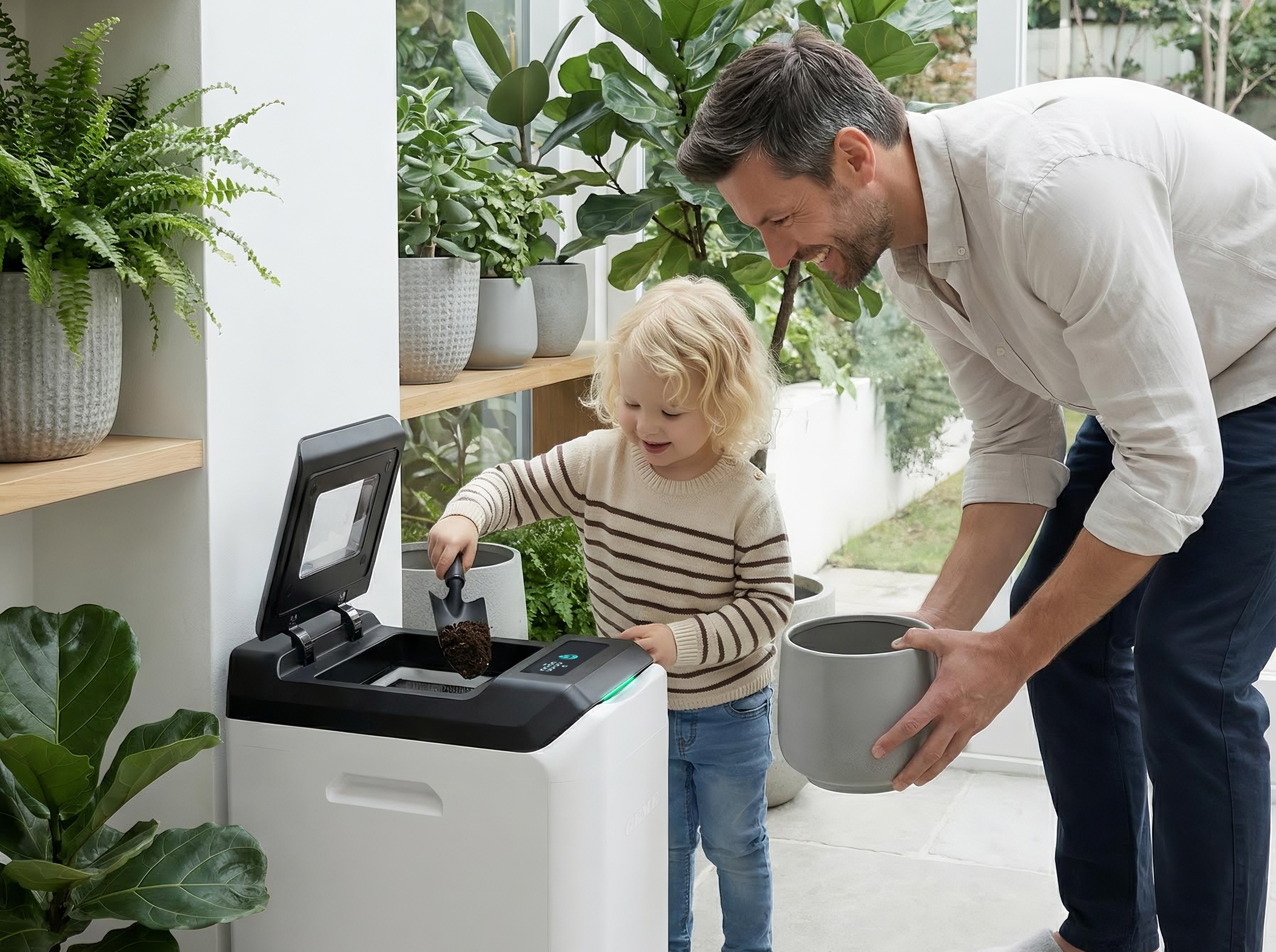
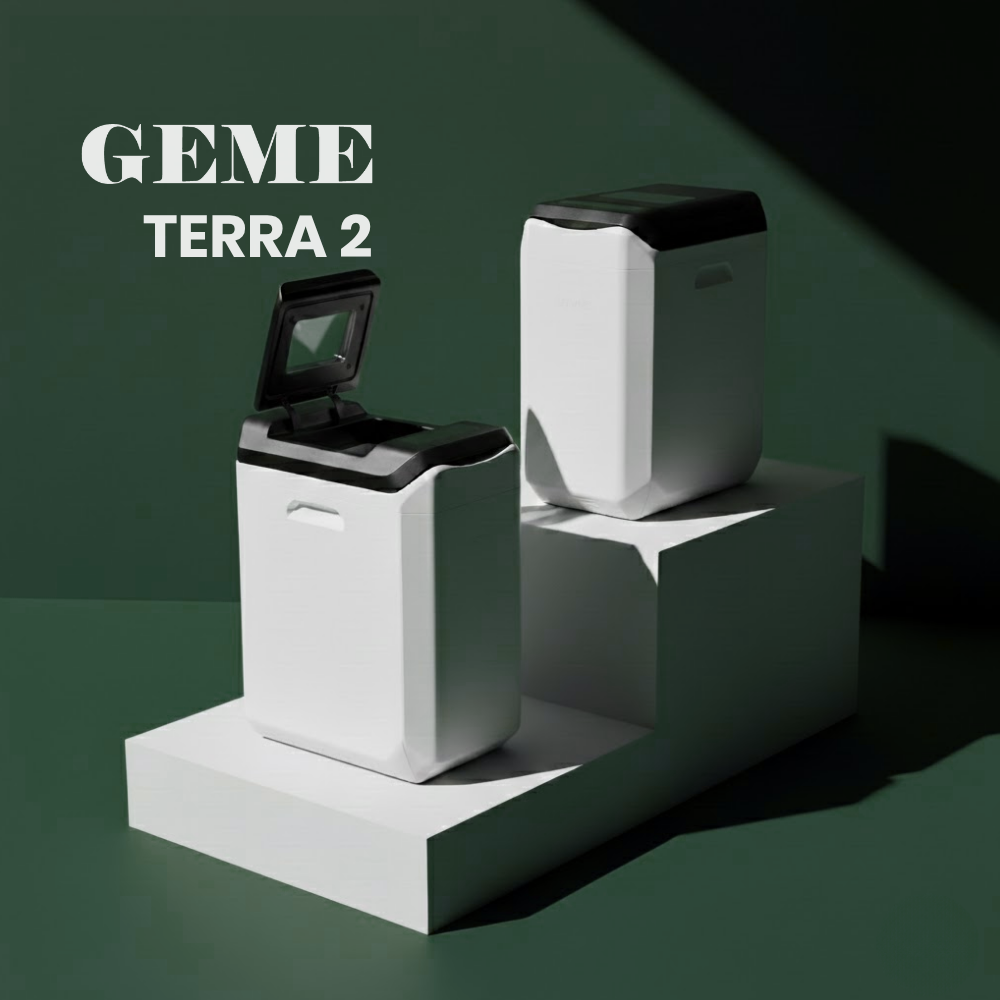
GEME Terra II: Best Kitchen Composter
✅ Best Composter With Permanent Filter
✅ Biologically Active Composting System
✅ Quiet, Odour-Free, Real Compost
✅ Zero Filter Costs, No Refills
✅ Reduces Composting Time to Days
2. What Is DIY Bokashi? (The Fermentation Bucket)
Bokashi is a Japanese method that ferments food waste using beneficial microorganisms. Unlike traditional composting which relies on oxygen and decomposition, Bokashi is anaerobic, meaning it happens without oxygen.
Here’s how it works. You put your food scraps in an airtight bucket. Each time you add a layer of scraps, you sprinkle a handful of Bokashi bran over the top. The bran is wheat or rice husks inoculated with lactic acid bacteria, yeast, and other effective microorganisms. You press the scraps down to remove excess air, seal the lid, and let it sit.
After about two weeks, the contents have fermented into a pickled, slightly vinegary-smelling material. But here’s the important part: it’s not finished compost. It’s pre-compost. To complete the process, you need to bury it in soil or add it to an outdoor compost pile. Within a few weeks underground, the fermented material finishes breaking down into usable soil amendment.
The process also produces a liquid byproduct called “Bokashi tea.” This liquid drains out of a spigot at the bottom of the bucket every few days. When diluted (typically 1:100 or 1:200 with water), it makes a nutrient-rich liquid fertilizer.
Key characteristics of DIY Bokashi
| Feature | Bokashi |
|---|---|
| Process | Anaerobic fermentation |
| Time to ferment | 2 weeks |
| Time to fully break down | Additional 4 weeks after burial |
| Output | Pre-compost (needs soil to finish) |
| Ongoing cost | $30-40 per year for bran |
| Space | Small bucket (countertop or under sink) |
| Setup cost | $50-75 for starter kit |
The Ongoing Bran Cost
This is where Bokashi catches people off guard. The starter kit costs around $50 to $75 and includes a bucket, spigot, and a bag of bran. But that bran runs out. According to cost analyses, the average household spends about $30 to $40 per year on Bokashi bran. Over three years, that’s $90 to $120.
And unlike GEME’s self-replicating microbes, Bokashi bran isn’t a one-time purchase. You need to keep buying it. There’s a DIY option, you can make your own bran for $5 to $10 per batch, but that takes time, effort, and access to effective microorganism cultures.
3. The Output Face-Off: Real Compost vs Pre-Compost
This is the most important difference between these two methods. It’s not even close.
GEME Composter’s Output: Ready-to-Use Living Compost
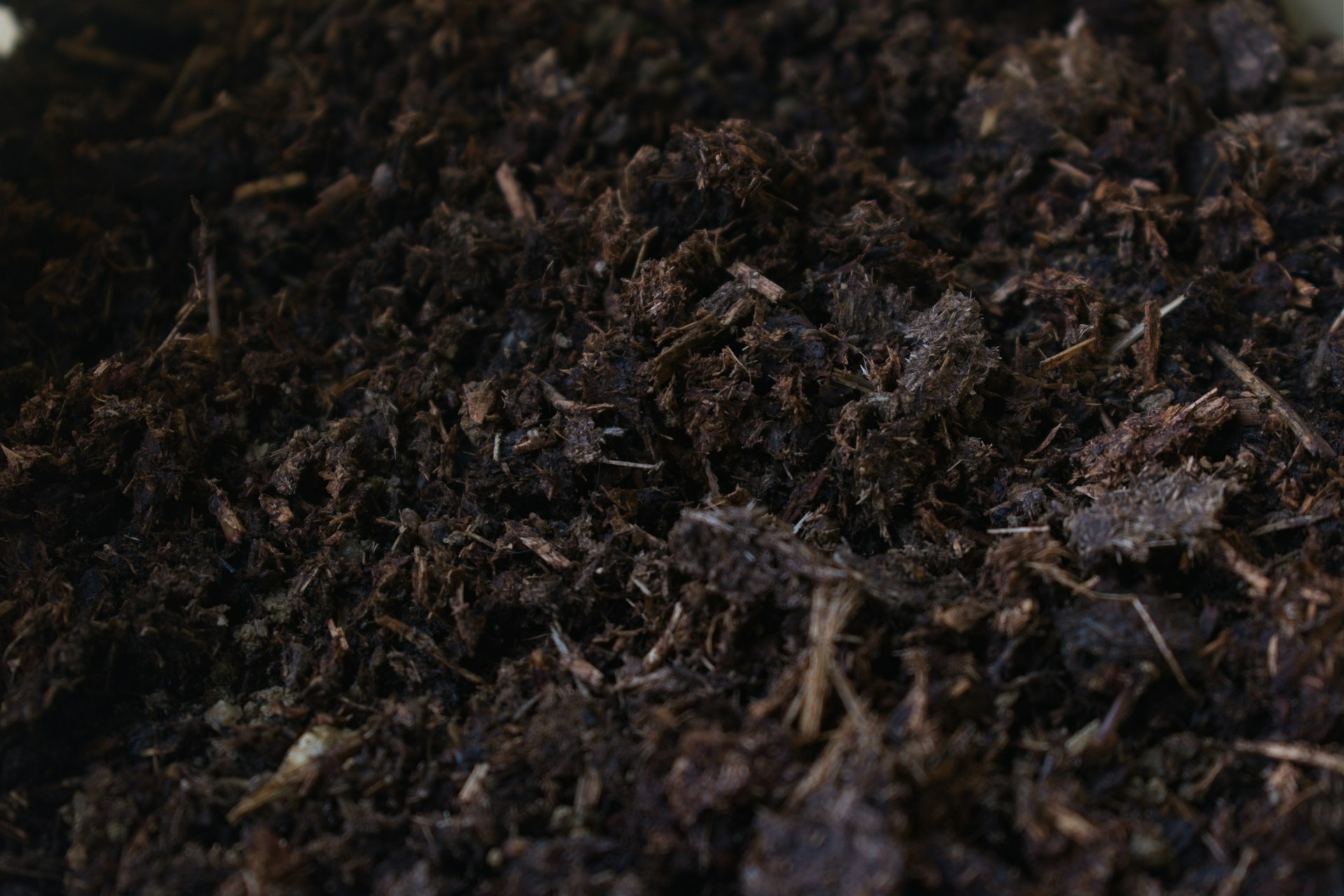
When you harvest from a GEME machine, what you get is finished, biologically active compost. It’s dark, crumbly, moist, and smells like a forest floor. You can mix it with soil at a 1:8 ratio and use it immediately on your plants.
The Kobold microbes have already done the hard work of breaking down the organic matter. The output is stable, safe, and full of the living microorganisms that plants love. There’s no waiting. No second step. No burial required.
Bokashi’s Output: Pickled Pre-Compost
Bokashi gives you fermented, pickled food waste. It’s not compost yet. It’s too acidic to apply directly to plants. To finish the job, you need to bury it in soil, either in a garden bed, a planter box, or an outdoor compost pile.
If you don’t have outdoor space, you’re stuck. Some people donate their fermented waste to community gardens or neighbors with yards. But if you live in a high-rise apartment with no garden access, Bokashi leaves you with a bucket of pickled scraps and nowhere to put them.
This is the single biggest limitation of Bokashi. The fermentation process is fast and odor-free, but it’s only half the journey. You still need a place to finish the job.
Which Output Is Better?
If you have a garden or yard space, both methods can work. GEME composter gives you an active compost base directly. Bokashi gives you pre-compost that needs burial.
If you don’t have outdoor space, GEME composter is the clear winner. You can use the compost for houseplants, balcony containers, or give it away. With Bokashi, you’re left with fermented waste and no way to finish it.
4. Speed: How Long Until You Get Usable Compost?
Speed matters. Waiting months for compost is why many people give up on traditional bins.
GEME Composter’s Timeline
| Stage | Time |
|---|---|
| Soft waste breakdown | 6–8 hours |
| Fibrous stems breakdown | Several days to a week |
| First harvest | 4–6 weeks (to fill chamber) |
| Subsequent harvests | Every 1–2 months |
The machine runs continuously, so you add scraps whenever you have them. The first harvest takes about a month because you’re filling the chamber from empty. After that, you’re harvesting every month or two, depending on how much waste you generate.
Bokashi’s Timeline
| Stage | Time |
|---|---|
| Fermentation in bucket | 2 weeks |
| Burial in soil | 4 weeks |
| Total to finished compost | 6 weeks |
Bokashi takes about six weeks from first scrap to finished compost. That’s not slow. But it requires active management. You need to maintain the bucket, drain liquid regularly, and then bury the material. And the clock resets with each batch.
The Winner on Speed
For speed to finished compost, both methods are reasonably fast. Bokashi takes about six weeks total. GEME Composter gives you compost in about a month for the first batch and then ongoing.
But GEME composter requires almost no daily effort. You just add scraps. Bokashi requires regular draining, bran replenishment, and eventually a burial spot. Speed is similar, but effort is not.
GEME Terra II: Best Kitchen Composter
✅ Best Composter With Permanent Filter
✅ Biologically Active Composting System
✅ Quiet, Odour-Free, Real Compost
✅ Zero Filter Costs, No Refills
✅ Reduces Composting Time to Days
GEME Pro Composter
✅ Best Composter With No Hidden Costs
✅ Produce Soil-Ready Compost For Plant Growth
✅ Quiet, Odor-Free, Quick(6-8 hours)
✅ Large Capacity (19 L) For Daily Waste
5. What Can You Put In? Input Comparison
This is where both methods shine compared to traditional composting.
What GEME Composter Can Handle
| Material | GEME Composter |
|---|---|
| Fruit and vegetable scraps | Yes |
| Meat and poultry | Yes |
| Small bones (chicken, fish) | Yes |
| Dairy | Yes |
| Cooked leftovers | Yes |
| Coffee grounds and eggshells | Yes |
| Bread and pasta | Yes |
| Large beef or pork bones | No (takes too long) |
| Shells | No |
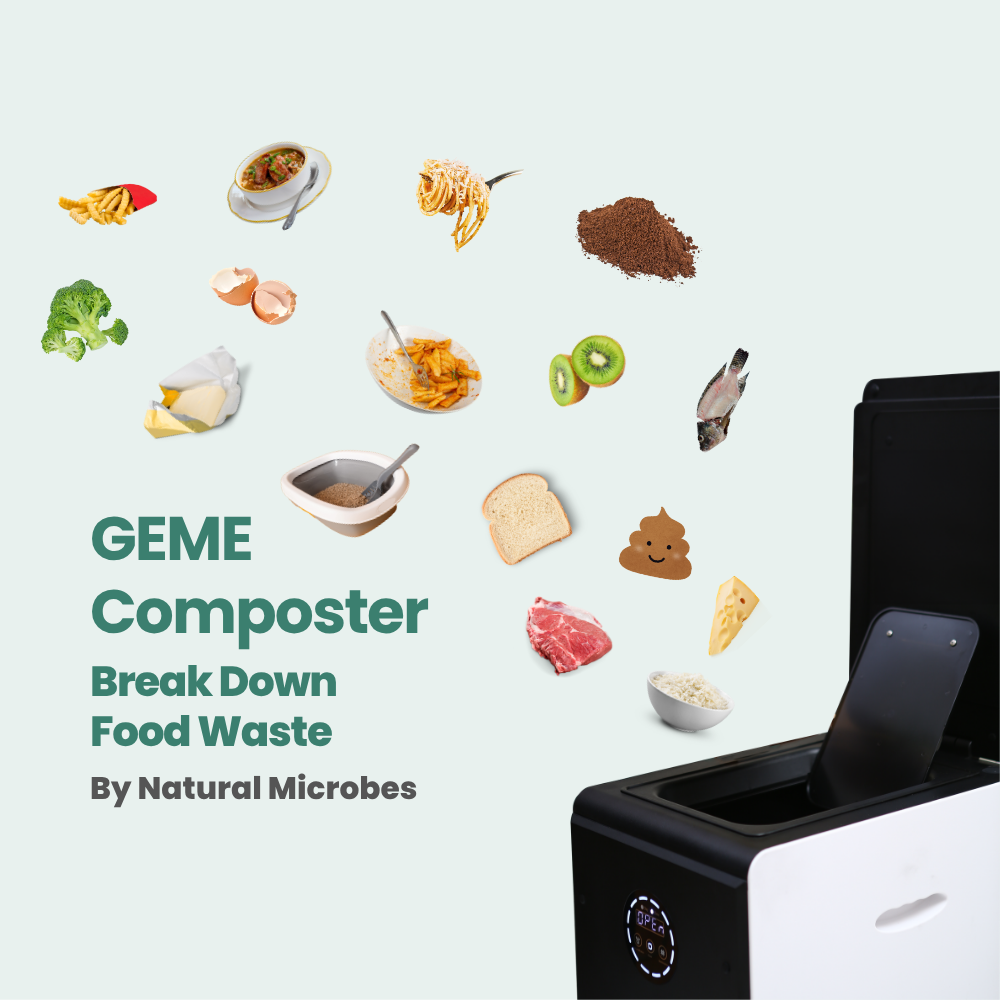
GEME composter can handle nearly all household food waste. The Kobold microbes are aggressive and versatile. You don’t need to sort or worry about what you’re adding. Just toss it in.
What Bokashi Can Handle
| Material | Bokashi |
|---|---|
| Fruit and vegetable scraps | Yes |
| Meat and poultry | Yes |
| Small bones | Yes |
| Dairy | Yes |
| Cooked leftovers | Yes |
| Coffee grounds and eggshells | Yes |
| Bread and pasta | Yes |
| Oils and fatty foods | Small amounts only |
| Large bones | No |
Bokashi also handles almost everything. This is one of its biggest selling points. Traditional composting forces you to avoid meat, dairy, and cooked foods. Bokashi doesn’t care. You can put it all in.
However, large bones and excessive oils can cause problems. Most guides recommend keeping those out.
The Winner on Inputs
It’s a tie. Both systems can handle virtually all household food waste. This is what makes them superior to traditional compost bins.
6. Ongoing Costs: The Hidden Subscription Nobody Mentions
Upfront price is only half the story. Here’s what you actually pay over time.
GEME Composter’s Ongoing Costs
| Cost Category | GEME Pro |
|---|---|
| Filter replacements | $0 (permanent metal-ion catalyst) |
| Microbe refills | $0 (self-replicating) |
| Annual total | ~$0 |
The metal-ion catalyst lasts the lifetime of the machine. You never replace it. The Kobold microbes are self-replicating, as long as you leave some compost in the chamber when you harvest, the colony sustains itself.
Bokashi’s Ongoing Costs
| Cost Category | Bokashi |
|---|---|
| Starter kit | $50-75 (one-time) |
| Bokashi bran | $30-40 per year |
| Annual total | $30-40 |
That annual bran cost adds up. Over three years, you’ll spend $90 to $120 on bran. If you make your own DIY bran, you can reduce that to $5 to $10 per batch, but that takes time, effort, and access to EM cultures.
The Comparison Table
| Cost | GEME Pro (3 years) | Bokashi (3 years) |
|---|---|---|
| Upfront | ~$899 | ~$60 (kit) |
| Filter cost | $0 | $0 |
| 3-year total | ~$899 | ~$150-180 |
Bokashi is significantly cheaper upfront and over three years. That’s not even close. If budget is your primary concern, Bokashi wins.
But there’s a trade-off. Bokashi is cheaper because it does less. It gives you pre-compost that needs burial. GEME costs more because it does everything for you, real compost, zero effort, no outdoor space required.
7. Space and Setup: Where Does It Live?
GEME Composter’s Footprint
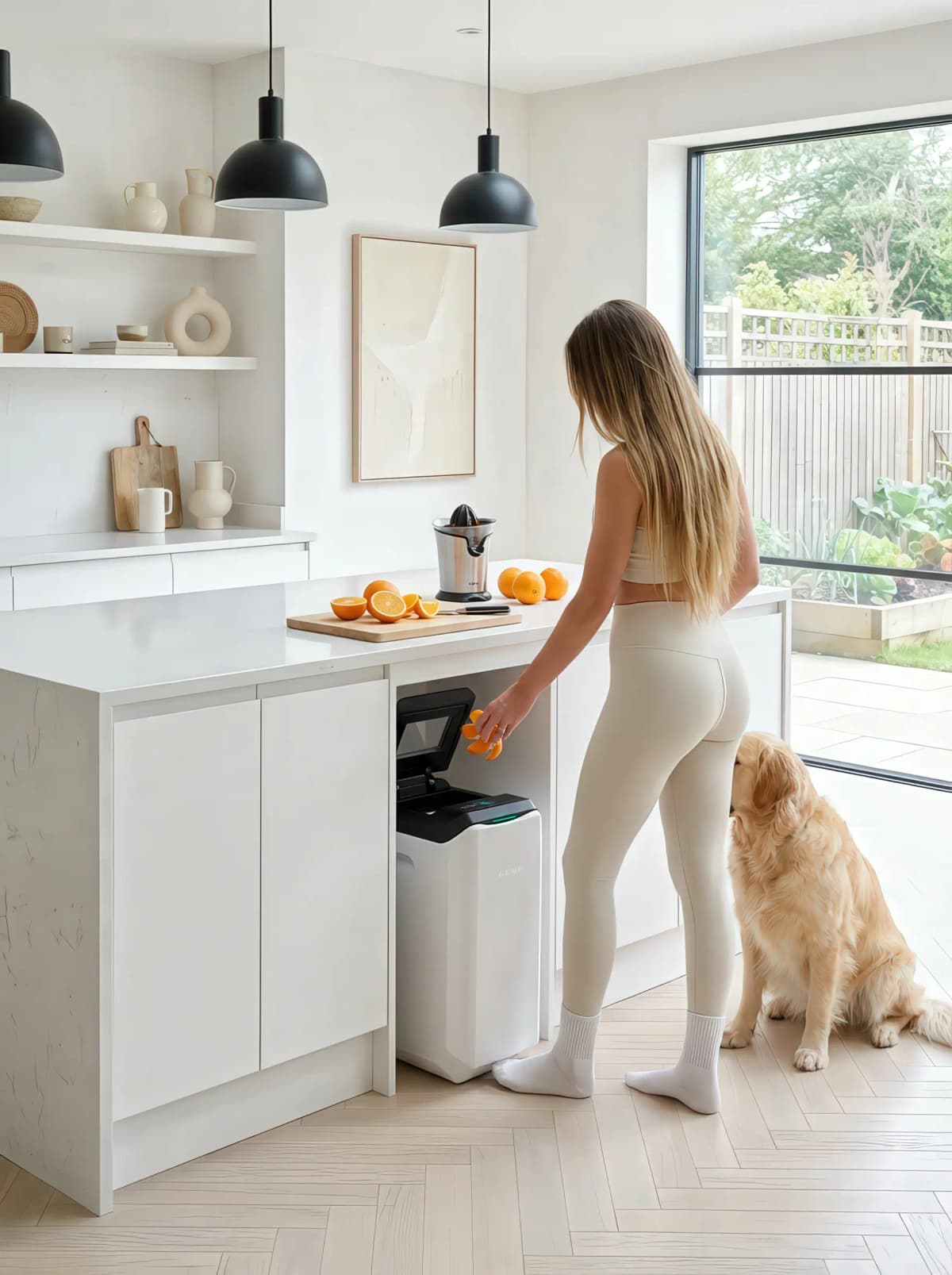
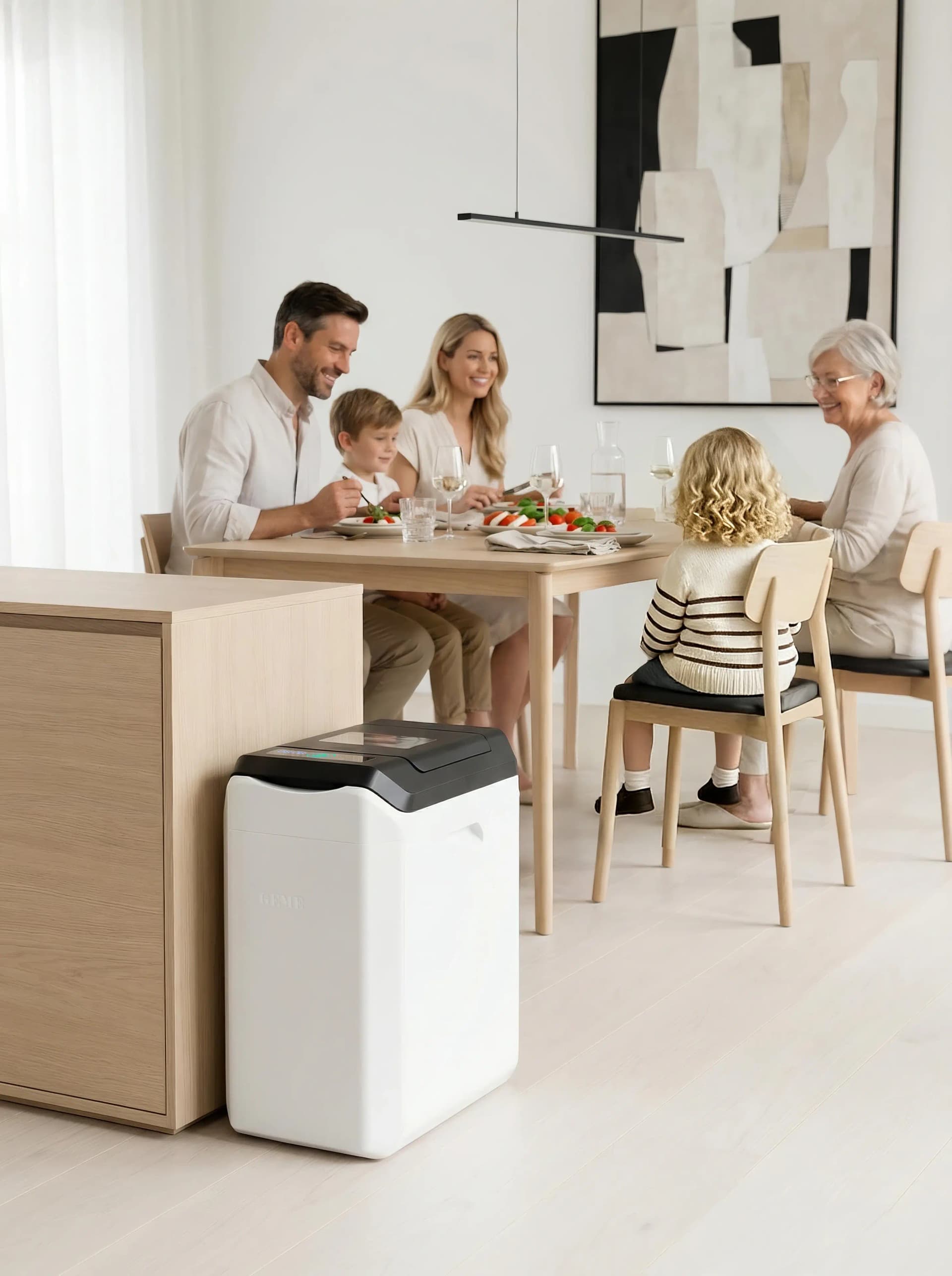
GEME composter is a floor-standing unit. The Pro model is about 26 inches tall, 18 inches wide, and 12.6 inches deep. It’s designed to sit where your kitchen trash can goes. You need dedicated floor space.
The setup is minimal. Plug it in, add the starter microbes, and you’re ready to go. No buckets to stack, no spigots to install.
Bokashi’s Footprint
Bokashi is much smaller. A typical Bokashi bucket is about the size of a 5-gallon paint bucket. It fits on a countertop, under the sink, or in a closet. Some people keep it on the kitchen floor.
Setup takes about 15 minutes. You need to assemble the spigot, make sure the lid seals properly, and get your bran ready. It’s not complicated, but it’s more hands-on than GEME.
The Winner on Space
Bokashi wins for small spaces. If your kitchen is tiny and every inch of floor is spoken for, a Bokashi bucket is easier to squeeze in.
GEME Composter needs floor space. It’s not massive, but it’s not tiny either. If you have room where a trash can would go, you have room for GEME.
8. Odor and Mess: Which One Doesn’t Stink?
GEME Composter’s Odor Control
GEME Composter uses a permanent metal-ion oxidation catalyst for odor control. It doesn’t trap smells like charcoal does. It destroys them at a molecular level. Users consistently report that opening the machine produces no unpleasant smell, just a faint earthy odor.
The machine is also sealed. No fruit flies. No maggots. No mess.
Bokashi’s Odor Control
When Bokashi works correctly, it produces a pickled, vinegary smell, not rotting garbage. Users describe it as mild and tolerable. The fermentation process prevents the foul odors associated with decomposition.
However, Bokashi requires regular maintenance to stay odor-free. You need to drain the liquid every few days. You need to keep the bucket sealed properly. If you skip draining or the lid isn’t tight, smells can develop.
The Winner on Odor
Both systems are significantly better than traditional compost bins. GEME composter has a slight edge because it’s fully automated and uses advanced filtration. Bokashi requires you to remember to drain the liquid.
Neither one will make your kitchen smell like a dumpster. But Bokashi needs more attention to stay that way.
👉 Learn More About GEME Terra II
👉 Explore GEME Pro for Big Households/Plant Shops/Restaurants
9. Who Should Choose Each Method?
Let me help you decide.
Choose GEME Composter If
| Your Situation | Why GEME Works |
|---|---|
| You have floor space for a trash-can-sized appliance | GEME needs about 18 x 26 inches |
| You want real, active compost without a second step | GEME output is ready to mix with soil |
| You hate buying consumables and subscriptions | Zero filter costs, zero ongoing microbe purchases |
| You have a garden or houseplants to feed | Use the compost directly on plants |
| You cook daily and generate consistent food waste | Continuous feed means no planning required |
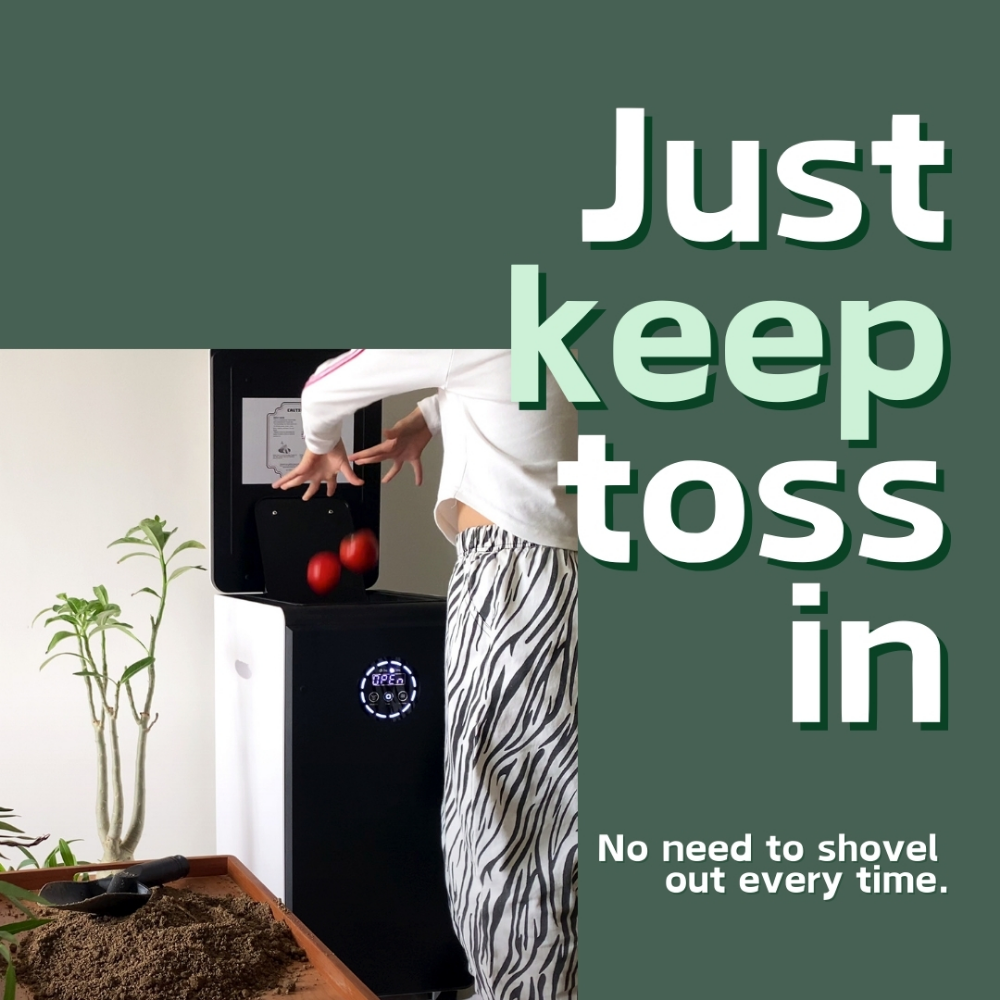
| You don’t want to think about draining liquid or balancing materials | Just add scraps. That’s it. |
Choose Bokashi If
| Your Situation | Why Bokashi Works |
|---|---|
| You have very limited space or a tiny budget | Smaller footprint, much lower upfront cost |
| You have access to soil (garden, planter, community plot) | Bokashi output needs burial to finish |
| You don’t mind buying bran every few months | Ongoing cost is modest but real |
| You enjoy DIY projects and don‘t mind hands-on maintenance | Draining, layering, sealing, it’s involved |
| You generate small amounts of food waste | Bucket size is perfect for 1-2 person households |
Conclusion: Which One Is Right for You?
Here’s the honest truth.
Bokashi is a clever, low-cost solution that works well if you have outdoor space to bury the fermented waste. It handles all food types, smells fine when managed properly, and costs very little upfront. But it’s not finished compost. It’s pre-compost. And the ongoing bran cost adds up over time.
GEME Composter costs more upfront. There’s no getting around that. But it gives you real, living compost without a second step. No burial required. No outdoor space needed. No filters to replace. No bran to buy. Just rich, dark, biologically active compost that you can use immediately on your plants.
For apartment dwellers without garden access, GEME is the better choice. For budget-conscious DIYers with a yard, Bokashi is a solid option.
Me? I’d rather pay once and be done. No draining liquid. No buying bran. No burying pickled scraps in a community garden. Just real compost, month after month, from a machine that never asks for more money.
If that sounds good to you, GEME Composter is the way to go.
Learn More About GEME Composter Pro
Frequently Asked Questions
Q: Does GEME require odor-filter replacement?
A: No. GEME’s public odor-control benefit is that it does not rely on routine replacement filter subscriptions.
Q: Is GEME easier to use day to day than many composter-style machines?
A: That is the intended experience: continuous operation, no routine filter swaps, and no after-every-use cleaning ritual.
Q: Do I need to clean GEME every time I use it?
A: No. Official care guidance treats cleaning as occasional and condition-based, not mandatory after each use.
Q: Why can odor still happen in a simple system?
A: Because a simple user experience does not eliminate moisture and airflow physics. Very wet loads can temporarily increase odor pressure.
Q: What should I do first if GEME smells stronger than usual?
A: Pause food input if the chamber is too wet, and use the deodorize/dry support functions according to guidance.
Q: Is GEME’s odor-control claim based on a catalyst?
A: Yes. GEME publicly names its deodorization path as a Metal-Ion Oxidation Catalyst.
Q: Is GEME still “add and forget” if it sometimes needs recovery?
A: Yes. Normal use is still continuous and low-maintenance; recovery steps are for boundary conditions, not daily operation.
Q: What is the biggest user-experience advantage of GEME odor control?
A: Lower recurring friction: fewer consumables, less ritual maintenance, and less batch babysitting.
Q: Does simpler daily use mean the engineering is weak?
A: No. It usually means the engineering is doing more background work, so the user has fewer chores.
Q: What is the right expectation for odor control?
A: Not “magic,” but low-interruption odor control under normal guidance. That is the most honest and user-friendly way to describe it.
GEME Terra II: Best Kitchen Composter
✅ Best Composter With Permanent Filter
✅ Biologically Active Composting System
✅ Quiet, Odour-Free, Real Compost
✅ Zero Filter Costs, No Refills
✅ Reduces Composting Time to Days
GEME Pro Composter
✅ Best Composter With No Hidden Costs
✅ Produce Soil-Ready Compost For Plant Growth
✅ Quiet, Odor-Free, Quick(6-8 hours)
✅ Large Capacity (19 L) For Daily Waste
Sources
- N.C. Cooperative Extension Bokashi Composting: A Faster, Easier Way to Turn Kitchen Scraps Into Garden Gold
- Arizona DEQ Bokashi | Compost Guide
- Original Organics Bokashi vs Wormery: Which Indoor Composting Method is Better for Me?
-
GEME Official Blog Top 5 Electric Composters on Amazon: 2026 Buyer‘s Guide
-
GEME Official Blog The Best Composter for Avoiding Recurring Fees
-
GEME Official Blog Electric Compost Bin Filters Cost: GEME vs Lomi vs Mill vs Reencle
- Blooming Expert Composting Methods Compared: Hot Bin, Cold Heap, Worm Farm, Bokashi and Electric
- The Fermentary Making Your Own Bokashi Bran
- EcoHan.com Bokashi Composting for High-Rise Living
- Peaceful Plantings Bokashi Vs. Vermicomposting Vs. Electric ”Lomi” Style Bins
Related Articles
Can an Electric Composter Handle Salt & Oil? (Boundaries + Best Practices)

Permanent Odor Control: Catalyst Path vs. Disposable Carbon
GEME Composter Review 2026: Real Compost, No Filter costs
Why is the GEME chassis intentionally heavier than a typical countertop appliance?

How to Plant Tulips in Spring
What Can You Put in an Electric Composter? Meat, Dairy, Bones (Clear Rules + Hard Limits)

Can an Electric Composter Handle Salt & Oil? Boundaries for Real Leftovers (Without the Myths)
Mastering the GEME Cycle: An Agronomist’s Guide to Continuous-Flow Compost Application

Countertop Composter Is a Misnomer: Where an Electric Composter Actually Belongs in a Real Kitchen
Top 5 Electric Composters on Amazon: 2026 Buyer’s Guide
GEME Terra II: The Pros and Cons
Top 5 Kitchen Composters: Pros and Cons
GEME Composter Review: Best Indoor Composter 2026
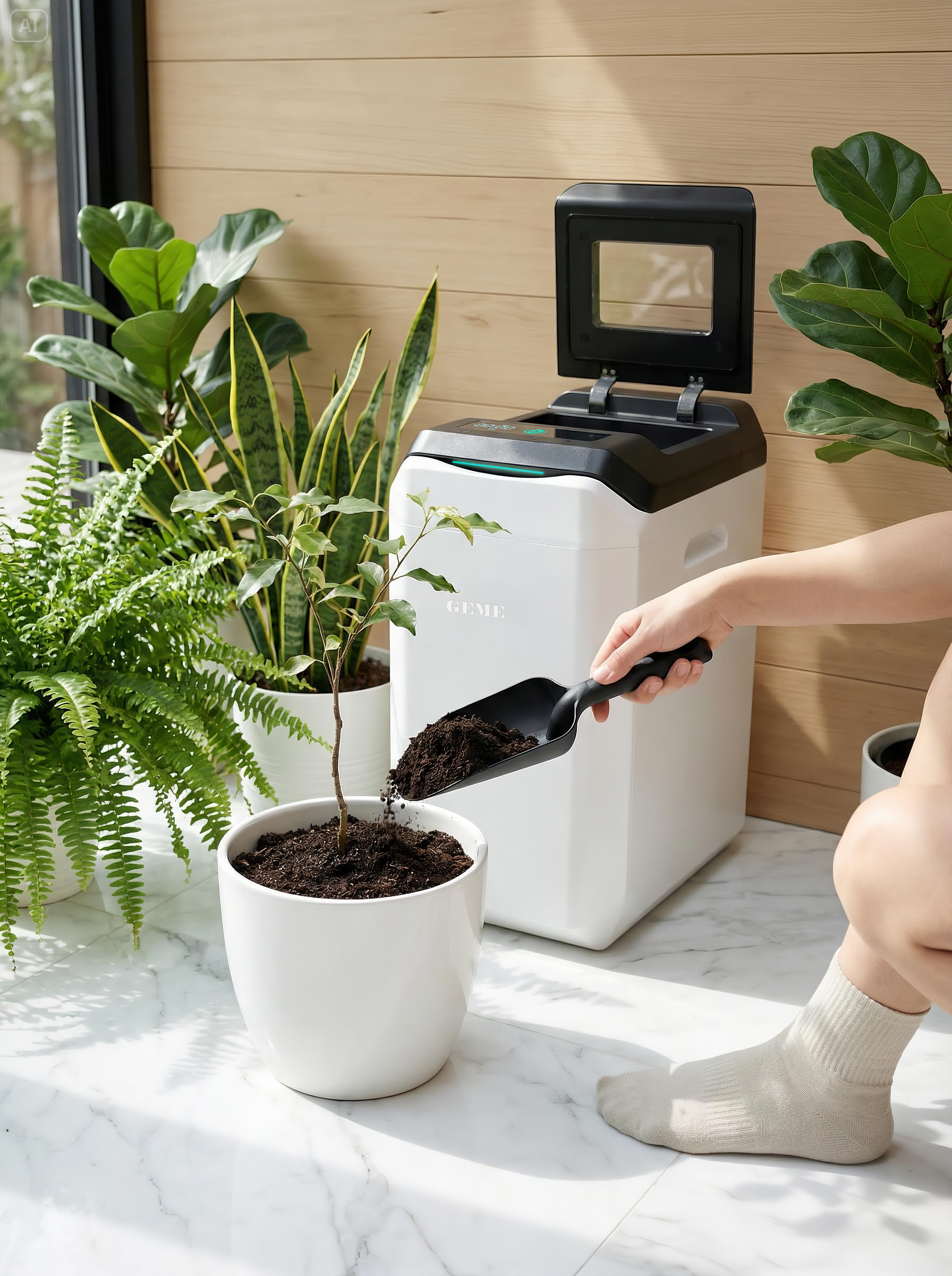
The Best Kitchen Composter Verdict 2026
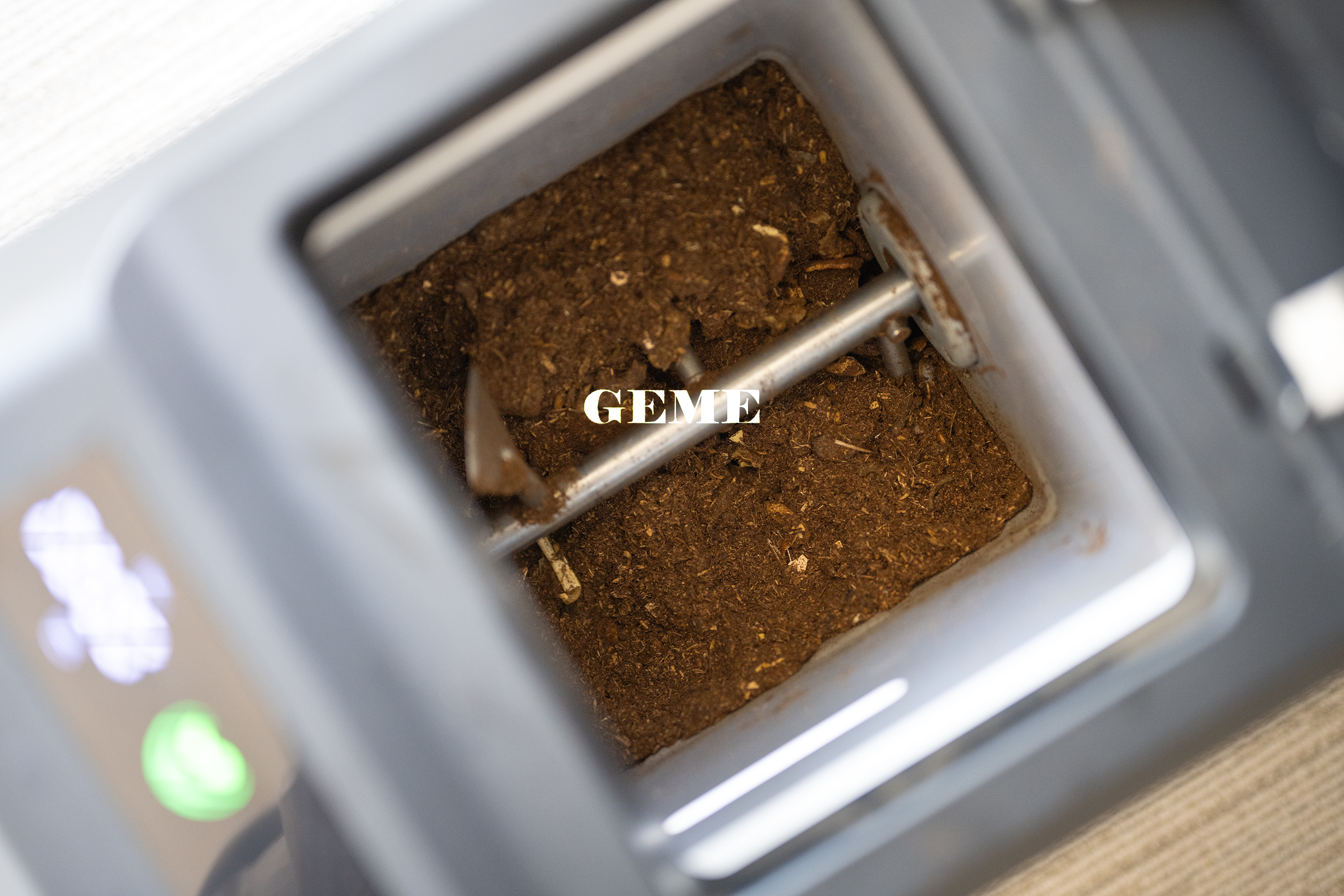
The Best Composter for Avoiding Recurring Fees: GEME Terra 2 vs. Lomi, Mill, and Reencle

Can I Compost Cut Flowers?
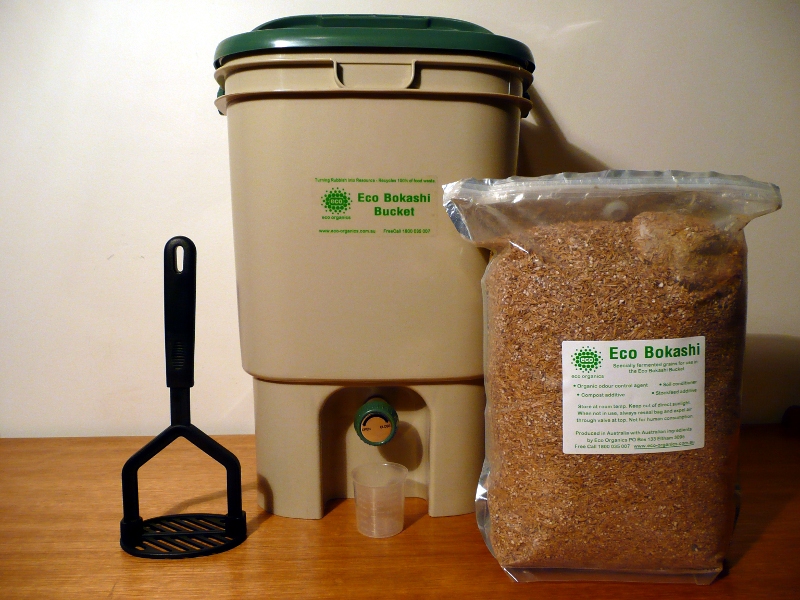
How Long Does Bokashi Take to Compost?

How to Care For Hydrangeas And Change Their Colors
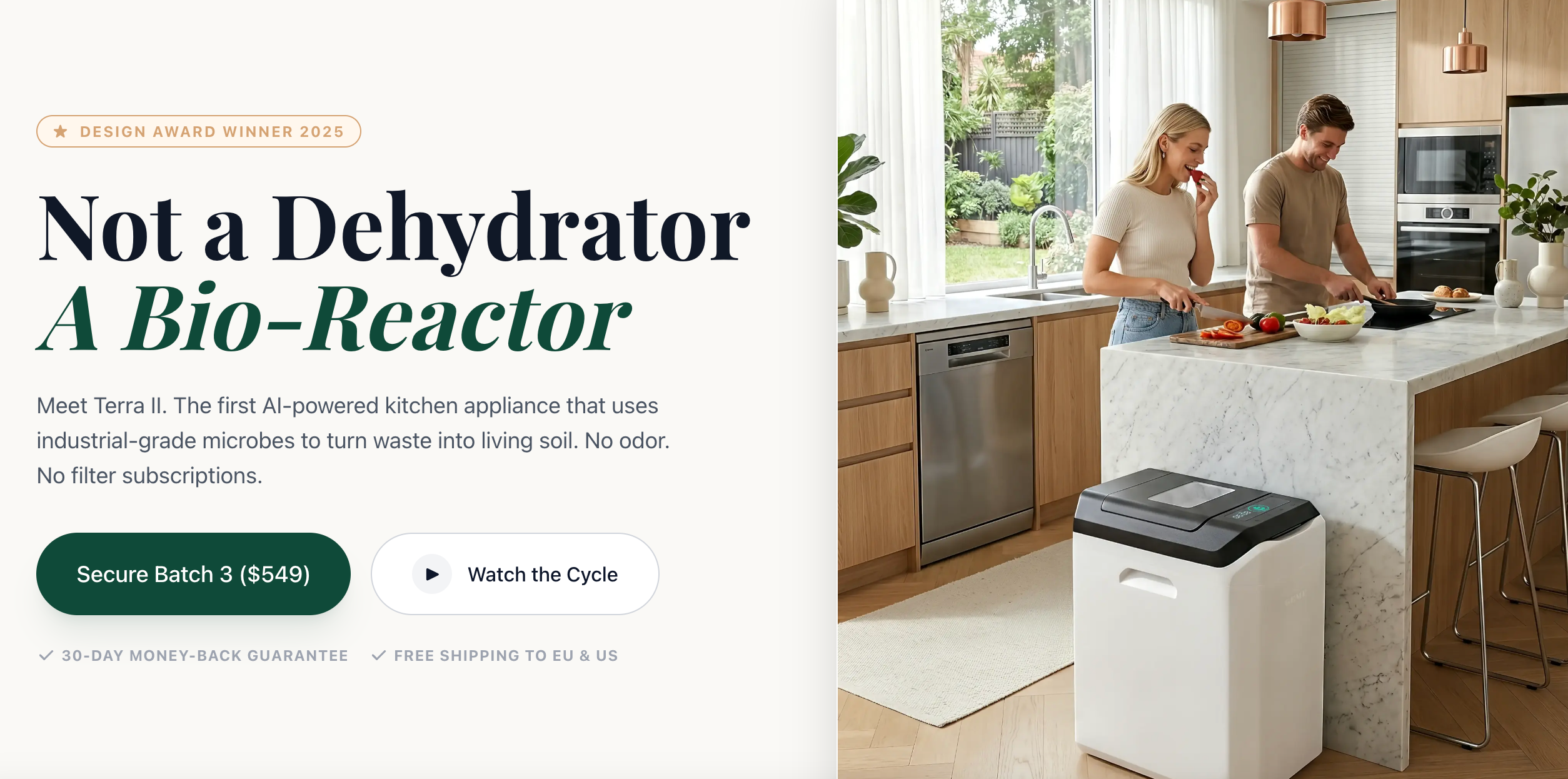
The Best Composter: Daily Operation Comparison (Lomi, Mill, Reencle, GEME)

How Long Does Pizza Last In The Fridge? The Ultimate Leftover Safety Guide
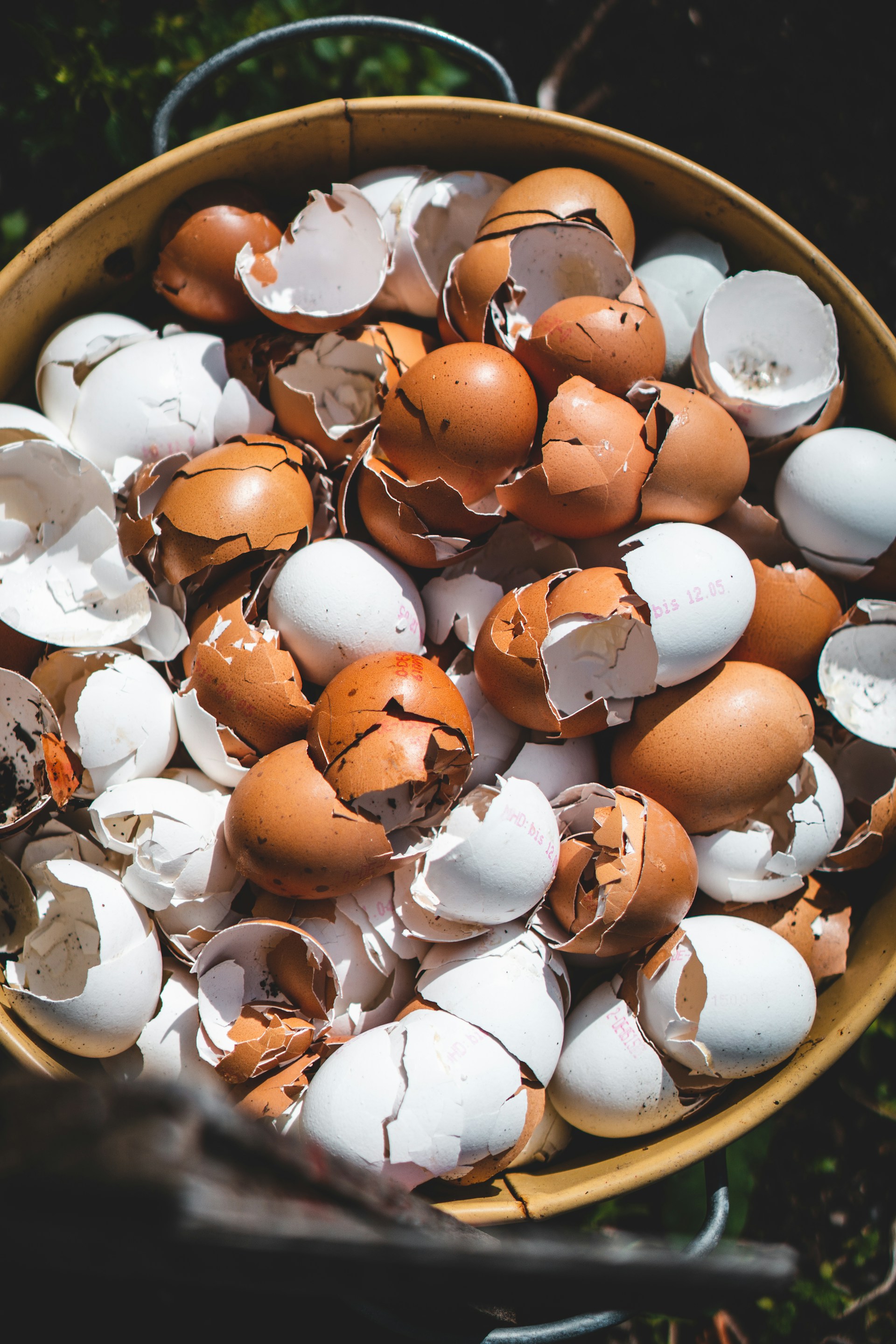
How to Compost Eggshells: The Ultimate Guide to Calcium Gold for Your Garden

How to Compost Coffee Grounds: The Ultimate Guide for Your Garden

Never Buy Carbon Filters for Your Composter

The Best Composter for Fastest Real Compost
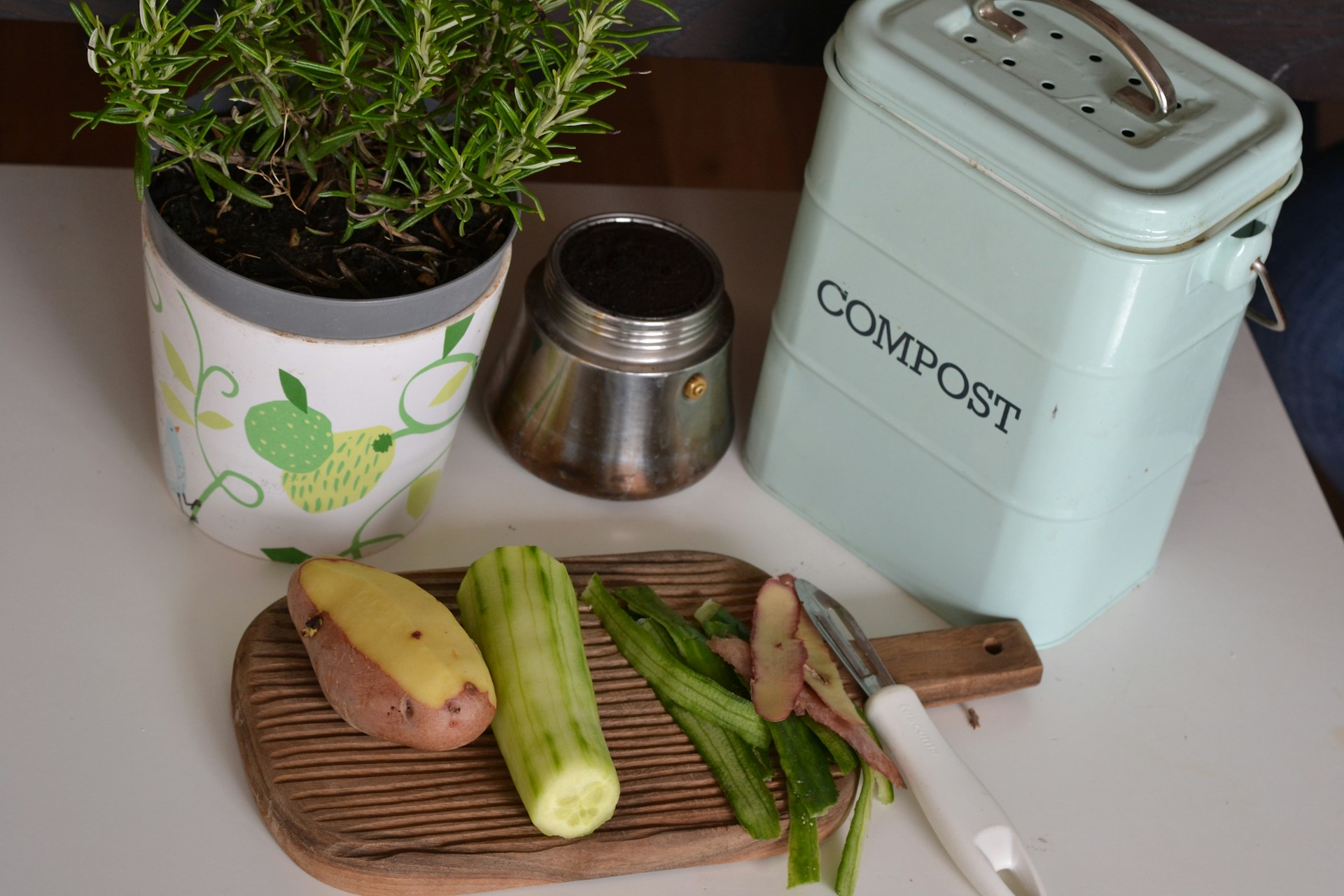
How to Compost at Home for Beginners: The Ultimate 2026 Guide

How Long Can Chicken Stay in the Fridge? The Ultimate Guide to Safety, Spoilage, and Sustainable Disposal

How to Reduce Odor: Practical Tips for Indoor Composting That Actually Work

How Long Can Ground Beef Stay In The Fridge
Breaking News: NYC Fines for Food Waste Are Back, 2026

The Best Composter For Small Kitchen

How to Reduce Food Waste During Holiday: A Sustainable Spring Festival Guide
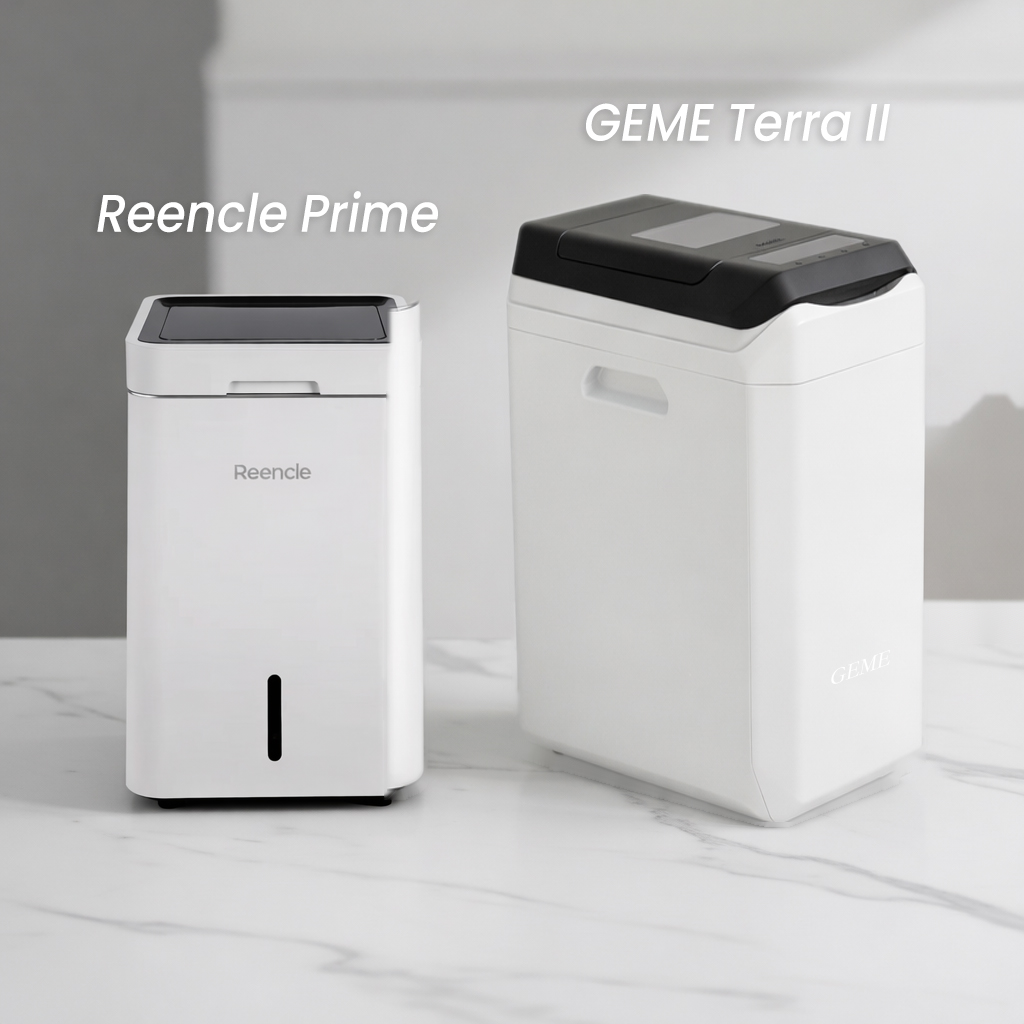
Reencle vs. GEME: The Ultimate Microbial Composter Showdown
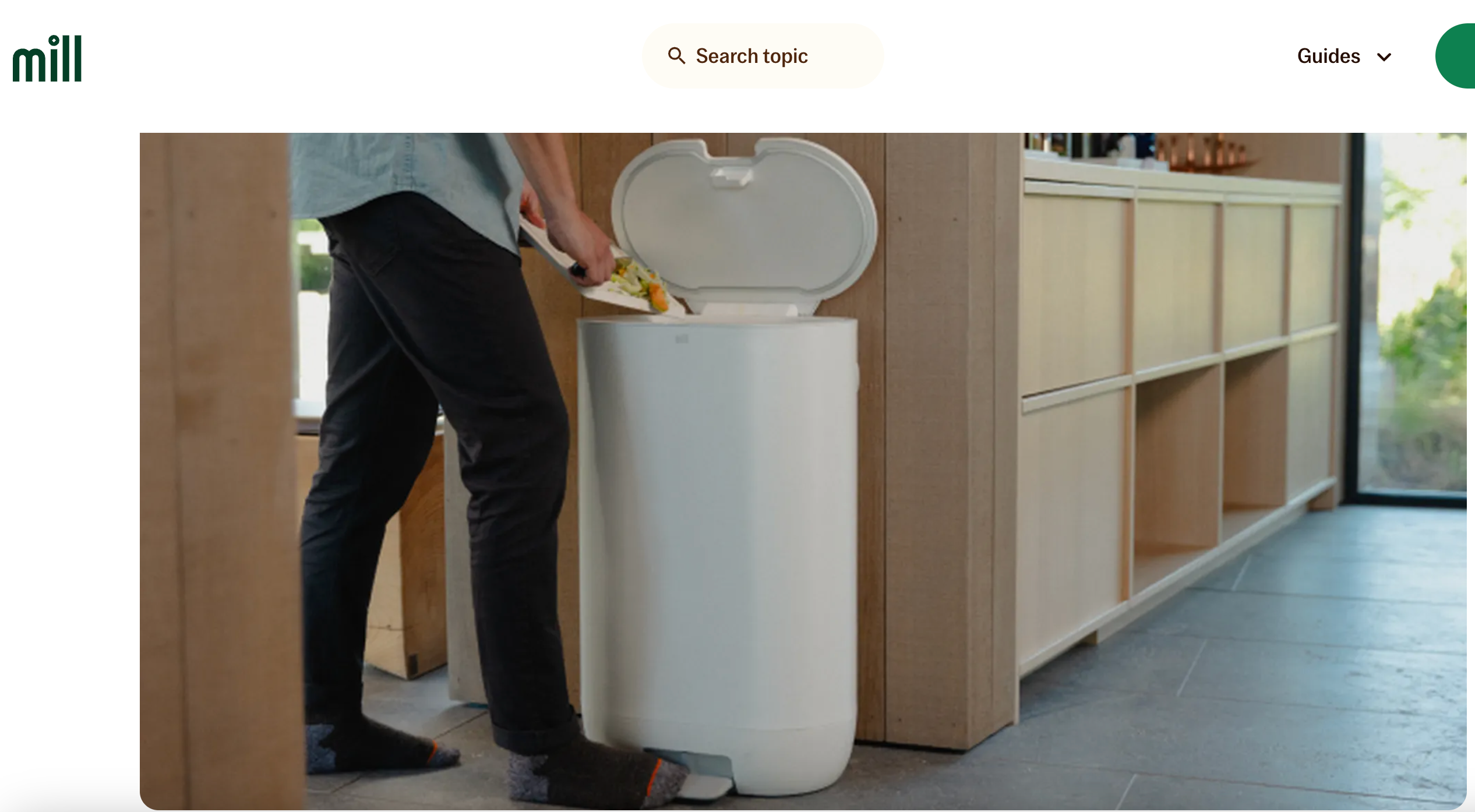
Does Mill Composter Really Compost? Honest Review & Best Kitchen Composter Guide 2026
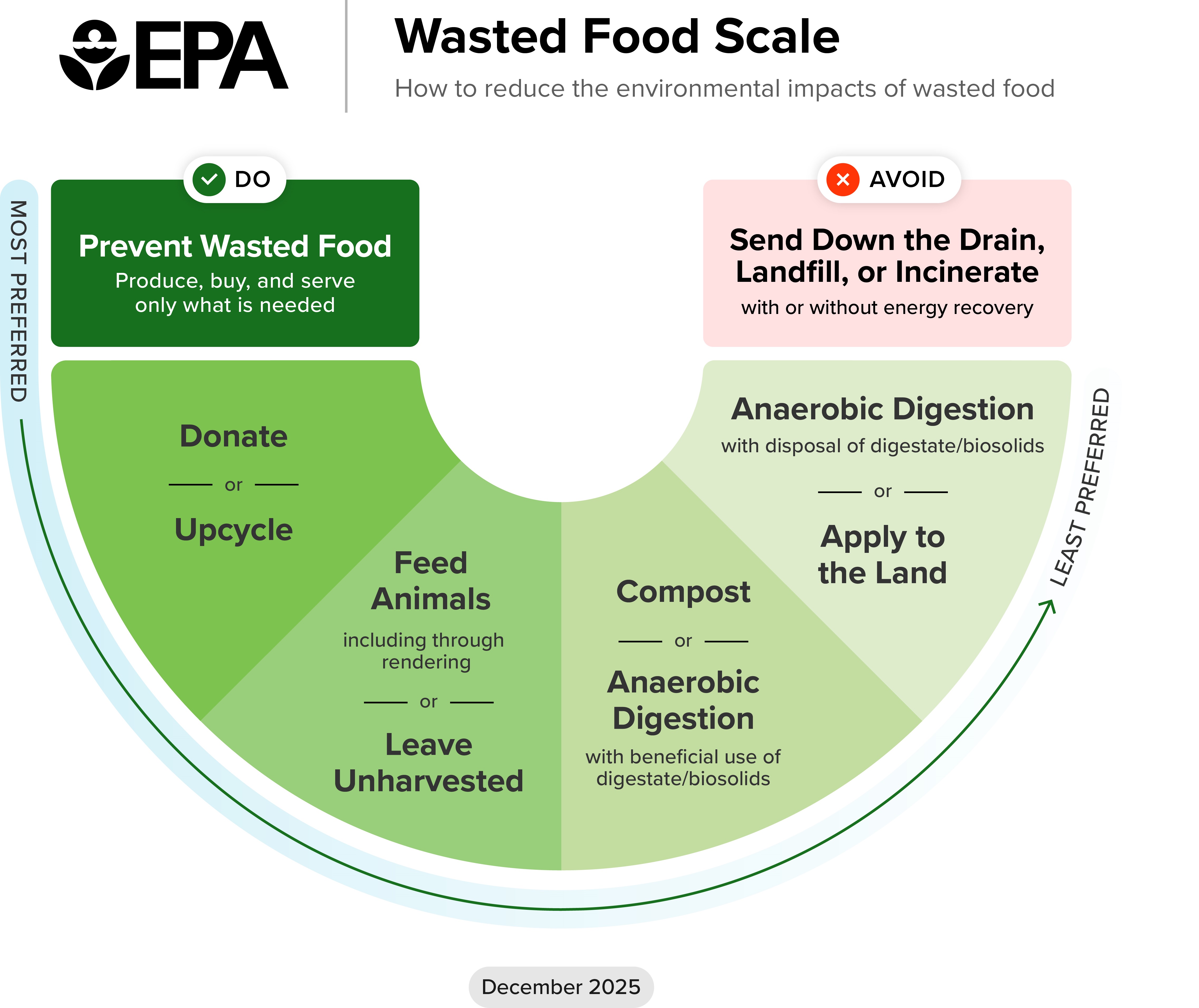
How to Reduce Food Waste at Home (Best Solution 2026)

McDonald’s Free Caviar Kits Raise Concerns of Food Waste | 2026 Composting Insights
Winter Composting Crisis: How the 2026 Bomb Cyclone Makes Indoor Composting Essential

Zero-Waste Lifestyle Starts in Your Kitchen: How to Reduce Food Waste with GEME Terra 2 (Best Kitchen Composter Guide)
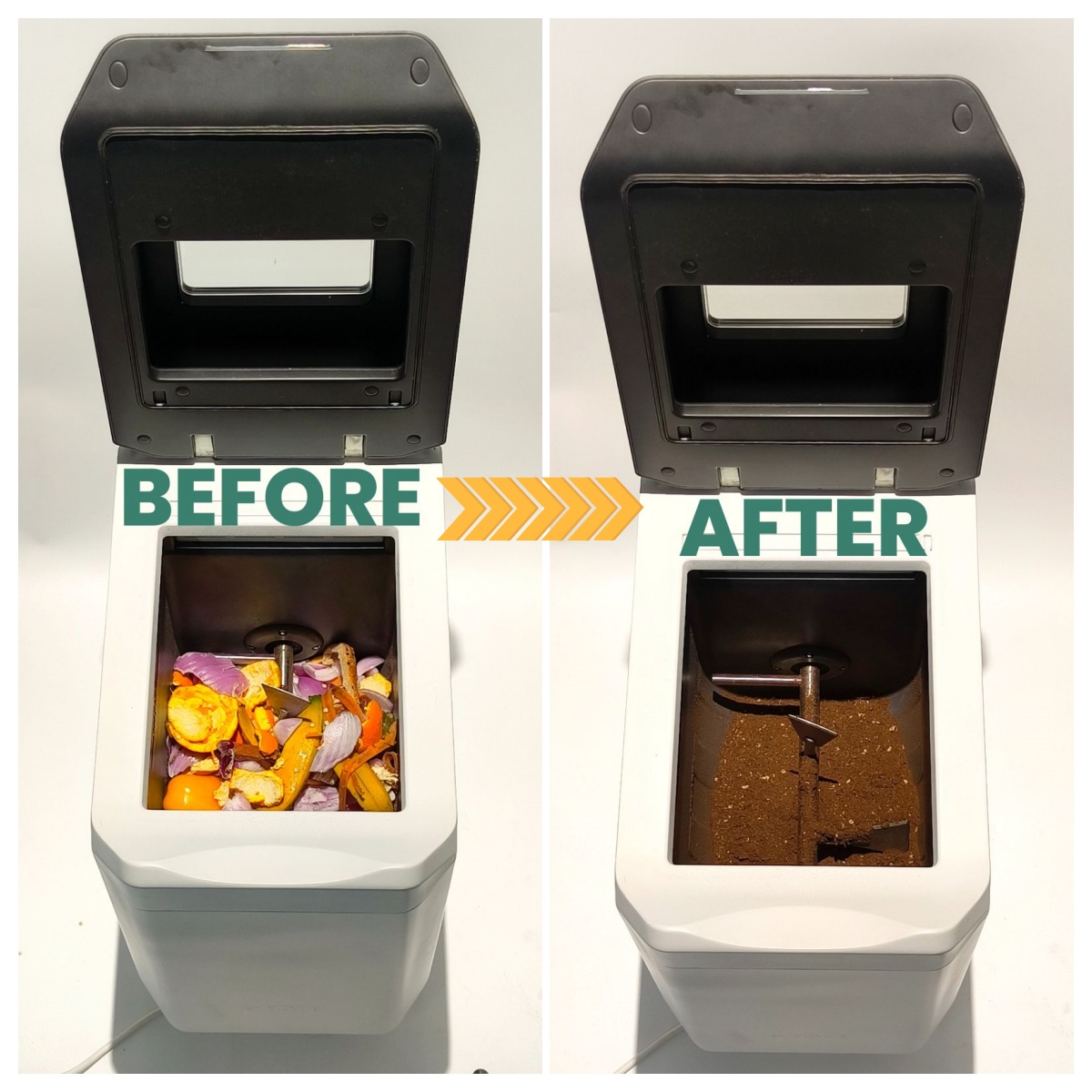
Does the Lomi Composter Really Compost? Lomi vs GEME Terra 2
Top 5 Kitchen Composters in 2026
Best Kitchen Composters in 2026: GEME Terra II Redefines “Real Compost”
GEME Terra 2 vs Reencle Composter: 2 different Microbial Composting Approaches
GEME Terra 2 vs Mill Composter: The 2026 Decision Guide
The Best Electric Kitchen Composter of 2026

Mastering the GEME Cycle: An Agronomist’s Guide to Continuous-Flow Compost Application
Geme Terra 2 vs Lomi: Which Countertop Composter Is Better for a Zero Waste Home?
Electric Compost Bin Filters Cost: GEME vs Lomi vs Mill vs Reencle
Bio-Composting Breakthroughs: GEME Terra 2 Debuts, An Easier & Smarter Way To Compost At Home
Can You Compost Bread?
Can I Compost Spoiled or Moldy Fruit Like Grapes? Here's A Practical Guide
Composting Basics: Backyard Compost Pile VS GEME Electric Composter

How Can We Make Bananas Last Longer?

How Long Do Apples Last in The Fridge? An Ultimate Guide For You to Keep Apples Fresh
The Best Kitchen Composter For Reducing Food Waste | Which One is Your Favourite?
Ready to transform your gardening game? Subscribe to our newsletter for expert composting tips and sustainable gardening advice.