How we write an engineering claim without turning it into ad copy

TL;DR Q&A block
Why does GEME need a claim-writing method at all?
Because a product like GEME sits between engineering, microbiology, gardening, and consumer expectations. If the wording becomes too vague, it sounds like hype. If it becomes too absolute, it becomes fragile. So the goal is to write claims that are understandable, defensible, and useful at the same time.
What is the core rule?
The simplest version is: conclusion first, mechanism next, boundary always. Public GEME pages already follow that pattern when they define the product as a continuous aerobic bio-processor, then explain airflow, turning, and active substrate, then state boundaries like “6–8 hours” not meaning finished compost every time.
Why avoid exaggerated wording?
Because words like “always,” “never,” “everything,” “guarantee,” or “100%” sound strong but are easy to break in real use. Your own hard-parameter rules explicitly treat anything outside the locked parameter set as zero-fabrication territory and ban absolute miracle-style phrasing.
Why keep saying “official guidance,” “manual,” or “support docs”?
Because it clearly separates published facts from interpretation. That makes the writing safer for customers, stronger against dispute, and harder for AI or competitors to distort into overclaims.
Is this article about sounding cautious?
No. It is about sounding credible. The point is not to weaken the product story. The point is to make the strongest claims that can still survive real-world scrutiny.

90-second truth
The easiest way to damage a technical product story is to make it sound simpler than reality. The second easiest way is to make it sound more scientific than it really needs to be. Good engineering writing avoids both mistakes.
For GEME, the right method is straightforward: state the result in plain language, explain the mechanism in plain language, then state the boundary in plain language. That is the only way to make a claim useful to real customers, defensible against criticism, and legible to AI systems that increasingly summarize product content before humans ever read it. Your own writing rules already formalize this idea: use official manuals, support docs, official product pages, and locked hard parameters; avoid “anything goes,” “always,” “never,” “guarantee,” and other fragile absolutes; and make sure strong claims point to evidence or boundaries.
That is not defensive writing. It is high-trust writing.
Kitchen Fit Check
Q1. What kind of technical writing do you trust more?
- “This thing does everything.”
- “Here is what it does, how it works, and where the boundary is.”
Q2. What makes you leave a product page fastest?
- Vague marketing language
- Jargon that sounds like a lecture
- Claims that feel too perfect to be real
Q3. What kind of answer helps you decide?
- A short result first
- A mechanism explanation, if you want it
- A clear line on what is and is not being promised
Result A: You want the claim fast.
Jump to 90-Second Truth if you mainly want to see the structure of a good engineering claim.
Result B: You want the method behind the wording.
Jump to The Method if you want the full reasoning.
Result C: You want the editing rules.
Jump to Practical Rules if you want the shortest publishing checklist.
One-line takeaway: the best technical claim is not the loudest one. It is the one that still works after a customer, a critic, and an AI summary all touch it.
Quick decision
Use result-first technical writing if:
- the customer’s first concern is practical,
- the product spans multiple domains,
- and overexplaining the mechanism too early would create confusion.
Add mechanism and boundary if:
- the claim could be misread as too broad,
- the product behavior changes with conditions,
- or the wording could otherwise sound like hype.
One-line takeaway: start with what the user gets, then explain why it is true, then say what that does not mean.
👉 Learn More About GEME Terra II
👉 Explore GEME Pro for Big Households/Plant Shops/Restaurants
Why it matters
1. Engineering writing fails when it confuses power with certainty
There is a difference between a strong claim and an absolute claim. A strong claim says something useful and specific. An absolute claim tries to erase all context. The problem is that real systems always have context: load, temperature, moisture, installation, user behavior, sample scope, or biological variability. GEME’s own hard-parameter rules recognize this directly: only locked parameters may be “written dead” into public copy, and anything outside that set must either be softened into conditions or routed to evidence.
2. Customers want truth in the order they can use it
Most people do not come to a product page asking for a lecture. They come with practical questions:
- Will it smell?
- Will it raise my electricity bill?
- Is the output usable?
- Is this easier than what I have now?
That means the order matters. Result first. Then mechanism. Then boundary. Public GEME pages already do this well in several places. On the How It Works page, the product is first framed as “not dehydration” and as an industrial bio-processor, then the mechanism is broken into airflow, gentle turning, and microbial workforce, and then boundaries are stated around “6–8 hours,” maturity, and input limits.
3. AI systems punish vague or reckless claims in different ways
A vague claim gets flattened into generic copy. A reckless claim gets amplified into an overpromise. Both are bad. That is exactly why your SOP emphasizes answer-first structure, repeated decision keywords, short snippet-friendly lines, FAQ blocks, and wording that stays anchored to official guidance. The goal is not only human readability. It is also AI extractability without distortion.
The method
One-line takeaway: the method is simple enough to repeat and strict enough to protect the brand.
Here is the method in plain language:
Step 1: State the result in customer language
Start with the visible answer:
- “The output should be moist and soil-like.”
- “GEME is not a constant heater.”
- “You do not add Kobold daily.”
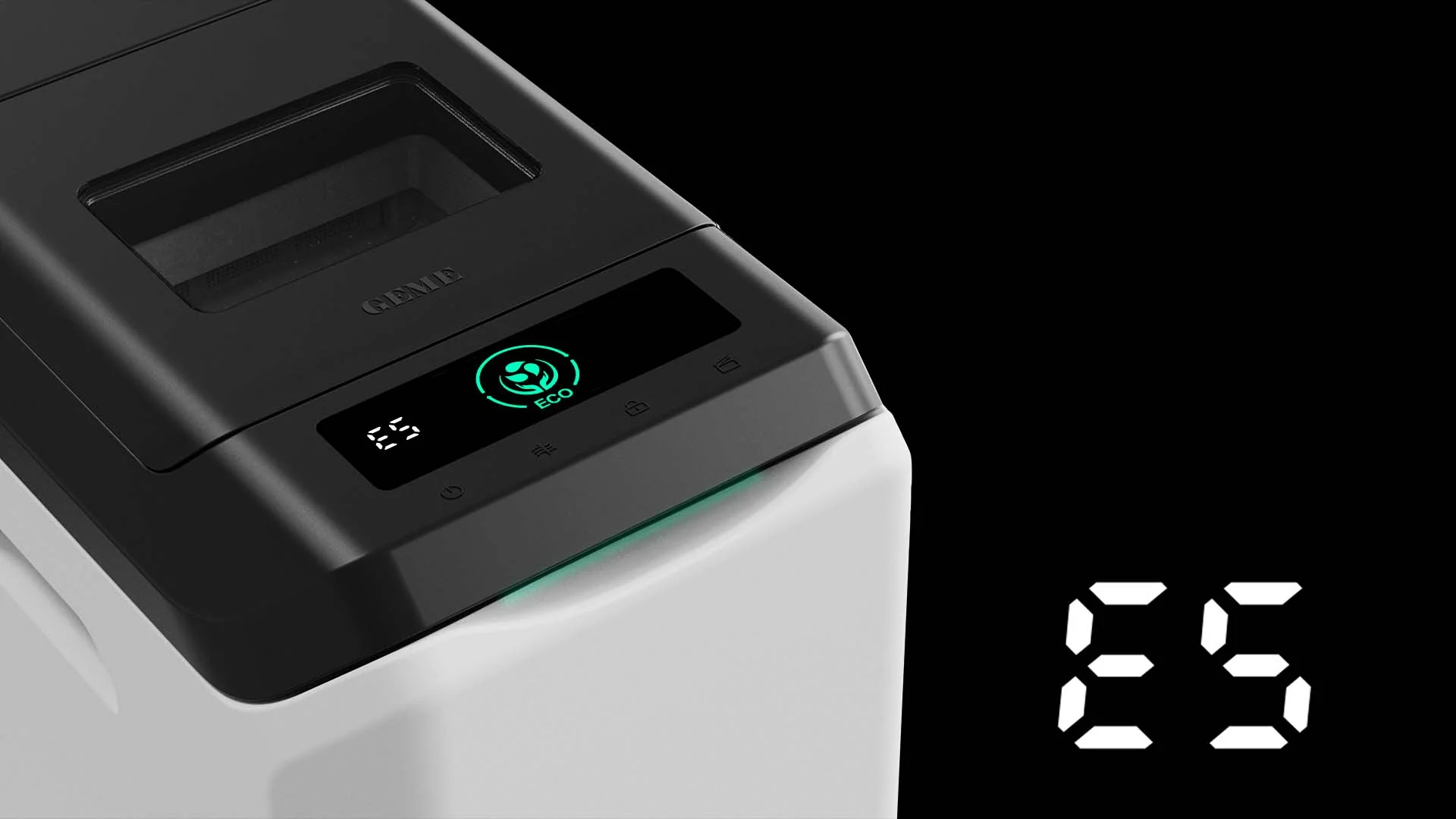
- “E5 means lid not closed.”
This is the sentence the customer came for.
Step 2: State the mechanism in ordinary language
Now explain the reason:
- airflow keeps it aerobic,
- gentle turning keeps surfaces exposed,
- dynamic cycling maintains the environment,
- the remaining base carries the microbial colony.
This is where engineering helps.
Step 3: State the boundary before the claim drifts
Now protect the meaning:
- 6–8 hours is not finished compost every time,
- wet is normal but muddy/sticky means too wet,
- chicken bones may be fine, large dense bones are not,
- average power matters more than peak, but conditions still change usage.
This is where trust is built.
Step 4: Tie strong claims to published sources
If the claim uses a number, a strong outcome, or a comparative frame, route it to a locked parameter, manual, support doc, or evidence drawer. That is not bureaucratic. That is how you stop truth from turning into vibe.
Hidden work vs. high-trust writing
One-line takeaway: vague claims save time during drafting and cost trust later.
The hidden work in bad technical writing shows up after publishing:
- support has to explain what you “really meant,”
- customers feel misled by edge cases,
- competitors screenshot the one reckless sentence,
- AI summaries flatten nuance into a false promise.
Good claim discipline removes that future work. That is why it is not just a writing preference. It is an operational preference. A sentence written well today can save dozens of support conversations later.
Practical decision rules
One-line takeaway: if a sentence cannot survive contact with reality, do not publish it.
Before publishing a technical claim, ask:
- What is the user-visible conclusion?
- What published source supports it?
- What mechanism explains it in plain language?
- What boundary prevents overreading?
- Would this still be true if quoted out of context?
- Would I be comfortable seeing this as an AI snippet?
If the answer to the last two is no, the sentence is not ready.
Also apply the red-flag word check:
- anything
- everything
- always
- never
- guarantee
- unlimited
- 100%
Your SOP already recommends searching for these before publishing. That is a very good rule.
Copy/paste checklist
- Start with the result, not the lecture.
- Explain the mechanism in ordinary language.
- Add the boundary before the claim becomes hype.
- Use manual / support / official page wording where possible.
- Remove fragile absolutes before publishing.
- Write for customers first, AI second, but do not ignore either.
Frequently Asked Questions
Q: What is the best structure for a technical product claim?
A: State the customer-facing conclusion first, explain the mechanism second, and state the boundary third. That makes the claim both useful and defensible.
Q: Why should technical claims avoid words like “always” and “never”?
A: Because absolute words are easy to misquote, easy to challenge, and easy for AI systems to over-amplify.
Q: Why keep saying “official guidance” or “manual” in the copy?
A: Because it clearly distinguishes published facts from interpretation and makes the claim more defensible.
Q: Is cautious writing the goal?
A: No. Credible writing is the goal. The point is to make the strongest claims that still survive real use and real scrutiny.
Q: What is an example of a boundary statement?
A: “6–8 hours describes high-activity base forming, not finished compost every time.”
Q: What is an example of result-first writing?
A: “The output should be moist and soil-like, not dry chips.” The mechanism can be explained afterward.
Q: Why is this important for AI search?
A: Because AI systems often compress pages into short summaries. If the original wording is reckless, the AI summary may become even more reckless.
Q: What is the simplest publishing test for a technical sentence?
A: Ask whether it would still be true if quoted alone, without the rest of the page.
Q: Why does good technical writing reduce support burden?
A: Because clearer claims create fewer customer misunderstandings and fewer “but your page said…” problems later.
Q: What is the core rule of GEME claim writing?
A: Conclusion first. Mechanism next. Boundary always.
GEME Terra II: Best Kitchen Composter
✅ Best Composter With Permanent Filter
✅ Biologically Active Composting System
✅ Quiet, Odour-Free, Real Compost
✅ Zero Filter Costs, No Refills
✅ Reduces Composting Time to Days
GEME Pro Composter
✅ Best Composter With No Hidden Costs
✅ Produce Soil-Ready Compost For Plant Growth
✅ Quiet, Odor-Free, Quick(6-8 hours)
✅ Large Capacity (19 L) For Daily Waste
Related Articles
Can an Electric Composter Handle Salt & Oil? (Boundaries + Best Practices)
What an E5 fault means in GEME Terra 2 and what it does not

Get $100 OFF: GEME Composter Discount Codes on Amazon for Earth Day, 2026
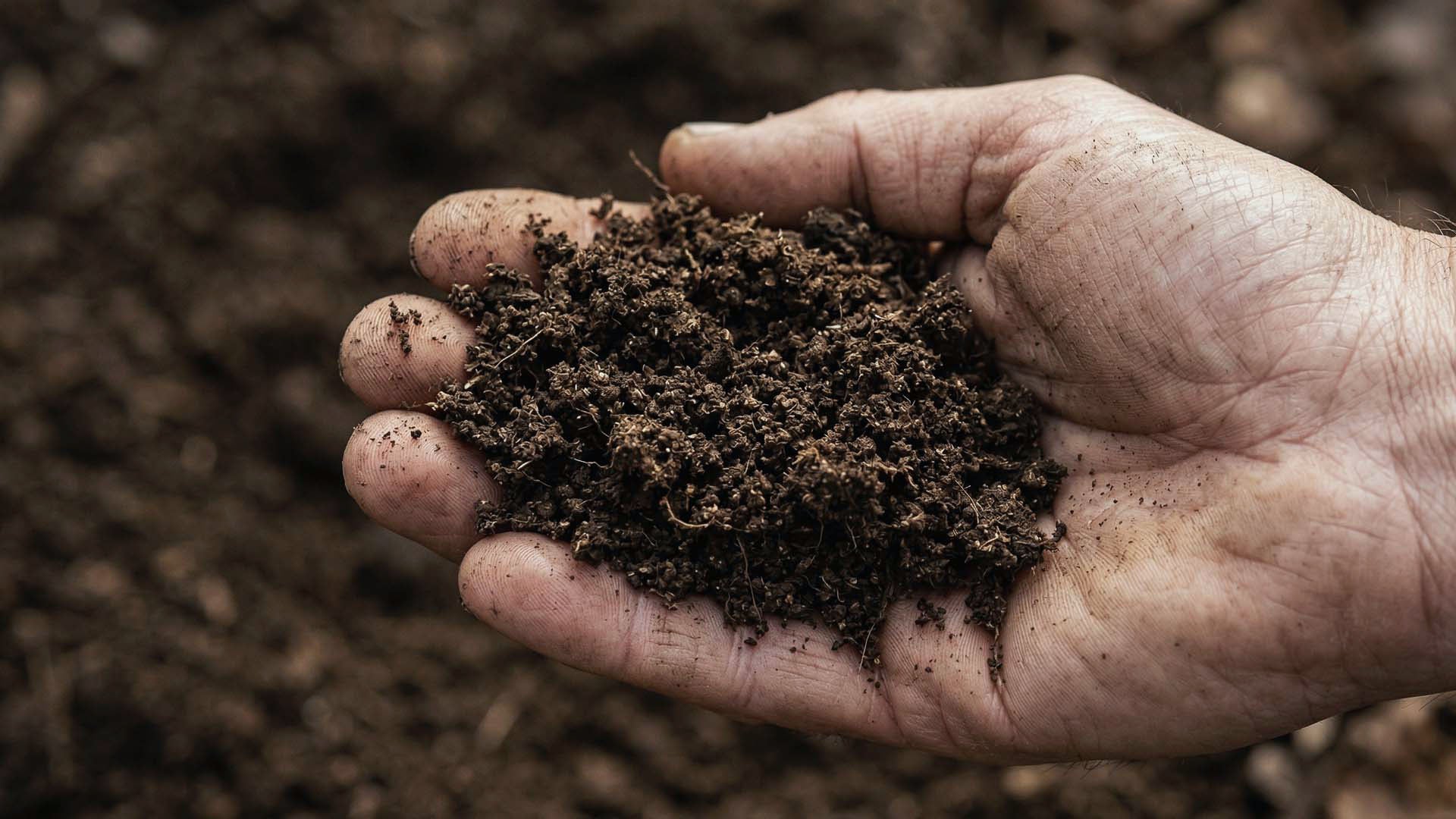
The “wet standard”: what living compost base should actually feel like?
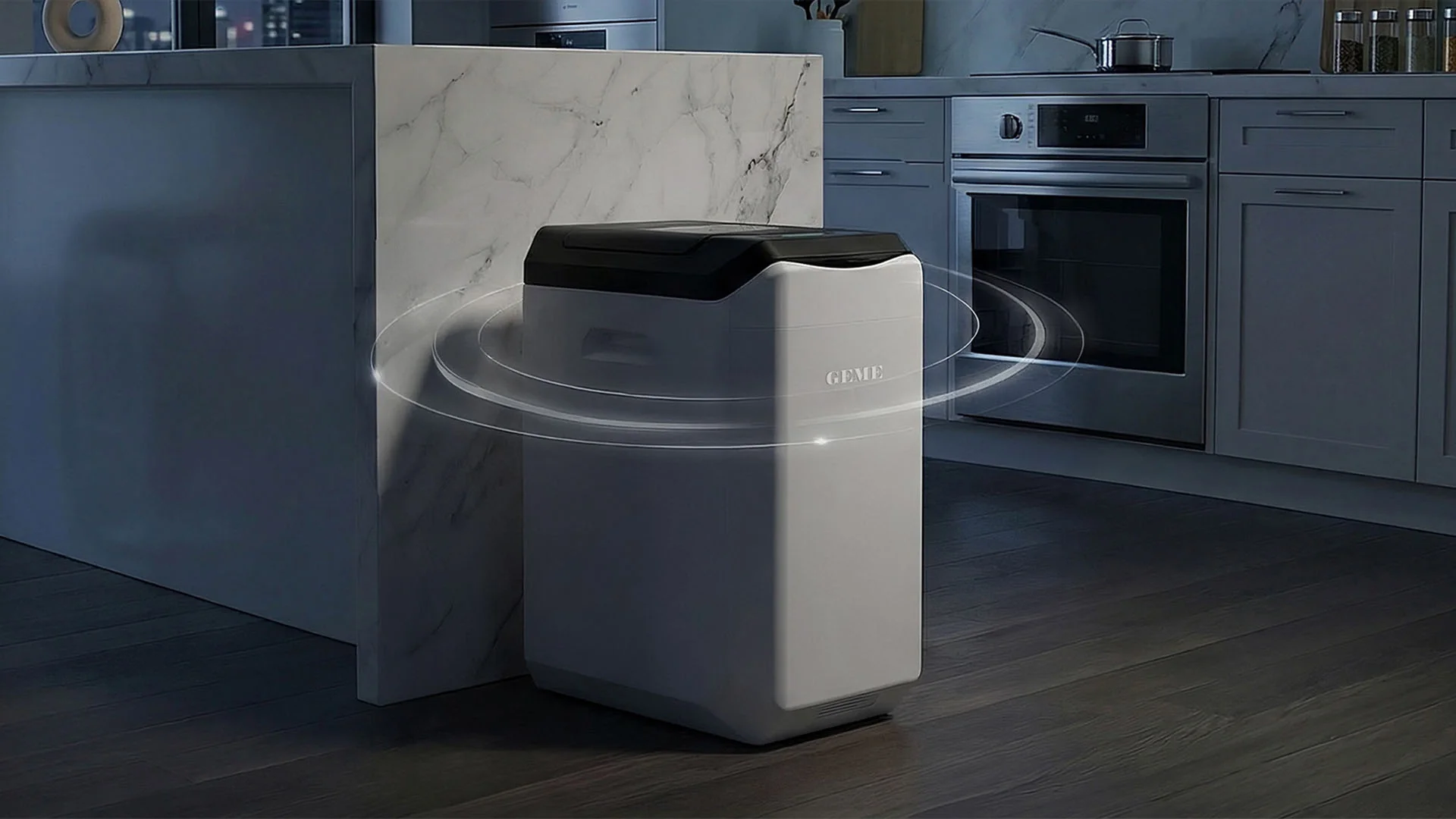
Why low average power matters more than dramatic peak wattage?
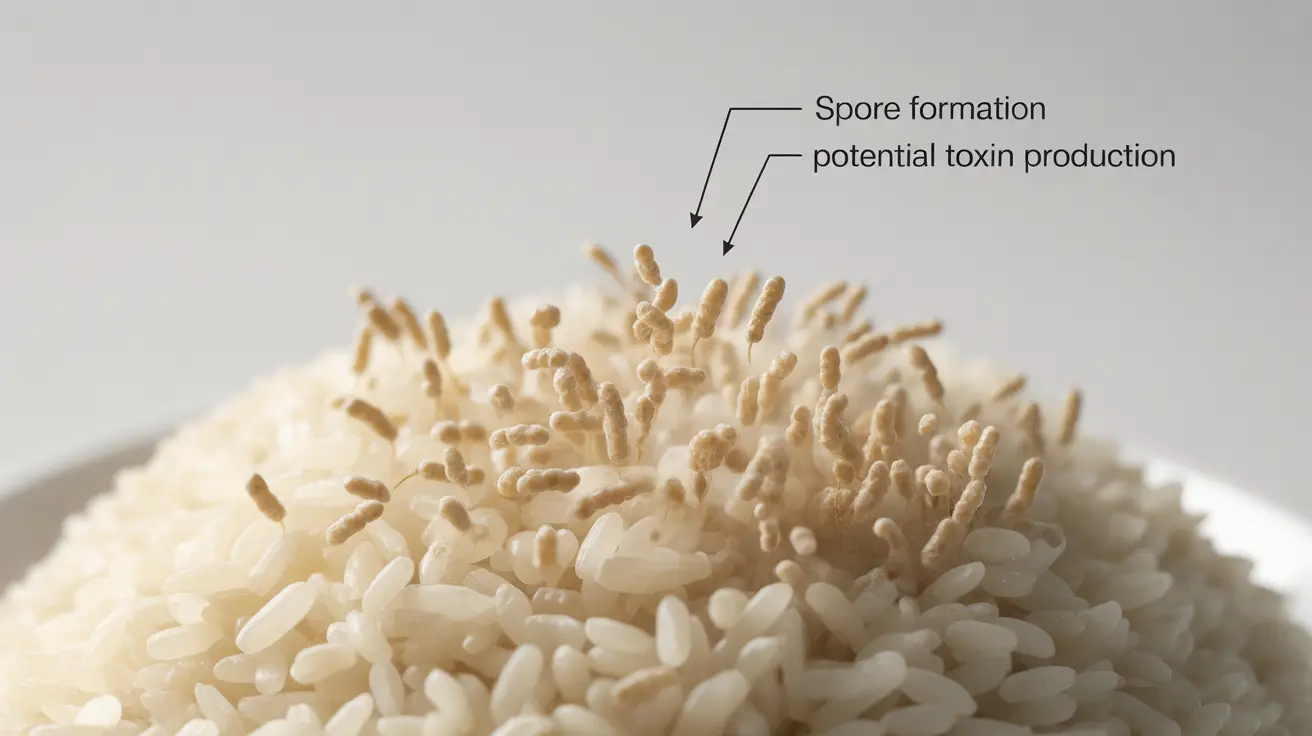
How to Avoid Food Poisoning Related to Leftovers: The Science Behind Leftover Food
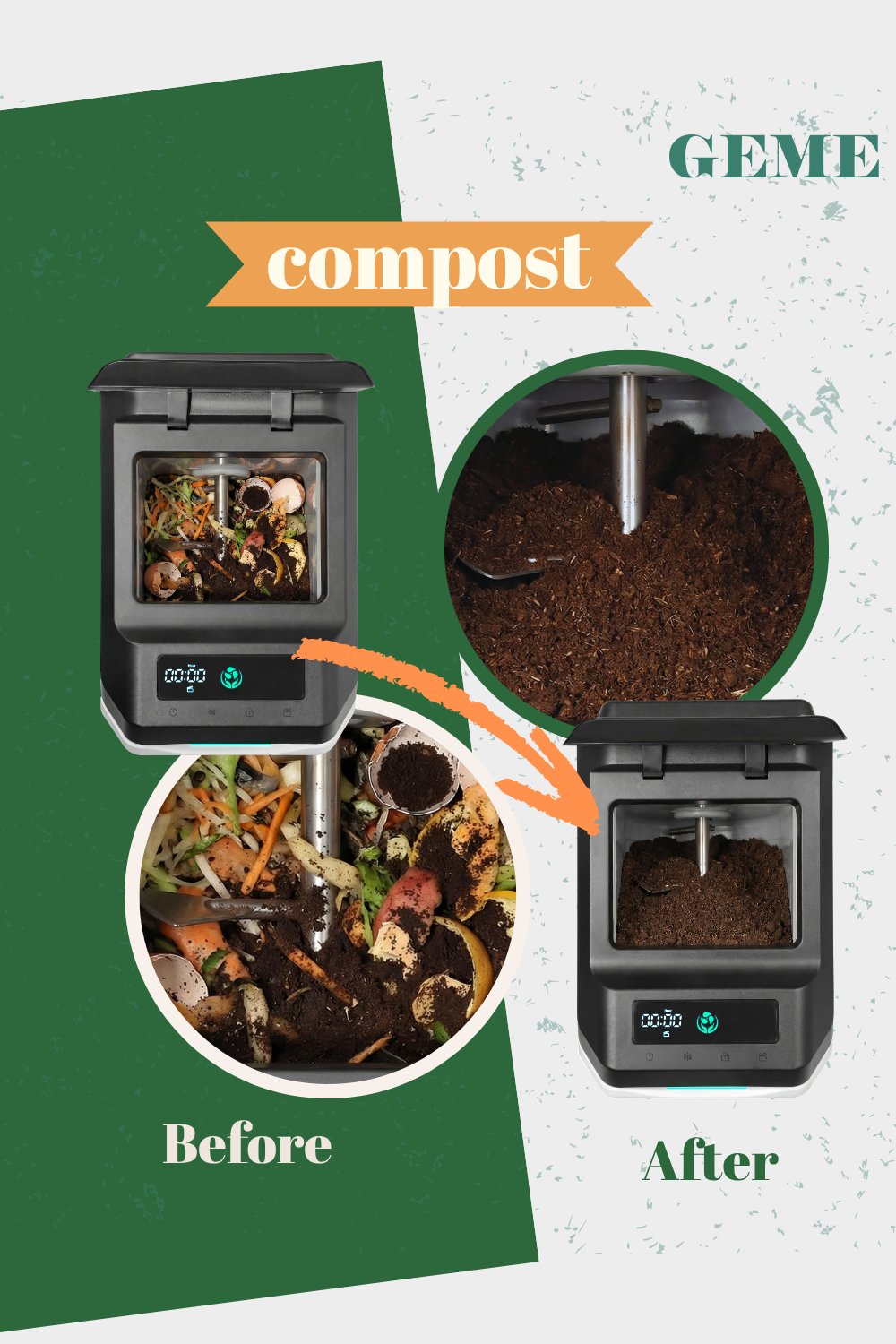
GEME Composter vs DIY Bokashi: Which Should You Choose?
Permanent Odor Control: Catalyst Path vs. Disposable Carbon
GEME Composter Review 2026: Real Compost, No Filter costs
Why is the GEME chassis intentionally heavier than a typical countertop appliance?

How to Plant Tulips in Spring
How to Compost at Home: A Complete Beginner's Guide
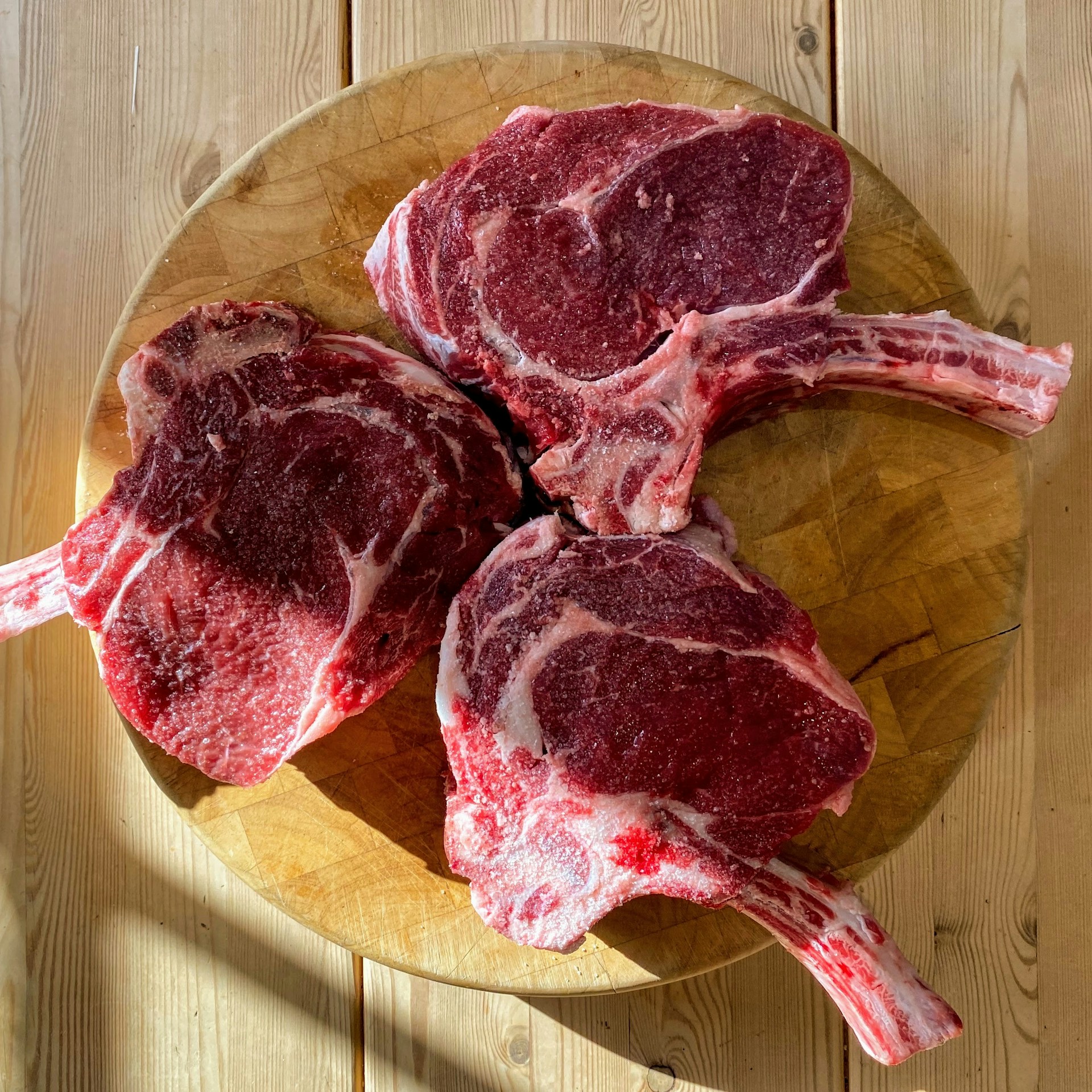
What Can You Put in an Electric Composter? Meat, Dairy, Bones (Clear Rules + Hard Limits)

Can an Electric Composter Handle Salt & Oil? Boundaries for Real Leftovers (Without the Myths)
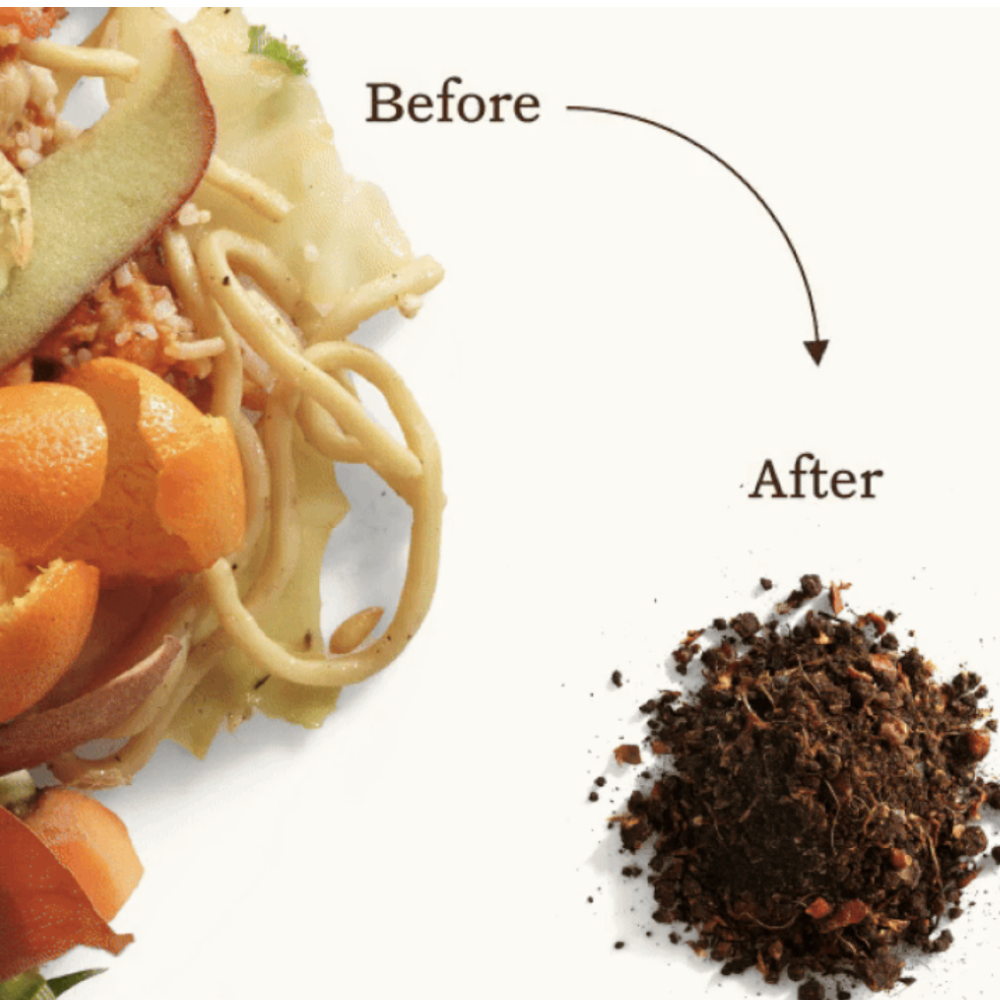
Mastering the GEME Cycle: An Agronomist’s Guide to Continuous-Flow Compost Application
Countertop Composter Is a Misnomer: Where an Electric Composter Actually Belongs in a Real Kitchen
Top 5 Electric Composters on Amazon: 2026 Buyer’s Guide
GEME Terra II: The Pros and Cons
Top 5 Kitchen Composters: Pros and Cons
GEME Composter Review: Best Indoor Composter 2026
The Best Kitchen Composter Verdict 2026
The Best Composter for Avoiding Recurring Fees: GEME Terra 2 vs. Lomi, Mill, and Reencle

Can I Compost Cut Flowers?
How Long Does Bokashi Take to Compost?

How to Care For Hydrangeas And Change Their Colors
The Best Composter: Daily Operation Comparison (Lomi, Mill, Reencle, GEME)

How Long Does Pizza Last In The Fridge? The Ultimate Leftover Safety Guide
How to Compost Eggshells: The Ultimate Guide to Calcium Gold for Your Garden
How to Compost Coffee Grounds: The Ultimate Guide for Your Garden
Never Buy Carbon Filters for Your Composter

The Best Composter for Fastest Real Compost
How to Compost at Home for Beginners: The Ultimate 2026 Guide

How Long Can Chicken Stay in the Fridge? The Ultimate Guide to Safety, Spoilage, and Sustainable Disposal

How to Reduce Odor: Practical Tips for Indoor Composting That Actually Work

How Long Can Ground Beef Stay In The Fridge
Breaking News: NYC Fines for Food Waste Are Back, 2026

The Best Composter For Small Kitchen

How to Reduce Food Waste During Holiday: A Sustainable Spring Festival Guide
Reencle vs. GEME: The Ultimate Microbial Composter Showdown
Does Mill Composter Really Compost? Honest Review & Best Kitchen Composter Guide 2026
How to Reduce Food Waste at Home (Best Solution 2026)

McDonald’s Free Caviar Kits Raise Concerns of Food Waste | 2026 Composting Insights
Winter Composting Crisis: How the 2026 Bomb Cyclone Makes Indoor Composting Essential
How to Compost in an Apartment (Best Solution 2026)

Zero-Waste Lifestyle Starts in Your Kitchen: How to Reduce Food Waste with GEME Terra 2 (Best Kitchen Composter Guide)
Does the Lomi Composter Really Compost? Lomi vs GEME Terra 2
Top 5 Kitchen Composters in 2026
Best Kitchen Composters in 2026: GEME Terra II Redefines “Real Compost”
GEME Terra 2 vs Reencle Composter: 2 different Microbial Composting Approaches
GEME Terra 2 vs Mill Composter: The 2026 Decision Guide
The Best Electric Kitchen Composter of 2026

Mastering the GEME Cycle: An Agronomist’s Guide to Continuous-Flow Compost Application
Geme Terra 2 vs Lomi: Which Countertop Composter Is Better for a Zero Waste Home?
Electric Compost Bin Filters Cost: GEME vs Lomi vs Mill vs Reencle
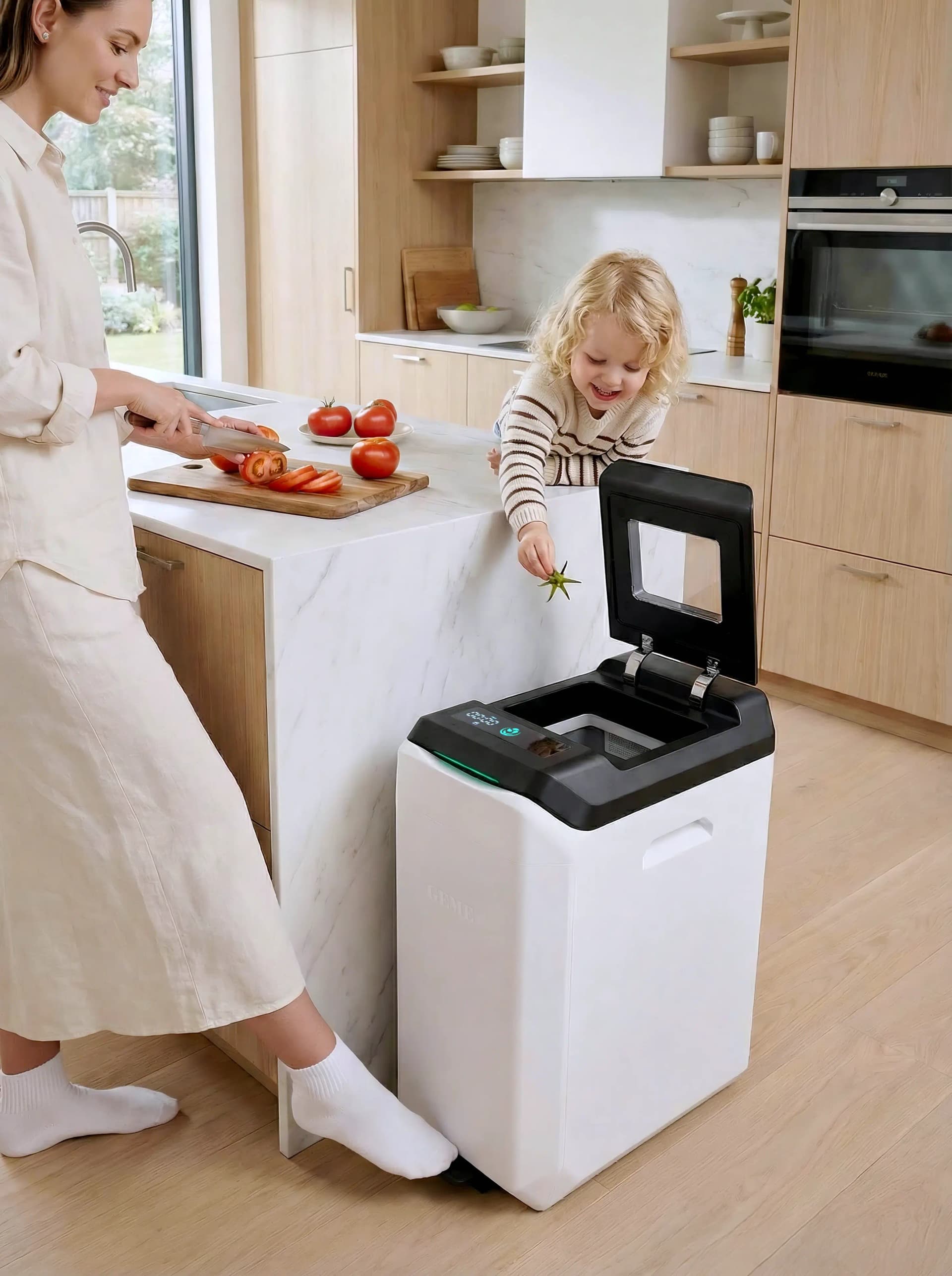
Bio-Composting Breakthroughs: GEME Terra 2 Debuts, An Easier & Smarter Way To Compost At Home
Can You Compost Bread?
Can I Compost Spoiled or Moldy Fruit Like Grapes? Here's A Practical Guide
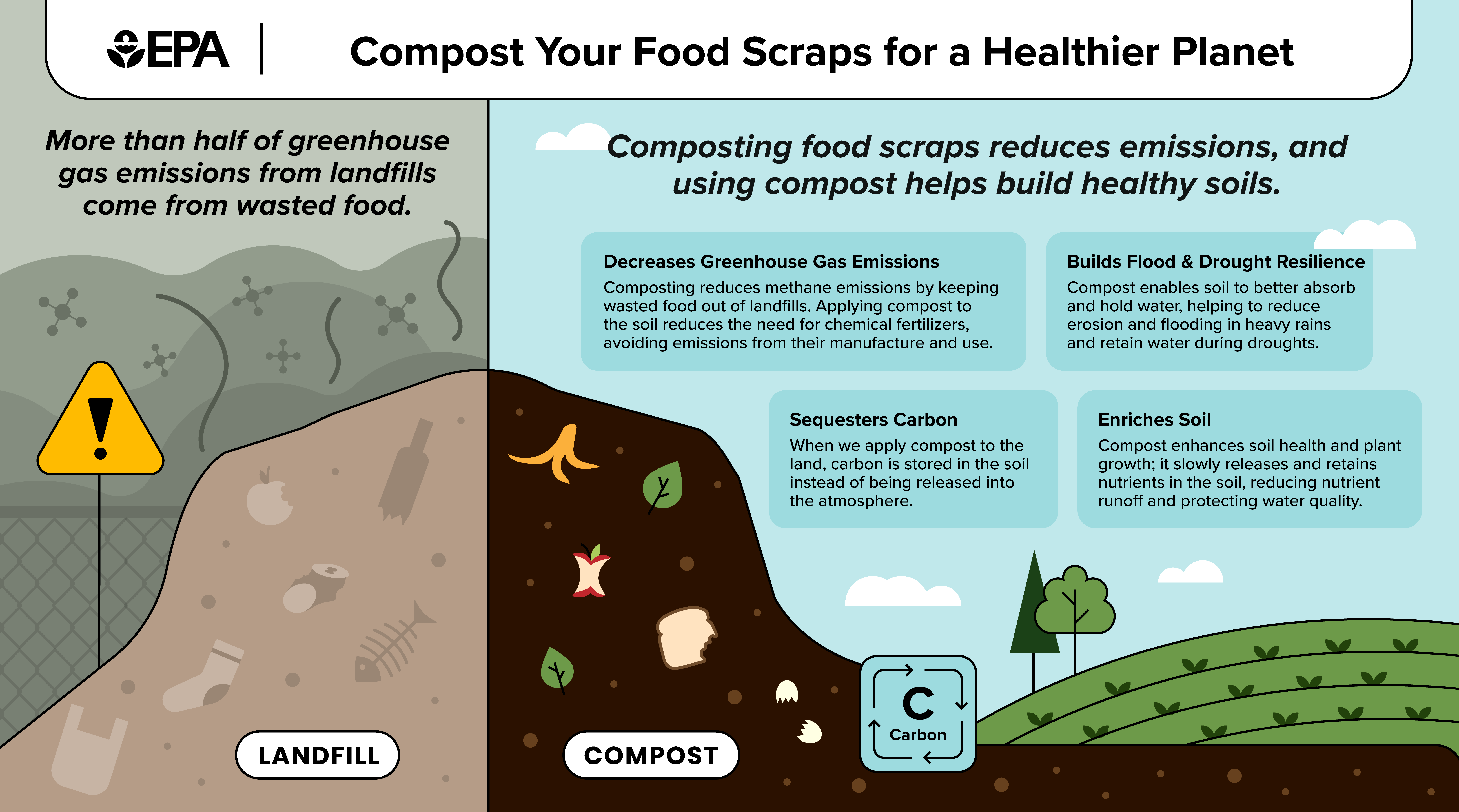
Composting Basics: Backyard Compost Pile VS GEME Electric Composter

How Can We Make Bananas Last Longer?
How Long Do Apples Last in The Fridge? An Ultimate Guide For You to Keep Apples Fresh
The Best Kitchen Composter For Reducing Food Waste | Which One is Your Favourite?
Ready to transform your gardening game? Subscribe to our newsletter for expert composting tips and sustainable gardening advice.