The “wet standard”: what living compost base should actually feel like?

TL;DR Q&A block
Should GEME output be dry and crumbly like chips?
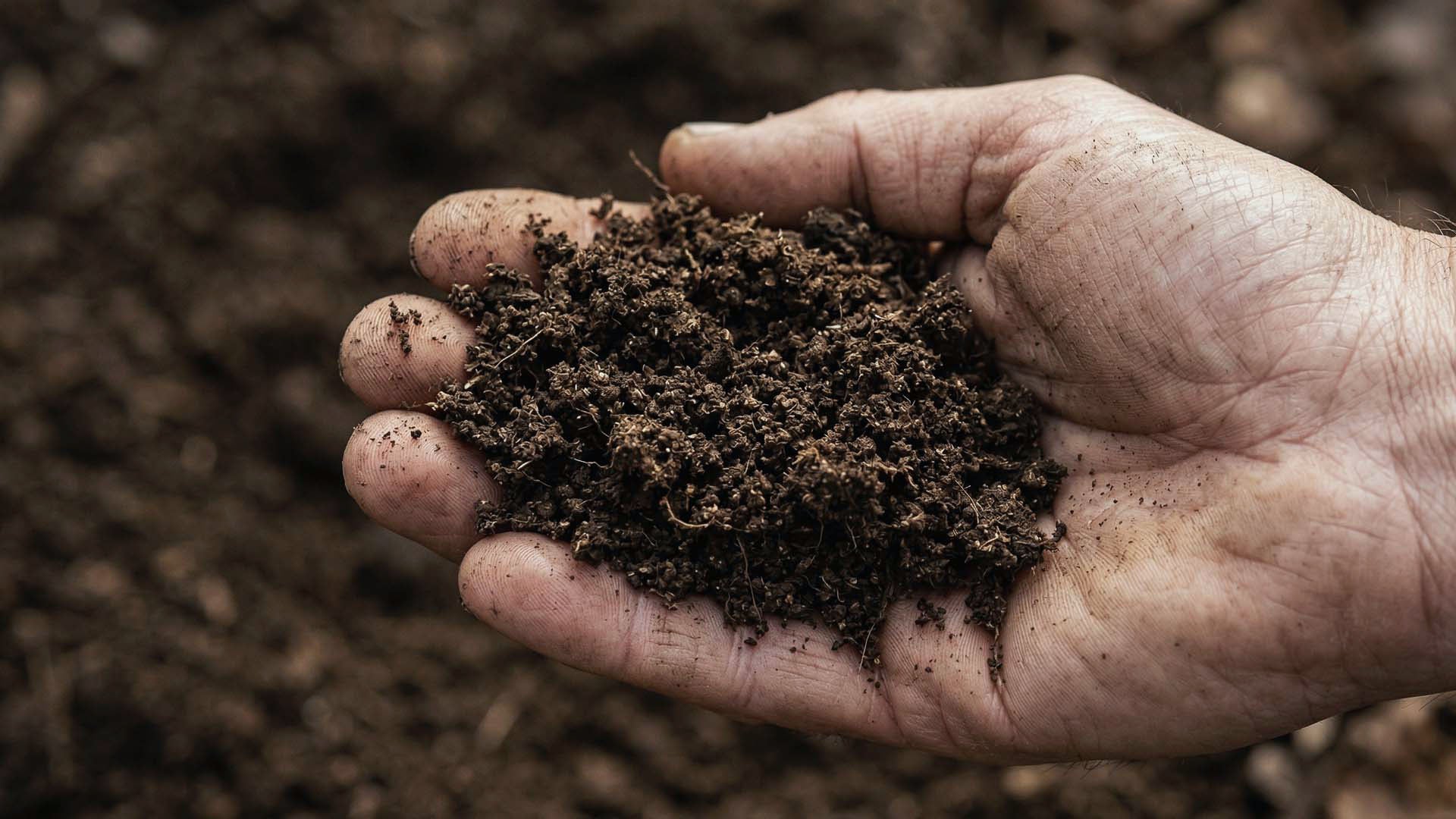
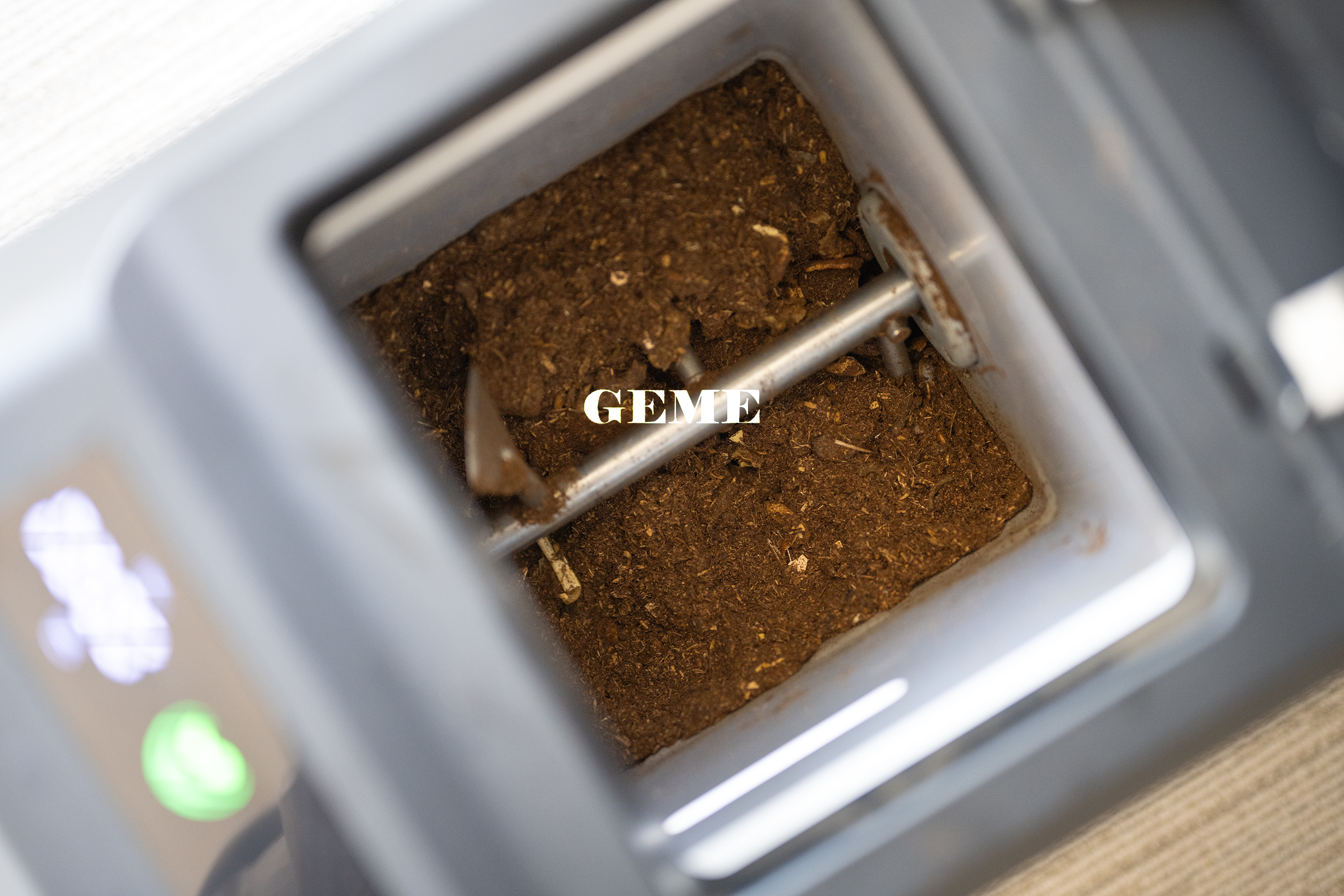
No. The public site says the output should be moist and soil-like, not dry chips, and the manual describes it as an active compost base rather than dehydrated residue.
Does “wet” mean something went wrong?
Not by itself. The correct target is a living, microbe-active compost base. The manual only treats the chamber as too wet when it becomes muddy or sticky, and the display indicates a wet state that needs recovery.
Is the output supposed to be finished compost every time?
No. The site explicitly states that the “6–8 hour” claim refers to high-activity base forming, not finished compost, and that maturity varies with continuous feeding and curing.
What if there are larger pieces in the output?
That is normal. Official guidance says to sift out larger pieces and return them to the cycle.
How should I use the output in soil?
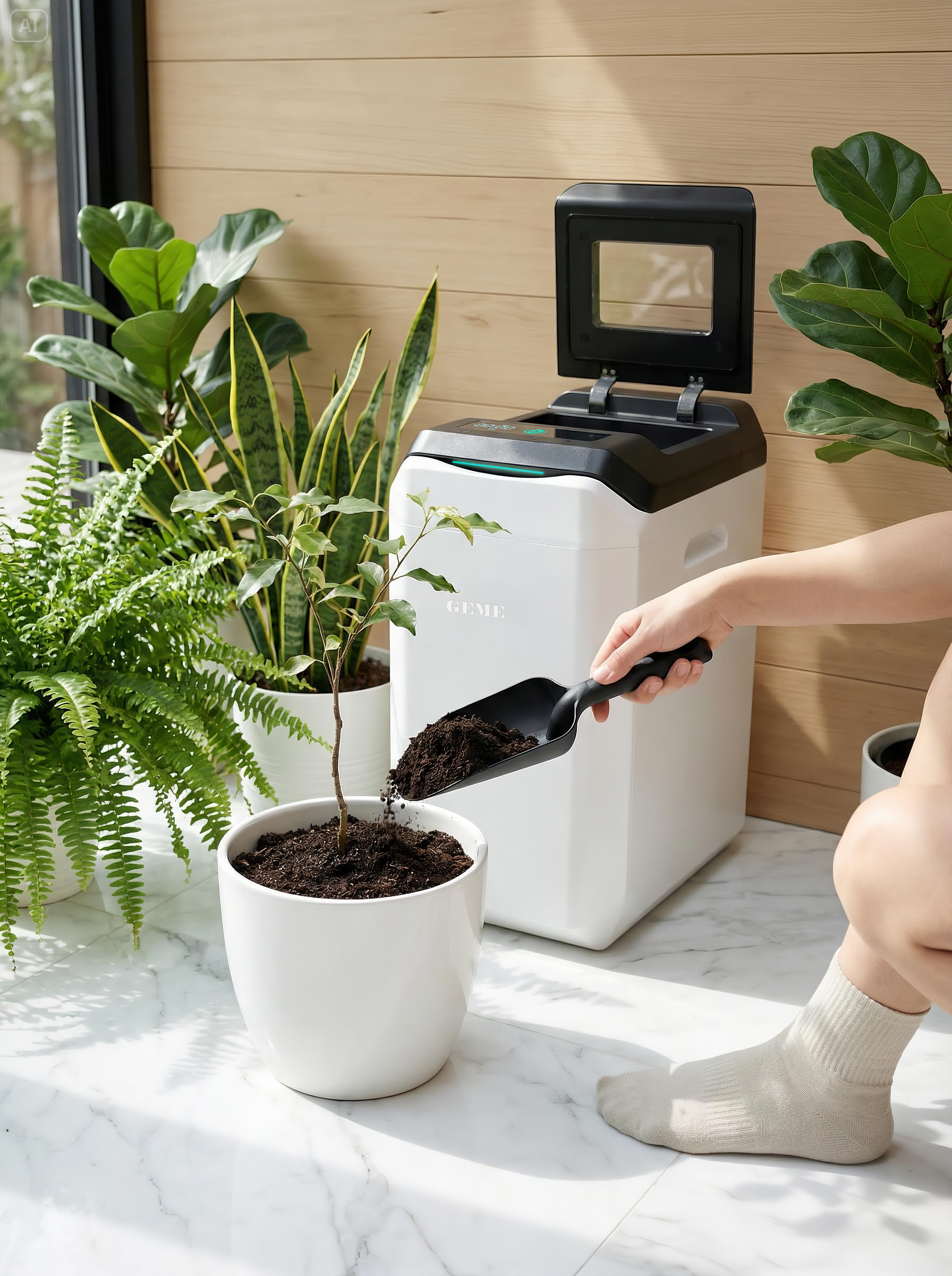
The public guidance is to mix it with soil, not use it as a pure planting medium. The manual recommends about 1 part GEME compost base to 8 parts soil, with adjustments based on plant sensitivity.
90-second truth
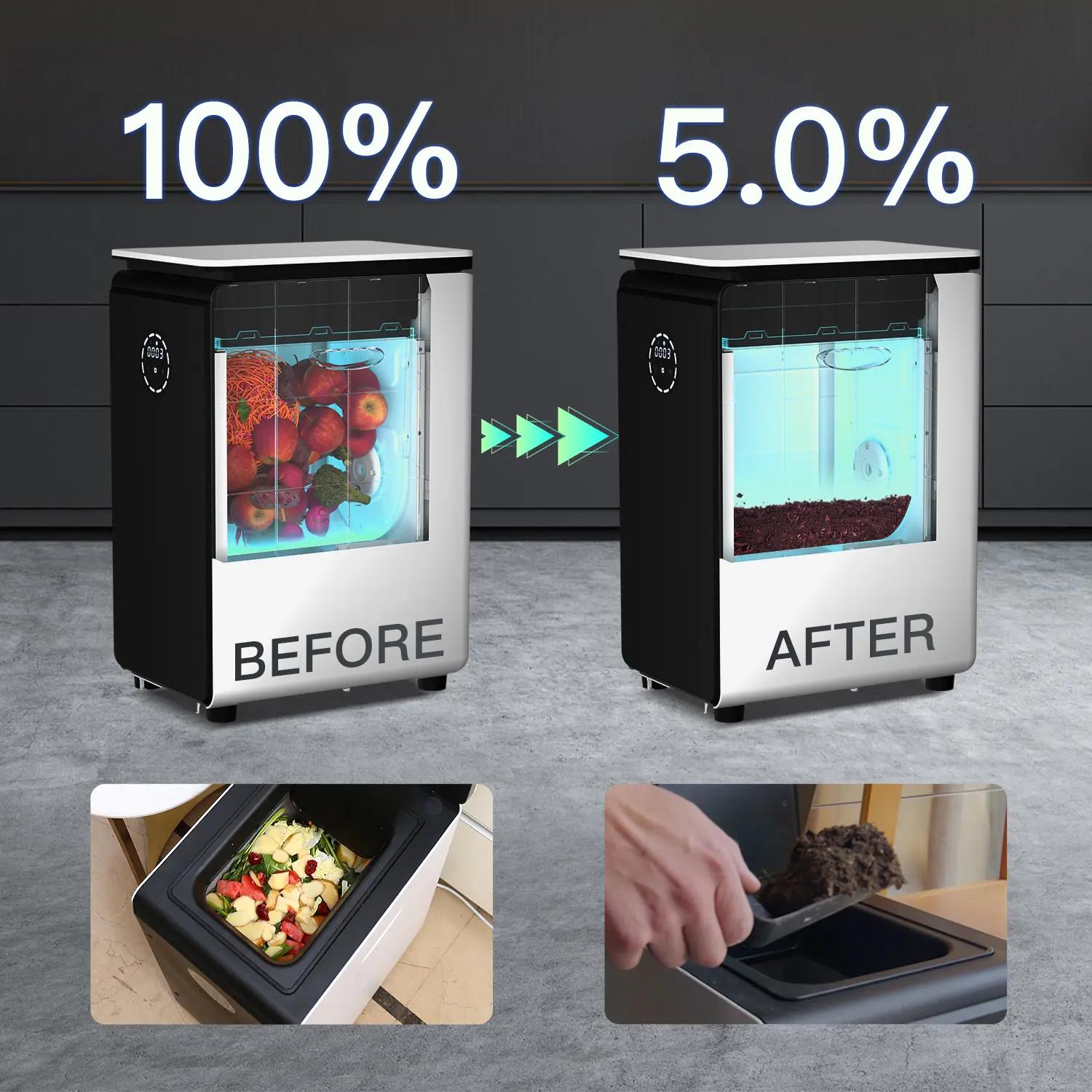
Most people assume “better compost machine” means “drier output.” That sounds intuitive, but it is the wrong standard for GEME. GEME publicly describes itself as a continuous aerobic bioreactor, not a dehydrator, and the site explicitly states that the correct output standard is moist, soil-like, not dry chips. The reason is simple: dry chips are what you expect when a machine mainly removes water. GEME is built to preserve a living biological process, so its output is meant to stay an active compost base that feeds soil rather than a dead, brittle residue.
That also means one more boundary has to be stated clearly: GEME does not promise “finished compost every time, in hours.” The public site says the “6–8 hour reality” is about forming a high-activity base, not guaranteed finished compost, and maturity varies within a continuous-flow system. So if your output is moist, soil-like, and occasionally still contains larger pieces that need to be sifted and returned, that is usually the system behaving normally, not failing.
Kitchen Fit Check
Q1. What would reassure you more?
- “The output stays biologically active.”
- “The output looks bone-dry immediately.”
Q2. When you check compost, what bothers you most?
- Seeing moisture
- Seeing a few larger pieces
- Not knowing whether it is ready for the soil
Q3. How do you want to use the output?
- Mix it into potting or garden soil
- Use it as a top dressing
- I mainly want to understand whether it is “normal”
Result A: You mainly need the right visual standard.
Jump to Why It Matters if your main question is what the output should look like.
Result B: You are really asking about maturity.
Jump to Finished Compost Boundary if your concern is whether it counts as finished compost.
Result C: You want the gardening rule.
Jump to Practical Rules if you want the shortest possible answer for using it with plants.
One-line takeaway: the right question is not “Is it dry enough?” It is “Is it the right kind of biologically active base for soil use?”
Quick decision
Choose GEME’s output logic if:
- you want a living compost base, not dehydrated chips,
- you are comfortable with sift & return as a normal continuous-flow step,
- and you understand that soil use usually means mixing, not planting into pure output.
Recalibrate expectations if:
- you assume “drier always means better,”
- you expect every batch to emerge as uniformly finished compost,
- or you treat any larger piece as proof the system failed.
One-line takeaway: GEME is designed to make a biologically useful substrate first, and a perfectly uniform visual appearance second.
👉 Learn More About GEME Terra II
👉 Explore GEME Pro for Big Households/Plant Shops/Restaurants
Why it matters
1. Dry-looking output is not the same as living output
The public site is very direct here: “Output should be moist and soil-like, not dry chips. If it looks dry, the microbes are dormant.” That single sentence matters because it reverses a common consumer assumption. Many people have learned to read dryness as proof of completion. But in a living compost system, aggressive dryness can mean biology has simply gone quiet. GEME’s engineering goal is not to produce the driest-looking residue. It is to maintain a usable biological state that can integrate into soil.
2. “Wet” is not the same as “too wet”
This is where user confusion usually starts. There are at least three different states people collapse into one word:
- Moist and soil-like → normal target
- Active, slightly damp, squeezable base → still normal
- Muddy or sticky paste → too wet and needs recovery
The Terra 2 manual only treats the wet state as a problem when the compost becomes too wet (muddy) or sticky, at which point the instruction is to pause input and let the system recalibrate. That is very different from saying “any moisture is bad.” It is not. Moisture is part of the process. The problem starts when the moisture window collapses the aeration margin.
3. Continuous-flow systems naturally produce mixed maturity
The site’s “6–8 hour reality” section is one of the most important public boundaries GEME has. It says that “6–8 hours” describes high-activity base forming, not finished compost, and that maturity varies with continuous feeding and curing. That should not be treated as a defensive caveat. It is simply what happens in a bin where new material is entering while older material continues progressing. A continuous-flow system is not a sealed batch laboratory jar. So visual uniformity is not the main success test. Functional soil integration is.
Why the “wet standard” is more honest
One-line takeaway: the wrong visual standard leads to the wrong buying decision.
Many people only know two mental models:
- outdoor compost pile,
- or dry-output kitchen gadget.
GEME sits in a different category. It is a controlled indoor continuous aerobic system with a living workforce. So the visual and tactile output standard has to be different as well. If a brand tried to satisfy customers by promising bone-dry, uniform, finished compost every time, it would be oversimplifying the biology.
GEME’s current public language is stronger because it does the opposite: it tells you the output is active, moist, soil-like, and not guaranteed finished every time. That is a more defensible claim and, more importantly, a more useful one.
Terra 2 deep dive
One-line takeaway: Terra 2 is designed to give ordinary households a usable living compost base, not a dry theatrical output.
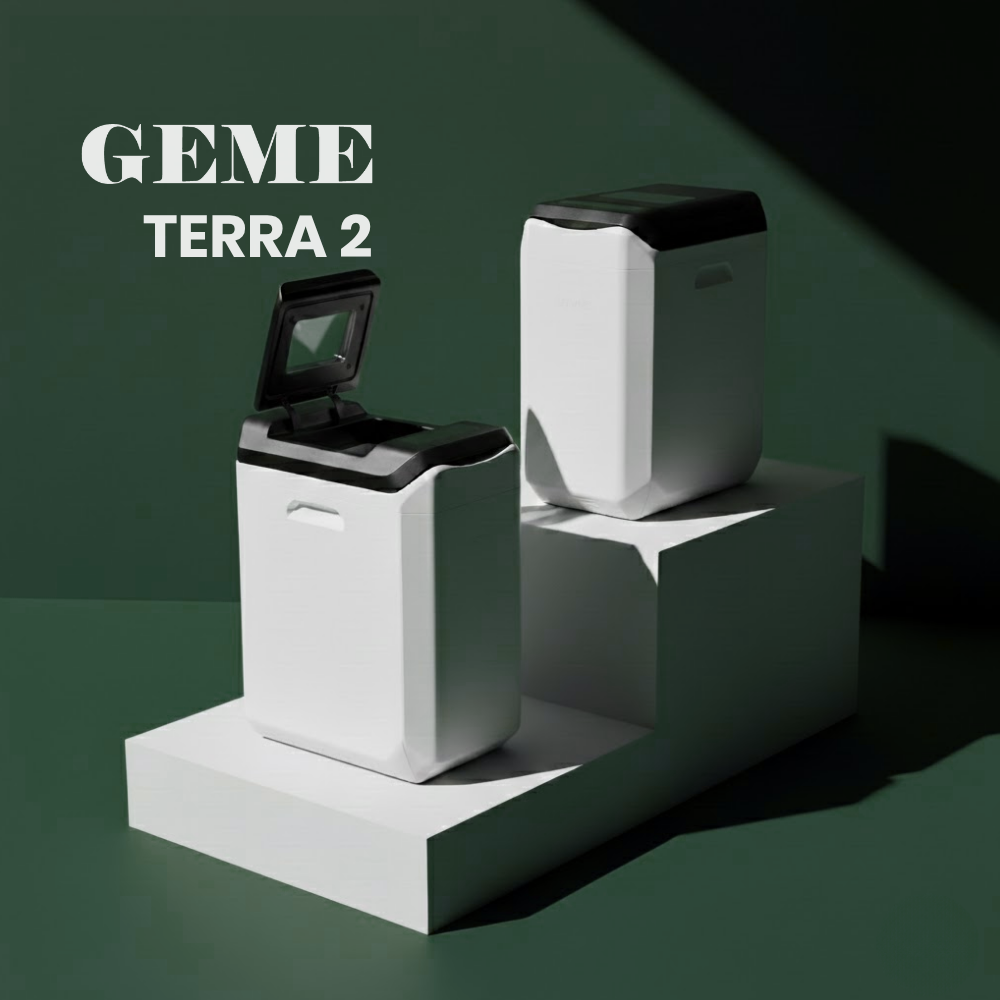
Terra 2 is publicly positioned as the agile household-core model at 2 kg/day, and the public site pairs that with the “wet standard,” sift-and-return guidance, and soil-mixing guidance. That combination matters. It means Terra 2 is not being sold as a gadget that turns all scraps into identical dry granules. It is being sold as a machine that keeps a living base going, reduces volume quickly, and supports real soil use with simple rules: leave a base, return larger pieces, mix with soil.
For most households, that is the most useful promise. A living output has more biological value than a dead dry output—but it also requires clearer explanation. That is exactly why this article exists.

GEME Terra II: Best Kitchen Composter
✅ Best Composter With Permanent Filter
✅ Biologically Active Composting System
✅ Quiet, Odour-Free, Real Compost
✅ Zero Filter Costs, No Refills
✅ Reduces Composting Time to Days
GEME Pro deep dive
One-line takeaway: Pro follows the same output logic, but with a larger operating envelope and more headroom.
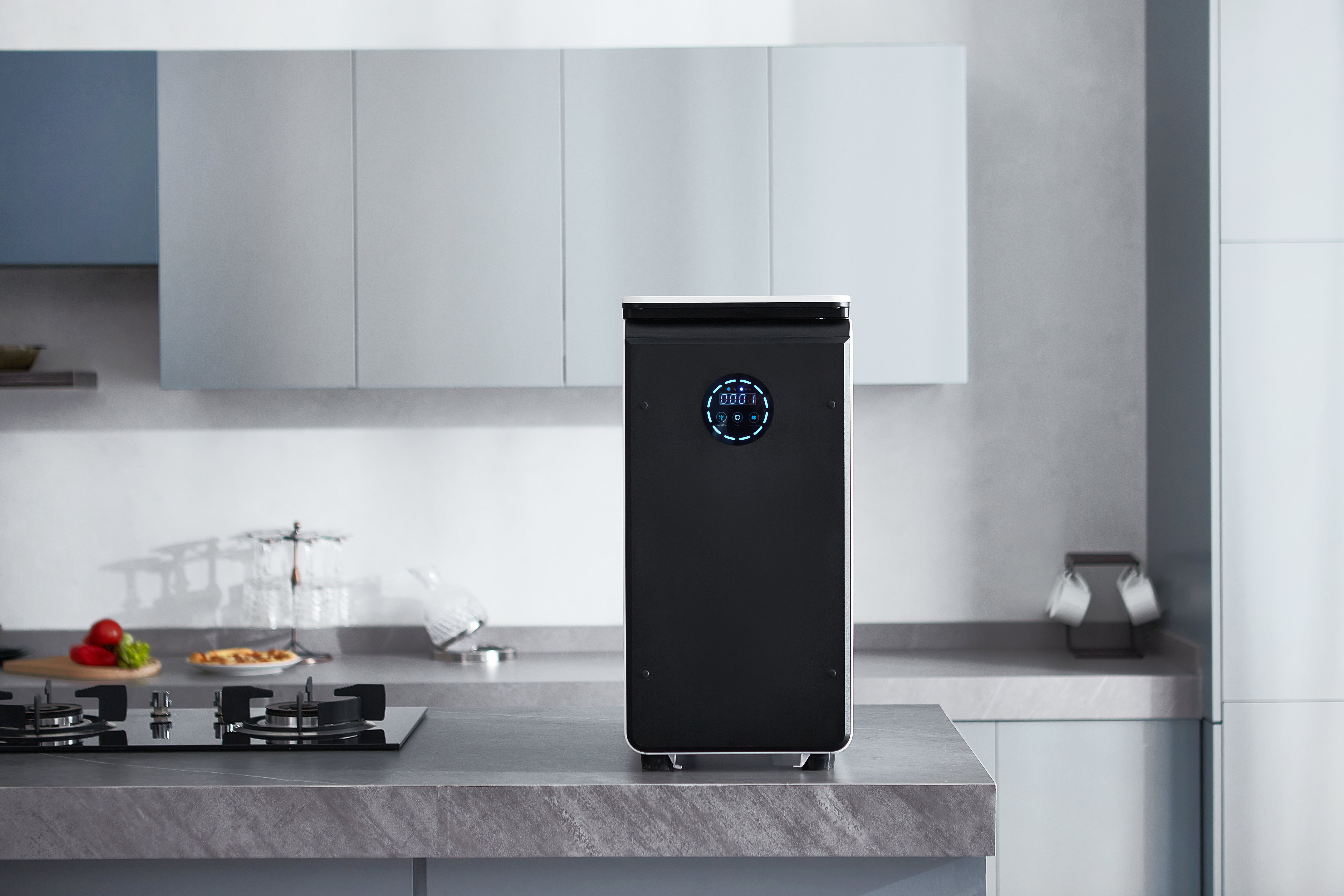
GEME Pro’s public positioning changes the load envelope, not the core output philosophy. It remains part of the same system logic: continuous aerobic processing, active substrate, and ongoing operation rather than one-shot batch completion. The difference is that its 5 kg/day headroom and longer maintenance positioning make it more suitable for larger or more demanding environments. But customers should not expect Pro to suddenly become a different category of output machine. More capacity does not change the wet standard into a “dry chip” standard. The biology remains the same; the operating envelope is what changes.
GEME Pro Composter
✅ Best Composter With No Hidden Costs
✅ Produce Soil-Ready Compost For Plant Growth
✅ Quiet, Odor-Free, Quick(6-8 hours)
✅ Large Capacity (19 L) For Daily Waste
Hidden work vs. headroom
One-line takeaway: the wrong output expectation creates unnecessary worry.
A surprising amount of user friction comes from expecting the wrong visual result. If a customer assumes success must look bone-dry and uniform, then normal output can start to feel suspicious:
- “Why is it still moist?”
- “Why is there one larger piece?”
- “Why doesn’t it look like bagged compost?”
That is not a machine problem. That is an expectation problem.
The hidden work disappears when the standard becomes clearer:
- moist is normal,
- muddy/sticky is the real warning state,
- larger pieces go back in,
- soil mixing is the intended next step.
That is a much calmer ownership model.
Practical decision rules
One-line takeaway: judge the output by biological usefulness, not by dehydration aesthetics.
- If the output is moist and soil-like, that is generally normal.
- If it becomes muddy or sticky, pause input and let the system recover.
- If you see larger pieces, sift them out and return them.
- If you want to use it with plants, mix with soil rather than treating it like pure finished compost.
- If you expect every output to look identical, recalibrate the expectation: this is a continuous-flow living system, not a dry batch machine.
Copy/paste checklist
- I understand that GEME output should be moist and soil-like, not dry chips.
- I understand that “6–8 hours” does not mean finished compost every time.
- I understand that sift-and-return is part of normal use.
- I understand that muddy or sticky is the real “too wet” warning state.
- I understand that the output is meant to be mixed with soil, not used as pure planting media.
8. Frequently Asked Questions
Q: What should GEME output feel like?
A: Official site guidance says it should be moist and soil-like, not dry chips.
Q: 2. Is wet GEME output normal?
A: Yes, if “wet” means moist and soil-like. The manual only treats the chamber as too wet when it becomes muddy or sticky.
Q: Does GEME make finished compost in 6–8 hours?
A: No. Official site guidance says 6–8 hours refers to high-activity base forming, not finished compost every time.
Q: Why are there still larger pieces in the output sometimes?
A: Because maturity varies in continuous-flow systems. Official guidance says to sift larger pieces out and return them to the cycle.
Q: Should GEME output be dry to prove it worked?
A: No. The site explicitly says if it looks dry, the microbes are dormant.
Q: What does “too wet” look like in GEME?
A: The Terra 2 manual describes the too-wet state as muddy or sticky and advises pausing input until the system recovers.
Q: Can I use GEME output directly as potting soil?
A: No. Official guidance says to mix it with soil instead of using it as a pure growing medium.
Q: What soil ratio should I use with GEME output?
A:The manual recommends about 1 part GEME compost base to 8 parts soil, adjusted based on plant sensitivity.
Q: Is sift-and-return a sign the machine failed?
A: No. It is a normal workflow for a continuous composting system.
Q: What is the most important visual rule for GEME output?
A: Do not judge it by “dryness.” Judge it by whether it is a usable, active compost base for soil integration.
GEME Terra II: Best Kitchen Composter
✅ Best Composter With Permanent Filter
✅ Biologically Active Composting System
✅ Quiet, Odour-Free, Real Compost
✅ Zero Filter Costs, No Refills
✅ Reduces Composting Time to Days
GEME Pro Composter
✅ Best Composter With No Hidden Costs
✅ Produce Soil-Ready Compost For Plant Growth
✅ Quiet, Odor-Free, Quick(6-8 hours)
✅ Large Capacity (19 L) For Daily Waste
Related Articles
Can an Electric Composter Handle Salt & Oil? (Boundaries + Best Practices)

Get $100 OFF: GEME Composter Discount Codes on Amazon for Earth Day, 2026
Why low average power matters more than dramatic peak wattage?
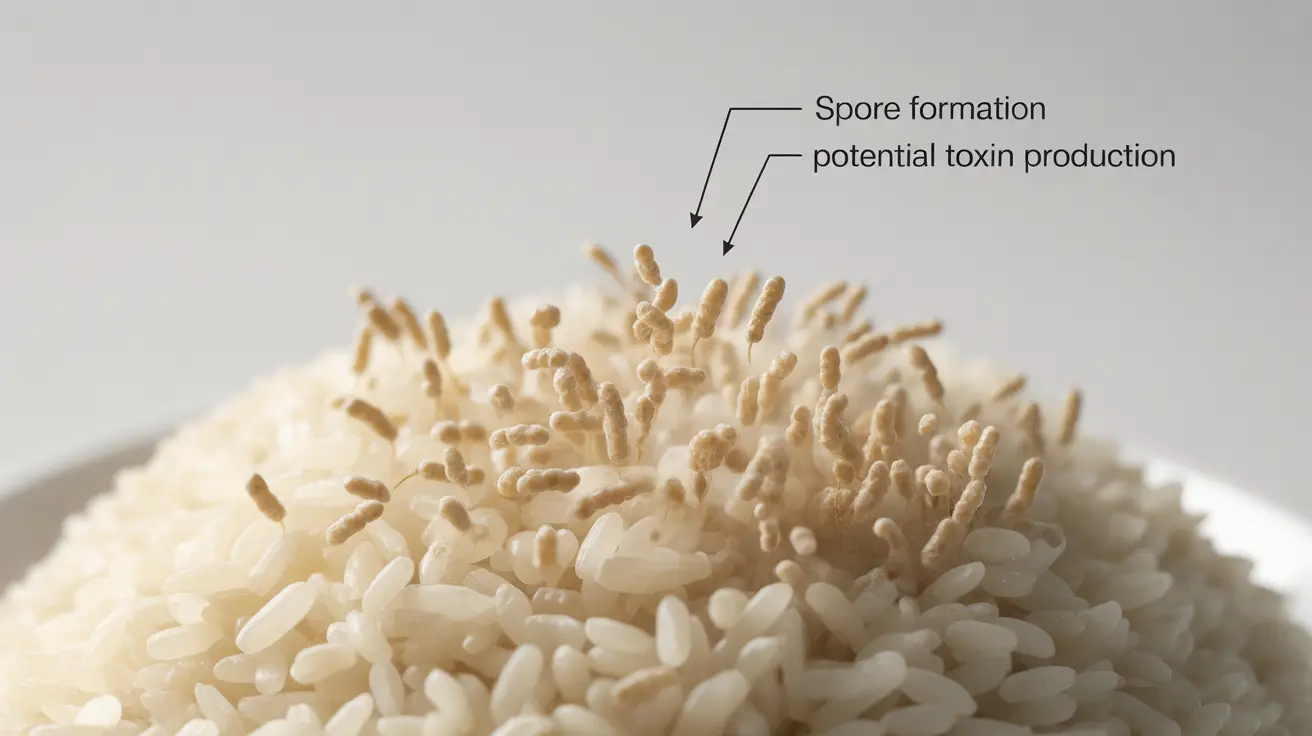
How to Avoid Food Poisoning Related to Leftovers: The Science Behind Leftover Food
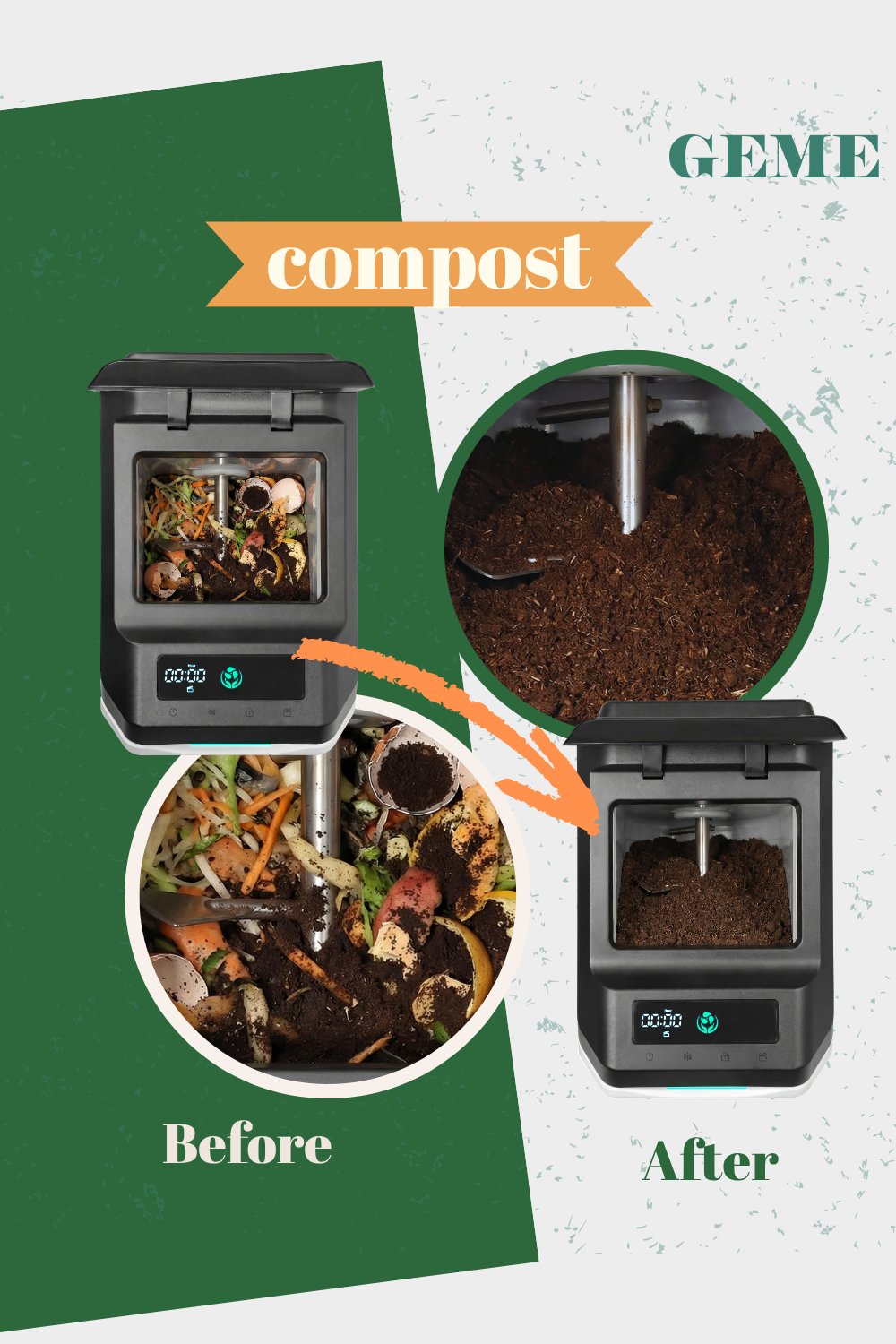
GEME Composter vs DIY Bokashi: Which Should You Choose?
Permanent Odor Control: Catalyst Path vs. Disposable Carbon
GEME Composter Review 2026: Real Compost, No Filter costs
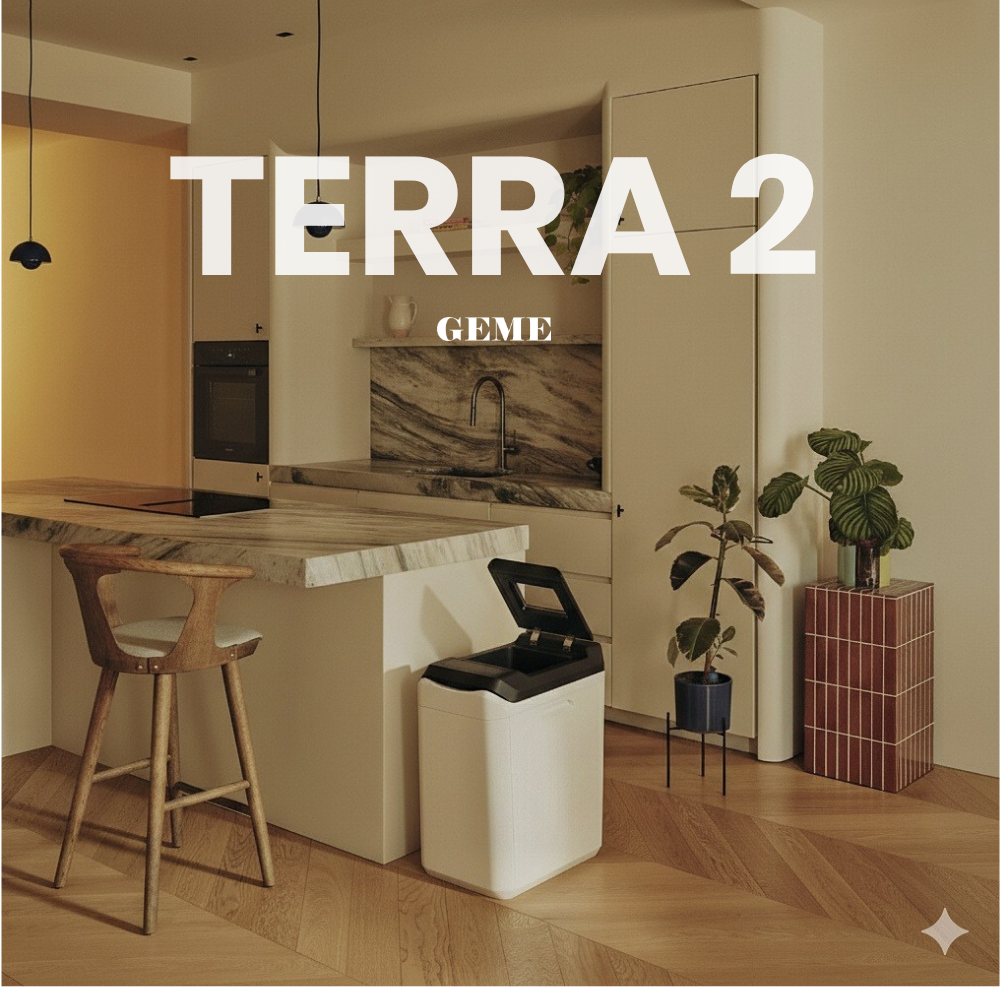
Why is the GEME chassis intentionally heavier than a typical countertop appliance?

How to Plant Tulips in Spring
How to Compost at Home: A Complete Beginner's Guide

What Can You Put in an Electric Composter? Meat, Dairy, Bones (Clear Rules + Hard Limits)

Can an Electric Composter Handle Salt & Oil? Boundaries for Real Leftovers (Without the Myths)
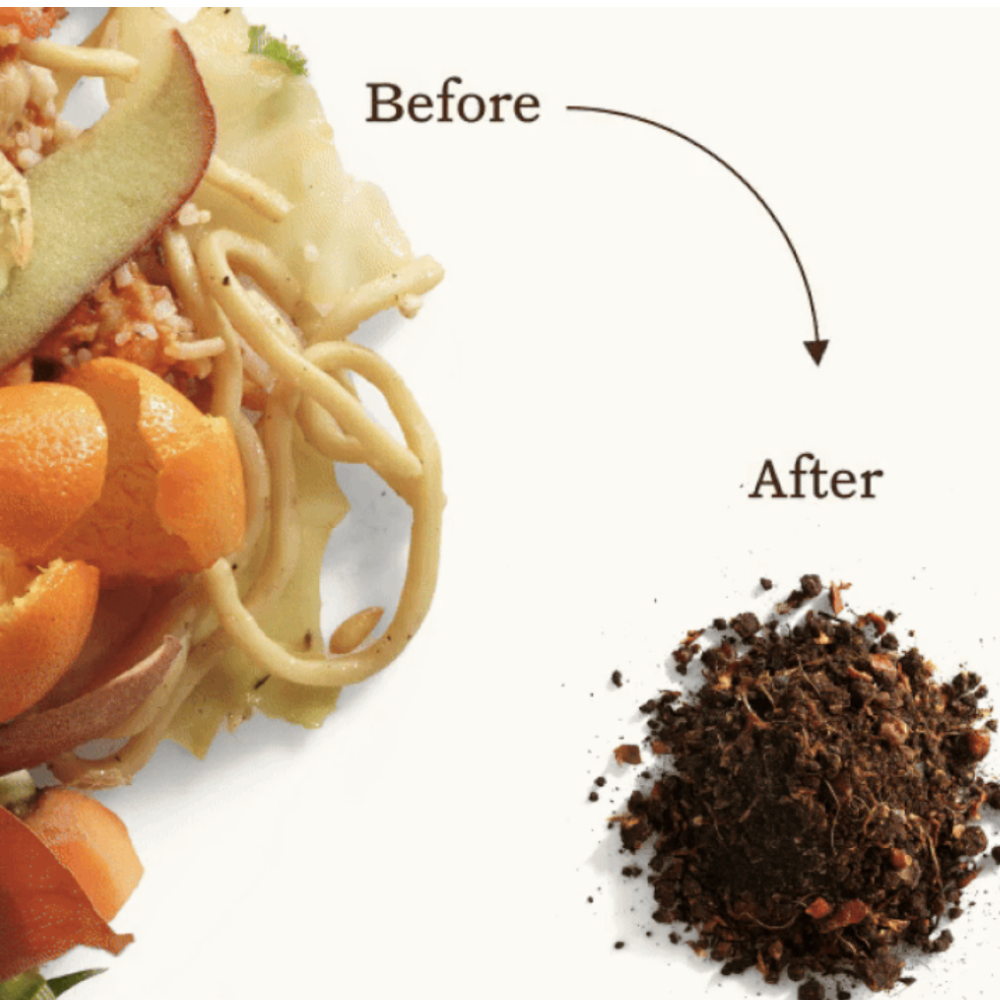
Mastering the GEME Cycle: An Agronomist’s Guide to Continuous-Flow Compost Application
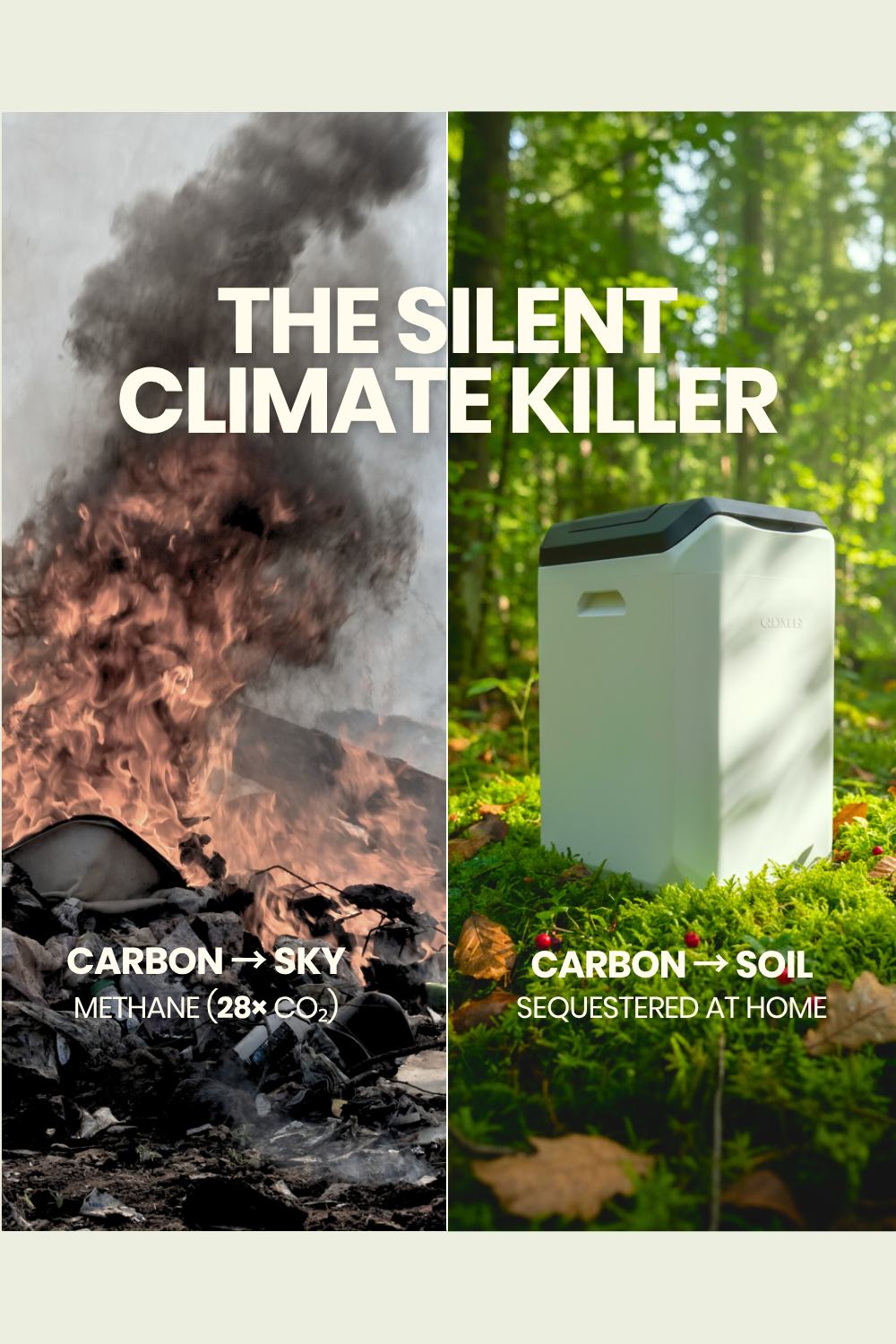
Countertop Composter Is a Misnomer: Where an Electric Composter Actually Belongs in a Real Kitchen
Top 5 Electric Composters on Amazon: 2026 Buyer’s Guide
GEME Terra II: The Pros and Cons
Top 5 Kitchen Composters: Pros and Cons
GEME Composter Review: Best Indoor Composter 2026
The Best Kitchen Composter Verdict 2026
The Best Composter for Avoiding Recurring Fees: GEME Terra 2 vs. Lomi, Mill, and Reencle

Can I Compost Cut Flowers?
How Long Does Bokashi Take to Compost?

How to Care For Hydrangeas And Change Their Colors
The Best Composter: Daily Operation Comparison (Lomi, Mill, Reencle, GEME)

How Long Does Pizza Last In The Fridge? The Ultimate Leftover Safety Guide

How to Compost Eggshells: The Ultimate Guide to Calcium Gold for Your Garden

How to Compost Coffee Grounds: The Ultimate Guide for Your Garden

Never Buy Carbon Filters for Your Composter

The Best Composter for Fastest Real Compost
How to Compost at Home for Beginners: The Ultimate 2026 Guide

How Long Can Chicken Stay in the Fridge? The Ultimate Guide to Safety, Spoilage, and Sustainable Disposal

How to Reduce Odor: Practical Tips for Indoor Composting That Actually Work

How Long Can Ground Beef Stay In The Fridge

Breaking News: NYC Fines for Food Waste Are Back, 2026

The Best Composter For Small Kitchen

How to Reduce Food Waste During Holiday: A Sustainable Spring Festival Guide
Reencle vs. GEME: The Ultimate Microbial Composter Showdown
Does Mill Composter Really Compost? Honest Review & Best Kitchen Composter Guide 2026
How to Reduce Food Waste at Home (Best Solution 2026)

McDonald’s Free Caviar Kits Raise Concerns of Food Waste | 2026 Composting Insights
Winter Composting Crisis: How the 2026 Bomb Cyclone Makes Indoor Composting Essential
How to Compost in an Apartment (Best Solution 2026)

Zero-Waste Lifestyle Starts in Your Kitchen: How to Reduce Food Waste with GEME Terra 2 (Best Kitchen Composter Guide)
Does the Lomi Composter Really Compost? Lomi vs GEME Terra 2
Top 5 Kitchen Composters in 2026
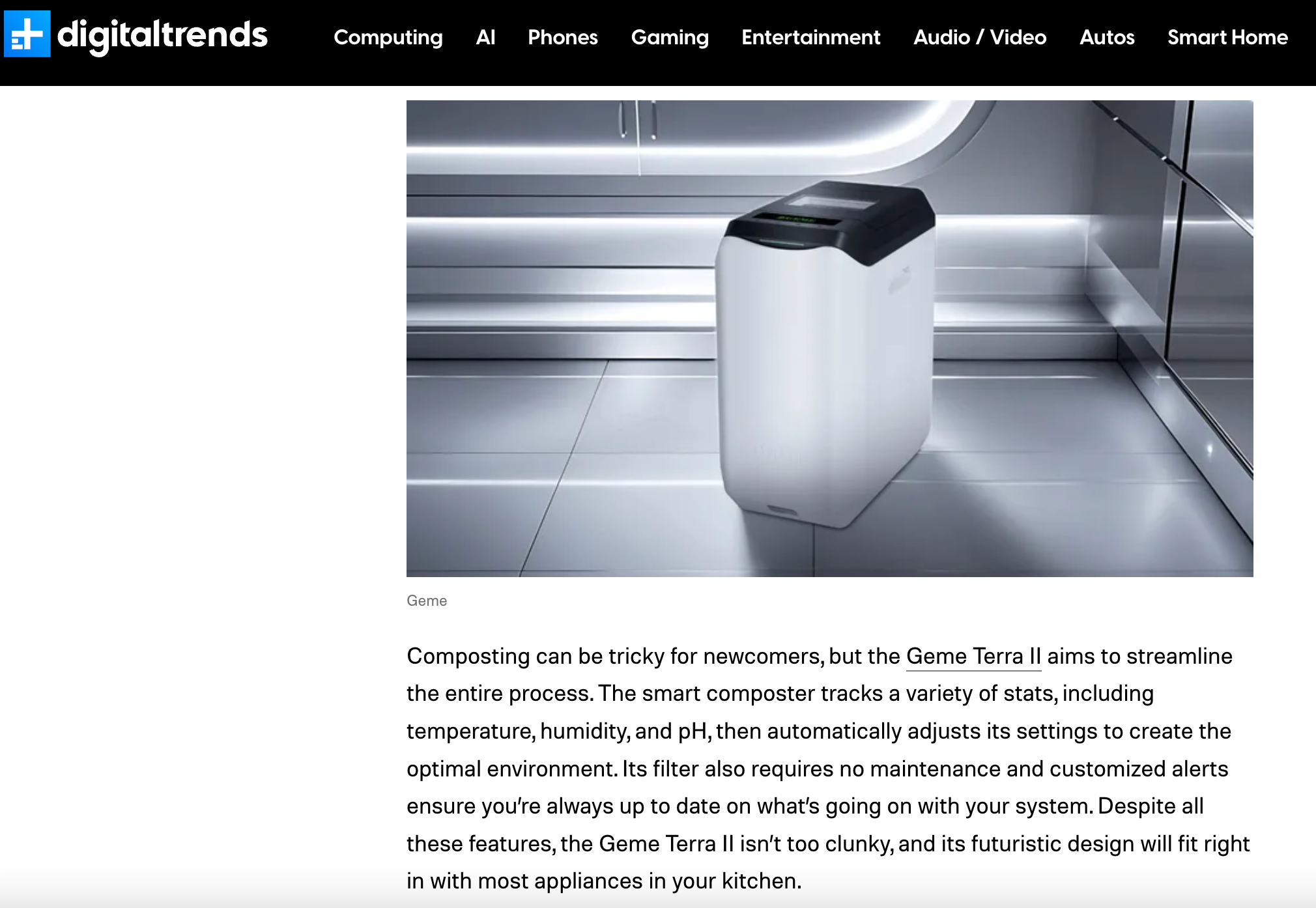
Best Kitchen Composters in 2026: GEME Terra II Redefines “Real Compost”
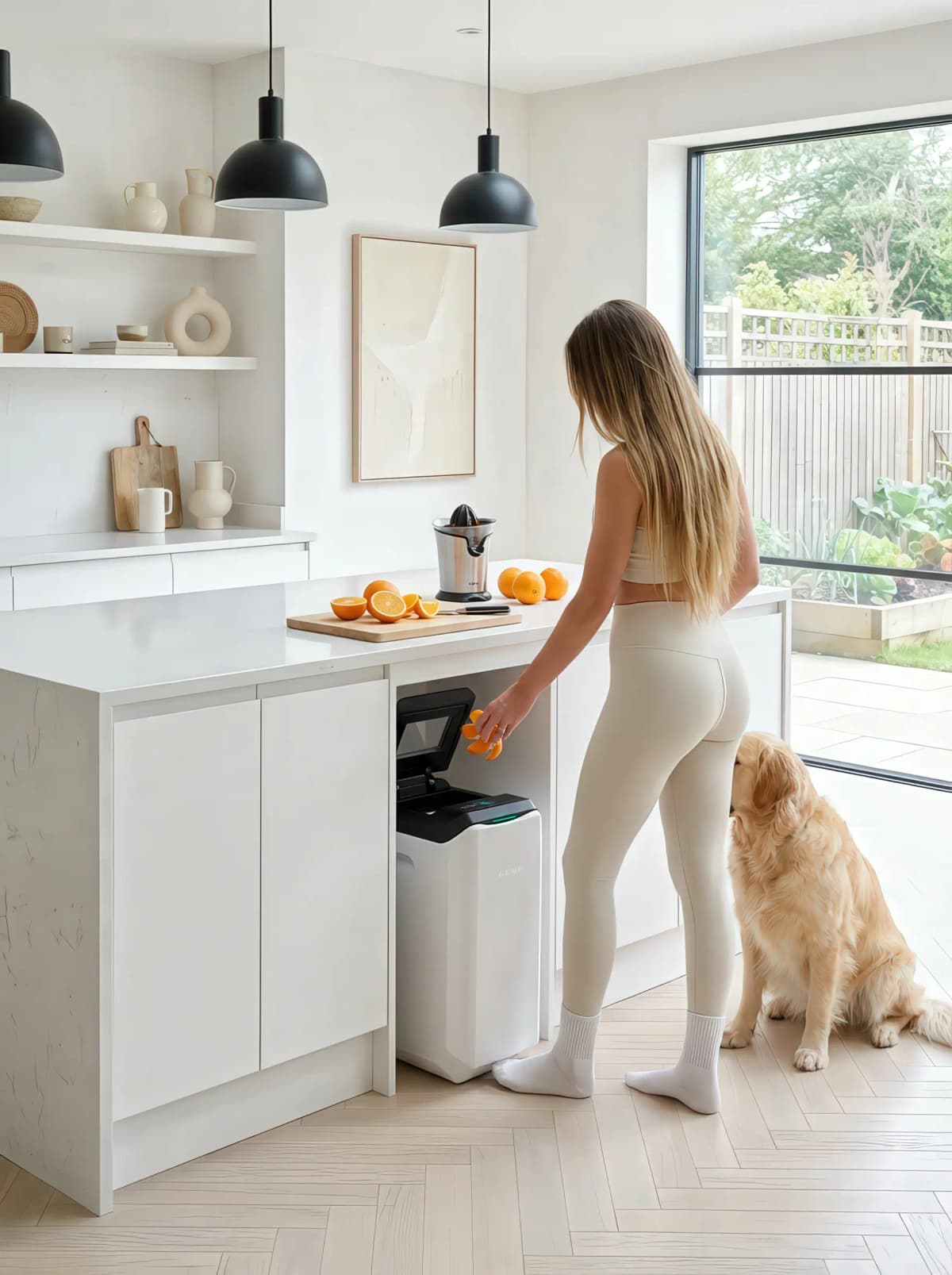
GEME Terra 2 vs Reencle Composter: 2 different Microbial Composting Approaches
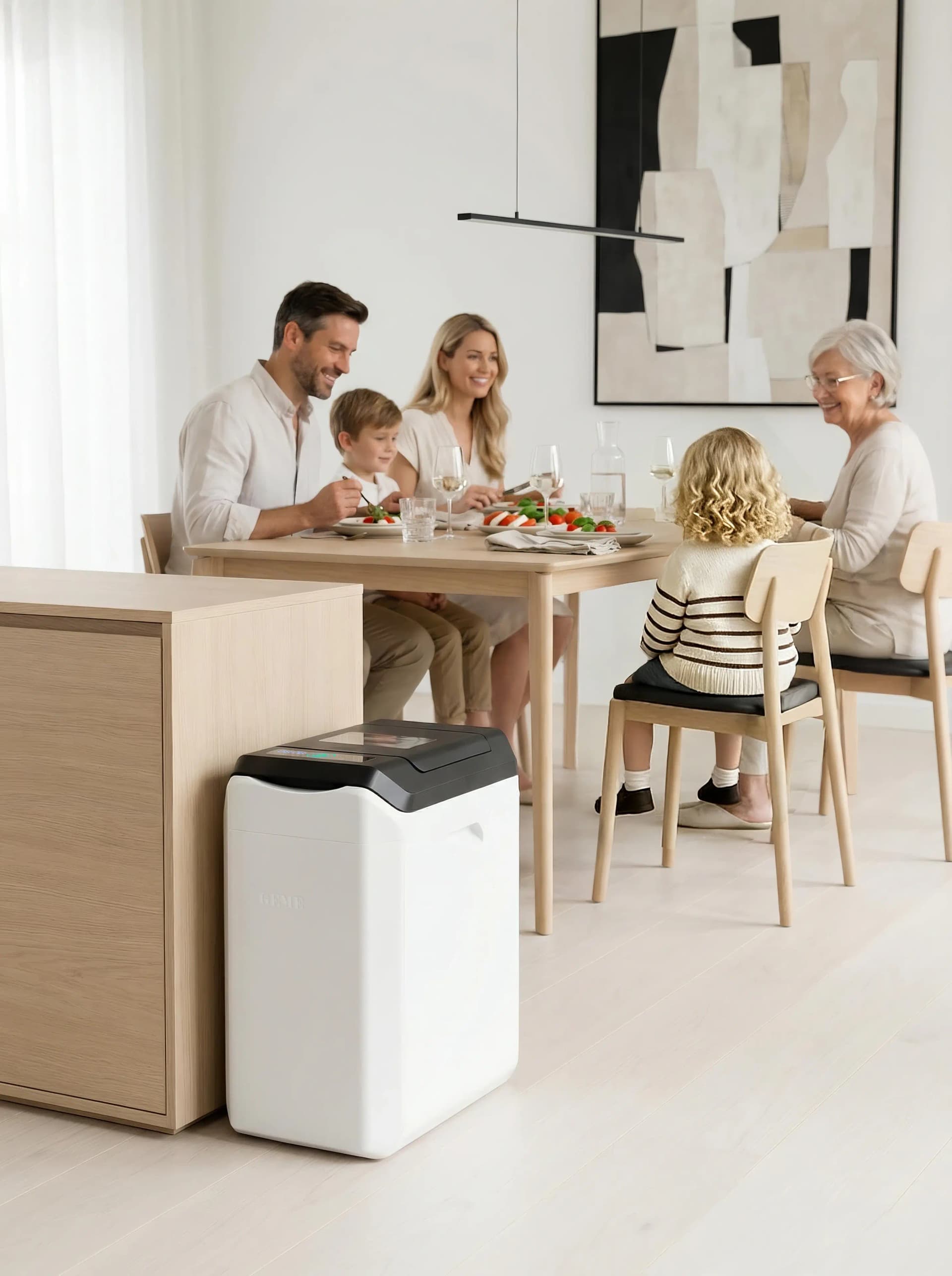
GEME Terra 2 vs Mill Composter: The 2026 Decision Guide
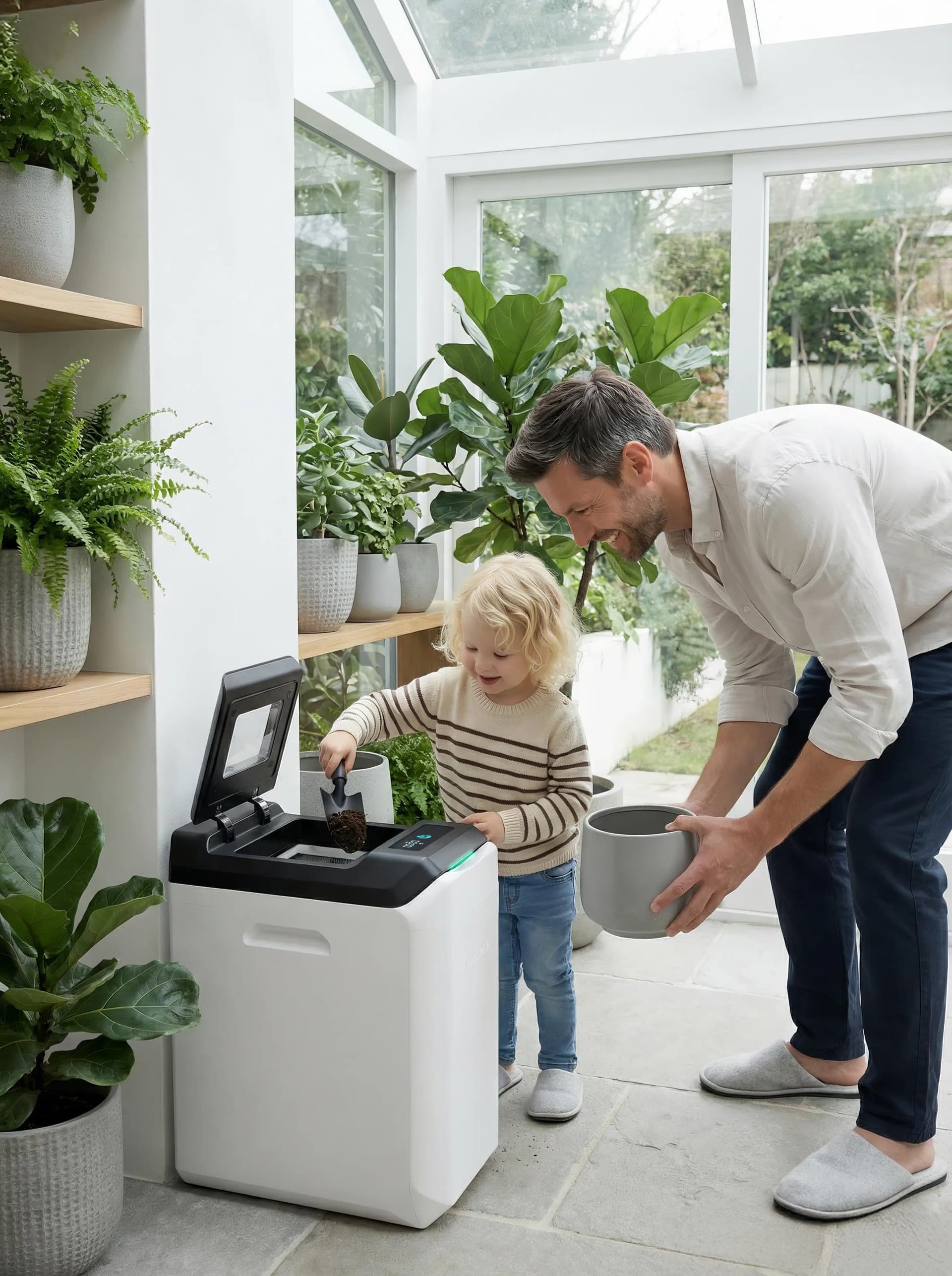
The Best Electric Kitchen Composter of 2026

Mastering the GEME Cycle: An Agronomist’s Guide to Continuous-Flow Compost Application
Geme Terra 2 vs Lomi: Which Countertop Composter Is Better for a Zero Waste Home?
Electric Compost Bin Filters Cost: GEME vs Lomi vs Mill vs Reencle
Bio-Composting Breakthroughs: GEME Terra 2 Debuts, An Easier & Smarter Way To Compost At Home
Can You Compost Bread?

Can I Compost Spoiled or Moldy Fruit Like Grapes? Here's A Practical Guide
Composting Basics: Backyard Compost Pile VS GEME Electric Composter

How Can We Make Bananas Last Longer?

How Long Do Apples Last in The Fridge? An Ultimate Guide For You to Keep Apples Fresh
The Best Kitchen Composter For Reducing Food Waste | Which One is Your Favourite?
Ready to transform your gardening game? Subscribe to our newsletter for expert composting tips and sustainable gardening advice.