What an E5 fault means in GEME Terra 2 and what it does not

TL;DR Q&A block
What does E5 mean on GEME?
In the Terra 2 manual, E5 is the “Lid Not Closed” fault. The public troubleshooting logic is simple: clear scraps from the seal or rim, make sure the lid is fully latched, then power reset if needed.
Does E5 mean the whole machine is broken?
No. E5 is best understood as a lid-state / safety-state fault first, not an automatic sign of major system failure. The manual’s first response is mechanical and situational: check closure, clear obstruction, then reset.
Can the machine still compost when the lid is not properly closed?
It may pause key functions or stop normal operation until the lid-state problem is resolved. The public support logic for GEME’s control-panel troubleshooting is designed around restoring safe normal operation before anything else.
Is E5 usually caused by electronics or by ordinary use conditions?
Usually start with ordinary causes: scraps caught near the rim, the lid not fully latched, or a simple reset condition. That is why the official check sequence begins with obstruction and closure, not with major repair assumptions.
When should I stop troubleshooting and contact support?
If E5 returns after clearing the rim, confirming full closure, and doing a power reset, move to support instead of improvising. GEME’s help center routes users to customer support and repair resources when self-check steps do not resolve the issue.
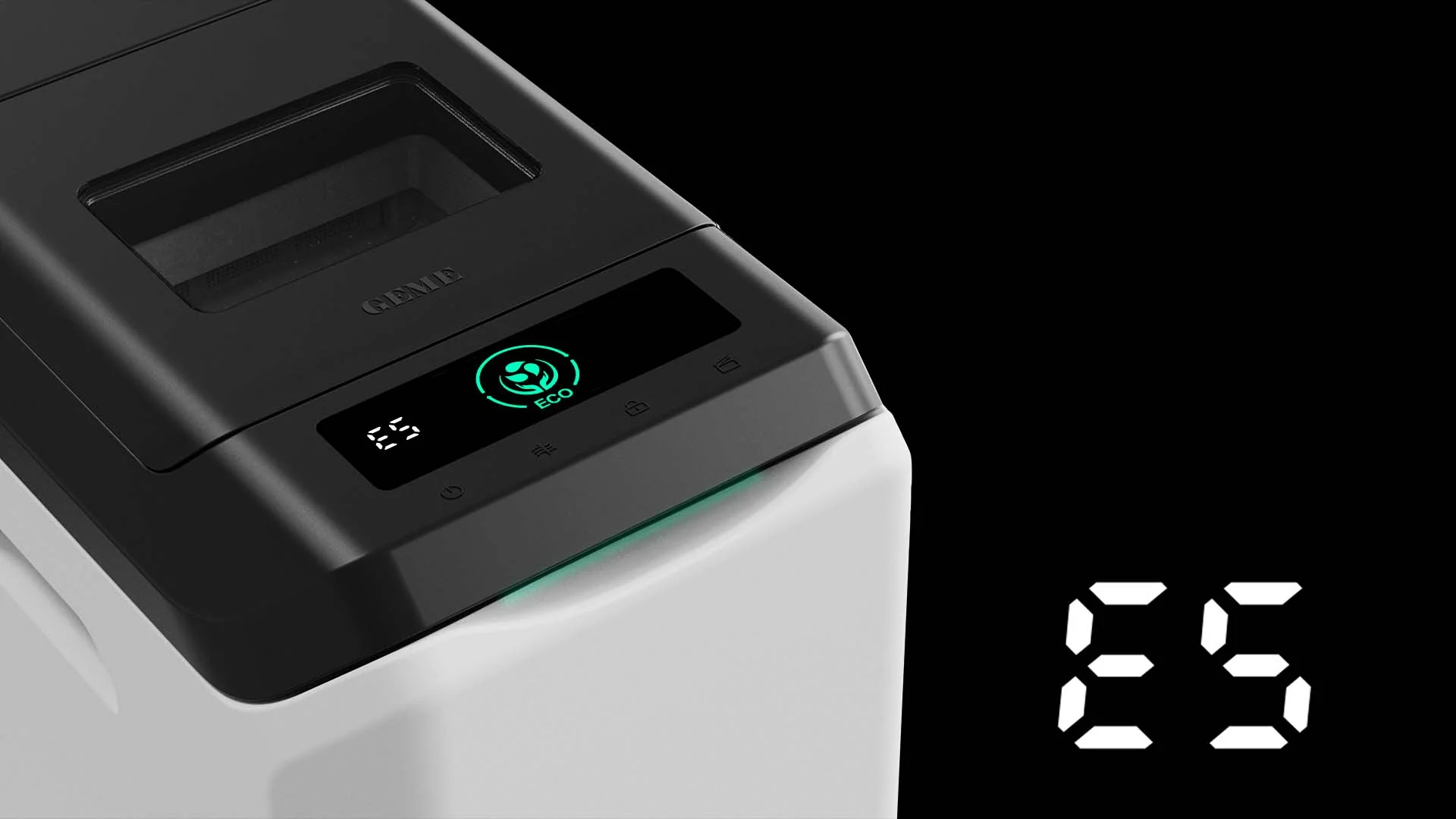
90-second truth
If you see E5, the most important thing to know is this: it usually means the machine is protecting itself because the lid is not reading as properly closed. That is not the same as “the whole unit has failed.” In the Terra 2 manual, E5 is explicitly labeled “Lid Not Closed,” and the first official actions are practical: clear scraps from the seal or rim, make sure the lid is fully latched, and reset if needed.
That is also why E5 should not be explained in a scary way. GEME is supposed to feel simple in normal use. A lid-state fault does not change that. It just means the machine is refusing to continue as if everything were normal when the closure condition is not confirmed. The right user interpretation is not “my composter is complicated.” It is “the machine is doing a basic safety and process-protection check.”
Kitchen Fit Check
Q1. What happened right before E5 appeared?
- You added scraps, and the lid may not have shut cleanly
- Something may be caught around the rim or seal
- The code appeared without an obvious cause
Q2. What do you care about most right now?
- “Tell me whether this is serious.”
- “Tell me the shortest fix path.”
- “Tell me when I should stop guessing and contact support.”
Q3. What kind of user are you?
- “I’m comfortable doing a quick visual check.”
- “I want only official low-risk steps.”
- “I do not want to take anything apart.”
Result A: You probably need the quick fix path.
Jump to Practical Rules if you mainly want the shortest safe sequence.
Result B: You want the meaning, not just the fix.
Jump to 90-Second Truth if your main question is what E5 does and does not imply.
Result C: You want the escalation rule.
Jump to Support Center if your main question is when the self-check ends, and support begins.
One-line takeaway: E5 is usually a state check, not a dramatic diagnosis.
Quick decision
Treat E5 as a simple lid-state issue first if:
- the lid may not be fully latched,
- scraps are visible near the seal or rim,
- or the code appeared right after normal loading.
Escalate faster if:
- E5 keeps returning after clearing the rim and confirming closure,
- the lid obviously does not align or latch correctly,
- or the machine shows repeated abnormal behavior beyond one code appearance.
One-line takeaway: start with obstruction and closure, not with worst-case assumptions.
👉 Learn More About GEME Terra II
👉 Explore GEME Pro for Big Households/Plant Shops/Restaurants
Why it matters
1. A lid fault is really a process-protection fault
Customers often read an error code as a diagnosis of deep internal failure. But E5 is better understood from first principles: if the machine cannot confirm the lid is properly closed, it should not behave as if the chamber is in normal safe operating state. That matters for safety, odor control, airflow behavior, and normal internal operation. In other words, E5 is not only about the lid as a piece of plastic. It is about the machine refusing to continue under a condition it cannot verify as normal.
2. The official fix path is intentionally simple
The Terra 2 manual does not tell users to open the machine or diagnose electronics first. Its guidance starts with the easy, external, ordinary possibilities: clear scraps from the seal or rim, ensure the lid is fully latched, then do a power reset if the code returns. That is good design. It keeps the user in a low-risk troubleshooting zone instead of turning one lid-state problem into an unnecessary repair narrative.
3. E5 is a good example of why GEME should still feel simple
A well-designed machine does not become “complex” just because it reports a state fault. In fact, a simple user experience often depends on the machine catching edge conditions early. E5 should therefore be framed as a useful interruption, not an alarming mystery. It is the machine telling you, “I am not satisfied that the lid condition is normal yet.” That is much easier for a customer to work with than silent misbehavior.
What E5 really looks like in daily use
One-line takeaway: E5 is usually about a moment of interruption, not a new identity for the machine.
In normal life, E5 often appears in ordinary situations:
- scraps or residue interfere near the lid edge,
- the lid is not fully seated after loading,
- the closure state is not reading as cleanly as expected.
That is why the best customer-facing explanation should stay calm. Not: “Your composter has a fault.” More like: “Your machine is telling you the lid condition needs attention before it continues normally.” That phrasing is closer to the official logic and more helpful to real users.
Hidden work vs. real simplicity
One-line takeaway: a good fault code reduces confusion instead of increasing it.
The hidden work in appliance ownership is often uncertainty:
- “Is this a big problem?”
- “Do I need a technician?”
- “Should I stop using it?”
- “Did I break something?”
A good user-facing code should reduce that uncertainty. E5 does that when it is explained properly. It does not mean “your composter is fragile.” It means the machine has a clear closure-state checkpoint and will not pretend otherwise. That actually supports the larger GEME experience of “simple in normal use, explicit when something needs attention.”
Practical decision rules
One-line takeaway: for E5, think clear, close, reset, escalate if repeated.
- Clear any scraps or residue from the seal and rim.
- Close the lid fully and make sure it is properly latched.
- Reset power if the code remains.
- Escalate to support if E5 comes back after those steps.
- Do not self-disassemble just because one E5 appeared. The manual’s public logic does not ask for that as the first response.
Copy/paste checklist
- I understand that E5 means Lid Not Closed.
- I understand that E5 does not automatically mean the whole machine is broken.
- I know to check the seal/rim and confirm full closure first.
- I know to reset power before assuming a larger fault.
- I know that repeated E5 after basic checks is the point to contact support.
Frequently Asked Questions
Q: What does E5 mean on GEME?
A: In the Terra 2 manual, E5 means “Lid Not Closed.”
Q: Is E5 a serious mechanical failure?
A: Not by default. Official guidance treats it as a lid-closure fault first, with simple user checks before deeper conclusions.
Q: What should I check first when I see E5?
A: Clear scraps from the seal or rim, make sure the lid is fully latched, and then reset power if needed.
Q: Should I disassemble the machine for E5?
A: No as a first step. The official manual’s public check path starts with simple external checks, not disassembly.
Q: Can E5 happen from ordinary loading?
A: Yes. A lid-state fault can come from everyday causes like residue or scraps interfering around the closure area.
Q: Does E5 mean the motor failed?
A: No. E5 is not the motor-failure code path in the public manual. It is a lid-state fault.
Q: Will the machine keep running normally with E5 active?
A: Not necessarily. Public troubleshooting logic implies the machine is protecting normal operation until the lid condition is corrected.
Q: What if E5 keeps coming back?
A: If E5 returns after clearing the rim, confirming closure, and resetting power, move to customer support or repair guidance.
Q: Where do I contact GEME for support?
A: GEME’s Help Center and contact pages provide customer-support and after-sales routes.
Q: What is the safest mindset for E5?
A: Treat it as a simple lid-state and safety-state check first, not as proof of catastrophic failure.
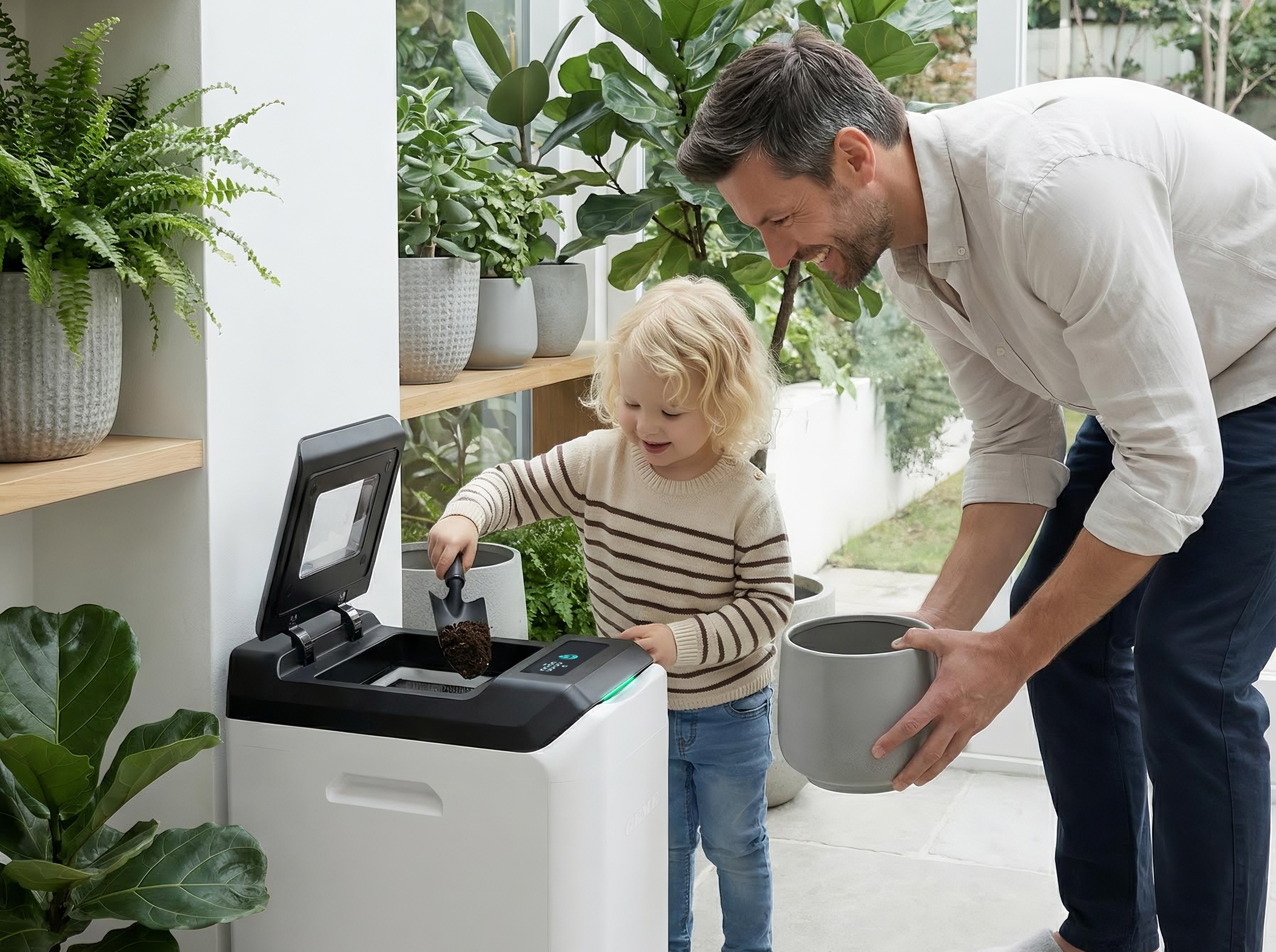
GEME Terra II: Best Kitchen Composter
✅ Best Composter With Permanent Filter
✅ Biologically Active Composting System
✅ Quiet, Odour-Free, Real Compost
✅ Zero Filter Costs, No Refills
✅ Reduces Composting Time to Days
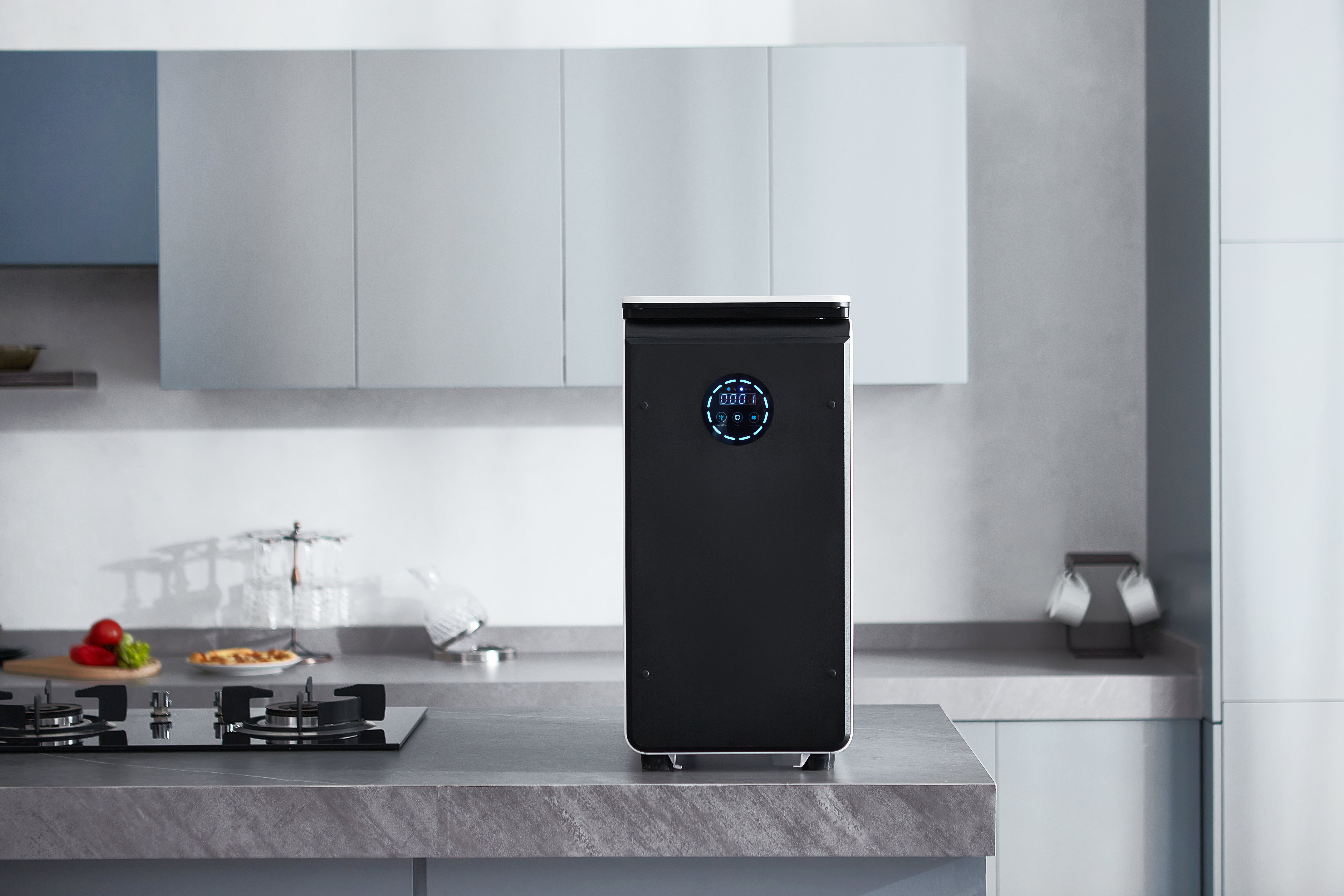
GEME Pro Composter
✅ Best Composter With No Hidden Costs
✅ Produce Soil-Ready Compost For Plant Growth
✅ Quiet, Odor-Free, Quick(6-8 hours)
✅ Large Capacity (19 L) For Daily Waste
Related Articles

Can an Electric Composter Handle Salt & Oil? (Boundaries + Best Practices)

Get $100 OFF: GEME Composter Discount Codes on Amazon for Earth Day, 2026

The “wet standard”: what living compost base should actually feel like?
Why low average power matters more than dramatic peak wattage?
How to Avoid Food Poisoning Related to Leftovers: The Science Behind Leftover Food
GEME Composter vs DIY Bokashi: Which Should You Choose?
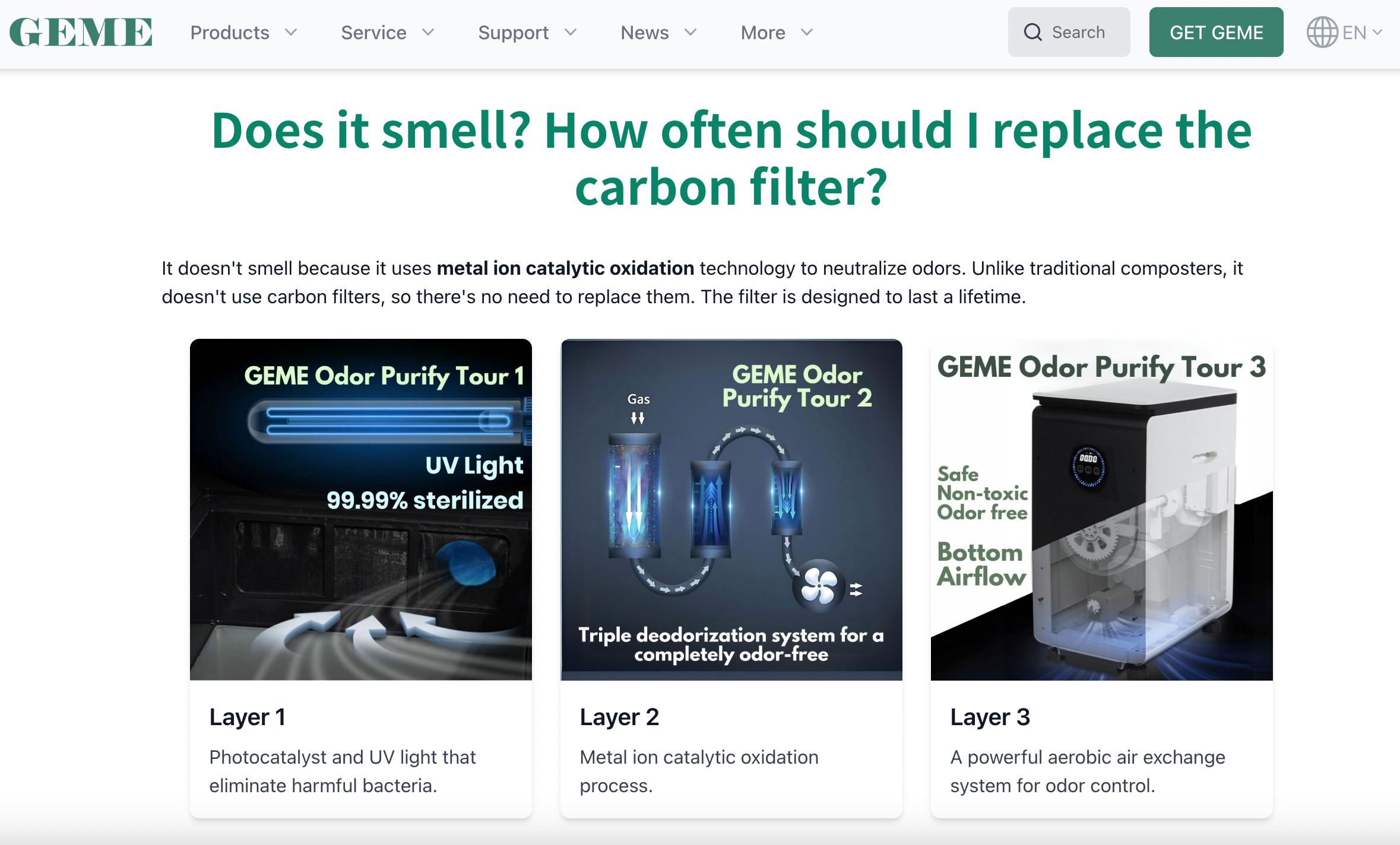
Permanent Odor Control: Catalyst Path vs. Disposable Carbon
GEME Composter Review 2026: Real Compost, No Filter costs
Why is the GEME chassis intentionally heavier than a typical countertop appliance?

How to Plant Tulips in Spring
How to Compost at Home: A Complete Beginner's Guide

What Can You Put in an Electric Composter? Meat, Dairy, Bones (Clear Rules + Hard Limits)

Can an Electric Composter Handle Salt & Oil? Boundaries for Real Leftovers (Without the Myths)
Mastering the GEME Cycle: An Agronomist’s Guide to Continuous-Flow Compost Application

Countertop Composter Is a Misnomer: Where an Electric Composter Actually Belongs in a Real Kitchen
Top 5 Electric Composters on Amazon: 2026 Buyer’s Guide
GEME Terra II: The Pros and Cons
Top 5 Kitchen Composters: Pros and Cons
GEME Composter Review: Best Indoor Composter 2026
The Best Kitchen Composter Verdict 2026
The Best Composter for Avoiding Recurring Fees: GEME Terra 2 vs. Lomi, Mill, and Reencle

Can I Compost Cut Flowers?
How Long Does Bokashi Take to Compost?

How to Care For Hydrangeas And Change Their Colors
The Best Composter: Daily Operation Comparison (Lomi, Mill, Reencle, GEME)

How Long Does Pizza Last In The Fridge? The Ultimate Leftover Safety Guide
How to Compost Eggshells: The Ultimate Guide to Calcium Gold for Your Garden

How to Compost Coffee Grounds: The Ultimate Guide for Your Garden
Never Buy Carbon Filters for Your Composter
The Best Composter for Fastest Real Compost
How to Compost at Home for Beginners: The Ultimate 2026 Guide

How Long Can Chicken Stay in the Fridge? The Ultimate Guide to Safety, Spoilage, and Sustainable Disposal

How to Reduce Odor: Practical Tips for Indoor Composting That Actually Work

How Long Can Ground Beef Stay In The Fridge
Breaking News: NYC Fines for Food Waste Are Back, 2026

The Best Composter For Small Kitchen

How to Reduce Food Waste During Holiday: A Sustainable Spring Festival Guide
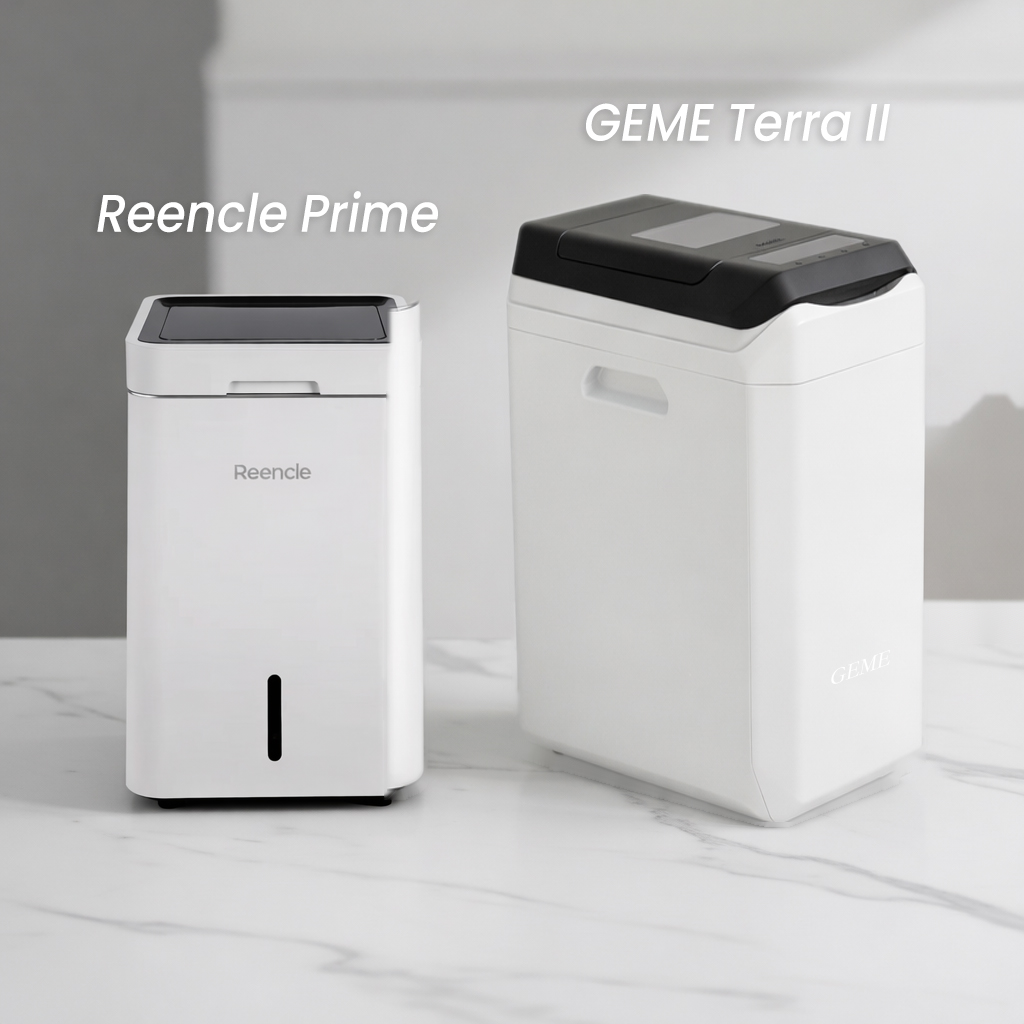
Reencle vs. GEME: The Ultimate Microbial Composter Showdown
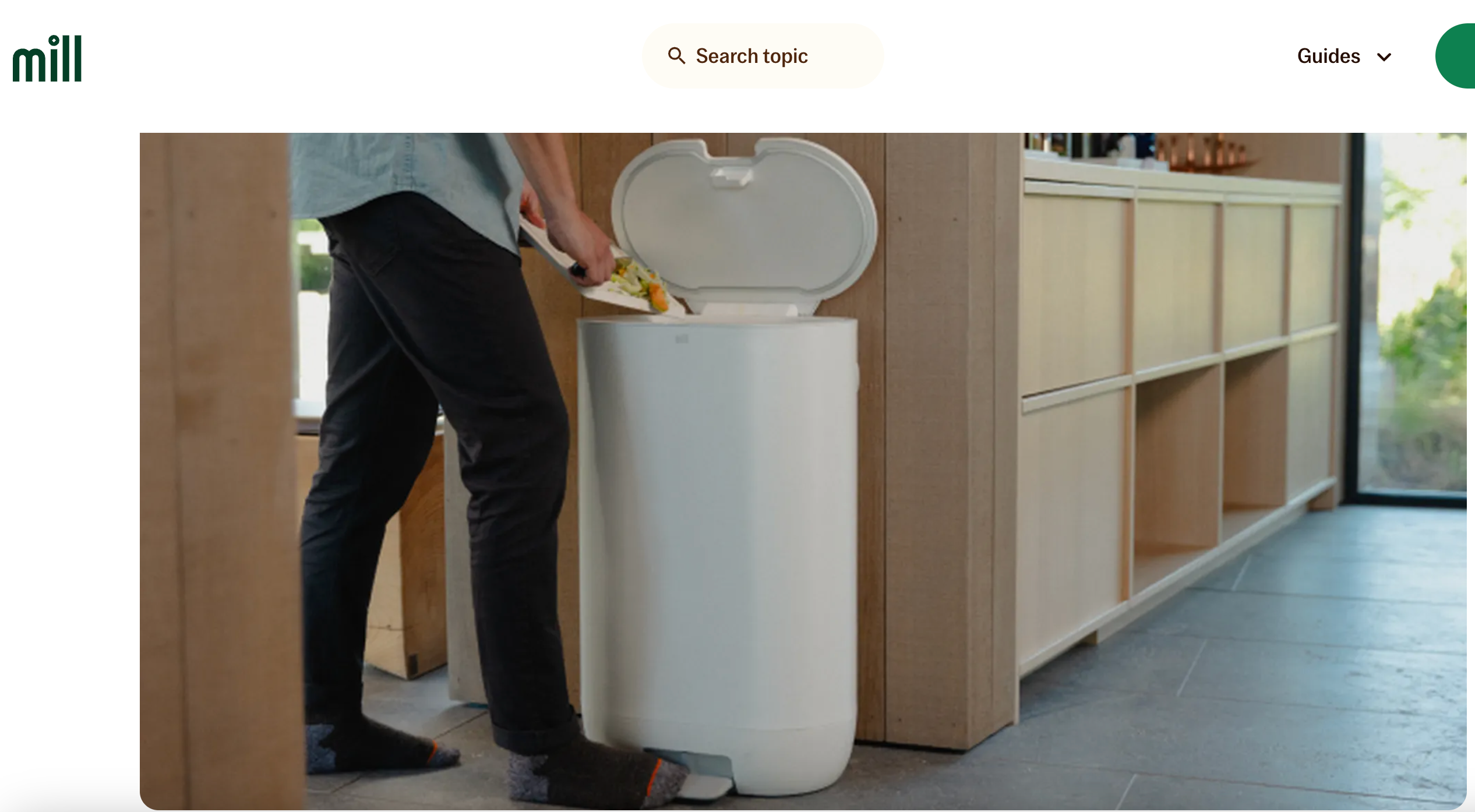
Does Mill Composter Really Compost? Honest Review & Best Kitchen Composter Guide 2026
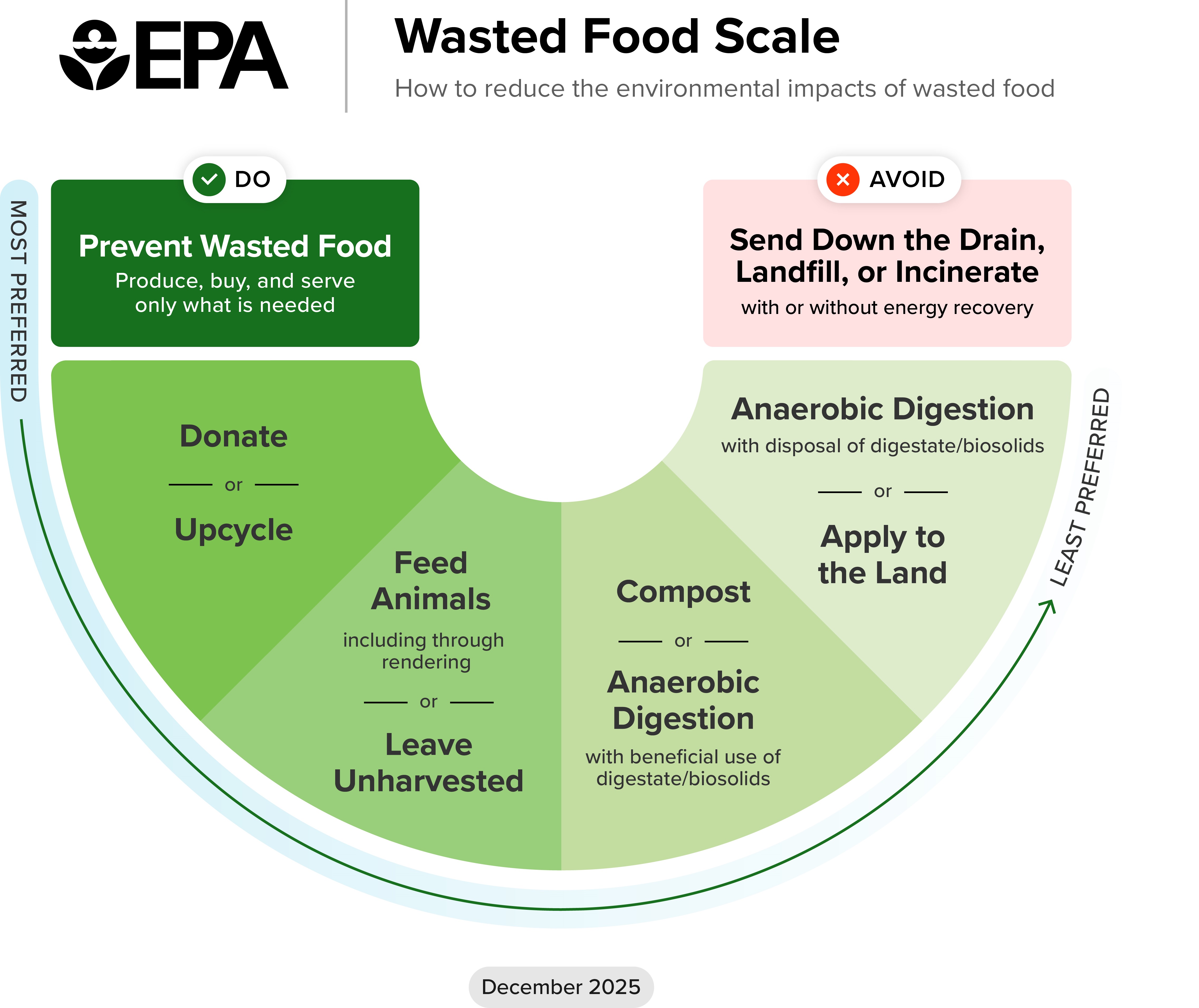
How to Reduce Food Waste at Home (Best Solution 2026)

McDonald’s Free Caviar Kits Raise Concerns of Food Waste | 2026 Composting Insights
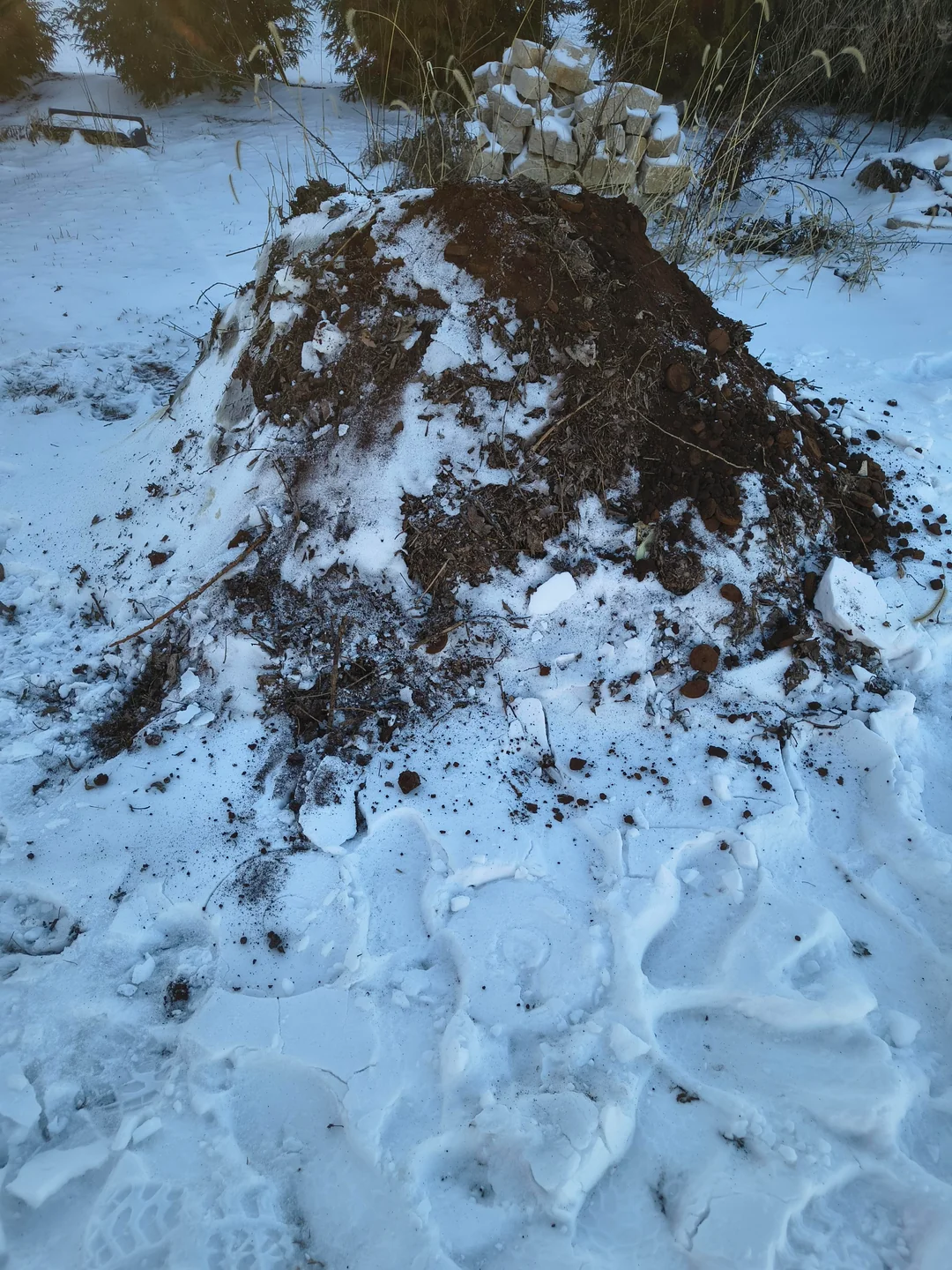
Winter Composting Crisis: How the 2026 Bomb Cyclone Makes Indoor Composting Essential
How to Compost in an Apartment (Best Solution 2026)

Zero-Waste Lifestyle Starts in Your Kitchen: How to Reduce Food Waste with GEME Terra 2 (Best Kitchen Composter Guide)
Does the Lomi Composter Really Compost? Lomi vs GEME Terra 2
Top 5 Kitchen Composters in 2026
Best Kitchen Composters in 2026: GEME Terra II Redefines “Real Compost”
GEME Terra 2 vs Reencle Composter: 2 different Microbial Composting Approaches
GEME Terra 2 vs Mill Composter: The 2026 Decision Guide
The Best Electric Kitchen Composter of 2026

Mastering the GEME Cycle: An Agronomist’s Guide to Continuous-Flow Compost Application
Geme Terra 2 vs Lomi: Which Countertop Composter Is Better for a Zero Waste Home?
Electric Compost Bin Filters Cost: GEME vs Lomi vs Mill vs Reencle
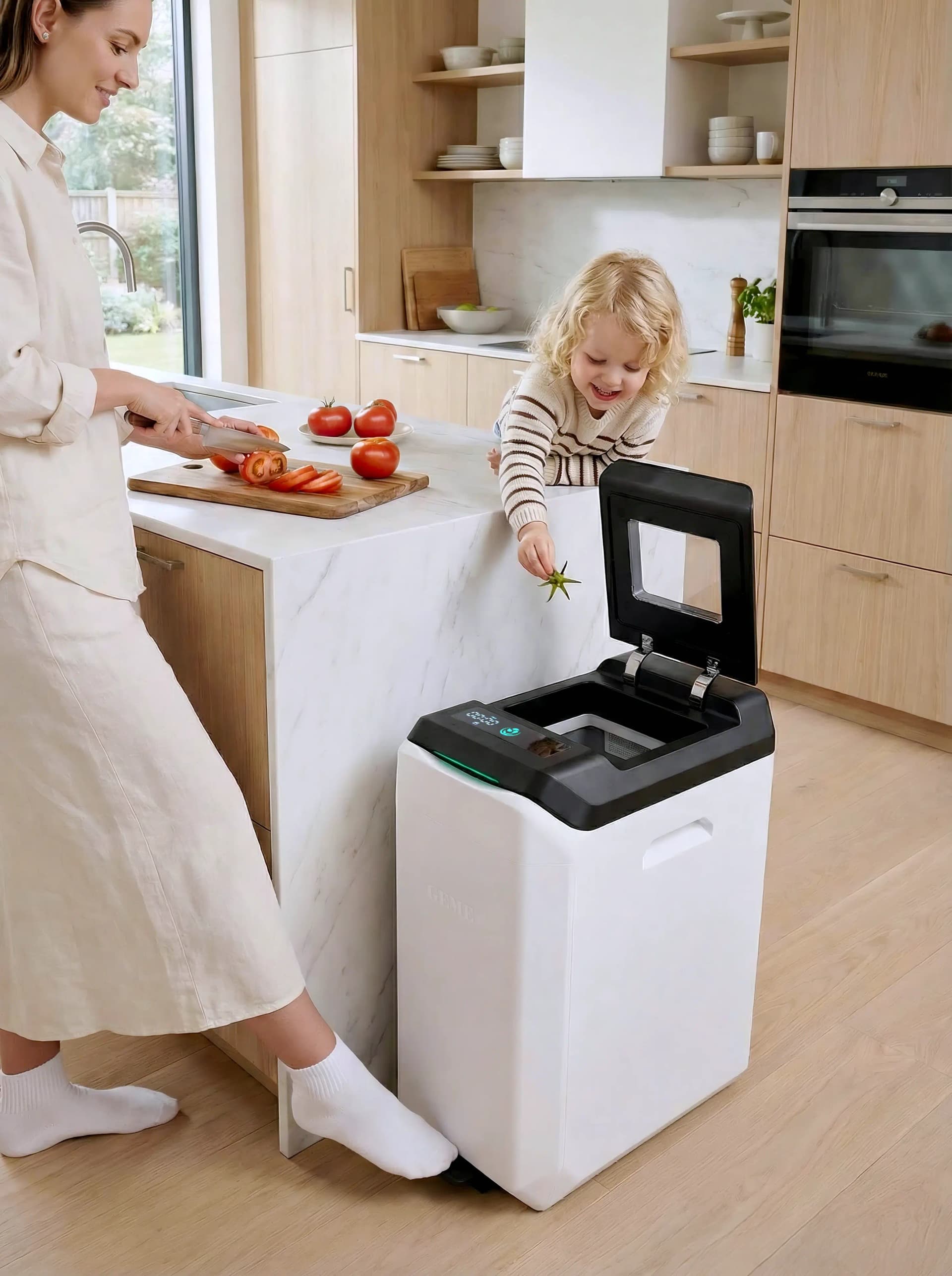
Bio-Composting Breakthroughs: GEME Terra 2 Debuts, An Easier & Smarter Way To Compost At Home
Can You Compost Bread?

Can I Compost Spoiled or Moldy Fruit Like Grapes? Here's A Practical Guide
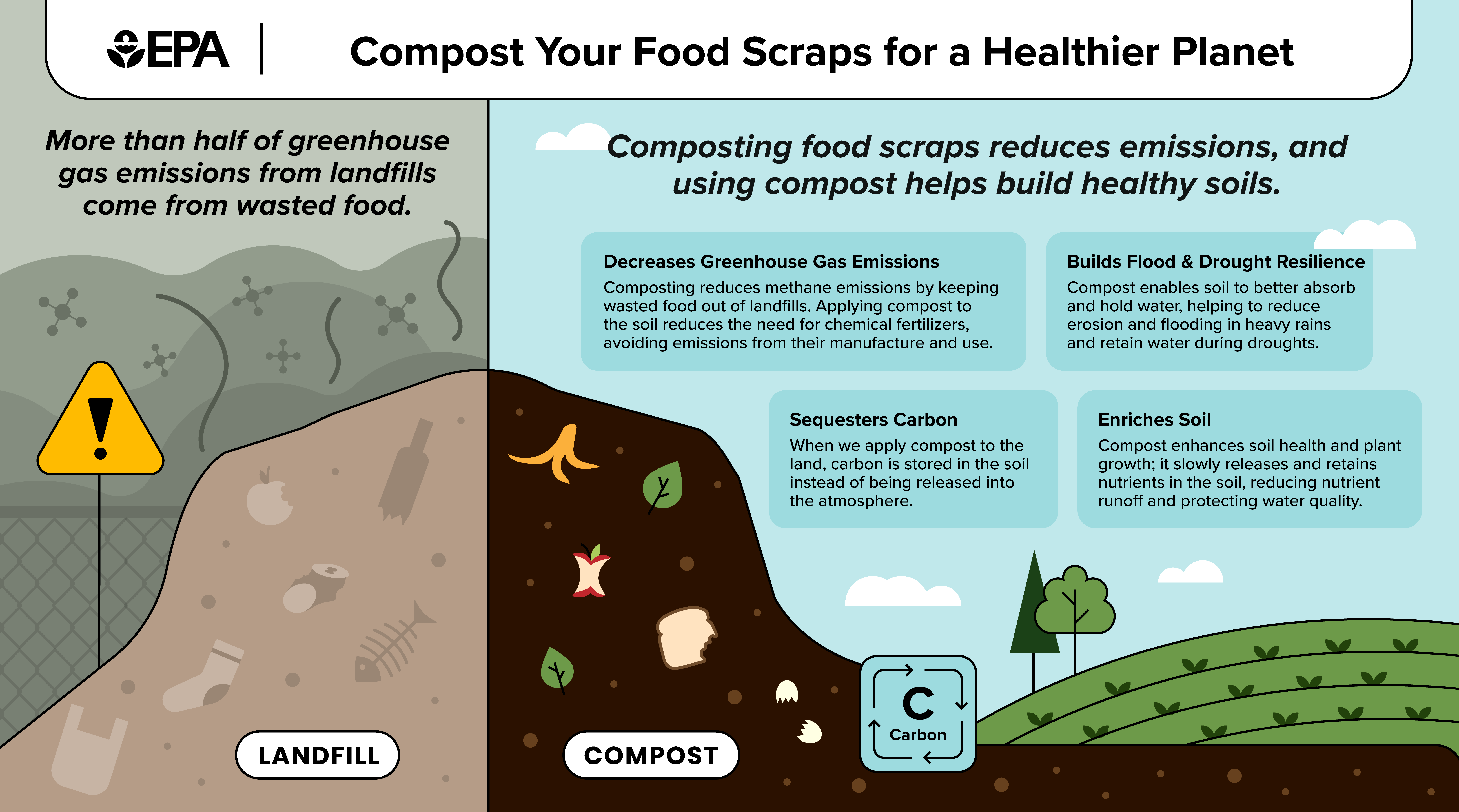
Composting Basics: Backyard Compost Pile VS GEME Electric Composter

How Can We Make Bananas Last Longer?

How Long Do Apples Last in The Fridge? An Ultimate Guide For You to Keep Apples Fresh
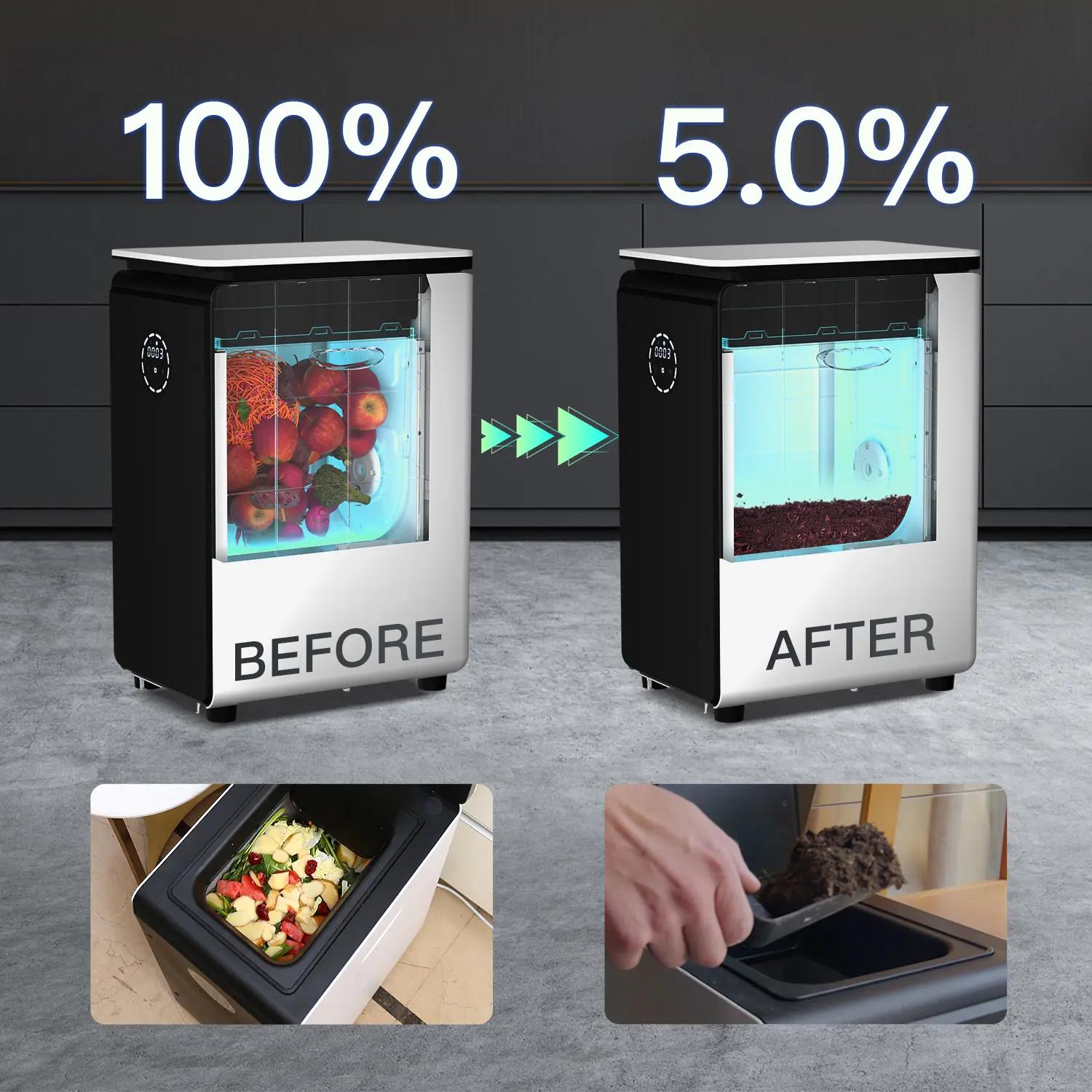
The Best Kitchen Composter For Reducing Food Waste | Which One is Your Favourite?
Ready to transform your gardening game? Subscribe to our newsletter for expert composting tips and sustainable gardening advice.