Can I Compost Cut Flowers?
Introduction: That Bouquet You've Been Ignoring
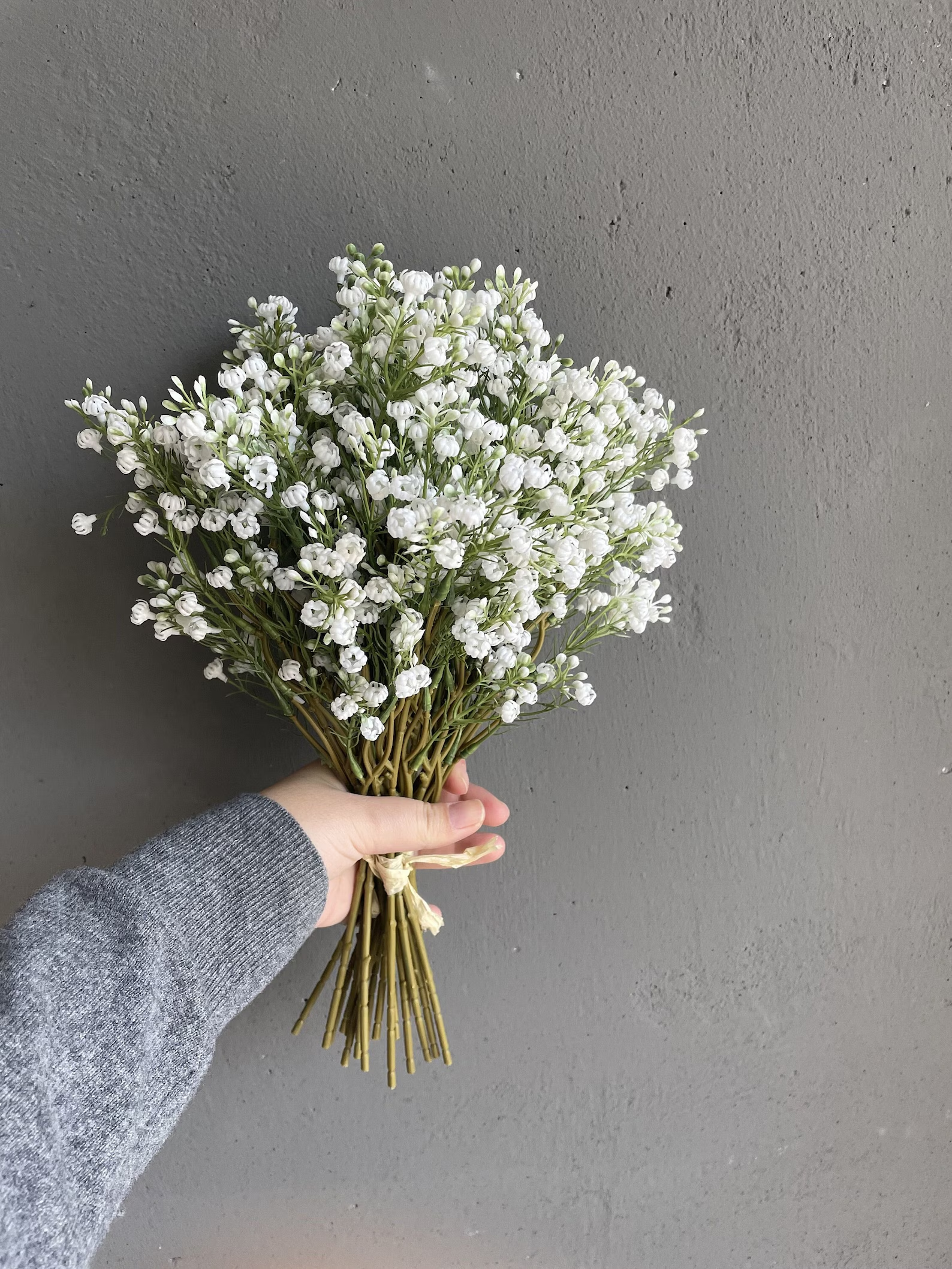
We've all been there. That gorgeous bunch of flowers someone gave you two weeks ago? They're now drooping over the side of the vase, looking sad and sorry. The water's murky. Petals are scattered on the table. And you keep walking past thinking, "I really need to deal with that."
When you finally muster the courage, your first instinct is probably just to dump the whole mess in the trash. It's easy. It's quick. But here's the thing: those sad flowers aren't garbage. They're actually some of the best compost materials you'll ever get your hands on.
The question "Can cut flowers be composted?" has a really simple answer. Yes, absolutely yes. Those petals, stems, and leaves are all organic matter that wants to return to the earth. The University of Florida IFAS Extension actually lists flowers right there on their "what you can compost" list. The same goes for the City of Edmonton and a bunch of local councils across the UK and Australia.
But here's where it gets tricky. If you've ever tried tossing flowers into a backyard compost bin, you probably learned a hard lesson. That bin starts to smell like a swamp. Flies show up like it's a party. And weeks later, you open it up, and those same stems are still sitting there mocking you.
That's the part nobody talks about. Traditional compost bins turn fresh flowers into stinky fly magnets. The moisture from the stems, the sweetness from the petals... It's basically an invitation for every bug in the neighborhood to move in. But there's a better way. And honestly, it's so much easier, you'll wonder why you ever dealt with the stink in the first place.
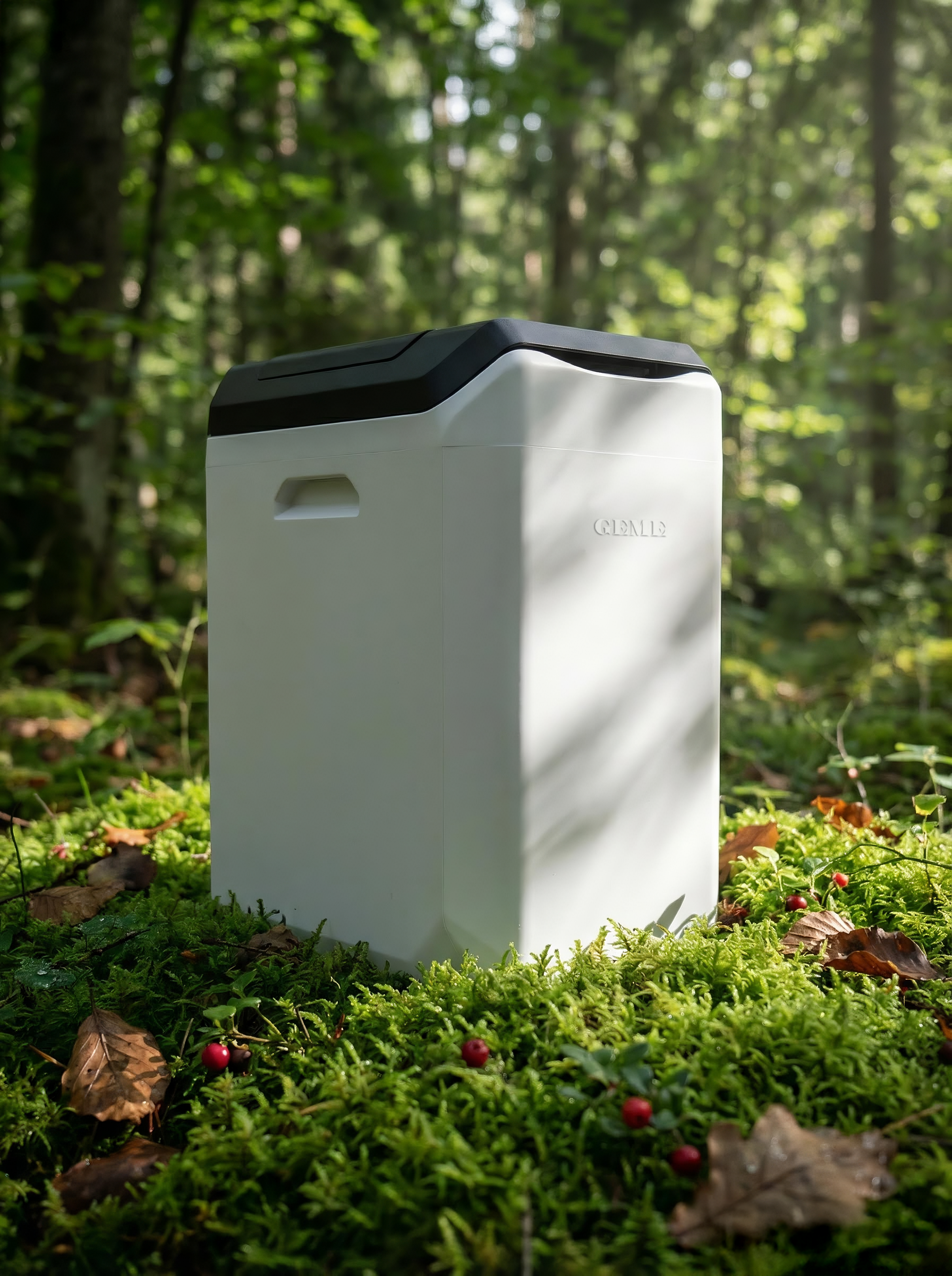
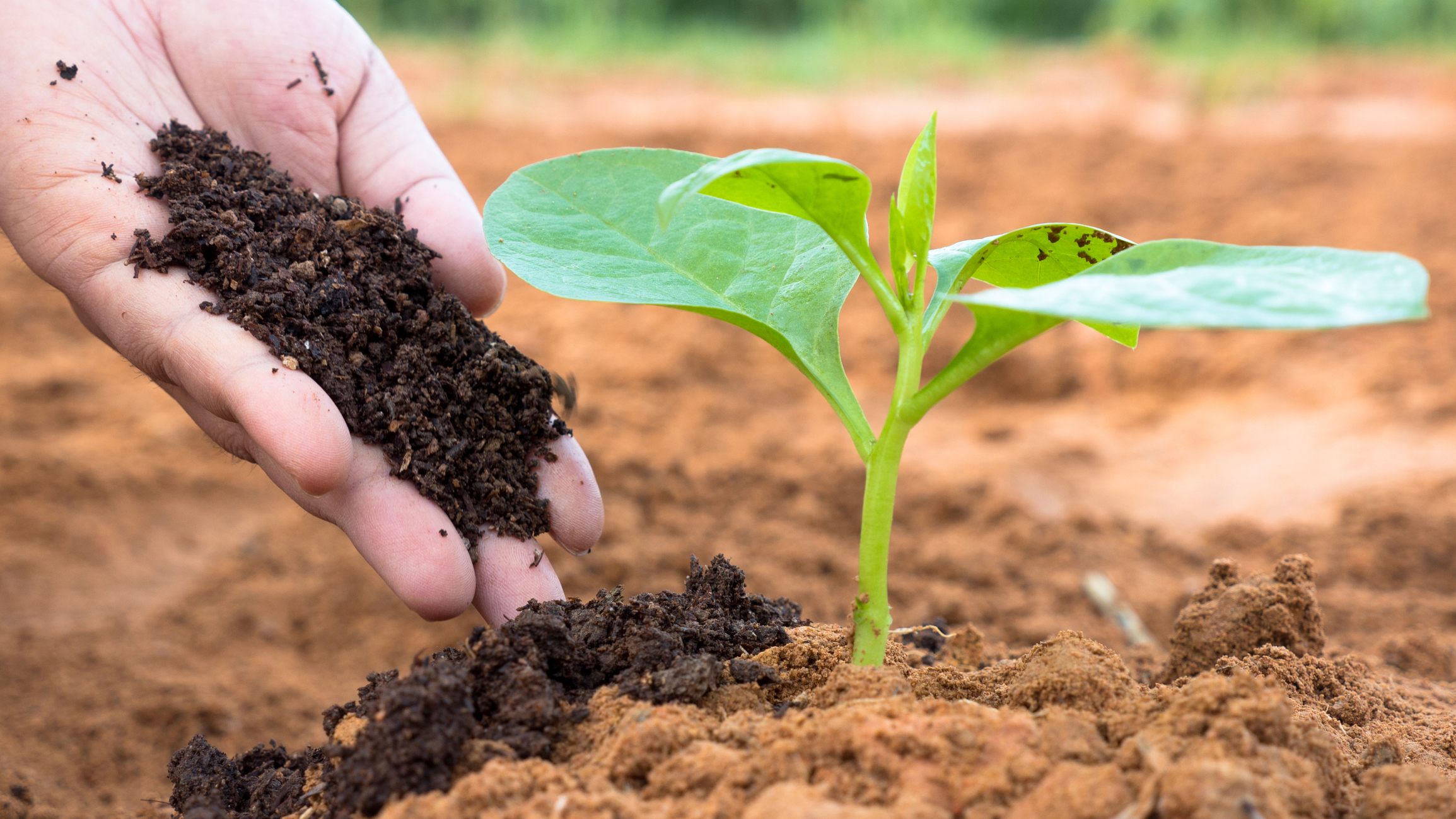
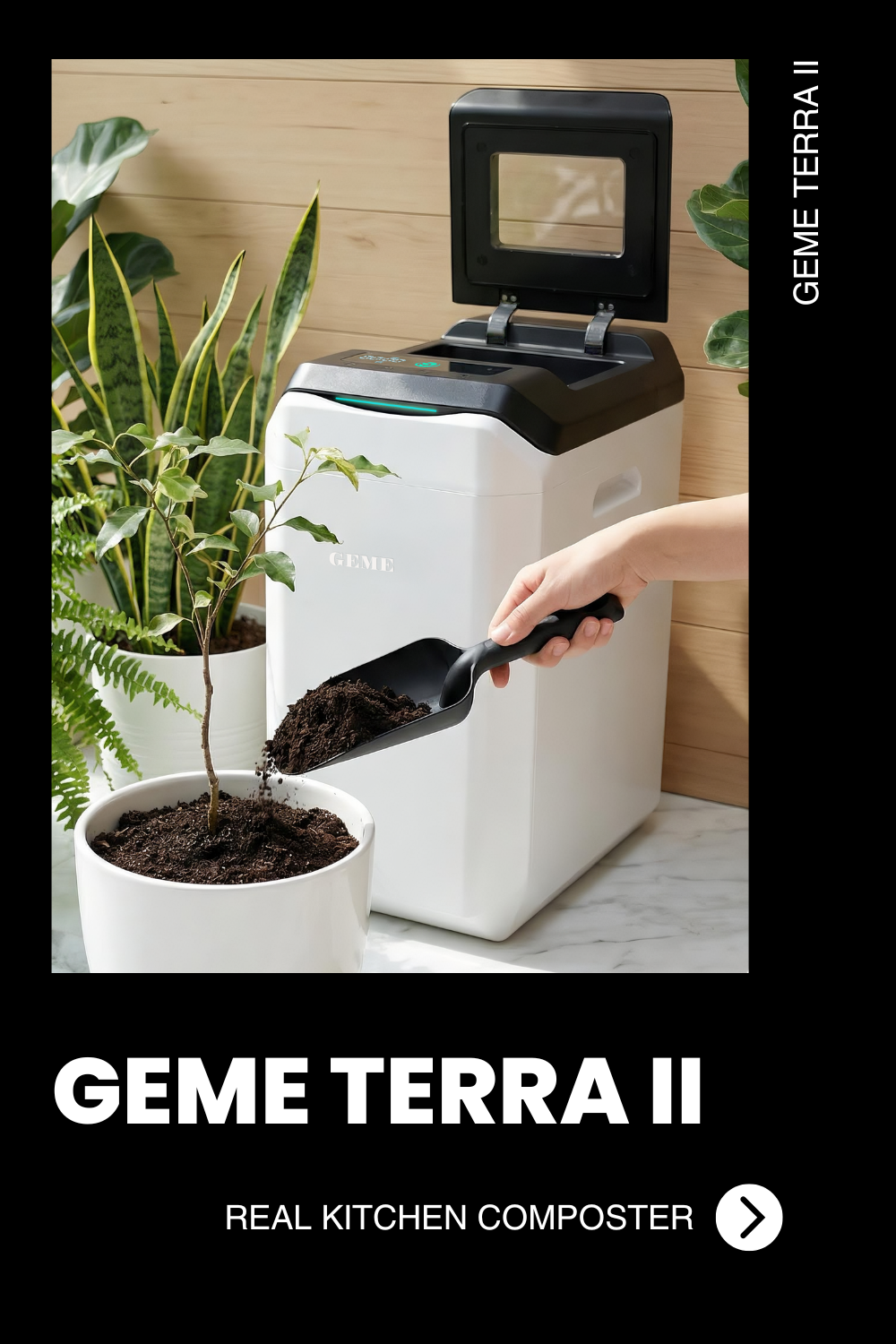
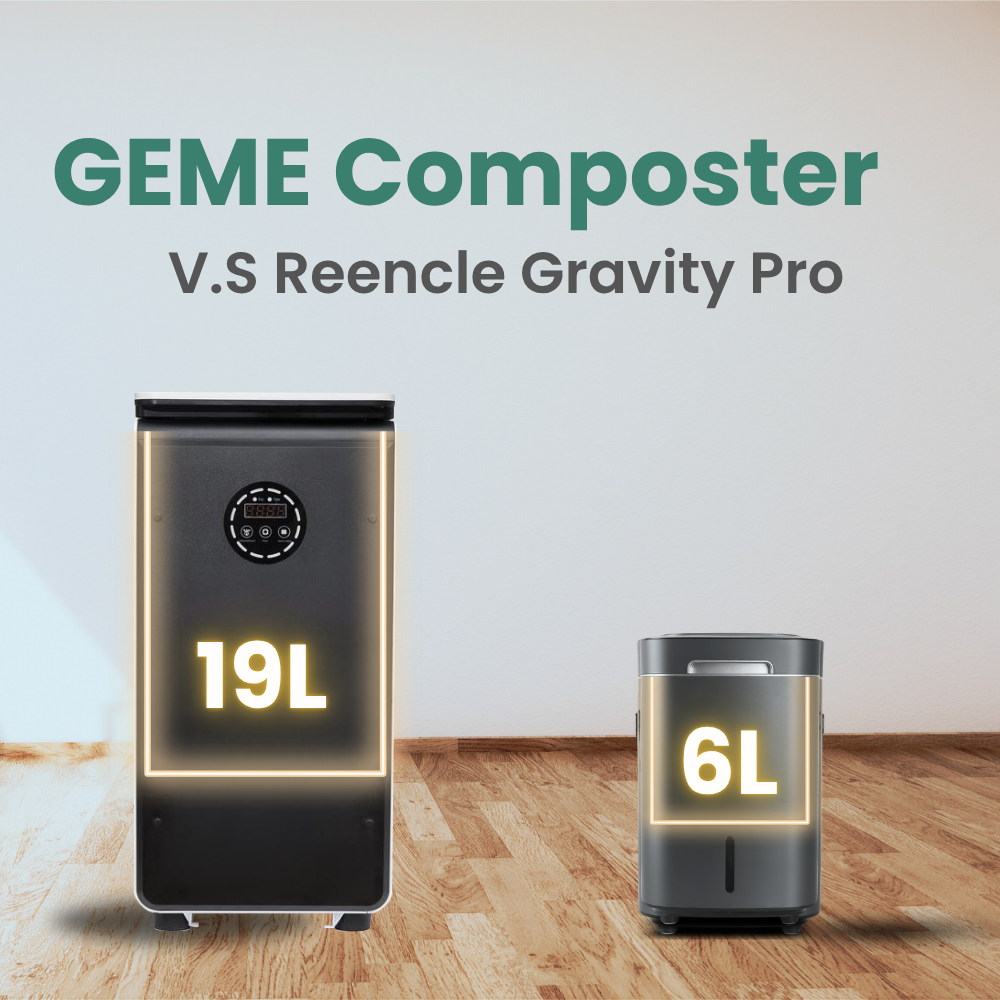
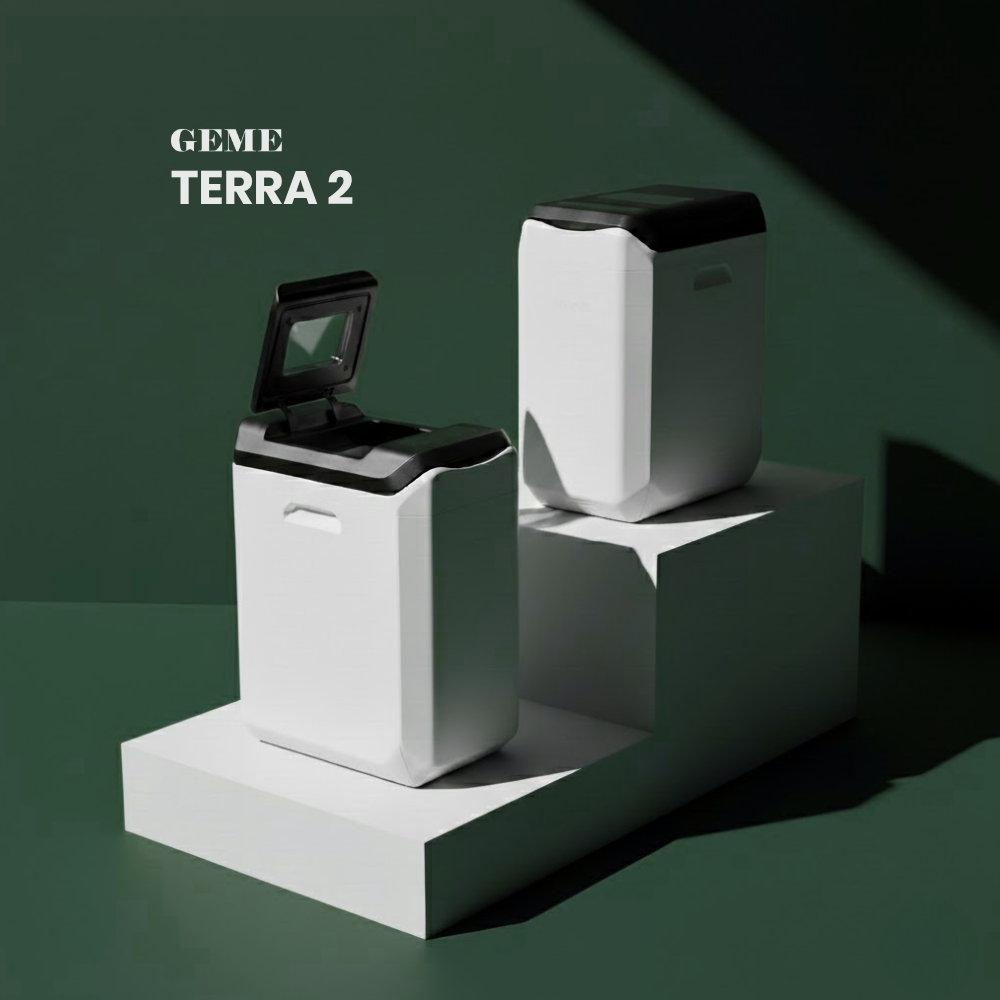
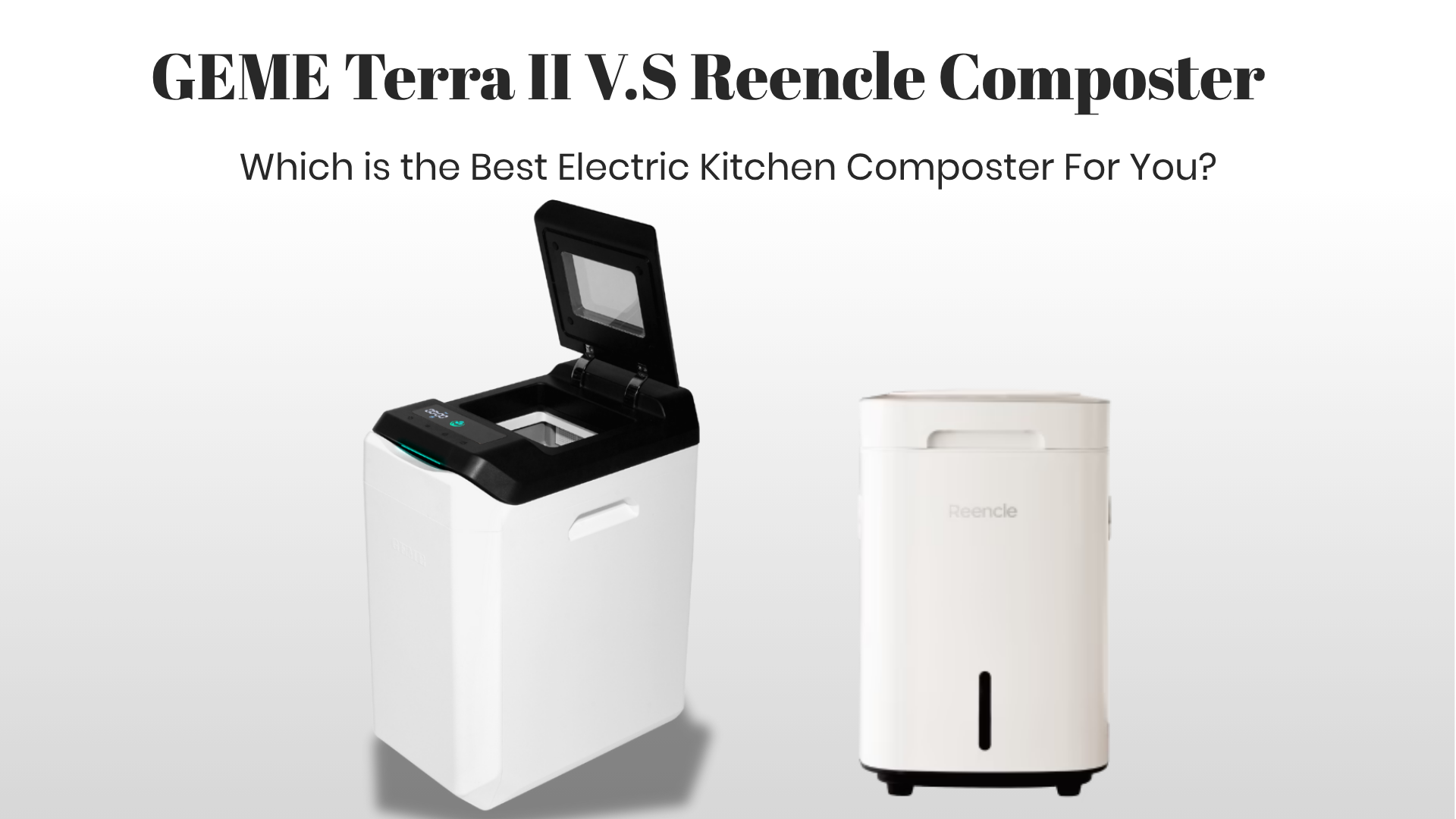
In this guide, I'll walk you through everything you need to know about composting cut flowers. The right way to prep them, how long different methods take, why backyard bins fail, and how the GEME Terra II turns your wilted bouquet into usable compost in hours instead of months.