36 posts tagged with "Compost"

Compost and how to make it and use it

View All Tags

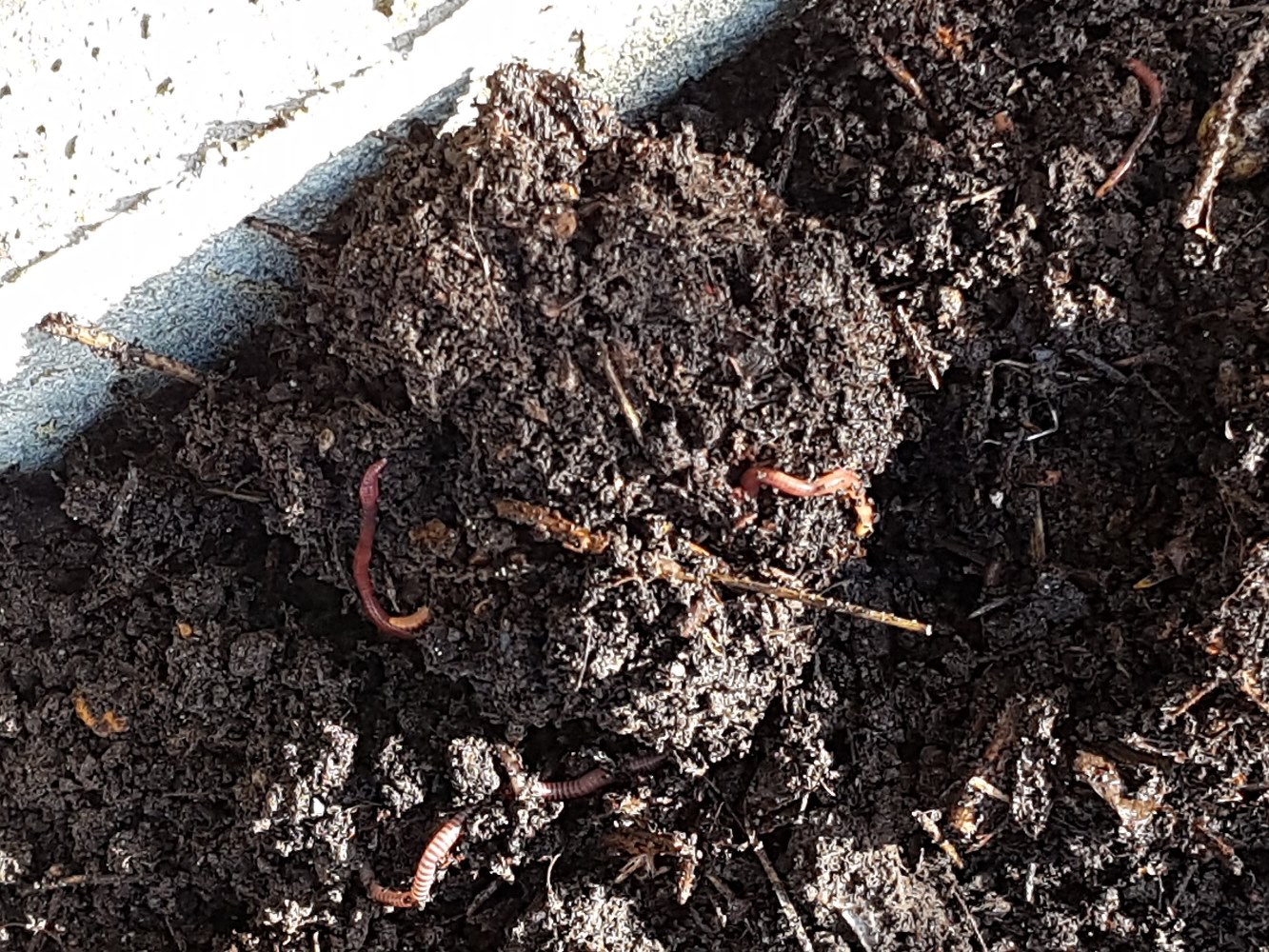
How Long Does Bokashi Take to Compost?

· 10 min read
Moore
Moore
Tech Writer, Meteorology Journalist, Gardening Lover

Introduction

Bokashi composting is often presented as a fast and convenient way to process kitchen scraps, especially in homes where space is limited or where conventional outdoor composting is impractical. Yet the question “How long does bokashi take to compost?” does not have a single simple answer unless the process is defined carefully.

In common usage, people often say that bokashi takes about two weeks. That statement refers only to the sealed fermentation stage after the bokashi bucket has been filled. In a fuller and more accurate sense, however, the fermented material usually needs another two to four weeks in soil, a trench, a soil factory, or an active compost system before it becomes fully integrated into the surrounding organic matrix. This means the complete Bokashi Composting Timeline is usually better described as a multi-stage process of roughly four to six weeks after the bucket is full, not merely a 14-day treatment.

This distinction matters because bokashi compost is often misunderstood. The material removed from a bokashi bin typically does not look like finished, crumbly, dark aerobic compost. It often still resembles the original scraps. That does not mean the process has failed. Rather, it reflects the fact that bokashi composting is based on fermentation in a low-oxygen environment, not on the same biological pathway as conventional hot composting.

A neutral explanation therefore needs to clarify three things at once: what bokashi is, what stage people are timing when they discuss bokashi, and why fermented bokashi material is not always identical to mature compost in the ordinary backyard sense. This article addresses all three points and explains the full Bokashi Composting Timeline in a reference-style format.

Bokashi Composting

How to Care For Hydrangeas And Change Their Colors

· 15 min read
Moore
Moore
Tech Writer, Meteorology Journalist, Gardening Lover

Introduction: The Magic of Hydrangeas

Have you ever walked past a stunning garden and noticed hydrangeas blooming in brilliant blues, soft pinks, and deep purples, sometimes all on the same plant? It looks like magic, but it's actually science.

Hydrangeas are nature's pH meter. These remarkable shrubs can change their flower colors based on the chemistry of your soil. For gardeners, this means you have the power to paint your garden in the colors you desire, simply by understanding and adjusting your soil's acidity.

But here's the catch: not all hydrangeas can change color. And even among those that can, the process requires patience, knowledge, and the right soil amendments.

In this comprehensive guide, we'll cover everything you need to know about how to care for hydrangeas and unlock their color-changing potential. You'll learn:

  1. Which hydrangea varieties can change color, and which cannot

  2. The science behind blue hydrangea flowers and pink hydrangeas

  3. How to create purple hydrangea blooms (the perfect middle ground)

  4. Natural methods using coffee grounds and eggshells to adjust soil pH

  5. How GEME Terra 2 transforms your kitchen scraps into powerful, soil-enhancing compost

Whether you're a seasoned gardener or just starting your hydrangea journey, this guide will give you the confidence to care for these magnificent plants and unlock their full color potential.

Blue Hydrangea Flowers

How to Compost Eggshells: The Ultimate Guide to Calcium Gold for Your Garden

· 14 min read
Moore
Moore
Tech Writer, Meteorology Journalist, Gardening Lover

Introduction: Save The Eggshells

You just made an omelet. The eggs are gone, but you're left with two empty halves staring at you from the cutting board. What do you do? If you're like most people, they go straight in the trash.

Stop right there.

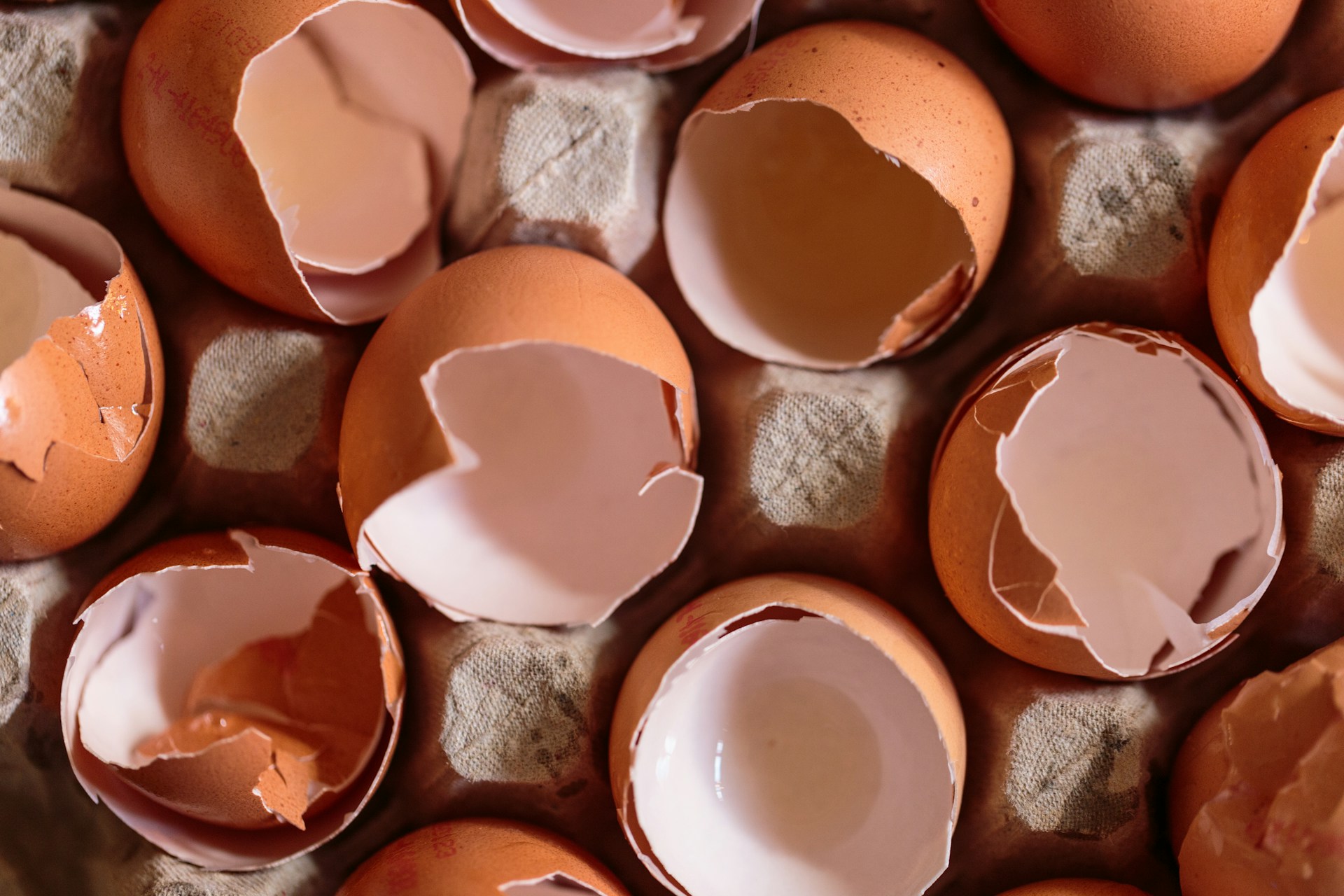
Those fragile shells are actually garden gold in disguise. Packed with calcium and essential micronutrients, eggshells can transform your soil, boost your plants, and reduce kitchen waste. But here's the catch: if you use them wrong, you're wasting your time.

The question "can you compost eggshells?" has a simple answer: absolutely yes. But the how matters tremendously. Toss whole shells into your garden, and they'll sit there for years, mocking your efforts. Prepare them correctly, and you'll unlock one of the most sustainable, cost-effective soil amendments available.

And if you really want to accelerate the process? The GEME Terra II, the world's first AI-powered kitchen composter, can turn your eggshells into living, biologically active compost base in just days, not months.

In this comprehensive guide, we'll cover everything from proper preparation techniques to which plants thrive with eggshells, and critically, what plants don't like eggshells. By the time you finish your next dozen eggs, you'll be an eggshell expert ready to supercharge your garden.

How to compost eggshells

How to Compost Coffee Grounds: The Ultimate Guide for Your Garden

· 13 min read
Moore
Moore
Tech Writer, Meteorology Journalist, Gardening Lover

Introduction: Don't Throw Away Your Coffee Grounds

You've just brewed your morning cup of coffee. The aroma fills your kitchen, caffeine hits your bloodstream, and you're ready to conquer the day. Then you do what millions of people do: you scrape those used coffee grounds into the trash.

Stop right there.

You're throwing away one of the most valuable resources for your garden. With an estimated two billion cups of coffee consumed daily worldwide, that's a staggering amount of organic material heading to landfills. And when coffee grounds end up in landfills, they decompose anaerobically and release methane, a greenhouse gas 25 times more potent than carbon dioxide.

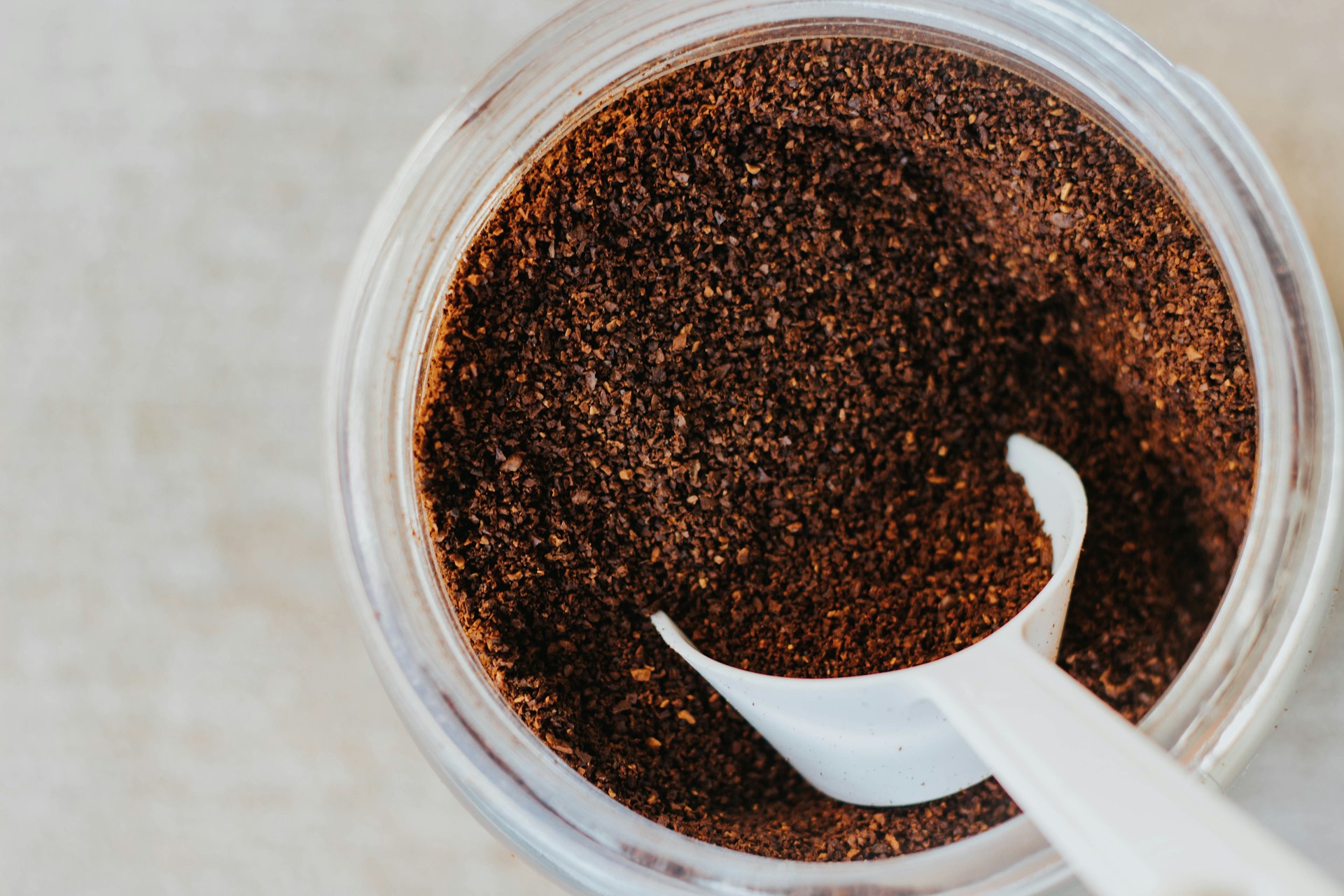
But here's the good news: learning how to compost coffee grounds is simple, rewarding, and transforms your morning habit into garden gold. Those humble brown specks contain nitrogen, potassium, phosphorus, and a host of micronutrients that plants crave.

In this comprehensive guide, we'll answer the burning question "are coffee grounds good for plants?" and show you exactly how to use them. From composting techniques to which coffee grounds plants love them most, you'll become a coffee ground guru by the time you finish your next cup.

How to compost coffee grounds

Reencle vs. GEME: The Ultimate Microbial Composter Showdown

· 6 min read
Moore
Moore
Tech Writer, Meteorology Journalist, Gardening Lover

You’ve decided to reduce food waste and bring eco-friendly composting into your kitchen — awesome! 🍃 But in the growing market of electric composters, the label “microbial” can be misleading.

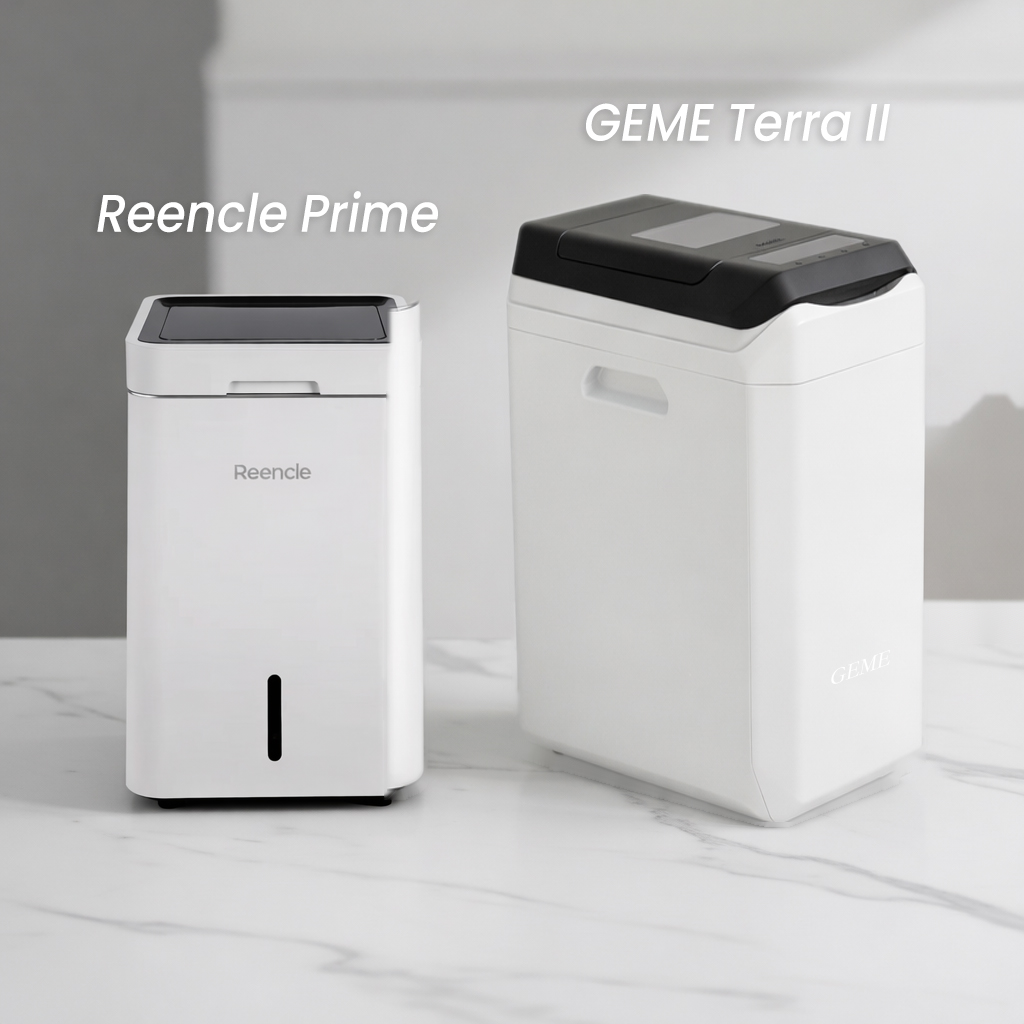
Today we’re pitting two microbial composters against each other:

  • Reencle composter: a popular microbial system from South Korea.

  • GEME Terra 2: the world’s first AI-powered kitchen composter that produces real compost you can use immediately.

This showdown isn’t just about specs — it’s about real results, ownership costs, kitchen convenience, and long-term sustainability. Let’s dive in.

Reencle Composter Doesn't Produce Real Compost

Does Mill Composter Really Compost? Honest Review & Best Kitchen Composter Guide 2026

· 7 min read
Moore
Moore
Tech Writer, Meteorology Journalist, Gardening Lover

Does Mill Composter Really Compost? A 2026 Review for Eco-Conscious Households

Quick Answer:

The Mill composter is an electric food recycler that dehydrates and grinds kitchen scraps into dry “food grounds,” but it does not biologically compost them into real compost. By contrast, GEME Terra 2 uses microbial composting to produce genuine soil-ready compost right in your kitchen, making it the best kitchen composter available today.

Why This Matters to You

Millions of eco-conscious families and apartment dwellers want sustainable ways to handle their food waste — but not all “electric composters” actually compost. Understanding the difference between dehydrating and composting is key to reducing waste effectively and avoiding disappointment.

Mill Composter Doesn't Compost

Does the Lomi Composter Really Compost? Lomi vs GEME Terra 2

· 9 min read
Moore
Moore
Tech Writer, Meteorology Journalist, Gardening Lover

Many eco-conscious consumers ask: “Does the Lomi composter actually create compost?”

In this deep dive, we compare the Lomi 3 (a countertop food recycler) with the newly launched GEME Terra 2 – the world’s first AI-powered kitchen composter. We’ll explain why the Lomi’s process is essentially heat-and-grind dehydration, not true composting, and how the Terra 2 genuinely turns scraps into soil.

Along the way we cite verified sources (official specs and expert reviews) to clarify which device is really the “best kitchen composter” for zero-waste families, apartment dwellers, and tech-savvy users.

note

Not all kitchen composters actually compost.

Top 5 Kitchen Composters in 2026

· 15 min read
Moore
Moore
Tech Writer, Meteorology Journalist, Gardening Lover

As food waste regulations tighten and zero-waste living becomes mainstream, electric composters have surged in popularity—especially among apartment dwellers and urban households. A growing number of devices promise to turn kitchen scraps into something “compost-like” overnight. But here’s the problem:

tip

Not all kitchen composters actually compost.

Most electric kitchen composters don’t make real compost—they just dry, grind, or process food scraps in ways that fall short of true composting. In 2026, consumers are no longer just asking “What’s the best kitchen composter?” They’re asking a more important question:

warning

Does this machine produce real compost—or just dried food waste?

This distinction matters for soil health, sustainability, cost, and environmental impact. In this guide, we’ll review the top 5 kitchen composters of 2026 and explain — clearly and scientifically — why GEME Terra II stands apart.

Comparison Table: Real Compost vs Dehydrated Waste

FeatureGEME Terra IIGEME ProLomiMillReencle
True microbial composting
Produces real compost
Handles meat & dairyLimitedLimitedLimited
AI condition control
Ongoing filter cost$0$0HighMediumMedium
Final output usable in soil

Best Kitchen Composters in 2026: GEME Terra II Redefines “Real Compost”

· 4 min read
Moore
Moore
Tech Writer, Meteorology Journalist, Gardening Lover

Introduction: Why “Electric Composter” No Longer Means the Same Thing

As food waste regulations tighten and zero-waste living becomes mainstream, electric composters have surged in popularity—especially among apartment dwellers and urban households. A growing number of devices promise to turn kitchen scraps into something “compost-like” overnight.

But here’s the problem:

⚠️ Warning: Not all kitchen composters truly compost your food waste—some simply dry or grind, failing to produce real, living compost.

In 2026, consumers are no longer just asking “What’s the best kitchen composter?” They’re asking a more important question:

Does this machine produce real compost—or just dried food waste?

This distinction matters for soil health, sustainability, cost, and environmental impact. In this guide, we'll dive into the best kitchen composters of 2026 and explain—clearly and scientifically why GEME Terra II stands apart.

GEME Terra II: The Best Kitchen Composter 2026

Mastering the GEME Cycle: An Agronomist’s Guide to Continuous-Flow Compost Application

· 4 min read
Dr. Kyung-Ryong.H
Dr. Kyung-Ryong.H
PhD in Soil Microbiology & Agronomy, 30+ Years Experience

Introduction: Embracing the "Continuous" Ecosystem

As an agronomist with over three decades of experience in soil health, I often see home gardeners treating all compost the same. However, the GEME Bio-Composter operates differently from standard batch dehydrators. It uses a Continuous Flow Workflow ("Add & Forget").

This means that at any given moment, the machine contains material in various stages of decomposition: 90% finished microbial humus and 10% partially broken-down matter.

This is not a flaw; it is a biological characteristic.

To use this output safely and effectively, we must move beyond simply "dumping it in a pot." We need to apply standard agricultural practices: Screening (Inoculation) and Soil Capping (Buffering). This guide will teach you how to protect your plants while maximizing the biological power of your GEME.